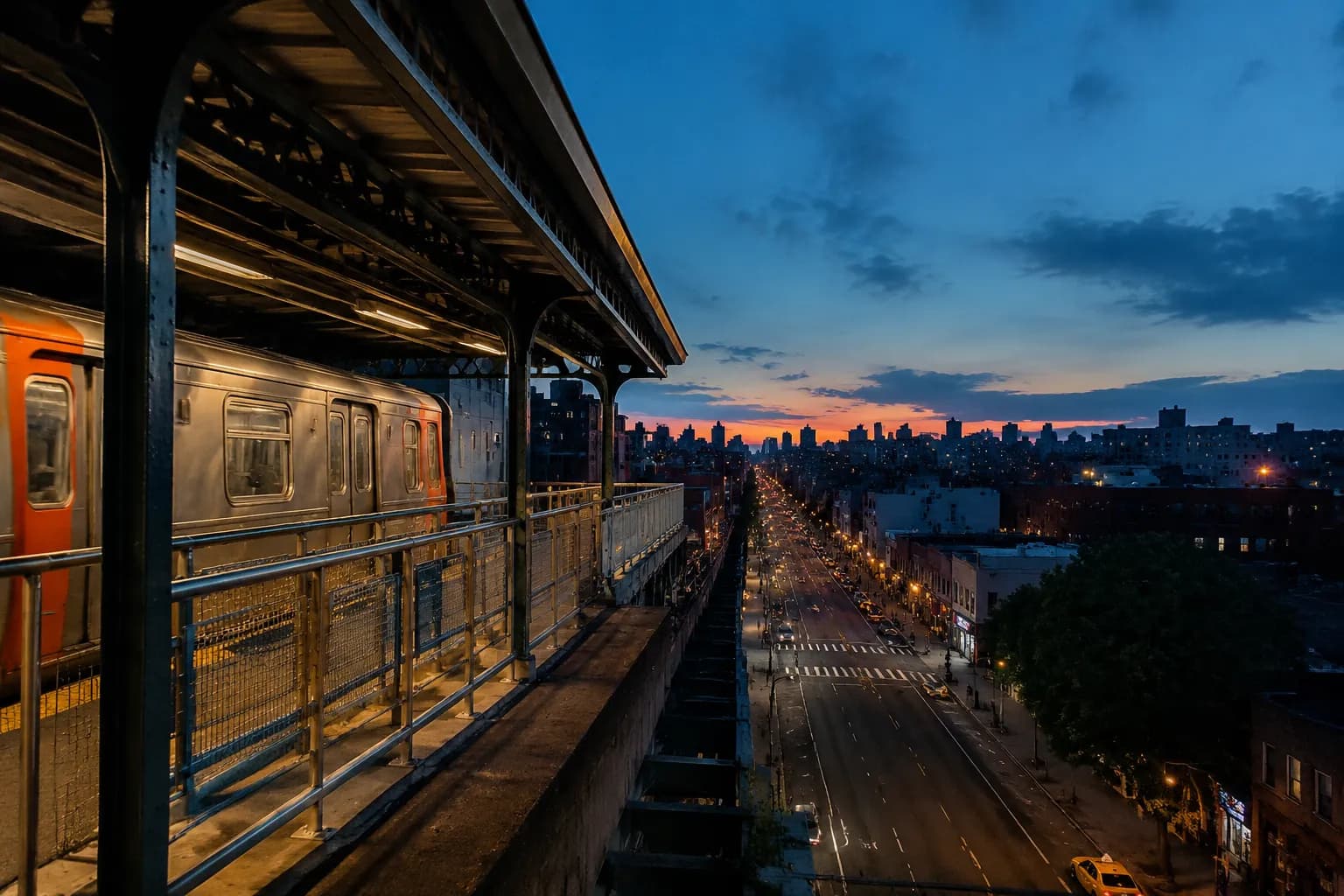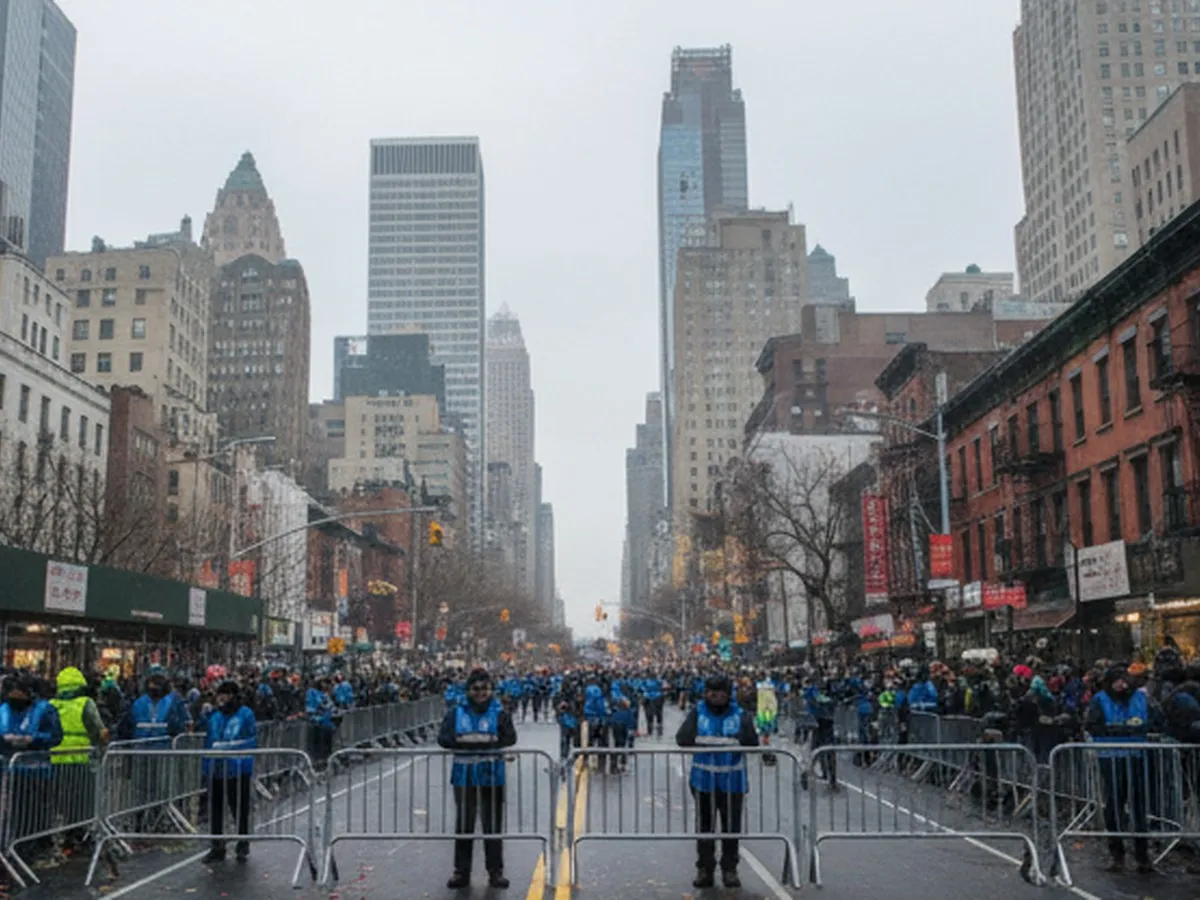
In New York City, parades and street festivals are basically a second calendar—huge, free public celebrations that shape how and where the city moves on specific days. If you live in NYC or visit often, knowing when the Thanksgiving Parade floats roll up Sixth Avenue, when Pride takes over lower Manhattan, or when Lunar New Year’s firecrackers pop in Chinatown can help you plan an entire day’s itinerary around these events. This guide walks through major 2026 parades and public celebrations, focusing on how to experience them across morning, afternoon, and evening, with practical transit advice, where to stand, and backup options if crowds or weather push you off your original plan. Always double-check event details on official sites—routes, times, and dates can shift year to year, and anything listed for 2025 is now historical context, not current planning.
Ready to turn “I should go to more parades” into an actual NYC game plan? Bookmark this guide, then tap through to the official calendars we reference for each event so you can confirm 2026 dates, routes, and safety rules before you commit to a meetup or buy any tickets. Sharing this with your group chat now makes it much easier to lock in a day-of itinerary, pick backup neighborhoods, and avoid getting stuck behind a random street closure.

Morning game plan: starting early for NYC’s biggest parades
For the city’s largest parades—especially the Macy’s Thanksgiving Day Parade and the St. Patrick’s Day Parade—your day starts early if you want a solid view. Macy’s Thanksgiving Day Parade traditionally steps off at 8:30 a.m. from West 77th Street and Central Park West, traveling down Central Park West, then turning onto Sixth Avenue and ending at Macy’s in Herald Square, according to Macy’s official parade information. Because exact 2026 details may shift, treat 2025 maps and FAQs as historical, and re-check Macy’s site closer to November for updated staging times, entry points, and any security rules.
By contrast, the St. Patrick’s Day Parade is handled by the official New York City St. Patrick’s Day Parade organization and generally marches along Fifth Avenue, passing St. Patrick’s Cathedral and finishing near East 79th Street. Again, prior-year routes give you a sense of how Midtown will feel, but you must confirm the 2026 lineup and start time on the official parade website, since step-off times, reviewing stands, and invited groups can change. If you’re aiming for curb space near the cathedral or in the 50s, plan to arrive at least an hour or two before the listed start time and be ready for NYPD crowd-control barricades.
Transit-wise, a morning parade plan usually means taking the subway and walking the last few blocks because buses are often rerouted and rideshare drop-off zones move. For Thanksgiving, Midtown stations along the B/D/F/M and N/Q/R/W lines near Sixth Avenue and Herald Square are useful, but trains may be crowded and some exits limited, so check the MTA’s day-of service advisory page for any planned changes. If your ideal spot looks crushed when you arrive, have a backup: shift a few blocks north or south along the route, or switch to a viewing area near the start or end of the parade, where crowds can thin once the first hour passes.
Midday energy: Pride, Puerto Rican Day, and cultural parades
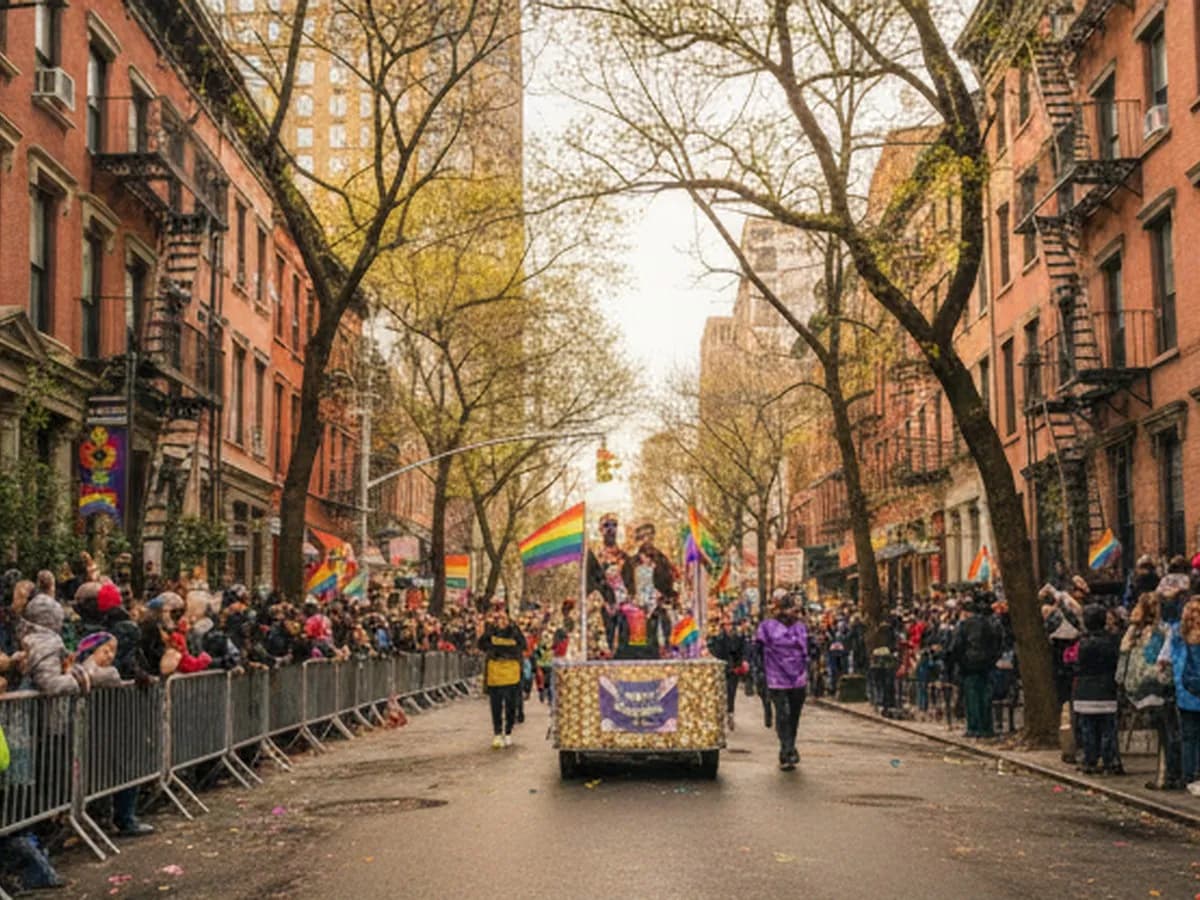
By late morning into midday, many of NYC’s cultural and identity-focused parades bring a different energy—less early wake-up stress, more all-day hangout vibe. NYC Pride’s main march is coordinated by NYC Pride and typically travels through lower Manhattan, historically beginning near Madison Square Park and moving down to the West Village; exact 2026 route and timing details will be published on the official NYC Pride site, along with accessibility and security information. Pride often turns into a full-day experience, with viewing parties, after-parties, and related events spread around neighborhoods like Chelsea and the Village, so your midday plan might be to catch part of the march, then wander to nearby bars, cafes, or community spaces once crowds peak.
The National Puerto Rican Day Parade, organized by its official foundation, traditionally takes place on a Sunday in June, marching up Fifth Avenue from around 43rd Street toward the 79th Street area. Past schedules list a late morning start time, but you should check the foundation’s 2026 announcements for the exact date and step-off details. Expect music, flags, and strong community turnout; it’s smart to build in extra time to navigate subway stations along Fifth Avenue (such as 42nd Street–Bryant Park or Lexington/53rd for transfers) and avoid trying to cross the avenue mid-parade—use cross-streets and police-designated crossing points.
When planning midday around these parades, pick a “base” neighborhood with food, restrooms, and a quick escape route. For Pride, you might start with coffee in Union Square or the Flatiron District, watch the march along Sixth Avenue, then pivot west into the Village once you’re ready for a change of pace. For the Puerto Rican Day Parade, consider meeting friends slightly off-route—such as near East 40s or 50s side streets—before walking toward your agreed viewing block. If rain or heat makes standing on the curb less appealing, backup options include watching from sheltered spots near building overhangs or heading to indoor cultural events connected to the parade, which are often listed on the organizers’ schedules.
Winter focus: Lunar New Year and neighborhood celebrations
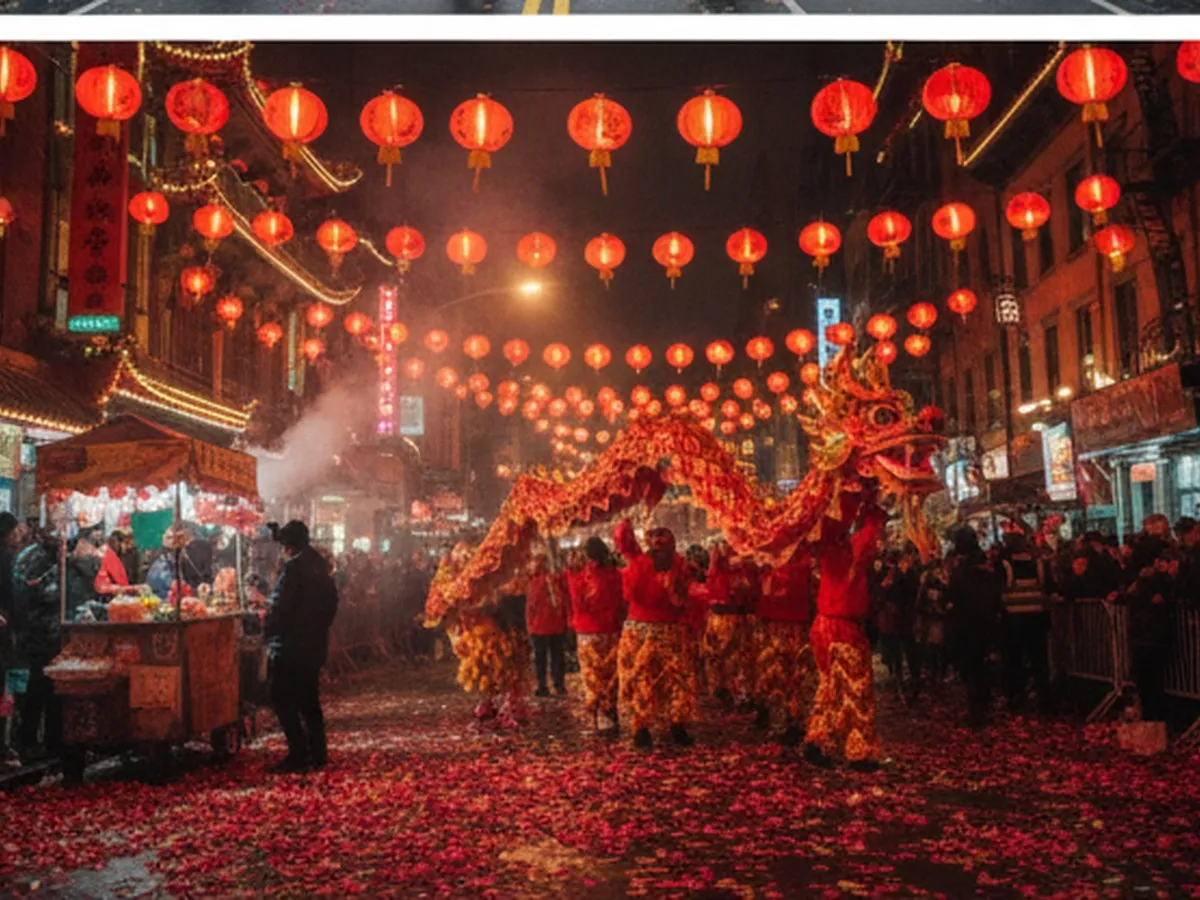
In winter, NYC’s most distinctive parades and public celebrations cluster around Lunar New Year, especially in Manhattan’s Chinatown, Flushing, and Sunset Park. The Chinatown Lunar New Year Parade and Festival is traditionally organized by community groups and promoted through official Chinatown and tourism channels; past events list a route that winds through Mott Street, Canal Street, and surrounding blocks. For 2026, treat earlier years’ listings as a pattern, then confirm exact parade date, start time, and firecracker restrictions on official Chinatown community sites or NYC.gov’s events listings before you set alarms.
Because winter weather is unpredictable, your time-of-day plan matters. Aim to arrive in Chinatown late morning so you can find a reasonable viewing spot before the main crowds pack in. Transit-wise, nearby subway options typically include lines to Canal Street, East Broadway, and Grand Street; however, streets can be closed for performances and safety, so check the MTA’s real-time service advisories on the day of the parade for any entrance or exit adjustments. Dress for cold and consider hand-warmers or a nearby cafe as your backup—if wind chills get intense, you can duck inside between dragon dances and drum performances.
Lunar New Year also has strong celebrations in Queens and Brooklyn. In Flushing, past years have featured parades and firecracker ceremonies near Main Street; in Sunset Park, Brooklyn, you’ll see lion dances and community events across local avenues. Exact 2026 events and routes will be posted closer to the holiday by local business improvement districts or community associations, often linked from NYC.gov’s event listings. A good backup plan is to pick a second neighborhood—if Chinatown feels too packed or uncomfortable, you can pivot to Flushing or Sunset Park later in the day, using the 7 train to Queens or D/N/R lines to Brooklyn while keeping an eye on transit changes through official MTA channels.
Late spring and early fall: street festivals and niche parades
Outside headline events like Thanksgiving or Pride, NYC’s calendar is packed with smaller but highly local parades and street festivals that can anchor a relaxed weekend day. Examples include borough-specific Memorial Day parades, neighborhood Halloween walks, and ethnic heritage parades celebrating everything from Greek Independence to West Indian culture. Many of these are permitted and listed through official NYC government event calendars or individual organizers’ sites, and routes often center around a main commercial avenue or park. Because 2025 information is now historical, use it as inspiration but confirm your 2026 picks through up-to-date listings on NYC.gov or official community pages.
To structure a day, start with a late-morning arrival in the neighborhood hosting the parade and plan to stay for the street festival or fair that typically follows. For example, some heritage parades end near a park where vendors, performances, and kids’ activities continue into the afternoon. Transit will vary: smaller parades may impact just one or two bus routes and a handful of streets, while larger borough events could temporarily re-route traffic across wider areas. Whenever you see signs about upcoming street closures or parking rules in your neighborhood, check NYC.gov and the MTA for details so you can adjust your timeline or switch from driving to transit.
If your chosen event is canceled due to weather or logistics—something that does happen with smaller parades—have a backup micro-itinerary nearby. That might mean shifting to a local museum, a waterfront walk, or another nearby street festival listed on Time Out New York’s or similar calendars, which often aggregate multiple public celebrations across the city in a given weekend. Because these editorial calendars may lag behind last-minute changes, always use them as a starting point, then click through to the organizers’ official sites for final confirmation before you head out.
How to use transit and street-closure intel like a local
For any NYC parade, your experience depends heavily on how you move around the city. The Metropolitan Transportation Authority (MTA) publishes service changes, planned work, and special advisories on its official site and apps, including weekend route modifications and event-specific notes. Before a major parade day, it’s smart to check for planned closures on lines serving Midtown, lower Manhattan, and key outer-borough hubs so you can build in extra time or pick an alternate station near your chosen viewing spot.
During big parades, NYPD and city agencies often establish temporary no-parking zones, bus detours, and pedestrian-only corridors. Official NYC.gov pages, including the Mayor’s Office or Department of Transportation announcements, are where road-closure advisories and citywide event information are published. If you live in NYC, pay attention to posted street notices on lampposts and building edges—a bright-colored sign announcing a future closure can be your cue to look up the event online and decide whether to enjoy it or avoid that area.
Backup planning here means: pick two routes and two meeting points. For a Midtown parade, choose a primary subway line and station, plus a secondary option in case of delays; for example, if the B/D/F/M is congested, you may switch to the 1/2/3 and walk east. Similarly, agree on both a “main” corner and a “fallback” block with your friends so that if barricades or police instructions force you away from your initial plan, you all know where to regroup. If you’re coordinating with out-of-town visitors, send them official MTA and event-organizer links ahead of time, so they’re not relying on outdated 2025 blogs or unofficial maps.
Planning your year: building a personal NYC parade calendar
Instead of treating parades as surprise disruptions, you can build a personal NYC parade calendar for 2026 and use it to structure your social life. Start by listing the biggest citywide events you care about—Thanksgiving, St. Patrick’s Day, Pride, Lunar New Year, and any cultural heritage parades important to you. Then, as official dates and routes are released on organizers’ websites and NYC.gov, plug those into your calendar app with location notes (avenue, neighborhood) and rough time blocks (morning, midday, evening).
Next, layer in smaller local parades and festivals. NYC.gov event calendars and borough community boards often publish recurring neighborhood events and permitted parades, while outlets like Time Out New York maintain seasonal lists that can help you spot lesser-known street festivals in advance. Because some 2026 information will only appear a few months before each event, set reminders to re-check official pages at the start of each season—winter for Lunar New Year, spring for St. Patrick’s and early cultural parades, summer for Pride and Puerto Rican Day, fall for Halloween parades, and November for Thanksgiving.
Finally, pair each marquee parade with a backup plan and a spending plan. Decide whether you’re treating the event as a quick viewing stop or a full-day hang; in the latter case, plan nearby meals, potential ticketed after-parties, or museum visits that are walkable from the route. Avoid overcommitting to prepaid experiences until you’ve checked official event timings and any security or safety rules; if a parade start time shifts or is delayed, you want flexibility. Revisit your calendar monthly so you’re not surprised by major street closures—and so you can invite friends or family early, before hotels and popular restaurants around parade routes fill up.
Ask Karpo first
Karpo is built for this kind of city-wide puzzle: matching your energy level, transit comfort, and neighborhood preferences with the right NYC parade or festival on the right day. Before you commit to any big outing, ask Karpo to check official organizer and NYC.gov sources for current-year dates, route changes, and accessibility notes, then have it help you shape a morning-to-night itinerary with backups for weather, crowds, or transit delays. Karpo will keep your personal parade calendar flexible but informed, so you can enjoy the best of NYC’s public celebrations without getting caught off guard by a surprise street closure or an outdated 2025 listing. Just remember: final details live on the event’s official pages—Karpo will always point you there before you head out.
sources':[{
Tags: #parade #nyc #events #watchparties #itinerary #transit #festivals #pride #holiday #culture #NYC #KarpoFinds #AskKarpo
Sources consulted: Macy’s – Thanksgiving Day Parade overview · NYC St. Patrick’s Day Parade – About & route · MTA – official service updates · NYC Pride – Events · National Puerto Rican Day Parade – Official site · Explore Chinatown – Events listings · NYCgo – NYC events overview · NYC Special Events – Permits and major events information
All trademarks are the property of their respective owners.
Ask Karpo first
Text Karpo what day and neighborhood you’re free, plus any must-do parades on your list this year, and it will send you a tailored route: which parade or festival to prioritize, backup options if weather or crowds derail Plan A, and real-time transit and street-closure intel so you actually get to the curb in time for the first floats.