 Mediterranean Food Near Me in Fort Greene: Miss Ada's Garden and Hummus
Neighborhood Guides
How to Plan a Local-Feeling Long Island City Day Beyond the Waterfront
Move past the skyline photo-op and build a full LIC day around the neighborhood's working art studios, industrial-block cafés, and residential pockets that locals actually use every week.
Long Island City has spent the past decade shedding its pure-industrial skin, and the result is a neighborhood that functions less like a Manhattan viewing platform and more like a place people actually live. Most first-time visitors anchor their entire visit around Gantry Plaza State Park, which delivers postcard views of Midtown but tells you almost nothing about how the neighborhood works day-to-day. Locals know that LIC's real texture lives a few blocks inland: experimental art spaces that double as community anchors, side-street bakeries serving the morning commuter wave, and residential green spaces that prioritize usability over Instagram angles. If you want to understand why people choose to build routines here rather than just pass through, you need to step away from the waterfront and follow the 7 train deeper into the grid.
Text Karpo to start planning smarter NYC days that reflect how neighborhoods actually function, not just where they photograph best.
Start Inland at MoMA PS1 and the Surrounding Art Block
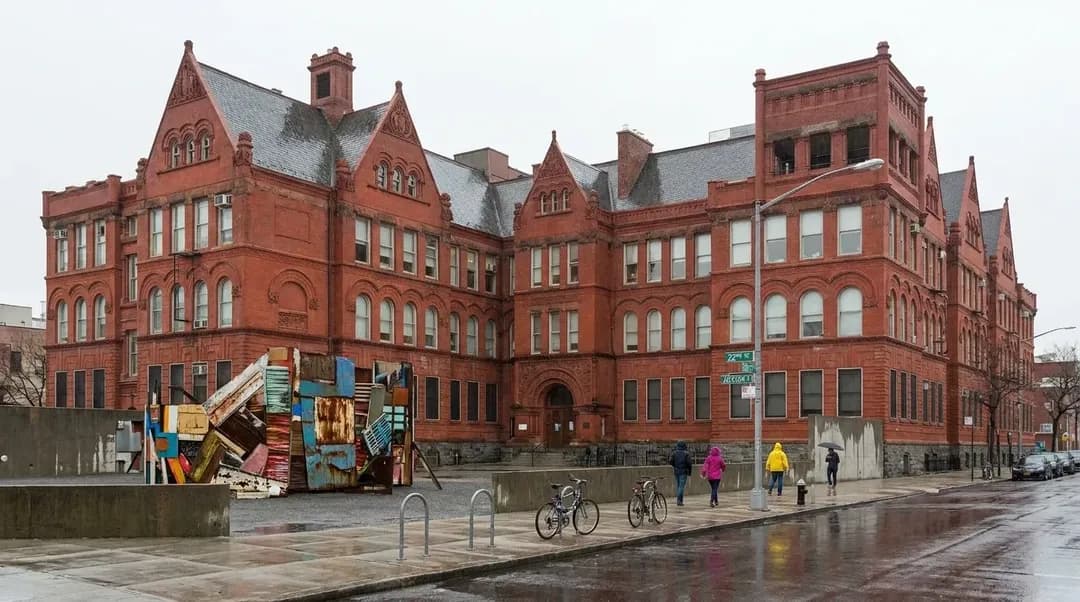
MoMA PS1 sits at the intersection of experimental art and community programming, occupying a former public school building that still feels more like a neighborhood resource than a traditional museum. The institution focuses on contemporary and experimental work, often hosting installations that spill into the courtyard and challenge typical gallery behavior. During warmer months, the outdoor space becomes a gathering point that blurs the line between art viewing and social hangout. The surrounding blocks—particularly along Jackson Avenue—host a mix of working studios, small galleries, and fabrication shops that give you a sense of LIC's creative infrastructure rather than its finished product. This area operates on a different schedule than the waterfront; it's quieter on weekends when the weekday studio energy fades, so plan accordingly if you want to catch the neighborhood in working mode.
After PS1, walk south along Jackson Avenue toward the Court Square transit hub. This stretch lacks the polish of the waterfront developments but offers a more accurate picture of LIC's layered identity: auto shops next to design studios, older walk-ups alongside new residential towers. The Court Square area itself is a major subway convergence point—seven lines pass through here—which makes it a natural pivot for locals moving between errands. The blocks immediately around the station hold a rotating cast of lunch counters and takeout spots that cater to the weekday office crowd, so timing matters. If you're planning this route on a Saturday, expect reduced hours and a quieter street presence. The value here is observational: you're seeing the bones of a neighborhood that's still figuring out its next chapter rather than one that's already been fully scripted for visitors.
Build Lunch Around Residential Blocks, Not Waterfront Clusters
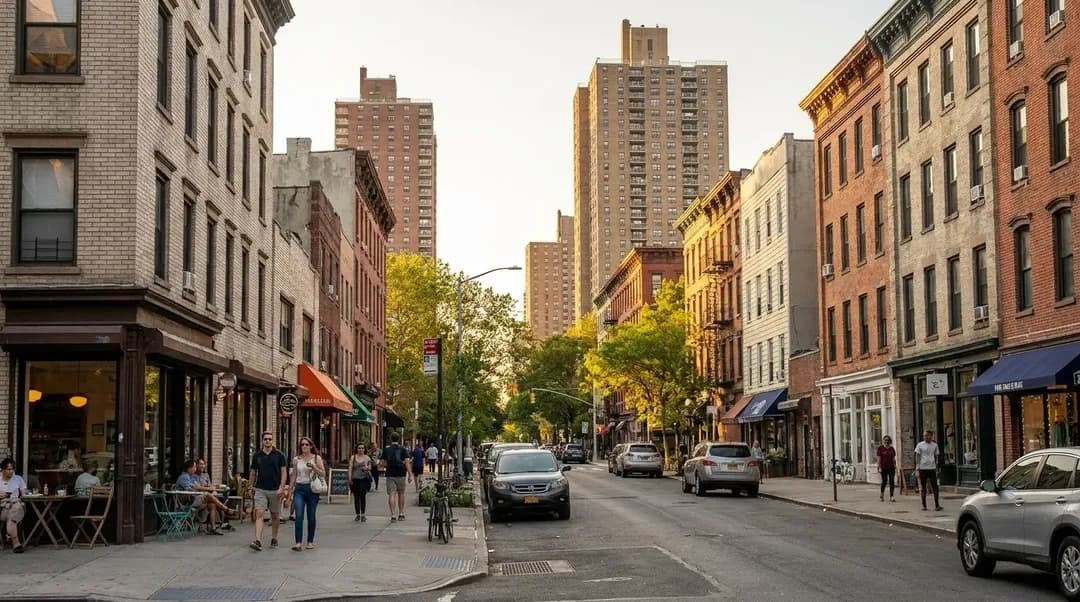
The most useful LIC lunch spots sit along the residential corridors that run perpendicular to the waterfront—particularly the blocks between 21st Street and Skillman Avenue. These streets serve the people who live and work here daily, which means menus skew practical, hours are consistent, and the pace assumes you're fitting a meal into a real schedule rather than a leisure itinerary. The neighborhood's food landscape reflects its demographic mix: you'll find Turkish bakeries, Latin American grocers with prepared-food counters, and newer cafés that cater to the young professional influx. The key is to avoid the obvious restaurant clusters near Gantry Plaza, which tend to price and pace themselves for the weekend brunch crowd and Manhattan spillover traffic.
If you're planning a weekday visit, the lunch window between 11:30 AM and 1:30 PM offers the most energy and the fullest sense of neighborhood rhythm. Weekends shift the dynamic; many weekday-focused spots close or reduce hours, while brunch-oriented places dominate. Check current operating schedules before you commit to a specific block, especially if you're traveling from another borough and want to avoid a wasted trip. The residential feel you're chasing depends on catching the neighborhood in its working mode, not its weekend downtime. One practical approach: pick a lunch spot near the Vernon Boulevard–Jackson Avenue 7 train stop, which keeps you connected to the rest of Queens and gives you an easy exit strategy if the weather turns or your plans shift.
Spend Afternoon Hours in Hunter's Point South Park, Not Gantry
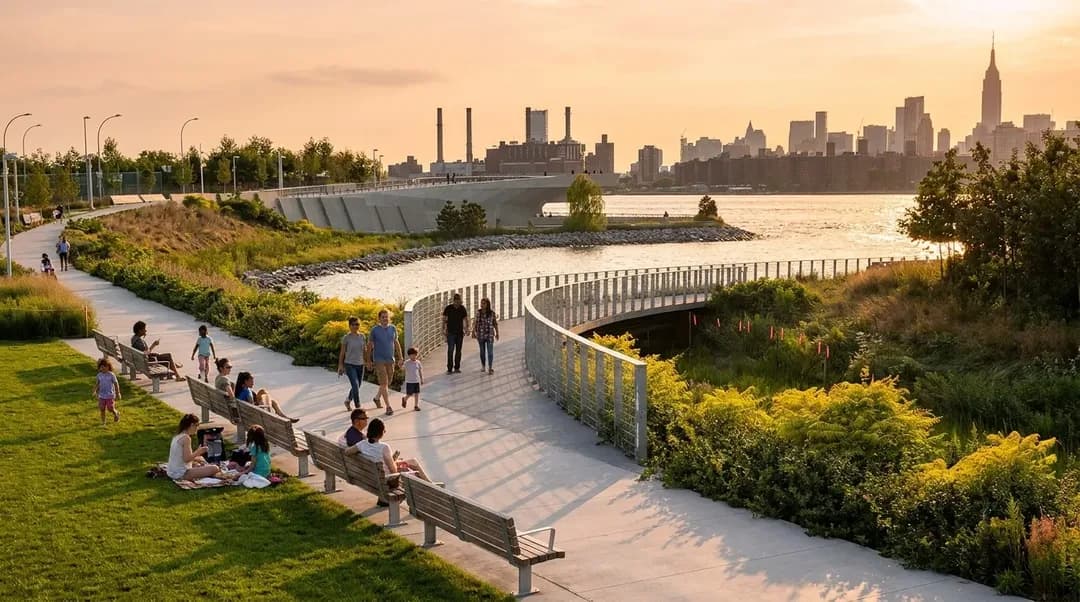
Hunter's Point South Park sits a half-mile south of Gantry Plaza and offers a fundamentally different experience: it's designed for extended use rather than quick photo stops. The park includes a large central lawn, a playground that actually gets used by neighborhood families, basketball courts, and a waterfront promenade that feels less like a viewing platform and more like a place to spend a full afternoon. The layout encourages movement and activity rather than static skyline gazing. You'll see locals running, playing pickup games, and spreading out picnic setups that suggest they're here for hours, not minutes. The park's southern location also means fewer tourists and a quieter overall atmosphere, especially on weekdays.
The park's design integrates green infrastructure and environmental features that reflect its post-industrial waterfront context, though these elements read more as background function than headline attraction. If you're visiting during warmer months, the lawn becomes the park's social center; during colder stretches, the waterfront promenade remains walkable but loses much of its appeal. One timing note: late afternoon light here is excellent, but the park's east-facing orientation means sunset views don't deliver the same drama as Gantry's western exposure. That trade-off is the point—you're choosing usability and local texture over the optimized photo moment. The park connects directly to the East River Ferry landing at Hunters Point South, which gives you a water-transit option back to Manhattan or down to Brooklyn if you want to extend your day beyond LIC.
Close the Day Along Vernon Boulevard's Independent Retail Strip
Vernon Boulevard between 46th Road and 50th Avenue functions as LIC's closest approximation of a traditional neighborhood main street. The strip holds a mix of independent bookstores, small-batch breweries, and retail shops that cater to local routines rather than destination shopping. This stretch lacks the density and foot traffic of a Manhattan commercial corridor, but that's part of its appeal for locals—it's scaled to serve a residential population without the noise and crowding that comes with heavy tourist traffic. The businesses here tend to keep more predictable hours and operate with the assumption that their customer base lives within walking distance.
If you're planning to close your day here, aim for late afternoon or early evening when the post-work crowd starts filtering in. The breweries and wine bars along this strip become informal gathering spots, and the energy shifts from daytime errand-running to social mode. The Vernon Boulevard corridor also offers straightforward access to the Vernon Boulevard–Jackson Avenue 7 train stop, which makes it a logical endpoint before heading back to Manhattan or deeper into Queens. One practical consideration: this area doesn't have the same density of dinner options as the waterfront clusters, so if you're planning a full meal rather than just drinks and snacks, you may need to backtrack toward the Court Square area or commit to one of the few sit-down restaurants along Vernon. The trade-off is atmosphere—you're ending your day in a space that feels like a neighborhood amenity rather than a visitor destination, which is exactly the point of structuring an LIC day this way.
Practical Notes
- The 7 train is your primary access line; Court Square and Vernon Boulevard–Jackson Avenue stops serve different parts of the neighborhood and aren't interchangeable for all itineraries.
- MoMA PS1 operates Thursday through Monday; if you're planning a Tuesday or Wednesday visit, you'll need to restructure around other anchors.
- Many weekday-focused lunch spots near Court Square reduce hours or close entirely on weekends—confirm schedules if you're visiting Saturday or Sunday.
- Hunter's Point South Park connects to the East River Ferry system, which runs seasonally and offers an alternative transit option to subway-only routing.
- Vernon Boulevard's retail and bar strip sees its strongest energy after 4 PM on weekdays and during weekend afternoons; morning visits will feel quiet.
- LIC lacks the density of late-night options found in Manhattan or North Brooklyn—plan your return transit before 11 PM unless you're comfortable with reduced service frequencies.
- Weather matters more here than in denser neighborhoods; much of this itinerary depends on walkable outdoor spaces, so have a backup plan for rain or extreme cold.
The version of Long Island City that locals actually use doesn't organize itself around a single waterfront park or skyline vista. It spreads across residential blocks, working art spaces, and transit-connected corridors that prioritize function over spectacle. Building a day around these elements requires more intentional planning than just following the waterfront promenade, but the payoff is a clearer sense of why people choose to live here rather than just visit. You're trading the optimized photo-op for the texture of a neighborhood that's still figuring out its identity in real time, which makes for a more honest and ultimately more useful NYC day.
Tags: #longislandcity #licqueens #queensnyc #momaps1 #hunterspoint #vernonboulevard #courtsquare #nycneighborhoods #localnyc #queenslife #nyclocals #beyondmanhattan
Sources consulted: Best Things to do in Long Island City - offMetro NY · Long Island City Guide (Local's Guide & Unique Activities) · Explore - Long Island City Partnership · Long Island City Attractions You Can't Miss | Idaretravel.com · ong Island City Neighborhood Guide | Where to Stay, Eat & Plan NYC ... · Long Island City, Queens | NYC Neighborhood Guide
All trademarks are the property of their respective owners.
Ask Karpo for more information.
Keep reading
- Mediterranean Food Near Me in Fort Greene: Miss Ada's Garden and Hummus
 Places To Eat Near Me in Chelsea: The Market Fills a Nabisco Factory
 Seafood Near Me in the East Village: The Mermaid Inn's Dollar Oysters