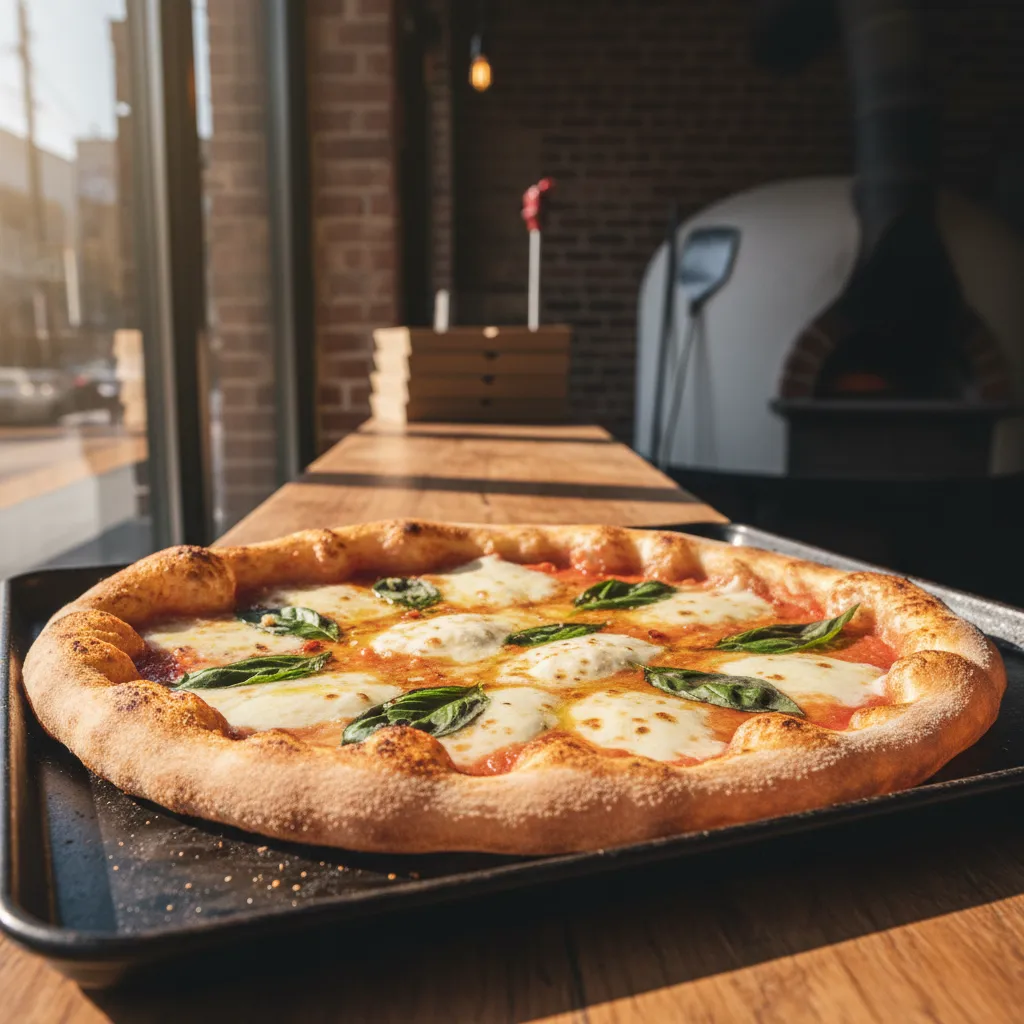
 L'Industrie vs Lucali: Brooklyn's Best Pizza Compared
Restaurants
How to Plan a Jackson Heights-to-Elmhurst Food Walk When You Refuse to Wait in Line
A friction-managed route through Roosevelt Avenue's global kitchens that prioritizes off-peak timing, counter service, and strategic detours to keep you eating instead of standing.
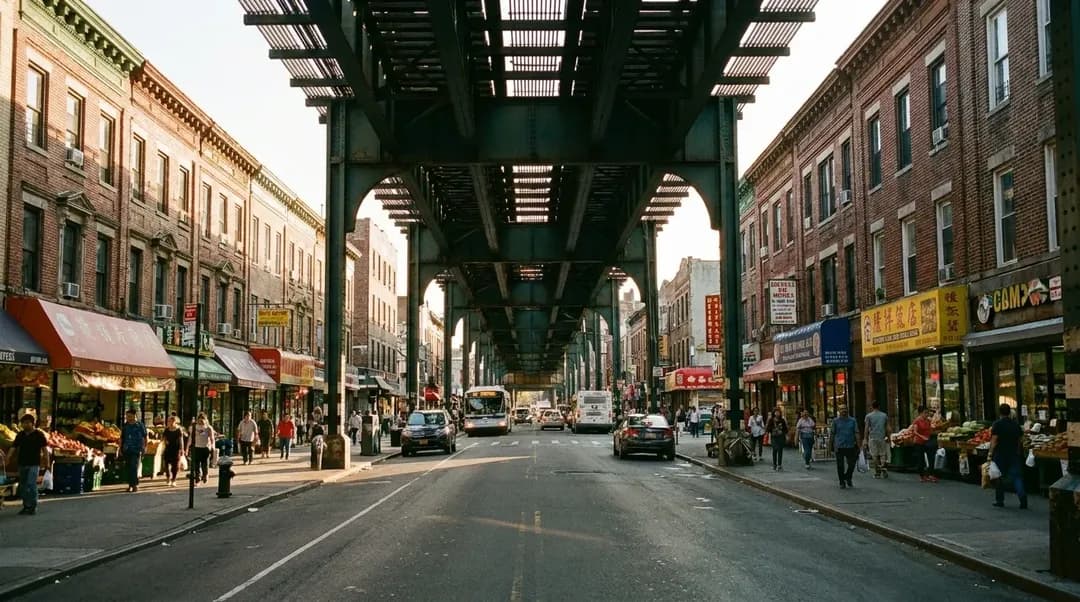
The Roosevelt Avenue corridor connecting Jackson Heights and Elmhurst offers one of the most concentrated food experiences in the city, with Himalayan momos, Colombian empanadas, Thai boat noodles, and Ecuadorian ceviche packed into a walkable three-block radius. But density cuts both ways: the same accessibility that makes this strip compelling also creates bottlenecks at popular hours, especially on weekends when families claim tables for extended meals and tour groups arrive in waves. If you're someone who values momentum over hype, your success depends less on which restaurants you choose and more on when you arrive, how you sequence your stops, and whether you've mapped backup options for each block. The difference between a satisfying crawl and a frustrating afternoon often comes down to fifteen minutes and a willingness to pivot.
Text Karpo at (332) KARPO-NY for real-time routing adjustments when your first-choice spot has a line out the door.
Start Early or Start Late, Never Start at Noon
The 7 train deposits most visitors at Roosevelt Avenue/74th Street between 11:30 AM and 1:30 PM on Saturdays and Sundays, creating a predictable surge that radiates outward from the station. If you're planning a weekend walk, aim to arrive by 10:00 AM when many restaurants have just opened and haven't yet filled their first seating, or delay until after 2:30 PM when the lunch wave has cleared and you can claim counter seats without negotiation. Weekday timing follows different logic: Tuesday through Thursday between 11:00 AM and noon offers the cleanest window, while Friday lunch crowds build earlier as people take half-days. Monday can be unpredictable because some family-run spots close or operate on reduced schedules after a busy weekend.
Weather compounds timing decisions in ways that aren't obvious until you're mid-walk. Rain drives everyone indoors simultaneously, collapsing the usual distribution of diners across the corridor and creating artificial scarcity at covered spots. On those days, consider starting your walk in Elmhurst rather than Jackson Heights, moving against the typical flow from the 74th Street station. Conversely, unusually hot days above 90 degrees thin crowds at spots without strong air conditioning, opening opportunities at places you'd normally skip during peak hours. Check the forecast the morning of your walk and be prepared to reverse your planned direction or shift your start time by an hour.
Prioritize Counter Service and Standing-Room Formats
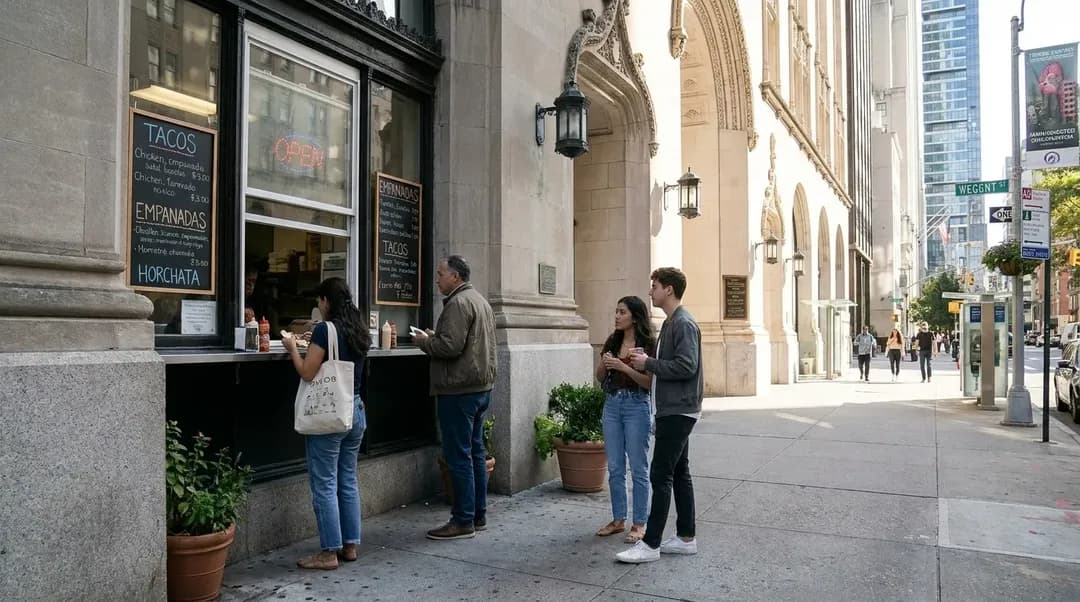
The structural advantage of counter-service restaurants is that they eliminate the table-turnover bottleneck that creates lines at sit-down spots. When you're building your route, identify which stops offer counter ordering with immediate pickup or very short waits, then anchor your walk around those certainties. Many of the Himalayan and Colombian spots along Roosevelt Avenue operate with hybrid models: a few tables in back but a counter up front where you can order, pay, and leave within ten minutes. These formats let you keep moving even when the dining room is full, and they're particularly valuable for your second and third stops when you're sampling rather than settling in for a full meal.
Standing-room and takeaway-focused spots offer similar advantages. Small bakeries, juice bars, and snack counters scattered along 82nd Street and the side blocks off Roosevelt rarely accumulate lines because they're designed for rapid transactions. Use these as palate cleansers between heavier stops or as contingency options when your planned restaurant has an unexpectedly long wait. The 82nd Street corridor, which runs perpendicular to Roosevelt between Jackson Heights and Elmhurst, features over 160 businesses in a landmarked, tree-lined stretch that rewards detours. If your main-route spot is slammed, a two-block walk to 82nd often yields an equivalent option with no wait.
Build a Three-Deep Contingency for Every Cuisine
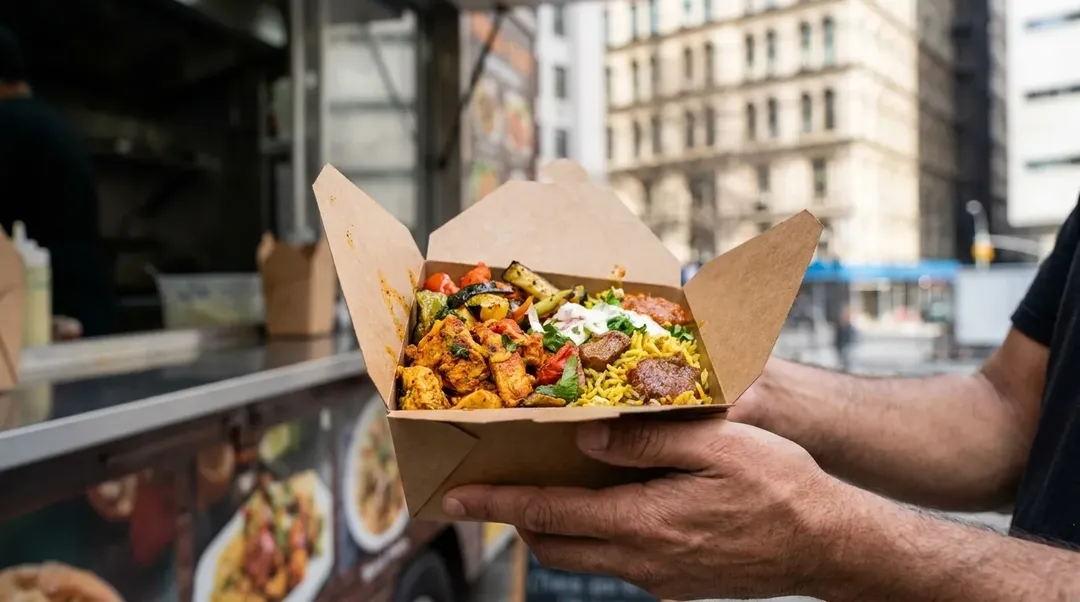
The worst outcome on a food walk isn't discovering a restaurant is closed; it's standing in front of a twenty-minute line with no backup plan and no mental energy to research alternatives on your phone while hungry. Before you leave home, identify three restaurants for each cuisine you want to sample, ranked by preference but all genuinely appealing. When you arrive at your first choice and see a crowd, you can immediately pivot to option two without losing momentum or defaulting to whatever's closest. This approach is especially critical for Thai food in Elmhurst, where a handful of well-reviewed spots absorb most of the demand and can have waits stretching thirty minutes on weekend afternoons.
Your contingency list should account for geographic clustering. If your top three Thai spots are all on the same two-block stretch of Whitney Avenue, a line at one likely means lines at the others because they're drawing from the same pool of visitors. Instead, spread your backups across different micro-neighborhoods: one near the 7 train, one deeper into residential Elmhurst, one on a side street that requires a deliberate detour. The same logic applies to Colombian and Ecuadorian spots around 82nd Street and Roosevelt. Diversity in your contingency planning creates genuine optionality rather than the illusion of choice.
Recognize When to Skip and When to Wait
Not all lines represent the same friction. A five-person line at a counter-service spot with visible staff moving quickly is a three-minute delay; a five-person line at a table-service restaurant with one server is a twenty-minute commitment once you factor in seating, ordering, and payment. Learn to read the operational tempo before you commit. Watch how fast the line moves for sixty seconds. If no one has been seated or served in that window, the kitchen is backed up or the staff is overwhelmed, and your wait will be longer than the visible queue suggests. In those cases, skip and return later or move to your backup.
There are exactly two scenarios where waiting makes sense: when the restaurant offers something genuinely unavailable elsewhere on your walk, or when you're at your final stop and no longer optimizing for momentum. If you've been craving a specific Tibetan dish that only one kitchen makes well, a fifteen-minute wait is a reasonable trade. But if you're choosing between three interchangeable empanada spots and one has a line, the correct decision is always to walk thirty seconds to the next option. Your goal is to maximize eating time and variety, not to validate your research by forcing a predetermined itinerary. Flexibility is the entire point of a self-guided walk.
Practical Notes
- Download offline maps of Jackson Heights and Elmhurst before you start, since cell service can be spotty under the elevated 7 train tracks.
- Bring small bills and cash as backup; many smaller spots are card-only now, but systems go down and cash eliminates payment friction.
- Wear comfortable shoes with good support—the walk from 74th Street to the heart of Elmhurst is roughly 1.2 miles, plus detours.
- Plan for 3-4 stops maximum if you're doing full portions, 5-6 if you're splitting dishes or ordering small plates.
- Check Google Maps real-time busyness data for your top-choice spots right before you leave each location to see if the next one has spiked.
- Avoid carrying large bags or backpacks; many small restaurants have limited floor space and nowhere to store belongings.
- If you're walking with a group larger than three people, split up for ordering at counter-service spots to avoid overwhelming small kitchens.
A successful Jackson Heights-to-Elmhurst food walk isn't about hitting every famous name or following someone else's greatest-hits list. It's about understanding the rhythm of the corridor, recognizing when to push forward and when to detour, and building enough flexibility into your plan that a closed restaurant or an unexpected line becomes a minor recalibration rather than a derailment. The density of excellent options in this three-block radius means you're never more than a two-minute walk from something worth eating. Your job is simply to stay in motion and stay open to what's actually available when you arrive, not what you hoped would be available when you planned.
Tags: #jacksonheights #elmhurstqueens #queensfood #rooseveltavenue #7train #nycfoodwalk #diyfoodtour #counterservice #offpeakeating #foodcrawl #queenseats #82ndstreet #notouristtraps #localrouting
Sources consulted: 2026 Jackson Heights & Elmhurst Food Crawl: Ultimate Guide ... · Ultimate 2026 Jackson Heights & Elmhurst Global Food Crawl · A One-Day Food Tour of Jackson Heights and Elmhurst · Exploring Jackson Heights and Elmhurst's Best Places to Eat · About 82nd Street — 82ndstreet · Elmhurst, Jackson Heights, and Woodside (Queens)
All trademarks are the property of their respective owners.
Ask Karpo for more information.
Keep reading
- L'Industrie vs Lucali: Brooklyn's Best Pizza Compared
 Cervo's on Division Street: Portuguese Seafood Without Reservations
 Randazzo's Clam Bar in Sheepshead Bay: Red Sauce Since 1932