 Mediterranean Food Near Me in Fort Greene: Miss Ada's Garden and Hummus
Neighborhood Guides
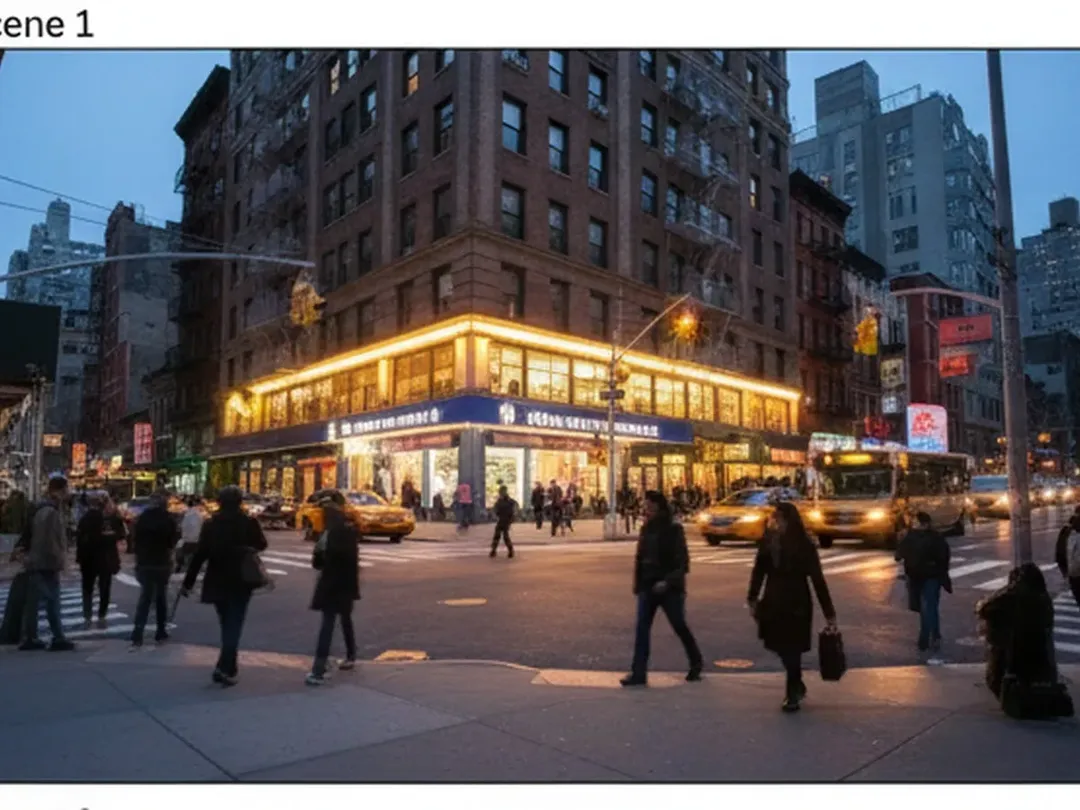
How to find the best Target near me in NYC
A decision-tree guide to choosing the smartest Target near you, not just the closest red dot on the map.
New Yorkers rarely have time to wander around hunting for a big-box store, so when you type “Target near me” into your phone, you want more than a red dot on a map—you want the fastest store to reach from your exact spot, with clear subway and bus options, and a backup plan if the first location is slammed or out of what you need. This guide walks through real-world NYC scenarios in a decision-tree format so you can quickly figure out which Target near you is smartest to visit today, how to get there on public transit, and when it might be worth ordering ahead or rerouting to another branch.
Headed to Target today or this weekend? Save this guide before you go, then open it on your phone as you walk to the train. Use the decision-tree sections that match your situation—starting neighborhood, transit line, and what you’re shopping for—so you can choose the smartest Target near you, not just the closest one on the map.
Step 1: Decide what you actually need from Target
Before you pick a Target near you, clarify your errand: are you grabbing a couple of essentials, doing a full household stock-up, or picking up a specific online order? Target runs in NYC feel different depending on the size and layout of the store—some are compact urban formats focused on basics, others are larger with full home, apparel, and toy sections. Start by listing what you must get today versus what can wait, since that can change which store is worth the trip.
If you’re mainly buying toiletries, snacks, cleaning supplies, or a small household item, choosing the closest urban-format Target can save time even if it’s smaller. If you need a wider assortment—like furniture, larger electronics, or a big grocery haul—favor one of the larger multi-level stores, even if the subway ride is a bit longer. When you’re planning an online order pickup, double-check that the exact store is set as your pickup location in the Target app or on the website before you head out.
Because inventory, hours, and services vary by location and change over time, always confirm the store’s details on Target’s official store locator page or app the same day you plan to visit. That page lists address, hours, and which services (like order pickup or drive-up where available) are offered at each NYC store, and it’s the most reliable source for current information.
Step 2: If you’re already out, start with your nearest subway line
If you’re on the move in NYC—at work, out with friends, or mid-errand—the fastest Target near you is usually the one that sits closest to a subway line you’re already using. Pull up the official MTA subway map or real-time app (like MYmta) and check which line you’re nearest to right now. Then, look for Target stores near stops along that line rather than trying to cross the entire city for one specific branch.
For example, if you’re near the 1/2/3 lines in Manhattan, it may be more efficient to pick a Target near those trains rather than detouring to an entirely different line. Similarly, if you’re in Queens on the E, F, M, or R, choosing a store near those routes often beats crossing boroughs. Use the MTA trip planner or Google Maps layered with the subway to estimate travel time; both draw on MTA’s official service data when you plan your route.
As service patterns can change due to construction, delays, or weekend schedules, it’s important to check current transit information before you go. The MTA’s site and apps share planned work, service changes, and advisories so you don’t get stuck on a line that’s partially suspended or running on an altered timetable. If your regular train has issues, scroll this guide’s sections to find another Target near a more reliable route.
Step 3: Starting from home in Manhattan, Brooklyn, Queens, or the Bronx
When you’re leaving straight from home, you can be a bit more strategic: check the Target app or website to see which neighborhood locations are closest to you, then layer on transit options. If you live in Manhattan, you may have several Midtown or downtown choices; in Brooklyn and Queens, you’re often balancing between mall-based Targets and streetfront urban formats. The store locator lets you search by ZIP code or city and then zoom in to see nearby branches and basic details.
From Manhattan, think in terms of which subway corridors you use most during your week—the east side Lexington/Third Avenue lines, or the west side 7th/8th Avenue corridors—and pick a Target aligned with those. From Brooklyn, look at your nearest trunk lines: the 2/3/4/5, A/C, F/G, N/Q/R, or L. Queens riders often rely on the E/F/M/R lines or the 7. Bronx residents may use the 4, 5, B, D, or 2. The goal is to choose a store you can reach with one train or a simple train-plus-short-bus combo, so your Target run doesn’t turn into a multi-transfer expedition.
If you’re weighing two stores with similar distances, factor in crowd patterns. Some NYC Targets attached to major malls or transit hubs can be extremely busy on weekends and evenings. While there isn’t a single official crowd guide, you can use basic timing logic: big commuter-adjacent locations tend to be bustling after work, while neighborhood-focused branches may be steadier throughout the day. If you can, schedule home-based Target trips for late morning or early afternoon on weekdays, which are often calmer than weeknights and Saturdays. This timing tip is based on typical retail patterns in dense urban areas, not on any one official dataset.
Step 4: If you’re commuting, piggyback on your usual route
If you’re already commuting—say you’re going from home to Midtown or downtown—your best Target near you is often one that sits a short walk from a station on your usual route. Use the MTA’s trip planner tool to map your regular commute, then look up Target locations close to the stops you pass or transfer through. This way, you can turn a commute into a quick errand without detouring far from your path.
For instance, if you get off in central business districts, check whether there’s a Target within a 5–10 minute walk from your office or campus. If your commute includes a transfer at a major hub, you might choose that hub’s area store for your Target run, hopping off one stop earlier or later than usual. The key is to reduce additional transit time: look for stores that match the lines you already ride rather than crossing into a new borough or transfer-heavy route.
When planning commute-based stops, watch service advisories on the MTA app or website. If your usual train has planned construction or late-night changes, anticipate that your errand could take longer. In those cases, consider alternative modes like an MTA bus route that parallels your rail line. The MTA bus network page provides routes, timetables, and stops, so you can see whether a bus might drop you closer to a Target than the subway does for that particular trip.
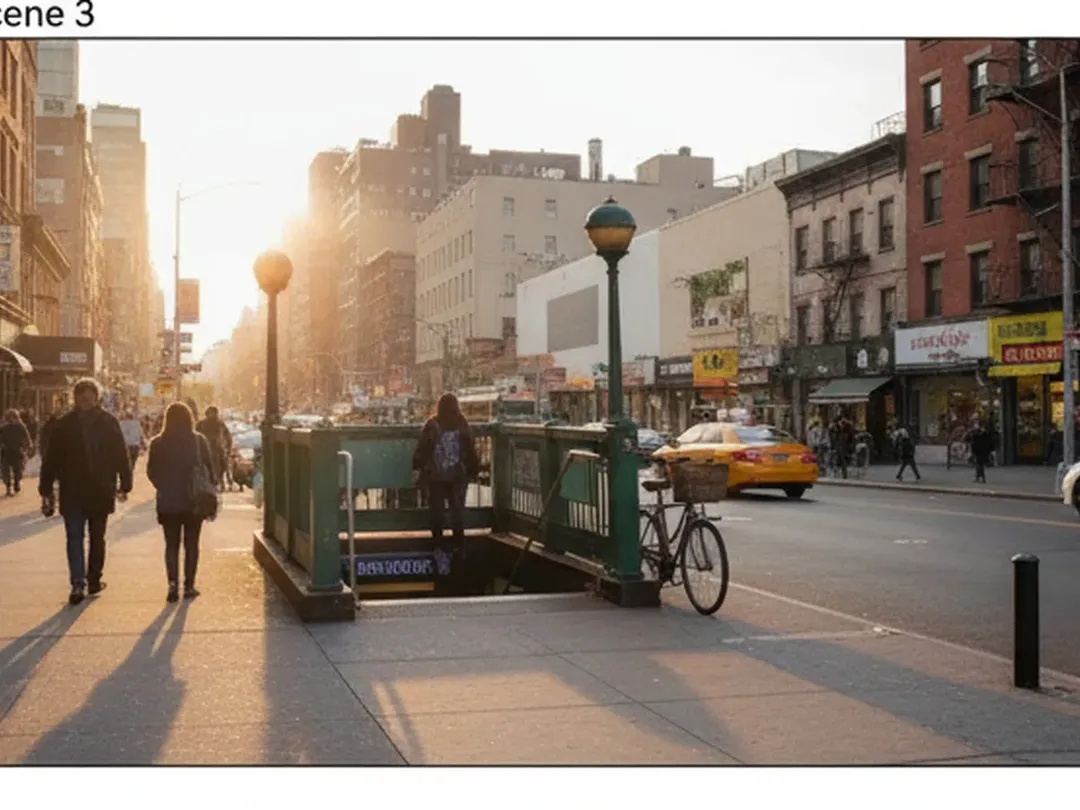
Step 5: If you’re carrying a lot, consider buses, rides, or delivery
Sometimes the nearest Target isn’t the smartest choice if you’re hauling heavy items home. In that case, your decision tree should consider both the trip to the store and the trip back. For heavier runs—bulk household goods, larger home items, or multiple bags—see whether a Target near an MTA bus route that stops close to your building might be more practical than one that requires stairs or long walks from the subway. The official MTA bus page and trip planner will show you nearby routes and how close they get to your block.
If you expect to leave with big or heavy items and don’t want to rely solely on transit, you can also plan to use a for-hire vehicle service for the return leg. In NYC, regulated taxis and for-hire vehicles operate under rules set by the Taxi & Limousine Commission (TLC), which provides information on metered fares, trip rules, and safety requirements. You can take transit to Target, then call or app-book a ride home from the store entrance if you’re weighted down with bags.
For some Target runs, especially large household, furniture, or electronics purchases, it may be easier not to carry things at all. Target offers same-day delivery and shipping options in many areas, though exact services, fees, and availability vary by store and date. Before you commit to a big in-person haul, check the Target website or app for delivery options from your preferred NYC location and read the current terms for fees, timing, and coverage. That way you can weigh a quick in-person essentials trip against a scheduled delivery for bulkier items.
Step 6: Verify store details and create a backup plan
Even once you’ve picked the Target near you that makes the most sense, treat the plan as flexible. NYC stores can change hours, add or remove services, or temporarily close sections for remodeling or maintenance. Use Target’s official store locator page to confirm today’s hours, service offerings (like order pickup or returns), and any posted notices about temporary changes at that specific branch. Don’t rely on old screenshots or third-party listings, since those can lag behind real-time updates.
Because NYC transit and store conditions can shift unexpectedly—think service disruptions, unplanned closures, or crowd surges—build a simple backup into your decision tree. Identify one alternate Target on a different line or bus route that you could reach if your first choice is unexpectedly unavailable or packed. Use the MTA website or app to check service on both routes right before you go so you can pivot if needed.
Finally, remember that all detailed information about Target locations, hours, services, and policies comes directly from Target’s official channels, and transit details come from MTA sources. Those can change with little notice, especially across seasons or years, so always re-check the Target app or website and MTA resources on the day of your trip rather than relying on older information from 2025 or earlier. This ensures your local plan reflects 2026 realities rather than outdated schedules or store configurations.
Step 7: Weekend and seasonal timing for smoother Target runs
When you’re choosing a Target near you specifically for weekends or seasonal errands—think back-to-school shopping or holiday decor—timing becomes part of the decision tree. Big-box stores in NYC often see their heaviest traffic on Saturday and Sunday afternoons, and during major shopping periods like late August/early September and December. While there isn’t a single official crowd calendar for Target, these patterns match broader retail behavior seen across large urban centers and transit-linked shopping districts.
For weekend Target trips, aim for earlier hours if your schedule allows—typically opening time through late morning—so you can move through aisles and checkout faster. When planning seasonal runs, consider splitting your shopping into two smaller visits, or using order pickup where available for the most sought-after items, to reduce time inside a busy store. Check Target’s location pages for any seasonal service notes, such as extended holiday hours or special pickup areas, and verify against current details in 2026 rather than relying on older seasonal schedules from previous years.
If your Target run is part of a broader day out—like pairing errands with summer events or weekday plans—coordinate with the city’s larger activity patterns. NYC often has major events, parades, or street closures that can impact transit and traffic, especially around hubs and popular neighborhoods. When in doubt, scan city or MTA advisories to ensure your chosen Target route doesn’t pass through areas with significant disruptions that day. This extra step keeps your “near me” choice truly convenient instead of accidentally stressful.
Tags: #neighborhoodguides #nyctransit #shopping #errands #target #bigbox #tripplanning #commuting #NYC #KarpoFinds #AskKarpo
All trademarks are the property of their respective owners.
Ask Karpo first
Not sure which Target makes the most sense for your commute, your budget, or your schedule—or want backup options if one store is packed? Tell Karpo where you’re starting from, how you’re getting around, and what you need to buy, and we’ll map out a personalized Target run with transit directions, timing tips, and nearby alternatives so your errand is done in one efficient loop.
Ask Karpo for more information.
Keep reading
- Mediterranean Food Near Me in Fort Greene: Miss Ada's Garden and Hummus
 Places To Eat Near Me in Chelsea: The Market Fills a Nabisco Factory
 Seafood Near Me in the East Village: The Mermaid Inn's Dollar Oysters