Buying last-minute tickets for concerts in San Francisco feels like luck and is mostly timing. Inventory in this city moves in a pattern that repeats across almost every venue: a chunk of held seats gets released a few days out, a second chunk appears on the afternoon of the show, and resale prices for anything short of a genuine sell-out fall as the door time approaches. If you know the shape of that curve, you rarely need to pay the panic price.
Same-day releases and door policies are venue-specific and change often. Ask Karpo which shows near you still have room tonight.
Where the extra tickets come from
Three sources, in rough order of size. Production holds are the largest — seats reserved for the artist, the label, the promoter and the crew, released back to general sale once the touring party finalises its list. That usually happens between seventy-two and twenty-four hours before doors, and those seats are frequently better than anything that was on sale originally.
Venue holds are the second: seats kept back for accessibility, sightline problems or production requirements that turn out not to be needed. These trickle out on the day. Resale is the third and the noisiest, and it is the one people check first even though it is the most expensive of the three.
The daily rhythm
For an evening show, the useful hours are late morning and then again between four and six in the afternoon. Late morning is when holds tend to get processed. Late afternoon is when individual sellers with two tickets and a schedule conflict finally accept they are not going, which is also when resale prices in this city start dropping fastest.
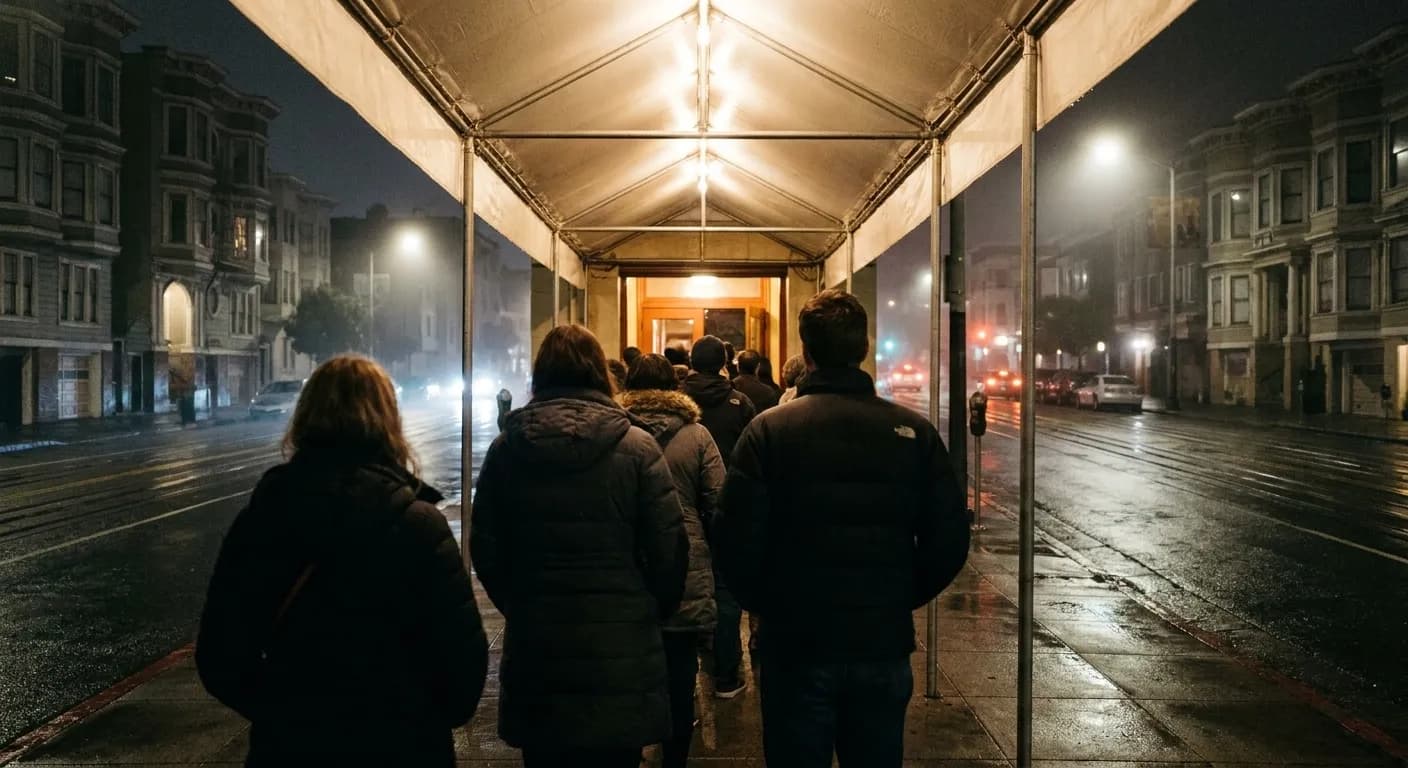
The final hour is a gamble in both directions. Prices can collapse below face value for a half-full room, or spike if a show is genuinely full and a handful of desperate buyers are bidding against each other. For a mid-size club show, waiting is usually right. For anything at the arena with a hometown act on the bill, it is not.
Door tickets are underrated here
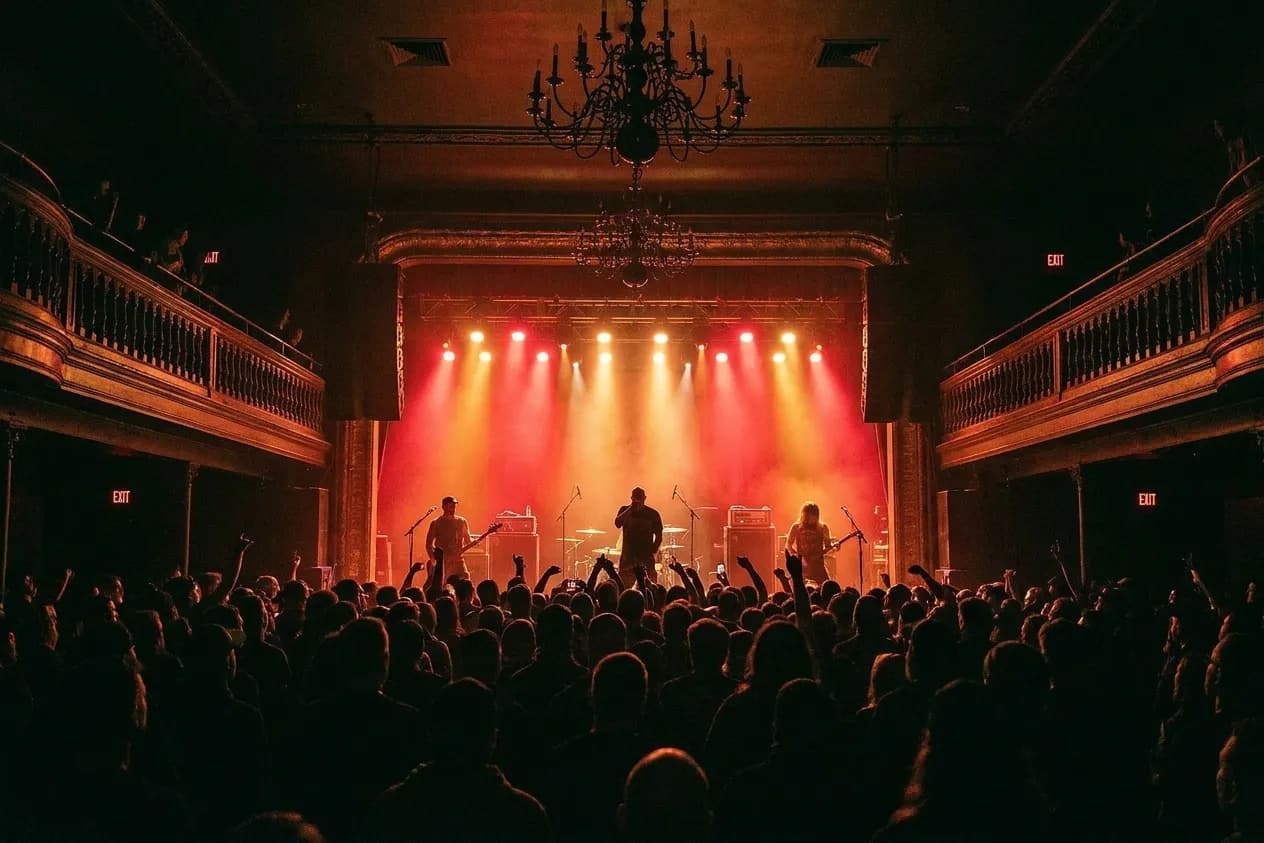
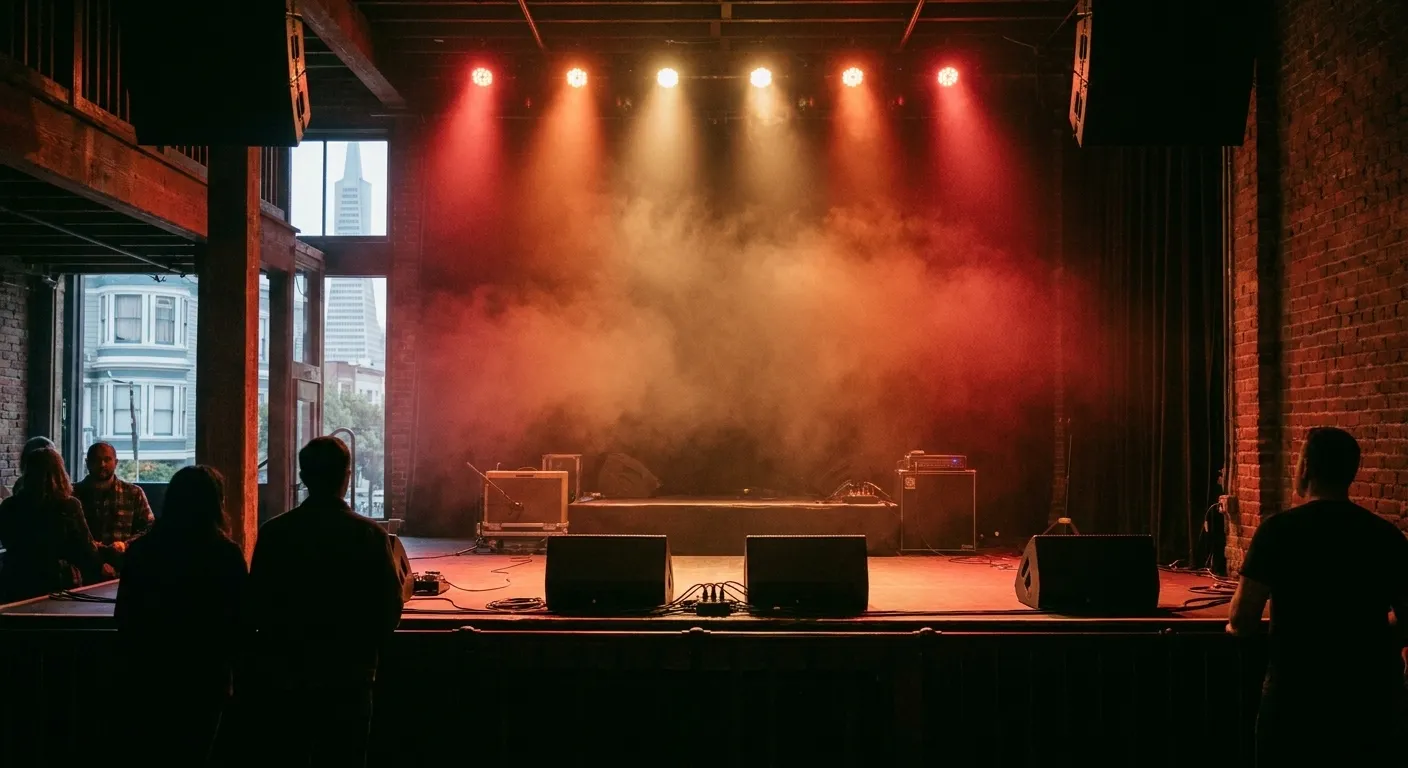
San Francisco's small and mid-size rooms — the two hundred to eight hundred capacity tier that carries most of the interesting programming in this city — very often hold tickets for the door, and almost never advertise it. Advance sales showing as sold out does not reliably mean the room is full, particularly midweek. Turning up twenty minutes before doors and asking is a legitimate strategy that works more often than the internet suggests.
The related habit is checking whether a show is all-ages or twenty-one-plus. Age-restricted shows in this city routinely have more late availability, because a chunk of the audience that bought early cannot use the ticket. That is a small effect, but it is consistent.
The support-act arbitrage
Ticket prices are set by the headliner and the room, not by the strength of the bill. A three-band night at a club where the opener is the act you actually want to see costs the same as one where they are on last, which means the cheapest good live music in the city is frequently a support slot on a night you would otherwise ignore. Reading the full bill rather than the headline is the single highest-yield habit for anyone going to a lot of shows here.
Doors at seven usually means the first act plays at eight and the room is half empty for them. If the opener is the draw, that is the best value in live music available anywhere in San Francisco, and you can be home by ten.
Free and near-free options that fill the gap
When nothing works out, the fallback tier in this city is unusually strong. Record shops run free in-store performances with real touring acts. Several bars have long-running weekly residencies with no cover and a two-drink expectation. Conservatory and university recital halls put on free concerts at a technical level most people would happily pay for. None of these are consolation prizes so much as a parallel scene that runs on a different economy.
The main constraint is that they are announced on the venue's own channels rather than aggregated anywhere useful, so they reward checking a handful of specific sources rather than searching broadly.
The fees are the other half of the price
The fee structure is worth understanding before you compare prices. A twenty-five dollar club ticket in San Francisco routinely settles above thirty-two once service and facility charges are applied, and those charges vary by platform rather than by venue. Buying directly from the venue's own box office — in person, during the day, at several of the independent rooms — sidesteps most of them, which is a meaningful saving on a cheap ticket and a large one on an expensive one.
This also affects the resale calculation. A listing at ten dollars below face is not below face once the resale platform's own fees land, and the displayed price is frequently not the price at checkout. Comparing the final total rather than the headline figure removes most of the apparent bargains and leaves the real ones.
What not to do
Do not buy from the first resale listing you see at eleven in the morning on the day of a show, which is the single most expensive moment of the whole cycle. Do not assume sold out means sold out at a club. Do not buy paper tickets from someone outside the venue in this city, where the counterfeit rate is high enough that most rooms will not honour them. And do not pay a premium for a general-admission standing ticket that is identical to every other general-admission standing ticket in the building — position in that room is determined by when you arrive, not by what you paid.
Tags: #SanFrancisco #ConcertsSF #LiveMusicSF #LastMinuteTickets #SFMusic #GigsSF #TicketTips #SFNightlife #ThingsToDoSF #BayArea #MusicVenues #SFShows #CheapTickets
All trademarks are the property of their respective owners.
Ask Karpo first
Ask Karpo which concerts near you in San Francisco still have tickets tonight, what the door policy is, and whether the support act is worth arriving early for.