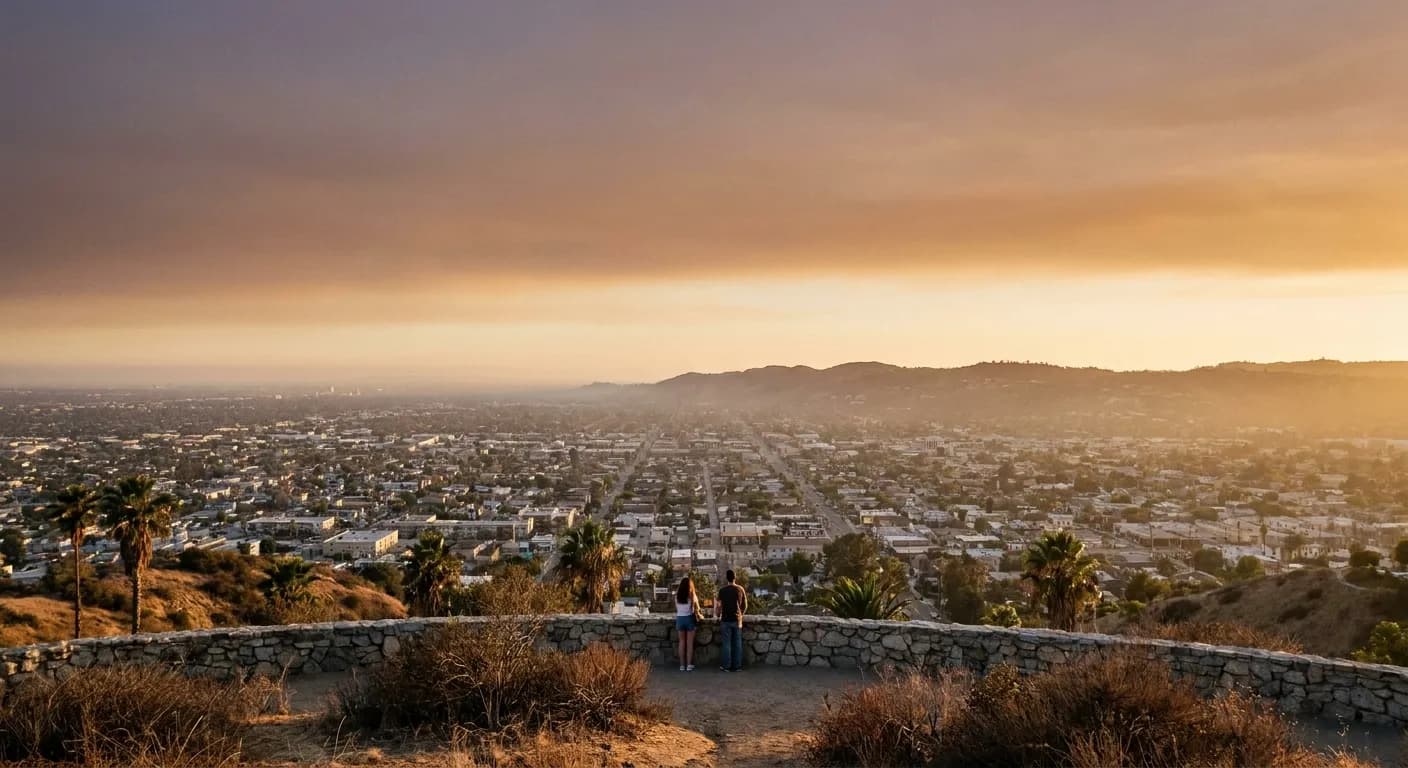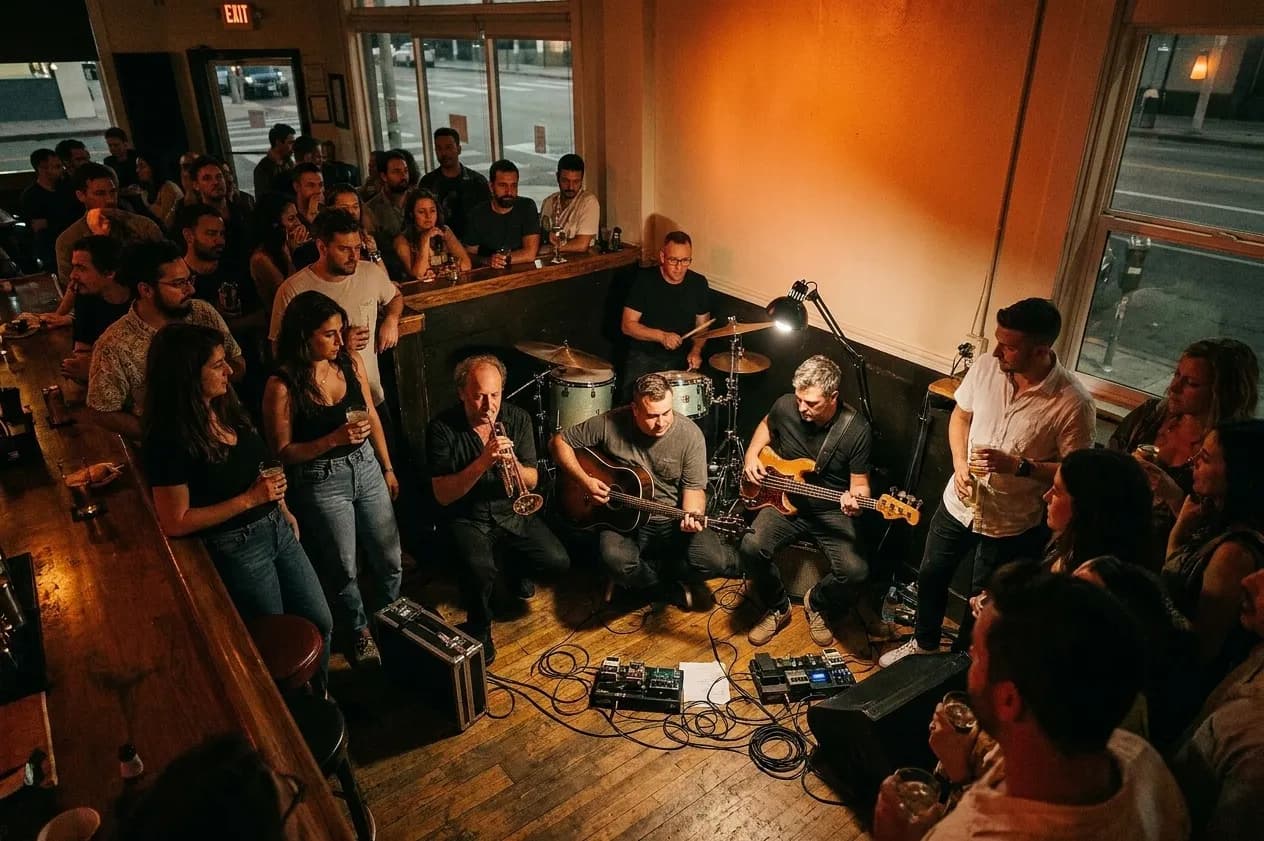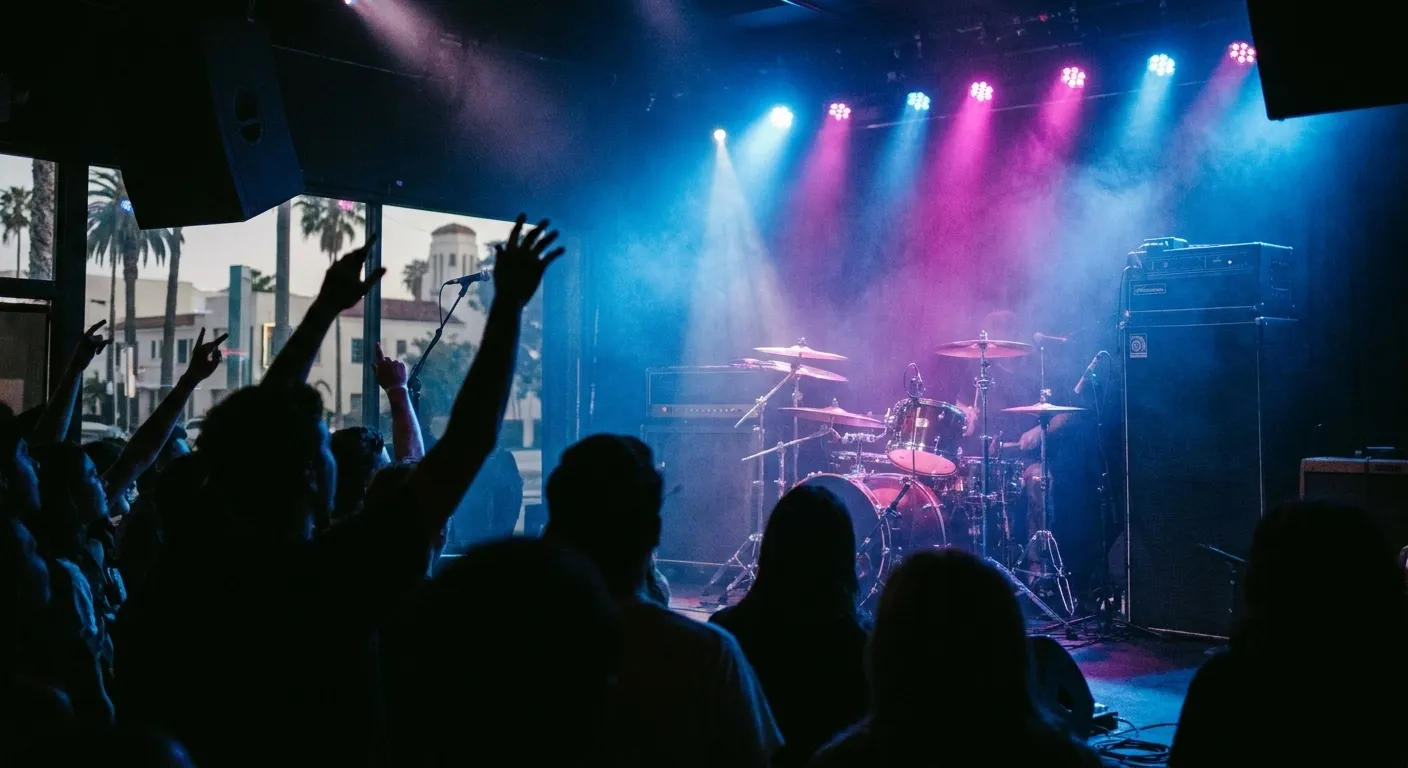
Los Angeles books more live music per night than any city in the country outside New York, and the audience does not scale with the supply. That imbalance is why last-minute tickets for concerts in Los Angeles are so much easier to get than the equivalent in a smaller market — on any given Tuesday there are forty shows competing for the same people, and most of the rooms are not full.
Day-of inventory and door policies move fast and vary by venue. Ask Karpo which shows near you still have tickets tonight.
Where day-of tickets come from
Production and artist holds are the biggest source. Every show reserves seats for the touring party, the label and the promoter, and the unused portion goes back on sale between three days and a few hours before doors. Those releases are not announced and they land at unpredictable times, which is why checking twice on the day beats checking once a week earlier.
Venue holds — accessibility seats, production kills, sightline seats — release on the day itself. And resale is the third source: the noisiest, the most expensive if you buy at the wrong moment, and the cheapest if you buy at the right one.
The daily price curve
For a show that is not genuinely sold out, resale prices in this city peak around midday and fall through the afternoon, with the steepest drop between four and six as people accept they are not making the drive. On the freeways here, a seven-thirty door time means leaving at six, and six o'clock is when a lot of listings suddenly get realistic.
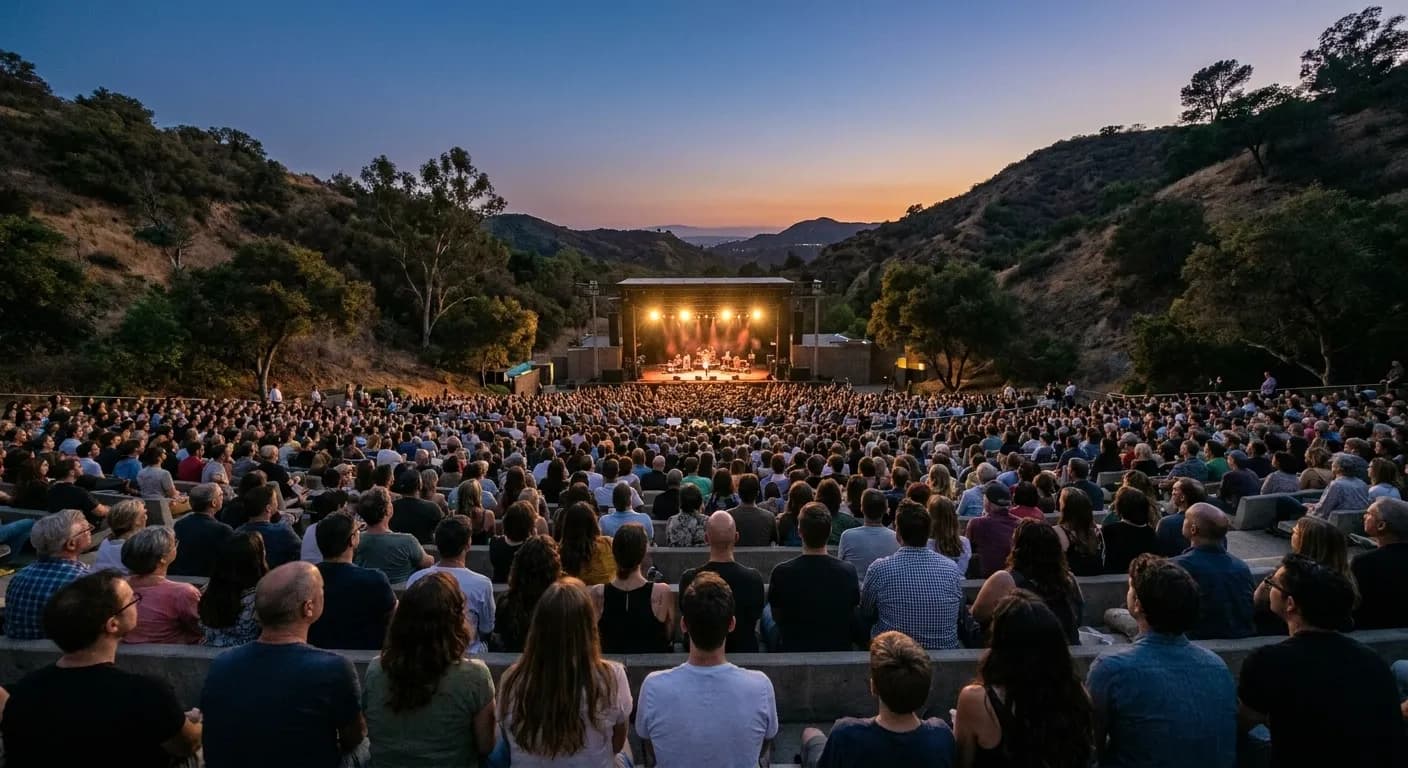
The final hour is where the biggest discounts appear and where the risk sits. For a half-full club show, a ticket at eight in the evening can be a third of face value. For a stadium headliner, waiting that long means paying more or not going. The distinction is whether the event is capacity-constrained, and in Los Angeles most are not.
Door tickets and the mid-size rooms
The city's two-hundred to twelve-hundred-capacity venues are the sweet spot, and many of them hold tickets for the door as a matter of course. Advance sales listed as sold out frequently does not mean the room is at capacity, particularly midweek. Turning up half an hour before doors and asking is a real strategy here, and the cost of a failed attempt is a wasted drive rather than a wasted evening if you pick a venue in a neighbourhood with other options.
This works far better in Los Angeles than in dense cities precisely because the audience is spread across a huge area and a meaningful share of ticket holders simply do not make it across town.
The support-slot arbitrage
Ticket prices are set by the headliner. If the opener is the act you actually want, you pay headliner prices for what is effectively a cheap show — but the same logic runs in reverse and is more useful: the best value live music in this city is a three-band bill where the openers are strong and the ticket is twenty dollars because the headliner is mid-tier.
Doors at eight generally means the first act plays at nine. Arriving for the openers in a half-empty room, with the bar free and a clear view, is a materially better experience than arriving at ten for the headliner, and it costs the same.
The free and cheap parallel scene
When nothing works out, this city has an unusually deep no-cover tier. Bars across Downtown, Culver City, Highland Park and the east side run weekly residencies with no cover and sometimes a two-drink minimum. Record shops run free in-store sets. Public radio and civic organisations programme free outdoor concert series through the summer months at parks and plazas across the county.
Those are not fallbacks so much as a separate scene running on a different economy, and the standard of musicianship in the residency tier here is very high because there are more excellent working musicians in Los Angeles than there are paid slots for them.
Practical constraints particular to this city
Parking is a real cost and frequently exceeds the price of a cheap ticket — twenty-five to fifty dollars at the larger venues, sometimes more. Factor it in before congratulating yourself on a bargain, and check whether the venue is on a rail line, because several of the major ones are and it changes the economics of the evening entirely.
Drive time is the other. A show fifteen miles away is forty-five minutes at seven in the evening and twenty at ten. If you are deciding between two shows on the day, the closer one is almost always the better choice, because an hour in traffic before a gig degrades the gig.
What not to do
Do not buy at midday on the day of a show. Do not treat sold out at a club as final. Do not pay a premium for general admission standing, which is identical to all other general admission standing and determined entirely by when you arrive. And do not buy from someone in the car park — counterfeit rates at the larger Los Angeles venues are high and most will not honour a bad ticket.
The general principle, which holds across this city better than anywhere else: supply is abundant, demand is fragmented across forty miles, and patience is rewarded. Buying early in Los Angeles is for the small number of events that genuinely sell out, and everything else is a buyer's market if you wait until six o'clock.
Tags: #LosAngeles #ConcertsLA #LiveMusicLA #LastMinuteTickets #LAMusic #GigsLA #TicketTips #ThingsToDoLA #SoCal #MusicVenues #Residency #CheapTickets #LANightlife
All trademarks are the property of their respective owners.
Ask Karpo first
Ask Karpo which concerts near you in Los Angeles still have tickets tonight, what parking costs at the venue, and when doors open.