 Fast Food Near Me in the East Village: Crif Dogs Deep-Fries Its Franks
Free Things to Do
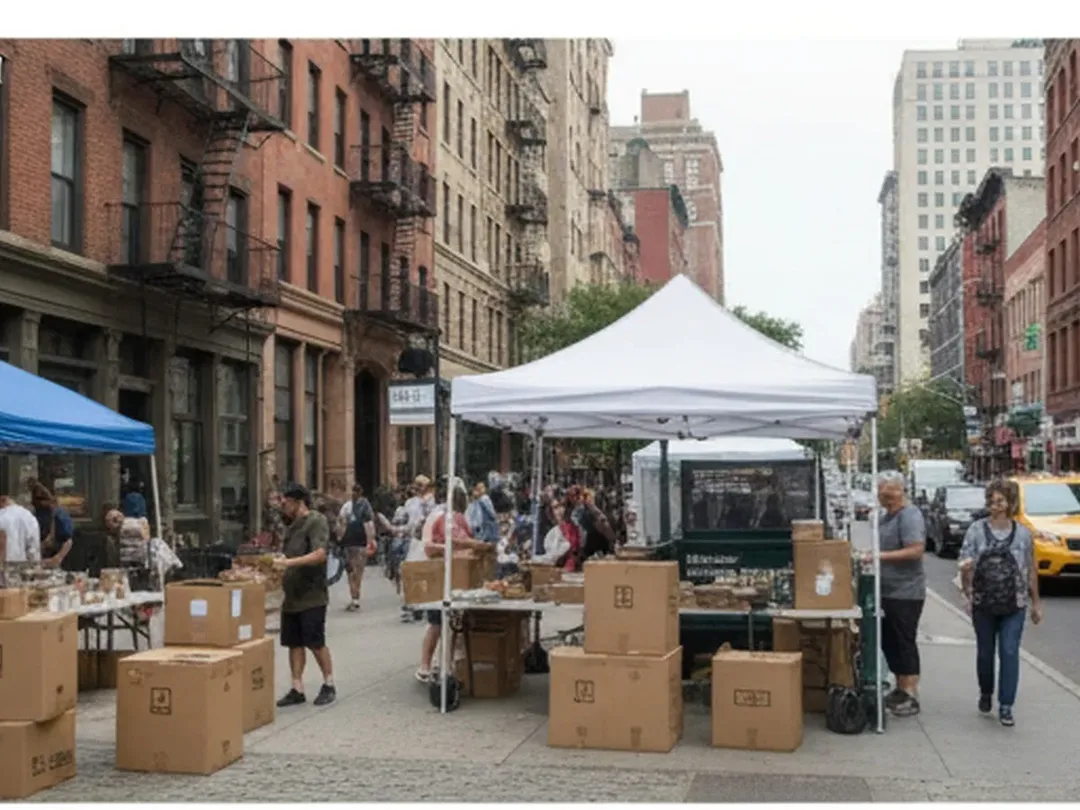
How to Donate in NYC: Charities, Causes, and Smart Ways
A practical NYC guide to money, time, goods, and skills
New Yorkers have no shortage of ways to help, but the best donation is usually the one that matches a real need, not just a good intention. In NYC, that can mean giving cash to a neighborhood nonprofit, volunteering a Saturday, dropping off approved goods, or using city programs that connect residents with food, clothing, and shelter support.
If you want to give quickly, save this guide and use it as a 2026 NYC donation checklist: pick one cause, confirm what it needs today, check transit access, and then donate by money, items, or time.
Myth vs. reality: any donation helps equally
Myth: every donation is interchangeable. Reality: charities often need specific kinds of support at specific moments, and cash is usually the most flexible because organizations can buy exactly what is missing, pay rent, or cover staffing and transport costs. The NYC Service Volunteer Guide explains that volunteers and donors should match their support to the organization’s current needs, not assume all items or hours have equal value.
Myth: if a place accepts donations, it needs all donations all the time. Reality: many nonprofits pause item drives when storage is full or when sorting becomes a burden. Before you travel across the city with bags of clothing or household goods, verify the group’s current wish list, intake rules, and hours on its official site or social channels, since these change often.
Donate money when you want the biggest impact
If your goal is speed and flexibility, donating money is usually the most effective route. Official NYC nonprofit pages commonly let you give online, set up recurring support, or sponsor a program area, which can be especially useful for organizations serving food insecurity, housing, immigration, or youth services. Because it is the most adaptable form of support, cash is also the easiest to give from anywhere in the city, even when transit or timing makes drop-offs difficult.
For accountability, look for a clear mission statement, a published mailing address, leadership or board information, and a donation page that explains how funds are used. For tax questions, the IRS says donors should keep records of charitable contributions and verify that an organization qualifies for tax-deductible giving if that matters to them. If you are comparing groups, save the one that updates its needs most clearly and offers a receipt immediately after donating.
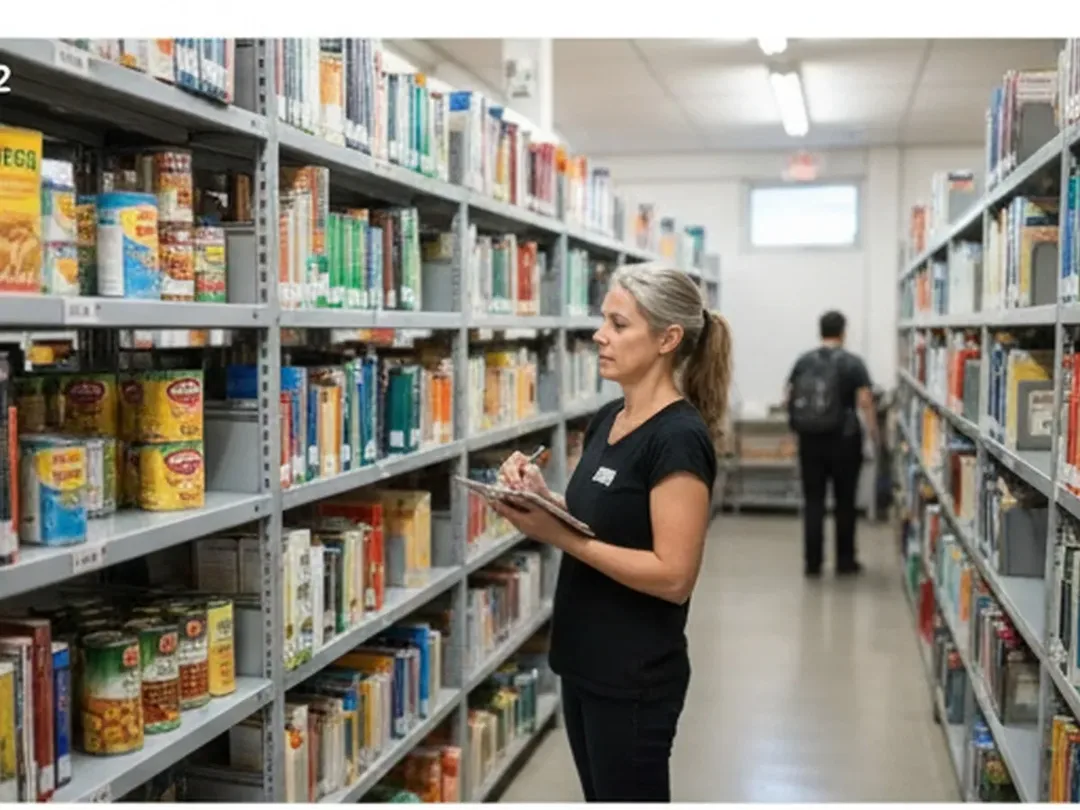
Volunteer your time, but check the real schedule first
Myth: volunteering is just showing up. Reality: most NYC nonprofits require advance sign-up, orientation, age minimums, or specific shifts because staff need reliable coverage. NYC Service and many local organizations direct volunteers to register first and wait for confirmation, especially for group projects, food distribution, or seasonal events.
For busy adults, the most realistic options are usually short shifts near a subway line, recurring weekly roles, or one-off events that fit after work or on weekends. When you compare opportunities, check the exact start time, expected duration, whether training is required, and whether the site is accessible by transit. If you cannot commit regularly, choose a one-time service day rather than promising recurring help you may not be able to keep.
Give goods only when the organization specifically wants them
Clothing, books, toiletries, and household items are common donation ideas, but they are also the easiest to misdirect. A group may need winter coats, baby supplies, or unopened hygiene products while being unable to store used furniture or mixed bags. Many NYC nonprofits publish donation lists because sorting unwanted items costs time and money that could go toward direct services.
Before you pack anything, verify condition standards, whether items must be new or sealed, and whether there are item limits per visit. Plan your trip around subway or bus access if you are carrying boxes, and check whether the donation site has loading rules, curbside drop-off windows, or appointment-only intake. If the logistics look complicated, money or a volunteer shift may be the better donation.
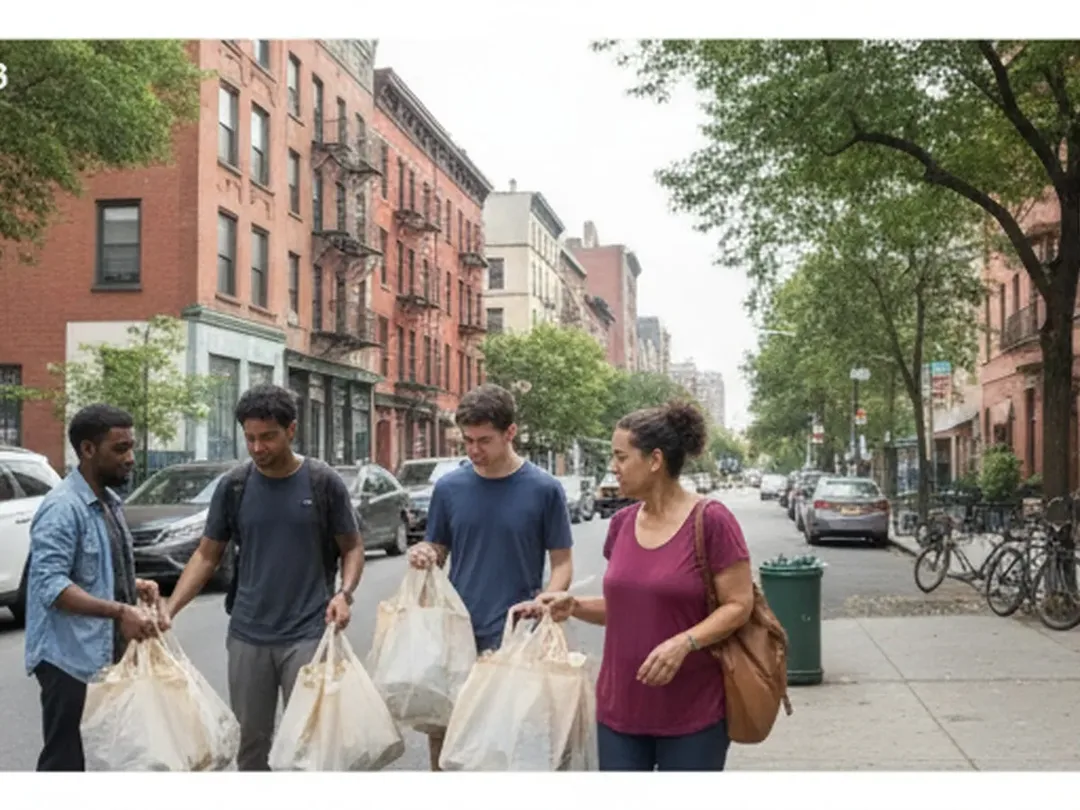
Use city and nonprofit navigation tools to find the right cause
Myth: you have to already know a charity to help. Reality: NYC has public-facing tools that make it easier to find opportunities and local support networks. NYC Service lists volunteering pathways across the five boroughs, and the city also maintains service pages that help residents connect with food, housing, and community support resources.
A smart way to search is by neighborhood and cause at the same time: for example, a pantry in Upper Manhattan, a literacy program in Brooklyn, or an environmental cleanup in Queens. That approach reduces travel time and increases the chance you will actually follow through. It also makes it easier to share a specific opportunity with friends instead of forwarding a vague call for help.
Donating in NYC means planning around transit and timing
In New York, convenience matters. A donation plan that requires two transfers and a long walk may never happen, so map the destination against your commute, a weekend errand route, or a station you already use. If you are bringing items, consider whether the group is close to a subway stop, whether the drop-off window is during office hours, and whether you will need a car service or cart for anything bulky.
Timing matters in another way too: nonprofits often see spikes around holidays, back-to-school season, winter weather, and emergency appeals. When demand rises, the same organization may need money more than goods, or volunteers more than both. Recheck the official page before you go, because donation rules, intake hours, and appointment policies can change without much notice.
When you cannot donate now, there is still a useful backup
If you do not have money, time, or items to give today, there are still practical ways to support NYC charities. You can share a verified donation page, sign up for a future volunteer shift, ask your workplace about matching gifts, or save a trusted organization for the next pay period. Small, repeatable actions often matter more than one impulsive effort that never happens again.
Myth: support only counts if it is immediate. Reality: a planned monthly gift, a recurring volunteer slot, or a well-timed item drop-off can be more valuable than a rushed one-time decision. If you are unsure where to start, pick one cause, one borough, and one form of support, then verify the details on the organization’s official page before you commit.
Tags: #donate #NYCcharities #volunteerNYC #communitysupport #freethingstodo #nonprofits #boroughs #giving #NYC #KarpoFinds #AskKarpo
Sources consulted: NYC Service · IRS: Charitable Contributions · NYC.gov donation and volunteer resources
All trademarks are the property of their respective owners.
Ask Karpo first
Ask Karpo first when you want a donation plan that fits your neighborhood, budget, and schedule. Karpo can help you choose between giving money, time, goods, or skills, then narrow options to NYC charities and community groups that are easy to verify, easy to reach by transit, and realistic to support in 2026.
Ask Karpo for more information.
Keep reading
- Fast Food Near Me in the East Village: Crif Dogs Deep-Fries Its Franks
 Things To Do Near Me in NYC: Riding the Roosevelt Island Tram
 Things To Do Near Me in Washington Heights: The Cloisters' Medieval Galleries