 Fast Food Near Me in the East Village: Crif Dogs Deep-Fries Its Franks
Free Things to Do
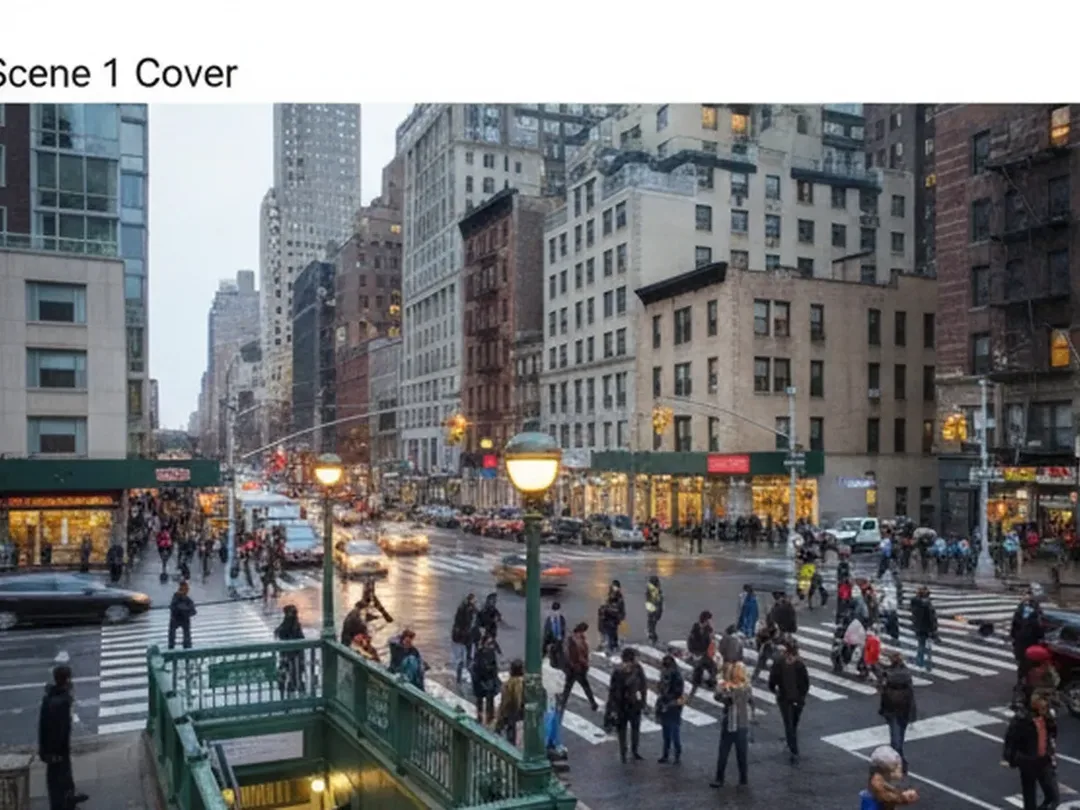
How Section 8 housing works in NYC and where to start
A situation-based decision tree for navigating vouchers, waitlists, and backup options in New York City.
Section 8 housing in New York City helps eligible low-income renters afford safe apartments, but the rules, agencies, and waitlists can feel overwhelming when you first start researching. As of 2026, many lists remain closed and policies have shifted from earlier years, so it’s important to understand which program you might qualify for, how NYC Housing Authority (NYCHA) and NYC Housing Preservation and Development (HPD) share responsibilities, and how to navigate the process whether you’re just exploring options or already on a waitlist. This guide uses a simple decision-tree structure based on your current situation, so you can quickly see where to go next, what to verify on official sites, and which free resources in NYC can help you with applications and housing questions.
If housing costs are stretching your budget, don’t wait until it’s an emergency to learn how Section 8 works. Use this guide to figure out which agency handles your situation, then tap through to the official NYC and federal pages to confirm current rules, openings, and deadlines. Save the links you need today, and share this with friends or neighbors who could benefit—getting informed early can make future applications smoother.
Start here: what Section 8 means in NYC today
In NYC, “Section 8 housing” usually refers to the Housing Choice Voucher Program, where a public agency pays part of your rent directly to a private landlord and you pay the rest based on your income. The program is funded by the U.S. Department of Housing and Urban Development (HUD) and administered locally by NYCHA and HPD. Unlike public housing, you can use a voucher with eligible private apartments if the landlord agrees to participate and the rent meets program limits.
Two main agencies run vouchers in NYC. NYCHA (New York City Housing Authority) manages one of the largest Section 8 programs in the country and also runs public housing. HPD (Department of Housing Preservation and Development) manages its own Section 8 program and also oversees many affordable housing lotteries and developments. Both follow HUD rules but may have different waitlists, procedures, and deadlines, so it matters which agency you’re working with.
Because federal funding is limited and demand in NYC is extremely high, most Section 8 waitlists are often closed for new applications. Lists open only occasionally, usually for a brief period with online applications and strict deadlines. Any 2025 application window you see mentioned online is now historical—always recheck NYCHA and HPD’s official websites for current 2026 status before planning next steps.
Decision point 1: Are you starting from zero?
If you’ve never applied for Section 8 or other NYC affordable housing, start by confirming whether vouchers are currently open or closed. NYCHA’s Section 8 page explains how its program works and provides status updates on whether new applications are being accepted, while HPD’s Housing Choice Voucher page does the same for its program. Many years, both agencies have closed waiting lists, meaning you can’t submit a new Section 8 application and must instead explore other affordable housing options.
When voucher lists are closed, your next path in the decision tree is toward alternative affordable housing programs. HPD’s Housing Connect platform hosts lotteries for income-restricted apartments in new and renovated buildings across NYC. You create an online profile, enter household information and income, and then apply to specific buildings when lotteries are open. Although this is not Section 8, monthly rents are reduced compared with market-rate apartments and can be an important backup strategy if vouchers aren’t available.
If you’re just starting out and need general guidance, NYC Housing Connect and NYCHA’s main site both offer information in multiple languages, and HUD’s housing counseling search tool can help you find free or low-cost housing counselors in NYC. These counselors can explain Section 8 basics, help you understand your rights as a tenant, and review your paperwork for future applications. Since policies and rents change over time, save official pages and check them regularly rather than relying on old posts or outdated articles.
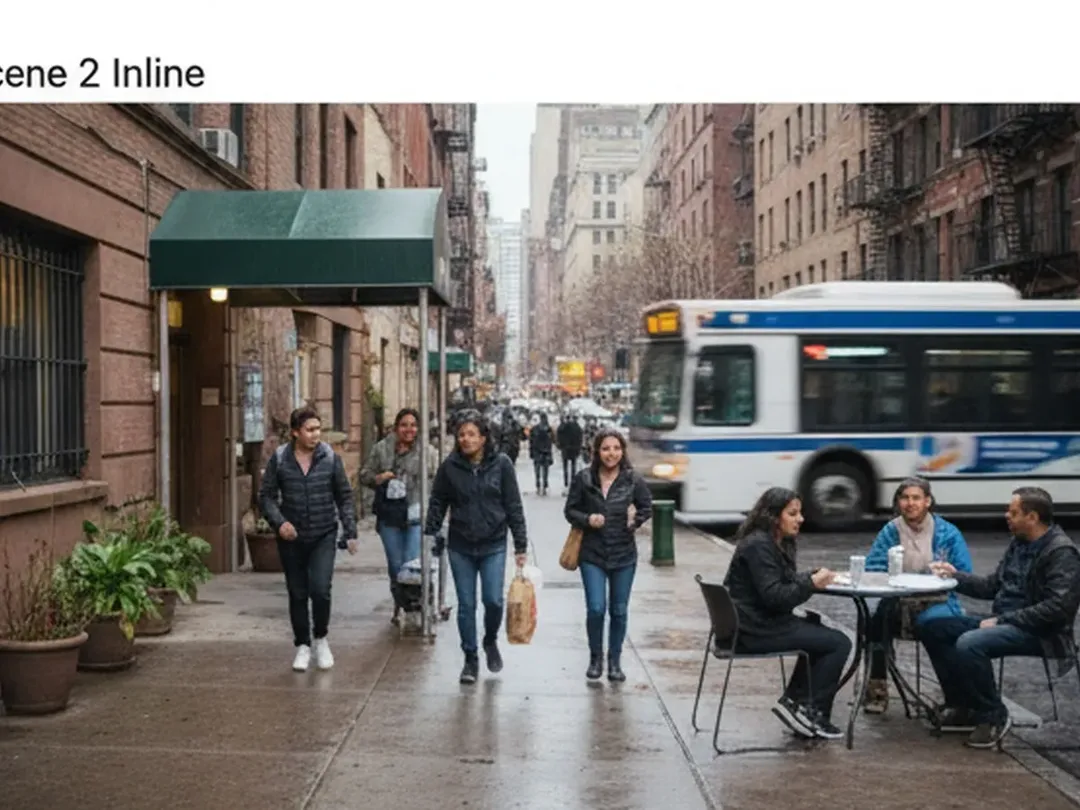
Decision point 2: Already on a Section 8 waitlist
If you’ve previously applied and believe you’re on a NYCHA or HPD Section 8 waitlist, your next step is to verify your status directly with the agency. NYCHA provides online tools for voucher holders and applicants, including information on how to update your contact information and how to respond to notices. HPD offers similar resources, and both agencies emphasize that you must keep your address, phone, and email current or risk missing critical letters or emails.
Wait times for Section 8 in NYC can be long—often several years—and being on the list does not guarantee you will receive a voucher. HUD explains that availability depends on federal funding levels and local demand. If your situation changes while you wait (for example, your household size or income), you typically need to report those changes to the agency according to its instructions. Failing to respond to notices by listed deadlines may lead to removal from the waitlist, so checking mail and email regularly is essential.
While you wait, consider stacking other affordable housing options. You can use HPD Housing Connect to apply for new lotteries as they open, and you can search for NYC rental assistance or emergency help if your situation becomes unstable. Many nonprofit organizations in NYC, including Legal Aid and neighborhood housing groups, offer workshops on tenant rights and assistance with forms. Because local offerings can change, it’s best to search through NYC’s official resources and large citywide nonprofits for current programs rather than relying on older neighborhood flyers or posts.
Decision point 3: Are you in a housing crisis?
If you’re facing eviction, have recently become homeless, or are in an unsafe living situation, the decision tree shifts from long-term voucher planning to immediate emergency help. NYC’s Department of Social Services (DSS) and Department of Homeless Services (DHS) coordinate shelter access and emergency assistance. You can find current guidance on how to access shelters, obtain emergency rental aid, and connect with caseworkers through the city’s official homelessness and housing stability pages.
Emergency help is different from Section 8: it may include short-term rental assistance, shelter placement, or rapid rehousing programs, depending on your situation and eligibility. DSS and DHS stress that people experiencing domestic violence, medical crises, or sudden loss of housing should reach out immediately rather than waiting for voucher lists to reopen. These agencies, along with contracted nonprofits, can help you explore whether you qualify later for longer-term programs such as public housing or vouchers, but the priority in a crisis is safety and stability.
If you’re already connected with a shelter or caseworker, ask explicitly about how Section 8 fits into your long-term plan. Caseworkers often help with documenting income, collecting identification, and connecting you with legal services that can be useful for future housing applications. As policies and program offerings evolve, they will rely on current city guidance and HUD rules; always ask which official websites to bookmark so you can independently verify deadlines and eligibility in 2026 and beyond.
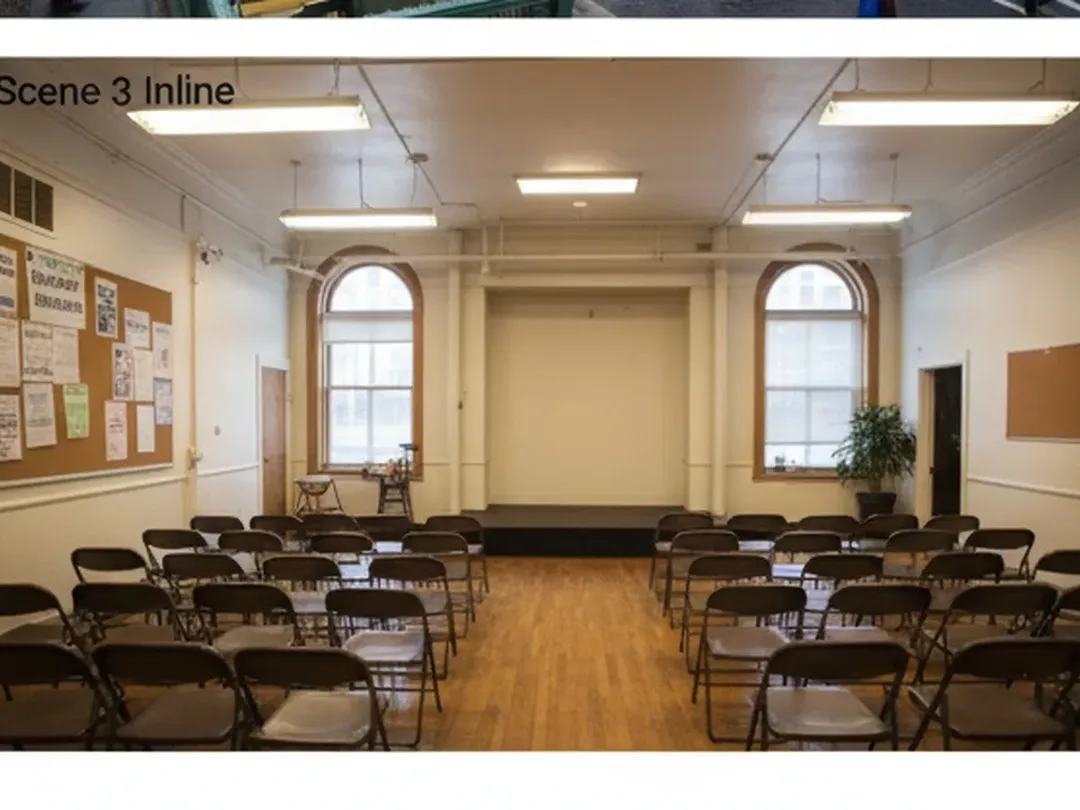
Decision point 4: Living outside NYC or moving here
If you live outside NYC and are thinking about moving here, your Section 8 path depends on whether you already have a voucher from another housing authority. HUD allows “portability,” meaning some voucher holders can move from one jurisdiction to another, but the rules are detailed and must be coordinated between your current housing authority and the new one. NYCHA and HPD both provide information on how they handle incoming and outgoing portability requests, including deadlines and documentation requirements.
If you do not already have a voucher, you generally cannot apply to NYC’s Section 8 program from outside the city when lists are closed. Instead, HUD recommends applying in your current area if its housing authority is accepting new Section 8 applications. You can use HUD’s online tools to locate local public housing agencies, check if their lists are open, and learn their application processes. Remember that any references you see to earlier application periods, including 2025, are not valid for current planning; always verify status directly on official sites in 2026.
For people planning a move, the safer decision-tree path is to secure stable housing first—either with a voucher in your current location or through regular rentals—before relocating. NYC’s high rents can make arriving without a plan risky. NYC tourism and relocation resources highlight typical cost-of-living issues, and while they don’t handle Section 8 directly, they can give context for what to expect when you budget for housing. Pair that general cost-of-living information with HUD and local housing authority guidance so your move doesn’t depend on future assumptions about NYC vouchers opening soon.
How to prepare for any future Section 8 application
Even if no Section 8 list is open right now, you can prepare in advance so you’re ready when opportunities arise. HUD and NYC agencies consistently ask for basic documents: government-issued ID, Social Security numbers (where applicable), proof of income (pay stubs, benefit letters), and information on your current rent and household members. Keeping these organized in a safe folder—both physical and digital—can make later applications faster and less stressful.
Next, get familiar with online portals used by NYC housing agencies. HPD’s Housing Connect requires an account where you input income, household size, and housing history to apply for lotteries. NYCHA and HPD Section 8 programs often use online systems for updates and communication, and HUD’s resources can help you understand how electronic forms and digital signatures work. Practicing with Housing Connect or other official tools now means you’re less likely to be overwhelmed if NYCHA or HPD announce new voucher openings with tight deadlines.
Finally, map out your support network. Free legal services, housing counseling agencies, and community-based organizations across NYC provide workshops and one-on-one help for tenants and applicants. HUD’s housing counselor locator lists agencies approved to offer unbiased guidance. Many NYC nonprofits tailor services to specific neighborhoods or communities, so it’s worth searching by borough and language. These groups can’t guarantee vouchers or outcomes, but they can help you spot scams, understand documents, and stay informed about policy changes that affect your housing options.
Ask Karpo first
If you’re unsure where your situation fits in this decision tree—starting from scratch, already on a list, in crisis, or planning a move—Karpo can help you figure out your next official step in NYC. Ask for housing resources, and Karpo will guide you toward the right agencies, verified city and federal pages, and local free support so you can navigate Section 8 and other affordable housing options with more confidence.
Tags: #section8housing #housing #nyc #lowincome #benefits #renting #guides #freethingstodo #NYC #KarpoFinds #AskKarpo
All trademarks are the property of their respective owners.
Ask Karpo first
If you’re staring at a maze of forms, deadlines, and waitlists, you don’t have to figure it out alone. Tell Karpo where you live now, who’s in your household, and what kind of housing help you’re hoping for, and Karpo will point you to the right NYC Section 8 resources, official applications, and free local support—so you can spend less time searching and more time building the life you want here.
Ask Karpo for more information.
Keep reading
- Fast Food Near Me in the East Village: Crif Dogs Deep-Fries Its Franks
 Things To Do Near Me in NYC: Riding the Roosevelt Island Tram
 Things To Do Near Me in Washington Heights: The Cloisters' Medieval Galleries