 Fast Food Near Me in the East Village: Crif Dogs Deep-Fries Its Franks
Free Things to Do
how old is tom holland: Free NYC Culture and Outdoor Stops
Use a celebrity search spike as a prompt for a verification-first NYC walk through public culture, parks, and flexible museum choices.
The question “how old is tom holland” can send people down a fast celebrity-search spiral, but in New York City it can also be a useful reminder: not every timely hook needs to become a ticketed event, a rumor chase, or a crowded pop-culture pilgrimage. This plan treats the phrase as a planning spark only. It does not imply Tom Holland is appearing in NYC, connected to any venue, or attached to a local program. Instead, use the attention as an excuse to build a day around public access, culture, and flexible movement. NYC Tourism points visitors toward budget activities, free museums, live TV tapings, city parks, Brooklyn Bridge Park, MoMA PS1, Snug Harbor, Times Square stories, and borough exploration. The smart move is to verify each stop before you go, then keep the route simple enough to change.
Want a cleaner plan before you leave? Text Karpo to check same-day access, free-entry notes, neighborhood order, weather-sensitive stops, and backup options for this exact NYC route.
Turn current interest into a genuinely free outing
A trend phrase is not an itinerary. “How old is tom holland” may be what gets someone searching, but the useful NYC question is what you can do with open time and a limited admission budget. Start from the city’s confirmed public-facing categories: NYC Tourism highlights attractions, events, and activities for little to no expense, along with free museums, live TV tapings, free festivals, city parks, and culture guides. That gives you a safer frame than building plans around a celebrity name or an unverified appearance.
The best low-cost outing has a simple anchor and nearby alternates. For a culture-first day, choose between Manhattan public-space storytelling, Brooklyn waterfront time, Queens contemporary art, or a Staten Island outing. NYC Tourism describes Manhattan through Broadway, Central Park, and the skyline; Brooklyn through nightlife, cuisine, and all-ages fun; Queens through wide-ranging food and experiences; and Staten Island as a borough with historic attractions, beach views, and global dining options, all just a ferry ride away. Those borough descriptions can shape a day without overpromising what will be open when you arrive.
Keep the hook in its lane. If the search began with “how old is tom holland,” let that be the nudge to leave the apartment, not the reason to crowd a theater door, hotel block, or private venue. A verification-first route respects both your time and the city.
Start with public access rather than a promoted event
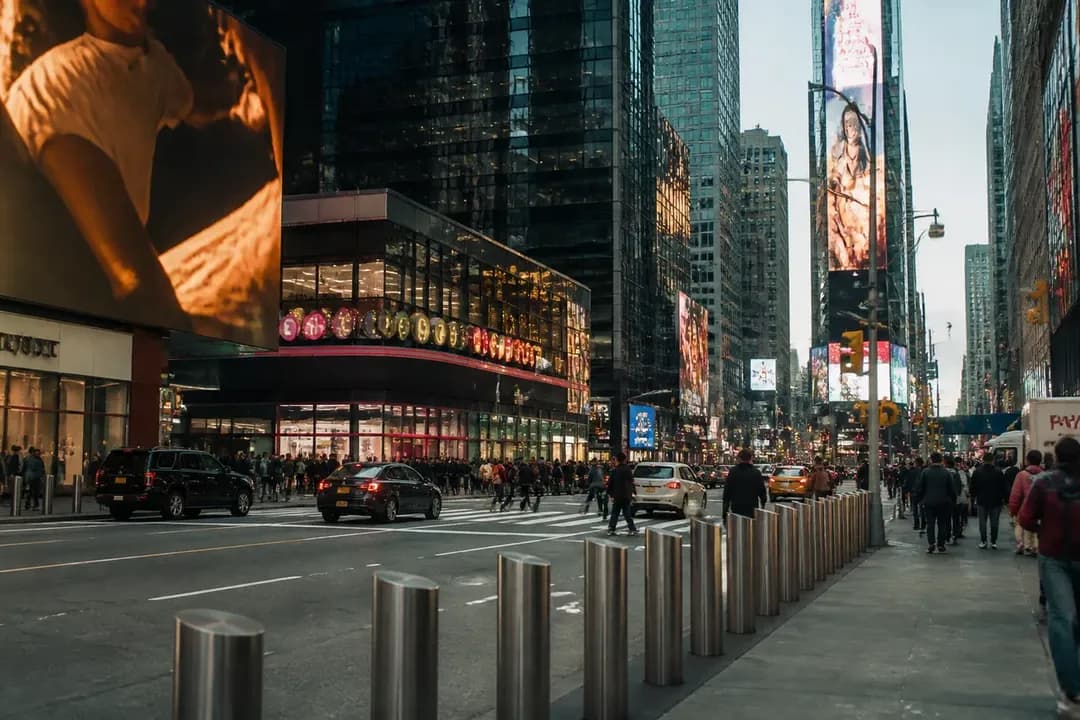
Public access is the cleanest starting point because it gives you room to adjust. Times Square is a practical first anchor if you want something unmistakably New York: NYC Tourism’s “From Times Square To The World” series frames Times Square as the starting point for subway-accessible stories that extend through every borough. That makes it a useful meeting point before deciding whether your day leans toward museums, parks, or a ferry-linked borough visit.
From there, pick one direction. If the group wants skyline and open air, shift toward Brooklyn Bridge Park, which NYC Tourism describes as a waterfront attraction with views, cultural activities, nature, and places to relax. If the group wants art, consider MoMA PS1 in Long Island City, described by NYC Tourism as an innovative, free art institution. If the group wants a bigger borough change, Staten Island offers a ferry-linked outing, and NYC Tourism describes the borough as having historic attractions, beach views, and global dining options.
This is also where skepticism helps. A promoted event may be free in spirit but still require tickets, registration, timing, or a capacity check. A public-space route lets you observe conditions and redirect without making the whole day depend on one listing.

Build a short route around one strong anchor
For most visitors, the mistake is trying to turn a low-cost day into a five-borough sprint. NYC has five boroughs, and NYC Tourism explains a borough as something like a smaller city within the larger metropolis. Treat that seriously. A good route uses one strong anchor and one backup, not a checklist designed to exhaust you.
A workable Manhattan-to-Brooklyn version starts at Times Square for the public-space signal, then moves toward Brooklyn Bridge Park as the main outdoor anchor. The supported logic is simple: Times Square is tied by NYC Tourism to subway-accessible city stories, while Brooklyn Bridge Park is specifically presented as a waterfront place with views, culture, nature, and relaxation space. If the weather turns or the group gets tired, you can shorten the plan and keep the day focused instead of forcing a second major stop.
A Queens version is more art-forward. Make MoMA PS1 the anchor, then keep nearby time loose rather than stacking commitments. NYC Tourism identifies MoMA PS1 as a free art institution in Long Island City, which gives you a clear cultural stop without inventing a special program or show. For a slower day, Staten Island can be the anchor because the borough is described as all just a ferry ride away; once there, use the official tourism framing of historic attractions and beach views as broad categories to verify, not as a promise that every site is open.
Use weather and crowd pressure as decision points
Free plans need decision rules. If the day is clear and the group wants room to breathe, Brooklyn Bridge Park is a strong candidate because its value is tied to waterfront views, nature, cultural activities, and relaxed open space. If weather makes outdoor time less appealing, a free art institution such as MoMA PS1 may become the cleaner anchor, provided you confirm current access before heading there.
Crowd pressure matters too. Times Square can be useful as a first signal but a poor place to linger when everyone is tired, hungry, or trying to coordinate by phone. Use it as a starting reference, then move decisively. If the area feels too compressed, choose the Brooklyn Bridge Park route for open-air pacing or the Queens route for a more venue-centered plan.
The Staten Island option works best when you want the journey itself to be part of the day. NYC Tourism’s description makes the ferry connection the key access idea, and the borough’s draw includes historic attractions, beach views, and global dining. Do not treat that as a schedule. Treat it as a menu of possibilities to check before boarding.
Know when free still requires registration
Free is not the same as frictionless. NYC Tourism’s budget activity guidance includes live TV tapings and notes that visitors can use its guide to find free tickets. That phrasing matters: a taping may be free, but it is still ticketed. It can involve steps or limits that are not worth guessing about from a social post.
Museum access deserves the same caution. NYC Tourism points readers to free NYC museums and says some museums, monuments, and art-filled attractions are free today, on specific days, or at certain times during the week. That is useful, but it is not a blanket promise that every museum is free whenever you show up. Before you leave, verify whether the institution is free all day, free during a set window, or free only under certain conditions.
This is where a celebrity hook can mislead readers if handled carelessly. Searching “how old is tom holland” may surface fresh entertainment chatter, but it does not confirm a local appearance, a venue tie-in, or a free event. For NYC planning, the reliable move is to separate curiosity from logistics: verify ticketing, entry flow, and timing for each stop.
Recheck access on the day
Same-day checking is part of the plan, not a chore at the end. NYC Tourism’s budget framing includes attractions, events, activities, parks, festivals, free museums, and TV tapings, and those categories do not behave the same way. A park visit, a museum entry window, a live-audience ticket, and a ferry-linked borough outing all carry different access questions.
Before leaving, confirm four things: whether the anchor is open or publicly accessible, whether free entry applies at the time you plan to arrive, whether registration or a ticket is required, and whether weather makes the outdoor portion worth keeping. If your first choice fails any of those checks, switch to the backup instead of trying to rescue the original plan.
A tight final version could look like this: start at Times Square only as a recognizable meeting point and story launch, continue to Brooklyn Bridge Park if outdoor conditions are good, or pivot to MoMA PS1 if an indoor cultural stop makes more sense. For a longer borough-change day, choose Staten Island and verify the specific historic or beach-view stops before you commit. The point is not to chase hype. It is to use a timely search phrase as a reason to see the city carefully, affordably, and with enough local judgment to avoid wasting the day.
Tags: #AskKarpo #BeforeYouGo #NYC #FreeNYC #NYCCulture #NYCParks #BrooklynBridgePark #MoMAPS1 #TimesSquare #StatenIsland #QueensNYC #BrooklynNYC #ManhattanNYC #FreeThingsToDo
Sources consulted: nyctourism.com · new.mta.info · nycgovparks.org
All trademarks are the property of their respective owners.
Ask Karpo first
Ask Karpo first before you turn a trending search into a city plan. Karpo can help verify which free stops still make sense today, whether entry requires tickets or registration, how weather affects the route, and which backup keeps the outing low-cost.
Ask Karpo for more information.
Keep reading
- Fast Food Near Me in the East Village: Crif Dogs Deep-Fries Its Franks
 Things To Do Near Me in NYC: Riding the Roosevelt Island Tram
 Things To Do Near Me in Washington Heights: The Cloisters' Medieval Galleries