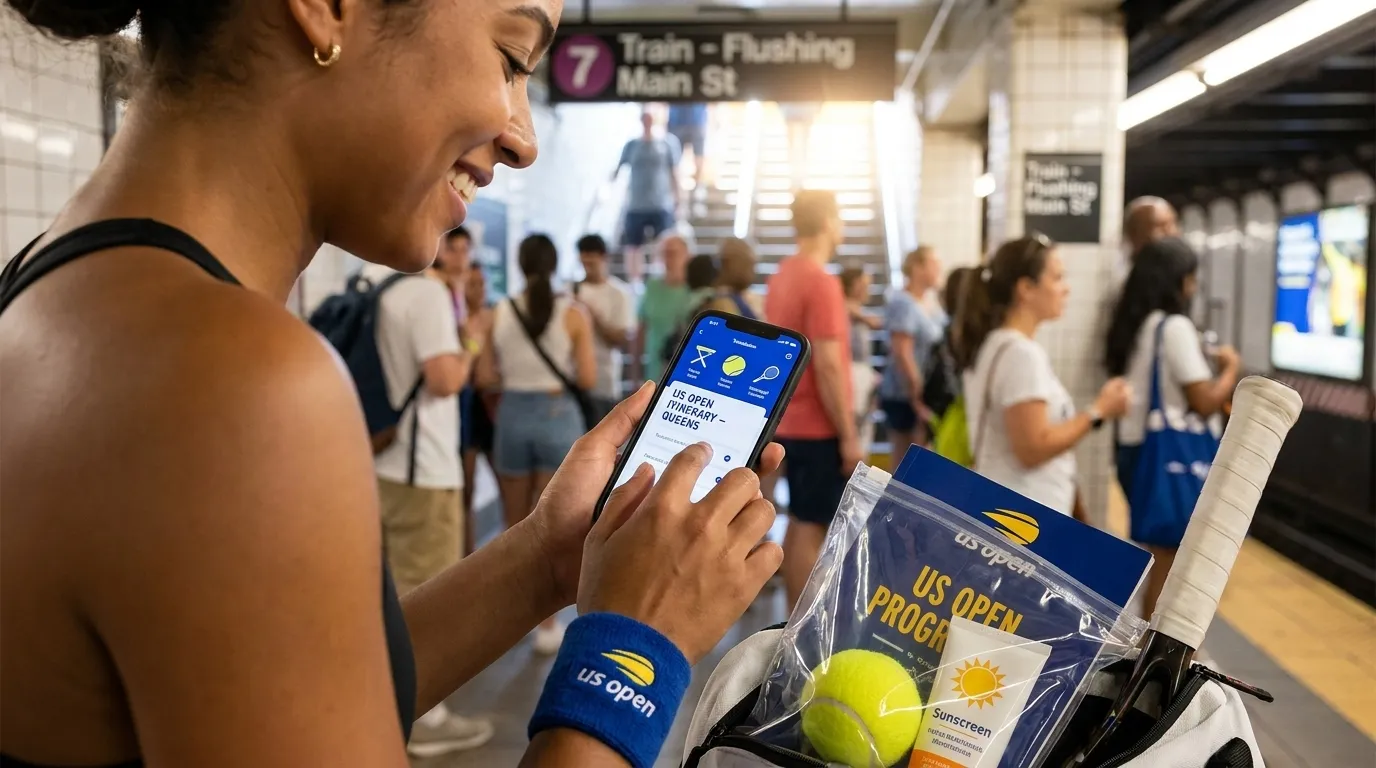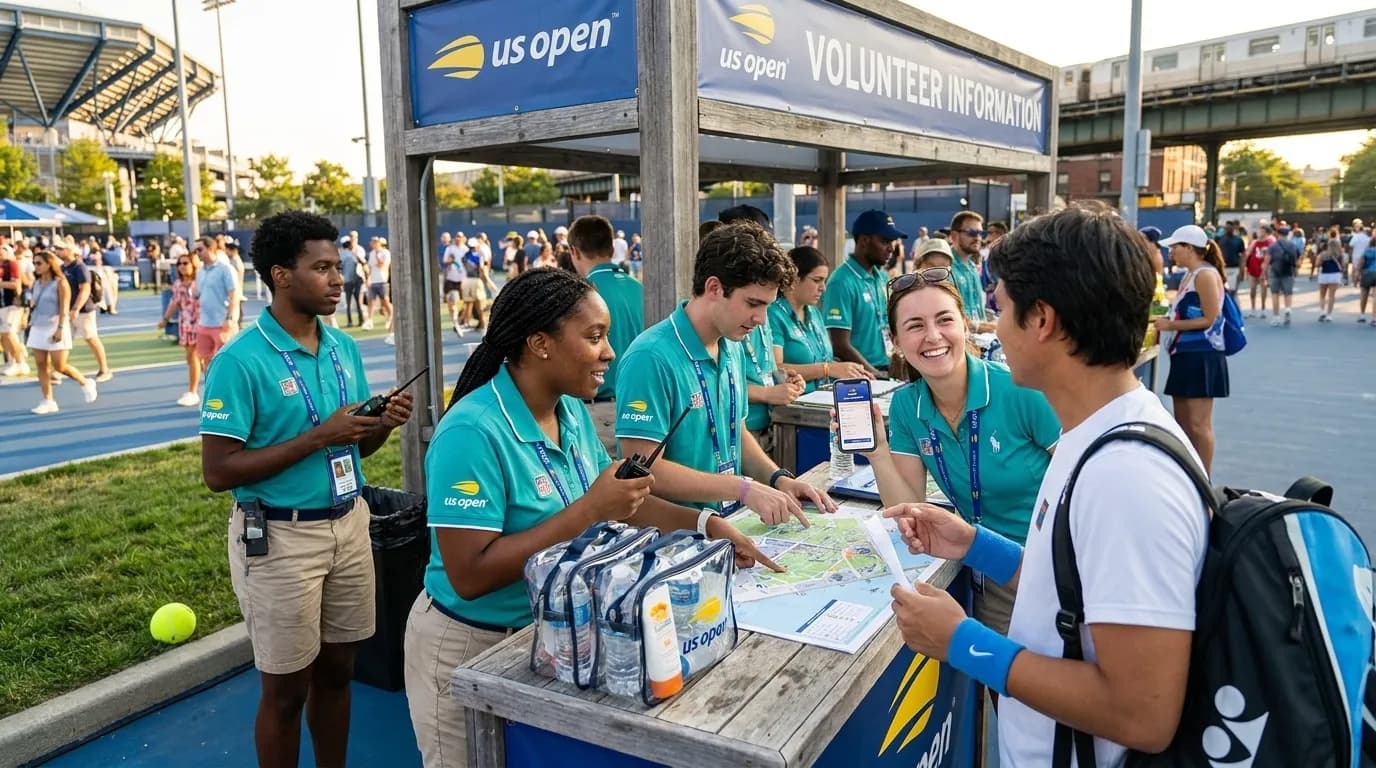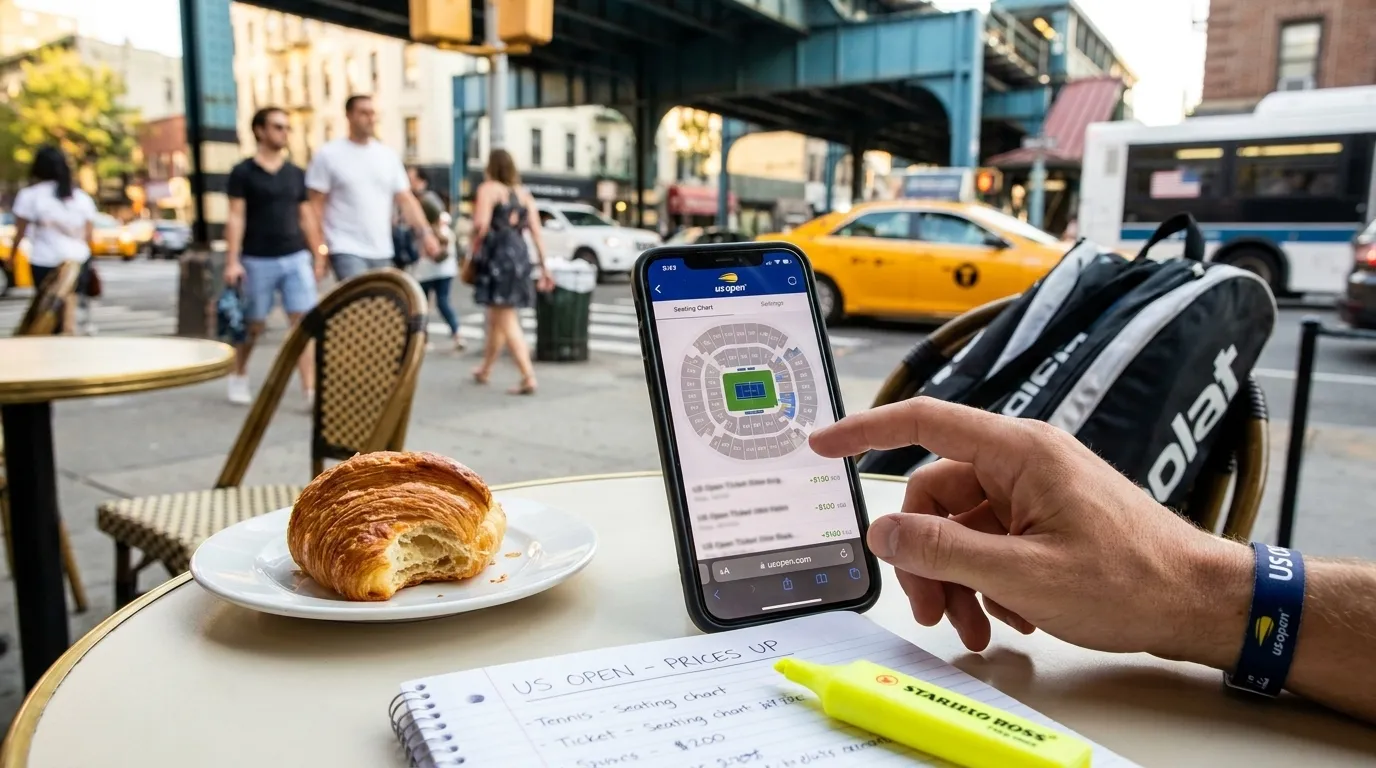
If you are buying US Open tickets while prices are moving, the best question is not “Will this get cheaper?” It is “What would I regret losing if I wait?” As of July 23, 2026, the official 2026 US Open calendar runs August 23 through September 13, with singles main-draw play beginning August 30. Between now and your visit, schedules, inventory, player fields, gate information, weather, transit conditions, venue rules, and service availability can change. Dynamic pricing makes timing feel important, but timing is only one part of the decision. A buyer who can attend several dates may benefit from patience. A buyer who wants a specific court, shade angle, companion seat grouping, or late-round session may be better served by acting when an acceptable option appears, then moving on to travel and day-of logistics.
Text Karpo to weigh ticket timing, seat location, and session priorities before dynamic pricing nudges you.

Treat the Price as a Signal, Not a Verdict
Dynamic pricing can respond to demand, available inventory, timing, session appeal, and other market factors. For a buyer, that means the number on the screen is a current offer, not a moral judgment on whether you are early, late, clever, or unlucky. A ticket that looks expensive today could look reasonable later if choices narrow; a ticket that looks high today could also be replaced by a better fit if your schedule is wide open. The practical move is to set your own definition of “acceptable” before you browse for too long.
Start with a private range: your comfortable price, your stretch price, and your walk-away price. The comfortable price is what you can buy without trimming other parts of the trip. The stretch price is what you might accept for a meaningfully better session or seat. The walk-away price protects you from turning a tennis day into a budget problem. Once those numbers are clear, dynamic pricing becomes easier to read. You are not trying to beat every other buyer; you are trying to avoid paying above your own value for an experience that may still involve variables outside anyone’s control.

Flexibility Is Your Strongest Bargaining Tool
The more flexible you are, the less pressure you should feel to chase one perfect listing. Flexibility can mean several things: multiple travel days, interest in more than one session, comfort with different seat locations, or willingness to attend earlier rounds rather than anchoring the whole trip to one marquee moment. A New York-based fan who can go after work or switch between days has a different ticket strategy from a visitor arranging flights, lodging, childcare, and time off.
For flexible buyers, it can make sense to monitor choices, compare session types, and wait until an option lines up with both budget and convenience. That does not mean prices will fall, or that better inventory will appear. It simply means your downside from waiting may be lower because you have acceptable substitutes. If Tuesday day session options do not fit, perhaps another early-week session might. If a particular stadium location feels too expensive, another section or session could still deliver a satisfying day.
For inflexible buyers, waiting carries a different cost. If your trip is built around one date, one guest’s availability, or one narrow seating need, the value of certainty rises. In that case, a fair ticket today may be better than an imagined perfect price tomorrow. The right purchase is not always the lowest one; sometimes it is the one that lets the rest of the trip settle into place.
Seat Preferences Can Matter More Than Small Price Moves
Seat choice is where many buyers over-focus on price and under-focus on comfort. At a long tennis session, your view, sun exposure, aisle access, height, proximity to companions, and tolerance for stairs or crowds can shape the day as much as the number paid. Because the US Open takes place across a large venue environment, buyers should think beyond a generic “best seat” idea and decide what they personally need to enjoy several hours on site.
Some fans want to see point construction and prefer a higher perspective. Others want closeness, atmosphere, or easier movement in and out of a row. Some groups need seats together more than they need a perfect location. A family may value predictable access and comfort over a marginally better view. A visitor with a packed New York itinerary may prefer convenience and reduced friction, even if the seat is not the theoretical bargain of the day.
- Choose your non-negotiables before comparing tickets: date, session, court, seat grouping, accessibility needs, or maximum spend.
- Separate “nice to have” from “must have.” A lower price is less useful if it gives up the feature you care about most.
- If buying for a group, decide whether sitting together outweighs waiting for a possible price change.
- Check the official US Open A-Z guide and prohibited items page close to your visit so bag choices, entry plans, and comfort items match current venue rules.

Session Type Changes the Risk of Waiting
Not every session should be judged the same way. Earlier in the event, buyers may have more ways to build a good day because there can be broader tennis activity across the grounds. Later rounds can feel more targeted, with fewer matches and more attention on specific outcomes. Day and evening sessions can also suit different travelers: a day session may pair well with a full-venue mindset, while an evening session may suit someone who wants a concentrated after-work or after-sightseeing plan. The official schedule is the place to verify what is currently planned for a date or session, and it should be checked again near travel.
Player-based buying is especially sensitive. The singles main draw is scheduled to begin August 30, but tennis draws, match timing, court assignments, and player availability can shift for reasons ranging from results to weather and health. If your only reason to buy is seeing one specific player, recognize that your ticket decision includes uncertainty that price tracking cannot remove. A better approach is to decide whether you would still enjoy the session if the lineup changes. If the answer is yes, buy when the session, seat, and budget make sense. If the answer is no, keep your commitment level modest and avoid building too much of the trip around a single possibility.
Build a Budget That Includes the Whole Day
A ticket is only one part of a US Open day. Local transportation, food and drink, weather preparation, possible merchandise, and the time cost of moving around New York can all affect the real value of a purchase. A cheaper ticket that forces a difficult schedule may not be cheaper in practical terms. A more expensive ticket that fits your travel window and reduces stress may be reasonable if it stays within your planned ceiling.
For many buyers, the smartest budget is a total-day budget rather than a ticket-only budget. Decide what you are willing to spend from leaving your lodging or home until returning. Then let the ticket occupy a sensible share of that amount. This keeps dynamic pricing from quietly pulling money away from meals, transit cushions, or other parts of a New York visit.
Transportation deserves special attention because it is one of the easiest details to verify and one of the hardest to fix at the last minute. The official US Open transportation page and the MTA’s US Open guidance are the primary places to recheck subway, rail, and routing information close to the date. Service patterns, delays, crowding, and local conditions can change. Practical backup planning is not a guarantee of speed; it is a way to avoid having one missed connection spoil an otherwise well-chosen session.
Know When to Stop Refreshing
The hardest part of dynamic pricing is psychological. Once you buy, it is tempting to keep checking. That habit rarely improves the day. It can make a sound decision feel bad simply because a different option appears later, or because prices move in a direction you did not expect. If you bought within your budget, for a session you can attend, with seats that meet your real needs, the decision has already done its job.
A useful rule is to stop browsing once the purchase is made unless you have a specific reason, such as coordinating with another guest or reviewing official event information. Shift attention to the things that remain under your control: how you will get there, what you can bring, how you will handle weather, where your confirmation details are stored, and when you need to leave. Good planning will not control match outcomes or price history, but it can make the day feel calmer.
Practical Notes
- Check the official US Open event schedule before buying and again close to travel, especially for session timing and date-specific planning.
- Review the official A-Z guide and prohibited items page shortly before attending so your bag, entry, and comfort plans reflect current venue rules.
- Use the official transportation page and MTA US Open guidance to compare subway, rail, and local routing options; keep a backup route in mind.
- Set three numbers before shopping: comfortable price, stretch price, and walk-away price.
- If your date, court, or seat grouping is non-negotiable, value certainty more highly than a possible future price change.
- If you can attend several sessions, let flexibility work for you, but do not assume waiting will produce a better outcome.
- Recheck primary sources close to your visit because schedules, gate information, player fields, weather, transit, inventory, venue rules, and services can change.
Tags: #USOpen2026 #Tennis #NewYork #Queens #FlushingMeadows #KarpoFinds #Karpo #DynamicPricing #USOpenTickets #SeatSmart
Sources consulted: usopen.org — Official reference · usopen.org — Official reference · usopen.org — Official reference · usopen.org — Official reference · new.mta.info — Official reference
All trademarks are the property of their respective owners.
Ask Karpo first
Ask Karpo for a decision checklist that keeps your US Open ticket choice grounded in what you value most.