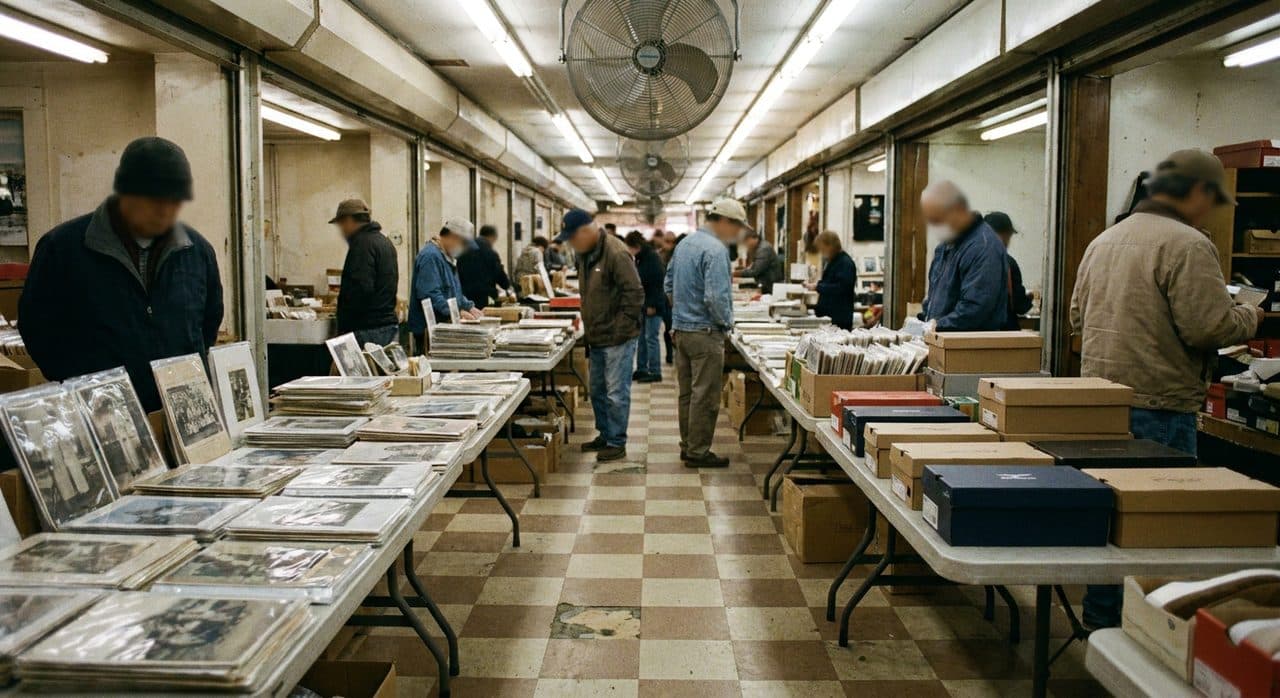
You walk into what looks like a hoarder's dream on a quiet Astoria block—stacks of shoeboxes reach the ceiling, yellowed pennants drape from exposed pipes, and the air smells like old paper and coffee that's been sitting since breakfast. This is where Dodgers fans and Pirates fans converge on weekday afternoons, not to watch games but to argue about trades from 1987 and flip through binders of minor league prospects who never made it past Double-A.
The Geography of Clutter
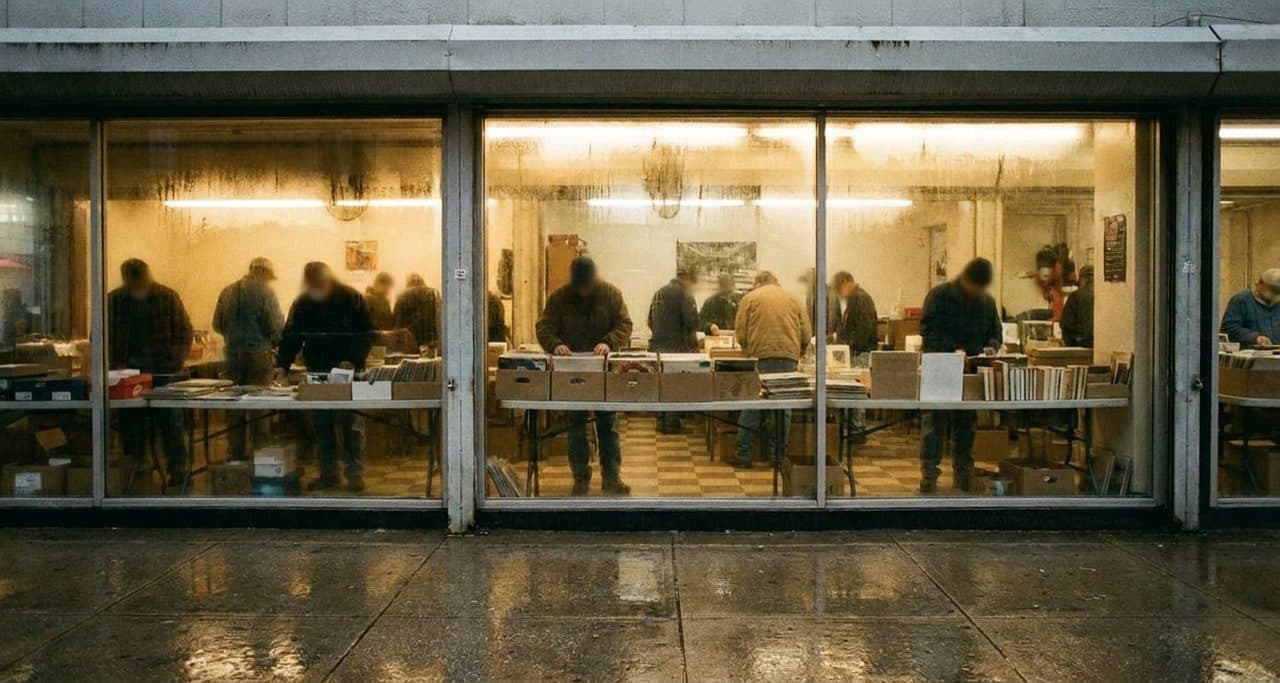
The front room measures maybe fifteen by twenty feet, but it feels smaller because every surface holds something. Card boxes line metal shelving units that bow slightly under weight. A glass counter runs along one wall, smudged with fingerprints, displaying rookie cards in magnetic cases that haven't been dusted in months. The fluorescent lighting flickers occasionally, casting uneven shadows across tables where regulars spread out their latest acquisitions. You'll find this place tucked between a Greek bakery and a locksmith, the kind of storefront you'd walk past without noticing if you didn't know to look for the faded Topps poster in the window. The door sticks when you push it, scraping against warped floorboards that creak under your weight. Someone's always got the radio on—AM sports talk, never music.
The Afternoon Congregation
By two o'clock on weekdays, the regulars start filtering in. These aren't kids with allowance money or investors hunting rookie cards worth thousands. They're retired transit workers, night-shift nurses between sleep cycles, guys who took early buyouts and need somewhere to be. They pull up folding chairs that screech against the floor and settle in for hours. The conversation never stops—it just shifts speakers. Someone mentions a relief pitcher the Pirates traded to Montreal in '91, and suddenly three people are cross-referencing memory against card backs, voices rising as they disagree on whether he finished that season or got sent down. The energy feels like a barbershop without the haircuts, all ritual and repetition. You hear the same arguments cycling through every few weeks, polished smooth by retelling.
What Actually Gets Traded Here
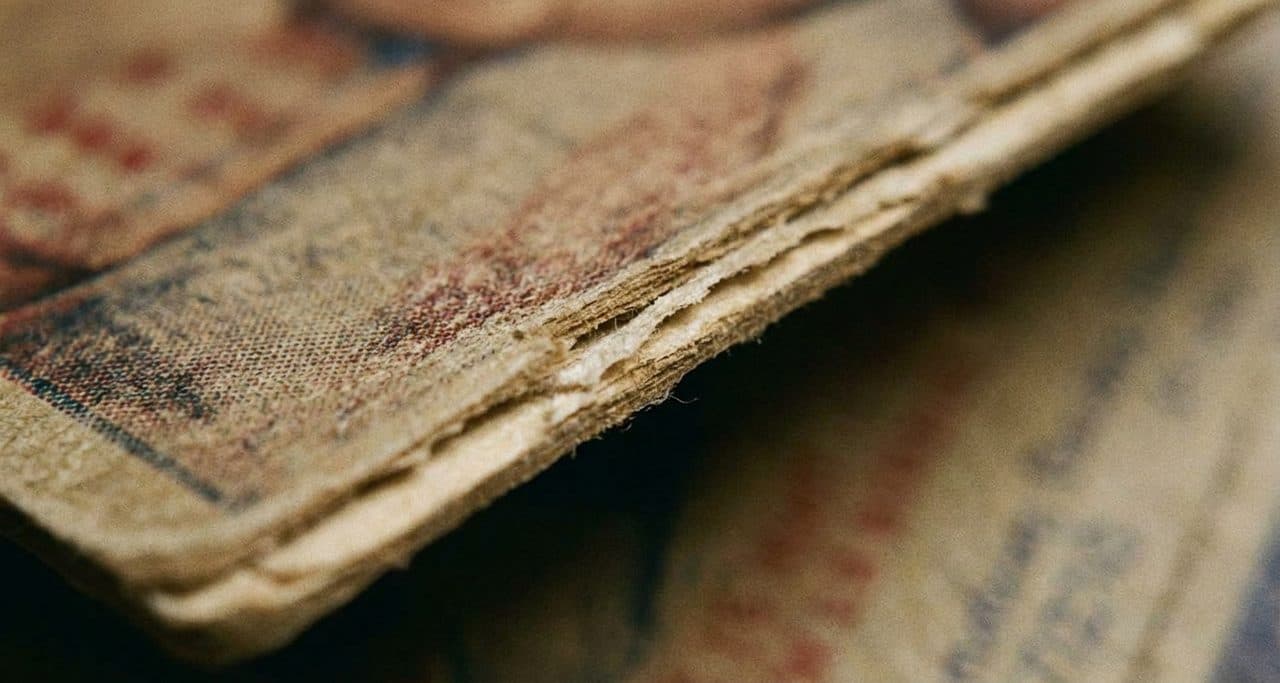
Forget about mint-condition Mickey Mantles or graded gems in acrylic slabs. The cards changing hands run toward obscure—think Albuquerque Dukes outfielders from 1983, Portland Beavers pitchers with career ERAs north of five, prospects whose Wikipedia pages don't exist. The appeal lies in completion, in filling gaps in team sets nobody else cares about. One regular specializes in Pacific Coast League cards from the late seventies, another only collects players who share his last name regardless of team or era. Transactions happen through negotiation that sounds like haggling but follows unwritten rules everyone understands. You offer three cards, they counter with two plus cash equivalent to a bodega coffee, someone else jumps in to broker. Money rarely appears—it's all trade value calculated through decades of informal consensus. The real currency is knowing which boxes hold what, remembering who's been hunting a specific card for months.
The Dodgers-Pirates Divide That Isn't
You'd think rival allegiances would create tension, but the fandom here runs deeper than current rosters or playoff standings. These are people who remember when both teams had different identities, when the Pirates won championships and the Dodgers played in Brooklyn according to their fathers' stories. The arguments veer historical—comparing infields across eras, debating whether certain trades made sense given what everyone knew at the time versus what happened after. A Dodgers cap sits next to a Pirates jacket on the same coat hook. Someone wears a Roberto Clemente shirt while defending a Tommy Lasorda decision. The tribal lines exist but they're permeable, less about winning and more about having a position to argue from. The real divide runs between people who think designated hitters ruined baseball and people who think pitchers batting was always boring.
The Rhythm of Dead Time
Nothing happens quickly here. Someone might spend forty minutes looking through the same box of commons, not searching for anything specific, just looking. Conversations pause mid-sentence when someone needs to check a card back, then resume five minutes later as if no time passed. The coffee pot in the back corner goes through two cycles every afternoon, the smell cutting through the paper-and-cardboard base note. Around four, someone usually makes a bodega run—chips, energy drinks, sometimes sandwiches that get eaten standing up while debating whether a certain player's career got derailed by injury or poor coaching. The light through the front window shifts as afternoon stretches toward evening, turning the dust motes visible in the air. You lose track of time without trying. Your phone stays in your pocket because nobody else checks theirs.
Why This Survives When Card Shops Don't
Most card shops went under years ago, killed by eBay and online marketplaces where you can find any card instantly without leaving home. This place persists because it's not really about cards—it's about the hours between them. The owner (whoever that is—the line blurs among the regulars) keeps overhead minimal. No fancy displays, no organized inventory system, no website or social media presence. Rent in this part of Astoria hasn't caught up to the waterfront blocks yet. The business model, if you can call it that, runs on volume of time rather than transactions. People come for the afternoon and maybe buy a pack or trade for a few cards, but mostly they come because this is their spot, their routine, their community of people who care about the same pointless details. You can't replicate that online. The algorithm can't suggest the right box to dig through or the right moment to interject in someone else's story.
Practical Notes
You'll find this spot in the residential blocks of Astoria, south of the main commercial drags, where the neighborhood still feels more working-class than cocktail-bar. The place keeps irregular hours that shift with the seasons and whoever's around—late mornings through early evening most days, but call it flexible. Getting here means the N or W train to Astoria, then a walk through blocks of low-rise apartment buildings and family-owned shops. No reservations, no appointments, no dress code beyond "don't be precious about where you sit." Bring cash if you plan to buy anything, though cards themselves trade through barter. The crowd skews older and male but nobody's keeping the door. Jump into a conversation or just listen—both work fine. The unspoken rule is you don't rush, you don't hover, and you respect that someone's been coming here longer than you.
Tags: #TheOddEdit #Astoria #NewYorkCity #BaseballCards #MinorLeagueBaseball #Dodgers #Pirates #CardCollecting #AstoriaQueens #NYCHiddenGems #SportsMemorабilia #QueensNYC #VintageBaseball #CollectorCulture #NYCLocal
Sources consulted: atlasobscura.com · timeout.com · nytimes.com
All trademarks are the property of their respective owners.


