 Kings Theatre in Flatbush: A Restored 1929 Movie Palace
Hidden Gems & Odd Finds
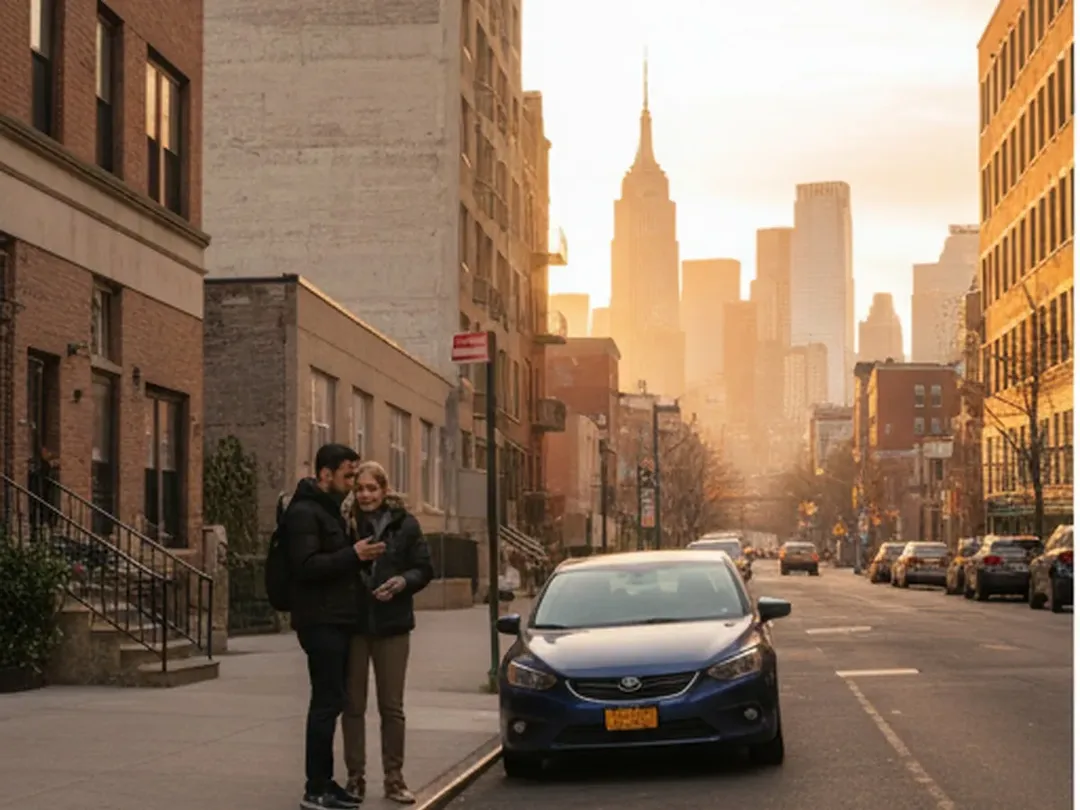
How Carvana Fits NYC Life: Delivery, Pickup, and Transit Plans
A transit-savvy guide to online used-car buying for city life in 2026
Buying a car in New York City already feels like a part-time job—between street parking rules, bridge tolls, and the fact that most of us live in apartments nowhere near a traditional dealership. Online sellers like Carvana promise to simplify everything with click-to-buy shopping and delivery right to your building, but the process still has NYC-specific twists worth understanding. This guide breaks down how Carvana works for city residents in 2026—from browsing and financing through delivery, registration, and what to do if the car doesn’t feel right once it hits your block—so you can decide whether it fits your version of city life or if a local dealer, lease, or even sticking with the subway is a better move.
Thinking of skipping the dealership this year and letting Carvana bring the car to you? Save this guide before you start browsing, so you can cross-check delivery promises, fees, and return windows while you shop—and share it with that friend who keeps saying they “really should get a car” but hates visiting lots.
How Carvana works now, in plain NYC language
Carvana is an online used-car retailer where you browse, finance, and buy a vehicle entirely on the website or app, then have it delivered or pick it up from one of its locations. Carvana says it owns its vehicles (it is not a listing marketplace), provides 360° virtual tours, and shows a vehicle history report, usually from Carfax, with details on accidents and prior use. The company focuses on late-model used cars, not new vehicles, so if you want a brand-new 2026 model from a specific automaker, this isn’t the right match.
Instead of test-driving before you sign, Carvana leans on a post-purchase trial: it advertises a seven-day return policy to let you drive the car in your real life and send it back if it isn’t what you expected, subject to mileage and other conditions. Policies can change, so you should confirm the return window, mileage cap, and any restocking or shipping fees on Carvana’s site before you commit. Because this is a used-car purchase, Carvana also offers limited warranties and optional extended protection plans; these vary by vehicle, so you need to read the specific coverage instead of assuming all cars are protected the same way.
For NYC buyers, the big question is less "Is online car buying a thing?" and more "Does this work with my building, my street parking situation, and my budget once insurance and registration hit?" Carvana won’t solve city parking or car insurance costs, but it can save you a day of trekking to suburban dealerships on commuter rail. Your job is to make sure the convenience fits the realities of your neighborhood and that you’re comfortable with a mostly online process.
Where Carvana operates and what that means for NYC
Carvana operates in most U.S. states and offers delivery or pickup in many metro areas, but availability depends on your exact ZIP code. The company’s official site lets you enter your address to see if it offers direct delivery, preferred delivery dates, and what fees apply; this is the first step before you fall in love with a car that can’t easily reach your block. Because service areas evolve, always recheck availability right before you buy rather than relying on an old blog post or a friend’s experience from a different year.
Carvana is known for its glass “vending machine” pickup towers in some cities, but it has not built one in every major metro. If you see social posts about people picking up cars from a dramatic glass tower, know that your local experience may be simpler: a scheduled delivery truck dropping your car at street level or a more conventional pickup point outside the city. Some buyers prefer pickup because it avoids tricky curb access on narrow streets, so if Carvana offers a pickup location reachable by NJ Transit, LIRR, or Metro-North, factor the train fare and travel time into your plan.
Because Carvana is not tied to a specific NYC borough the way a neighborhood dealer is, transit planning becomes a key part of this decision. If delivery is available to your front door, you mostly need to think about where the transporter truck can legally and safely stop; if pickup is the only option, you’re planning a mini-trip out of the city, like going to an IKEA or outlet mall. In both cases, understanding your transit options before you click “buy” will keep delivery day from turning into a scramble.
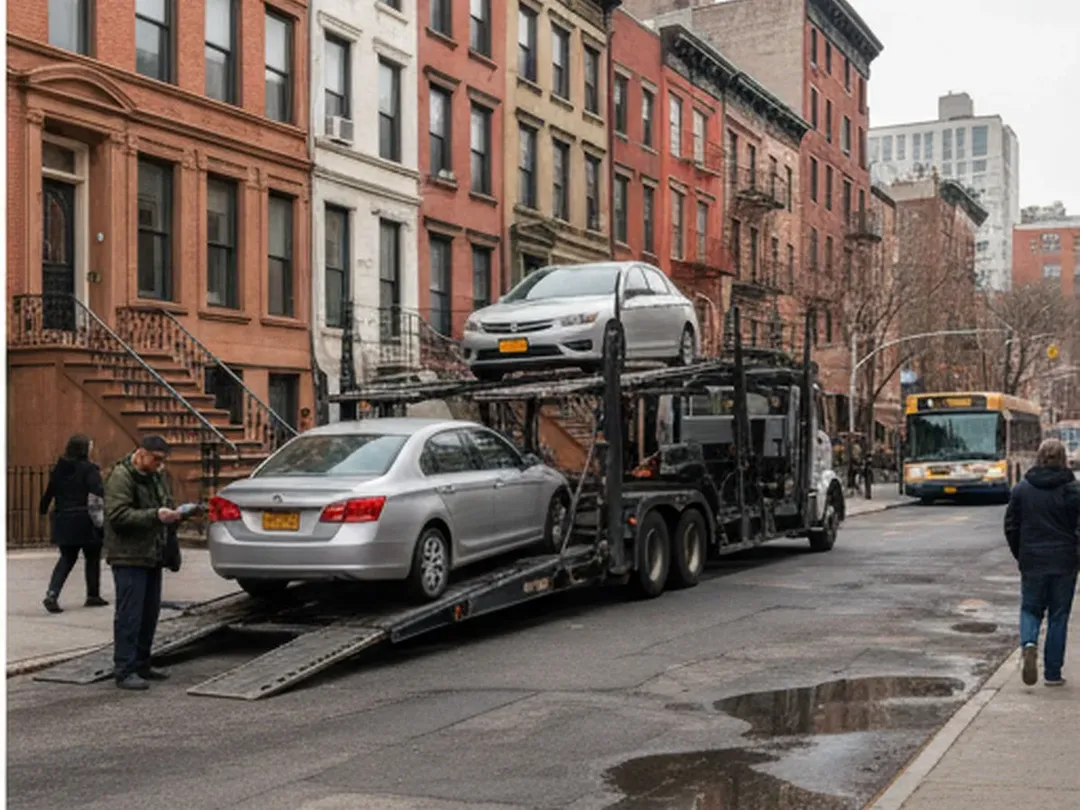
Transit-first planning: getting to your Carvana pickup
If Carvana offers a pickup location in the broader region rather than true door-to-door delivery, treat this like any other out-of-town errand: start with the MTA, then layer in regional rail. Use the MTA’s trip planner and subway/bus maps to identify your fastest route to Penn Station, Grand Central, or the Port Authority Bus Terminal, which are your main launch points for NJ Transit, LIRR, or Metro-North trains. Once you know which hub you’ll depart from, check the appropriate railroad’s official site for schedules, fares, and service changes on your chosen day; weekend track work and off-peak schedules can stretch what looks like a quick ride into a long one.
If the pickup point is in New Jersey, NJ Transit’s rail and bus network is usually your backbone, with ride-hail as a last-mile option from the station to the Carvana facility. If it’s on Long Island, LIRR from Penn Station or Grand Central Madison is typically the fastest; for upstate or Connecticut locations, look at Metro-North from Grand Central. Build at least 30–60 minutes of buffer time into your schedule in case of delays; you may have a fixed pickup window with Carvana, and missing it could mean rescheduling.
Once you pick up the car, you’re driving it back into the city the same day, so consider tolls, rush-hour traffic, and your confidence level behind the wheel of a car you just met. If you’re not comfortable navigating a new vehicle straight through Midtown or over a crowded bridge, plan a route that avoids the most chaotic approaches and time your trip for a quieter period, like late morning on a weekday. Check official bridge and tunnel authorities for current tolls and whether you’ll need to set up an E-ZPass if you don’t already have one.
If you choose delivery: buildings, curbs, and timing
For NYC addresses where Carvana offers delivery, the company typically uses a truck to bring the car to your location and have you sign paperwork or finalize the handoff on-site. In the city, that translates to a very practical question: can a truck safely and legally stop near your building long enough to unload a vehicle? If you live on a narrow one-way block, a bus route, or a major avenue with no-standing rules, you may need to coordinate a nearby corner or a quieter side street; talk this through with Carvana when you schedule delivery so they’re not circling while you negotiate with traffic agents.
Timing matters as much as geography. If your street has alternate-side parking during a specific window, try to avoid scheduling delivery right when everyone is double parked and the block is chaotic; a midday or early afternoon slot on a non-sweeping day is usually easier. If you live in a high-rise or large complex, let your front desk or managing agent know you’re expecting a vehicle delivery so they’re not surprised by a truck idling outside. Remember that building rules differ: some co-ops or condos may have restrictions about commercial vehicles on certain driveways or time-of-day limits for large deliveries, so confirm any rules in advance with your management office.
Because policies and routing practices can change, recheck the exact delivery options, available time windows, and any associated fees directly on Carvana’s site when you schedule. Be ready with a backup plan: a friend’s block with easier curb access, a nearby open parking lot where you can meet the truck, or a flexible time slot you can adjust if the first choice turns out to be unworkable. Staying flexible keeps delivery day from becoming a three-hour game of phone tag between you, the driver, and your supers.
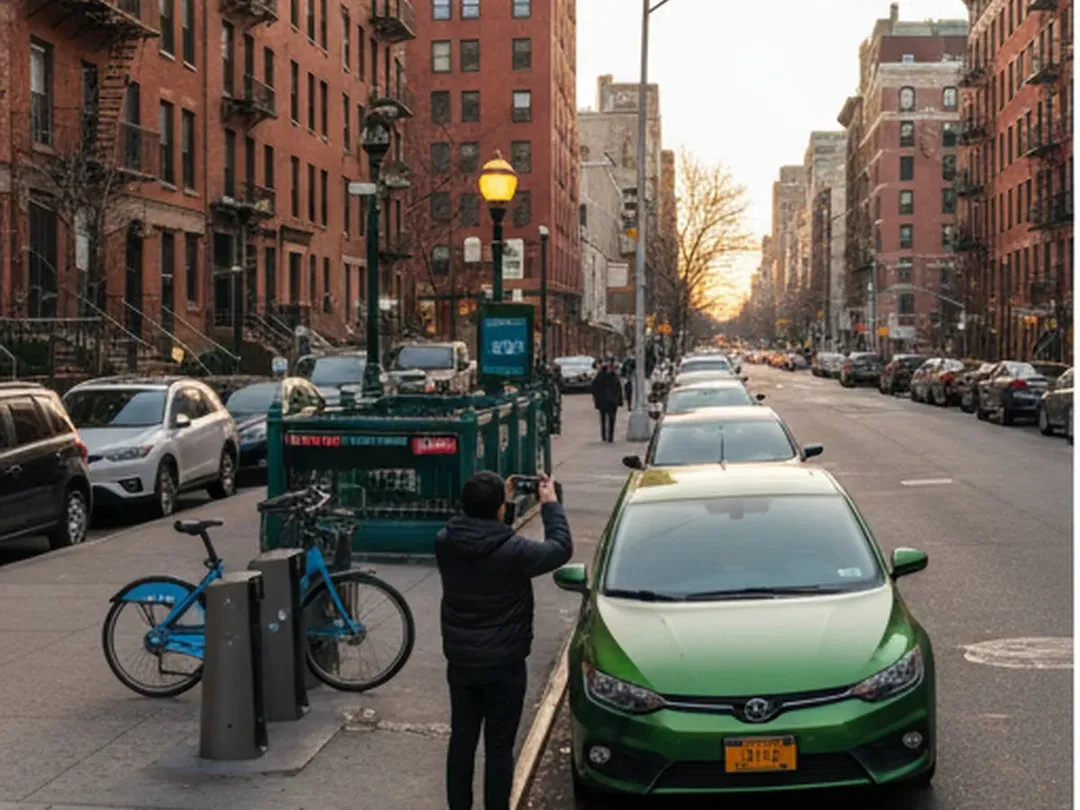
NYC specifics: registration, insurance, and parking reality check
Regardless of how you buy the car, you need to register it and insure it in New York if you’re a resident who keeps the vehicle here. The New York State Department of Motor Vehicles explains that you must have New York State auto liability insurance in place before you can register a car, and that insurance company must be licensed in New York and report coverage electronically to the DMV. If Carvana offers to help with paperwork, read exactly what they handle—such as temporary tags or submitting documents—and what you must still complete yourself at the DMV or via mail. Always confirm current requirements on the official NYS DMV site before you finalize a purchase, as rules and fees can change.
Insurance costs in NYC can be significantly higher than in suburban or rural areas, thanks to dense traffic, theft risk, and local risk models used by insurers. Before you fall for a specific Carvana listing, get quotes from several insurers using the car’s vehicle identification number (VIN) if possible; this gives you a more accurate monthly cost. Remember that leasing and financing agreements often have minimum coverage requirements beyond state minimums, so check those terms in your contract and confirm that your policy meets them.
Finally, parking. If you rely on street parking, take a brutally honest look at your block: how long does it actually take to find a spot at different times of day, and what are your alternate-side cleaning rules? The NYC Department of Transportation keeps official regulations and updates on parking rules, including alternate-side suspensions and municipal lot information, which can help you understand your options. If you plan to rent a garage space, call locations near you for current rates and availability rather than assuming you can always find a spot last minute. A Carvana purchase eliminates dealership time, but it does not eliminate the daily realities of owning a car in the city.
Comparing Carvana with local dealers and other options
For city residents, Carvana’s main appeal is convenience: you can comparison-shop a wide inventory at 11 p.m. from your couch, apply for financing online, and avoid hours of in-person back-and-forth at a dealership. The fixed pricing model and detailed vehicle history reports can also feel less adversarial than traditional negotiation, especially if you’re buying your first car and hate haggling. The seven-day return window provides a unique kind of test drive: you get to see how the car fits in your building’s garage, your commute, and your weekend errands.
Traditional local dealers, on the other hand, let you physically inspect and test-drive multiple cars before you sign anything, and some offer in-house service departments that simplify maintenance. If you value a long-term relationship with a specific shop or want to compare multiple trims back-to-back in person, a dealer or certified pre-owned program may feel better. You can reach many suburban dealerships from NYC via the MTA’s regional rails or buses; check the MTA, NJ Transit, LIRR, and Metro-North official sites for current routes if you want to explore that option before committing online.
There’s also the non-car option that many New Yorkers quietly choose: sticking with transit, car-share, and occasional rentals instead of full-time ownership. Between the MTA’s unlimited MetroCards, citywide bike share, and app-based car rentals, you might find that the full cost of ownership—loan or lease, insurance, parking, tolls, and maintenance—doesn’t fit your lifestyle. Running those numbers honestly before you buy from Carvana or anyone else can save you money and stress in the long run.
Staying safe and organized through the Carvana process
Treat a Carvana purchase like any significant financial move: take screenshots or save PDFs of key pages, including the vehicle listing, price breakdown, delivery details, and any return or warranty language you’re relying on at the time of purchase. Policies and inventory pages can change, and having your own record helps if you need to reference what you originally agreed to. Use a checklist covering ID, insurance proof, financing approval, and any required DMV documents so you’re not scrambling the night before delivery or pickup.
When the car arrives, do a slow, methodical inspection in good light if possible. Compare the vehicle to the online listing: check for any visible damage, mismatched paint, odd smells, and that the included features (backup camera, sunroof, heated seats) actually work. Confirm that the VIN on the car matches your paperwork. Then, during the first few days of driving, pay attention to how the car behaves on the highway, over NYC’s inevitable potholes, and in stop-and-go traffic. If something feels off, reach out to Carvana customer support immediately and review your return and warranty rights as stated on their site.
Because all of this happens in the context of New York’s rules and roads, keep official sources close: the NYS DMV for registration and title information, the NYC DOT for parking regulations, and your insurance provider’s official communications for coverage details. Reverify information that affects your wallet or your legal responsibilities—fees, deadlines, minimum coverage—on official sites rather than relying on third-party summaries. That combination of online convenience and real-world verification is what makes buying from Carvana in NYC feel less like a gamble and more like a controlled, informed choice.
Tags: #hiddengemsoddfinds #transportation #cars #Carvana #NYC #finance #planning #shopping #KarpoFinds #AskKarpo
All trademarks are the property of their respective owners.
Ask Karpo first
Planning to use Carvana for your next NYC car and not sure what’s legit, what’s extra fees, or how long delivery really takes to your building or borough? Drop your budget, neighborhood, and rough car wish list in Ask Karpo and we’ll map out options, flag any gotchas in the fine print, and suggest backup local dealers and transit alternatives so you can compare everything side by side before you buy.
Ask Karpo for more information.
Keep reading
- Kings Theatre in Flatbush: A Restored 1929 Movie Palace
 Chambers Street Wines: Manhattan's Natural Wine Pioneer
 Mediterranean Food Near Me in NoMad: Ilili's Crispy Brussels Sprouts