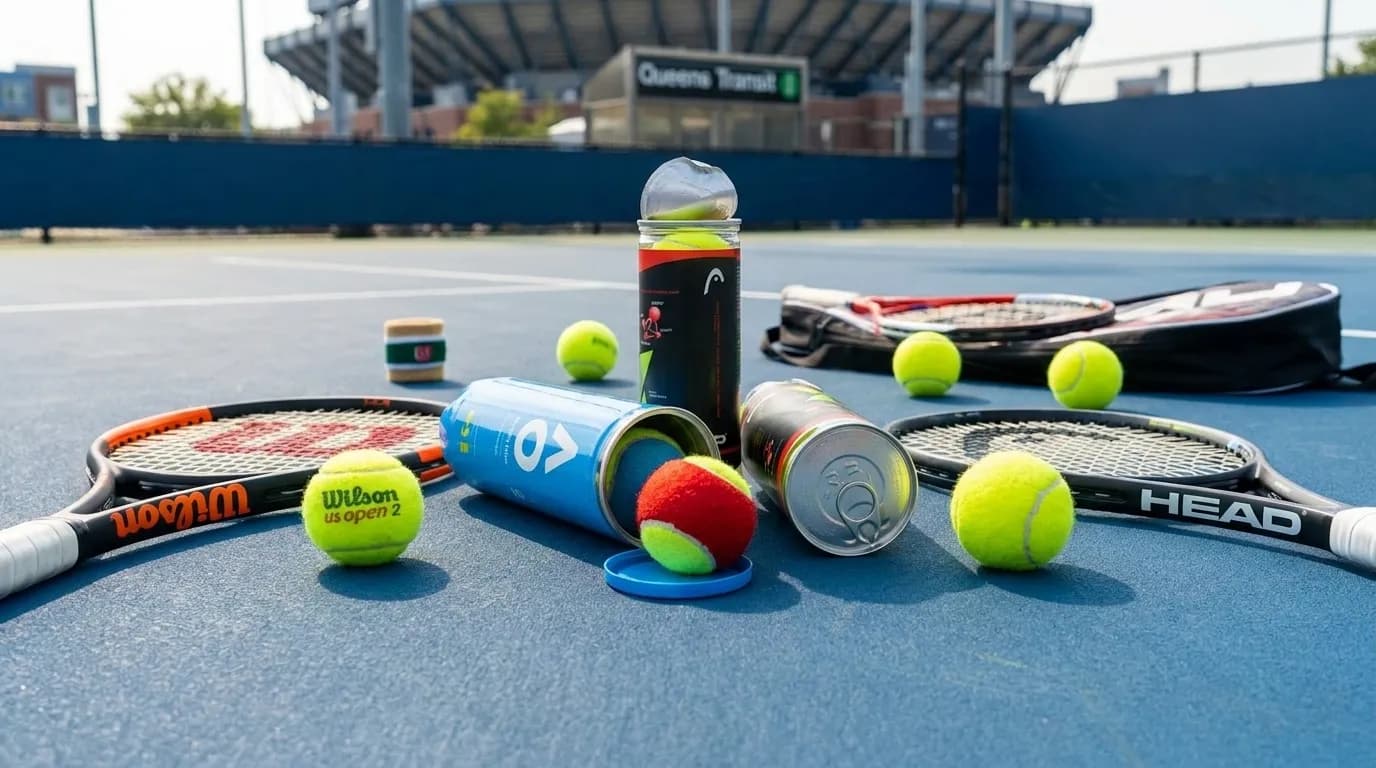
If you are watching or attending the 2026 US Open, the ball is one of the simplest details that can explain why matches feel different from one court, session, or draw to another. The official calendar runs August 23 through September 13, with singles main-draw play scheduled to begin August 30, but the tennis you see will still depend on daily conditions, court use, and the equipment specified for competition. A ball that sits up a little more, skids a little more, or wears faster can change rally length, serving confidence, return timing, and how often players step inside the baseline. For fans, the useful move is not to guess a secret formula. Watch the height after the bounce, the sound at contact, how often balls are changed, and whether players begin taking bigger swings or adding more margin.
Text Karpo when rallies look different and we’ll explain how ball feel may be part of it.

Why the Same Court Can Feel Different
Hard courts give the impression of consistency, but tennis is never played in a laboratory. The ball is struck at different speeds, with different spins, after different amounts of wear, in air that can feel heavy, dry, humid, cool, or windy. A small shift in ball behavior can make a court look livelier or slower even when the surface itself has not changed in any visible way.
The International Tennis Federation rules define the framework for approved tennis balls and competition conditions, but spectators should avoid turning that into a promise about how every rally will play. A ball can be within the rules and still feel meaningfully different to players depending on freshness, temperature, court grit, and the pace of the incoming shot. That is why one match can feature short, first-strike tennis while another, in the same tournament window, becomes a test of patience and repeatable depth.
At the US Open, the practical fan question is often not whether a court is “fast” or “slow” in the abstract. It is whether the ball is carrying through the court, sitting up into a hitting zone, or losing speed after the bounce. Those are visible clues that help explain tactical choices without pretending to know private coaching plans or equipment settings.
Ball Type and the Men’s and Women’s Rally Shape
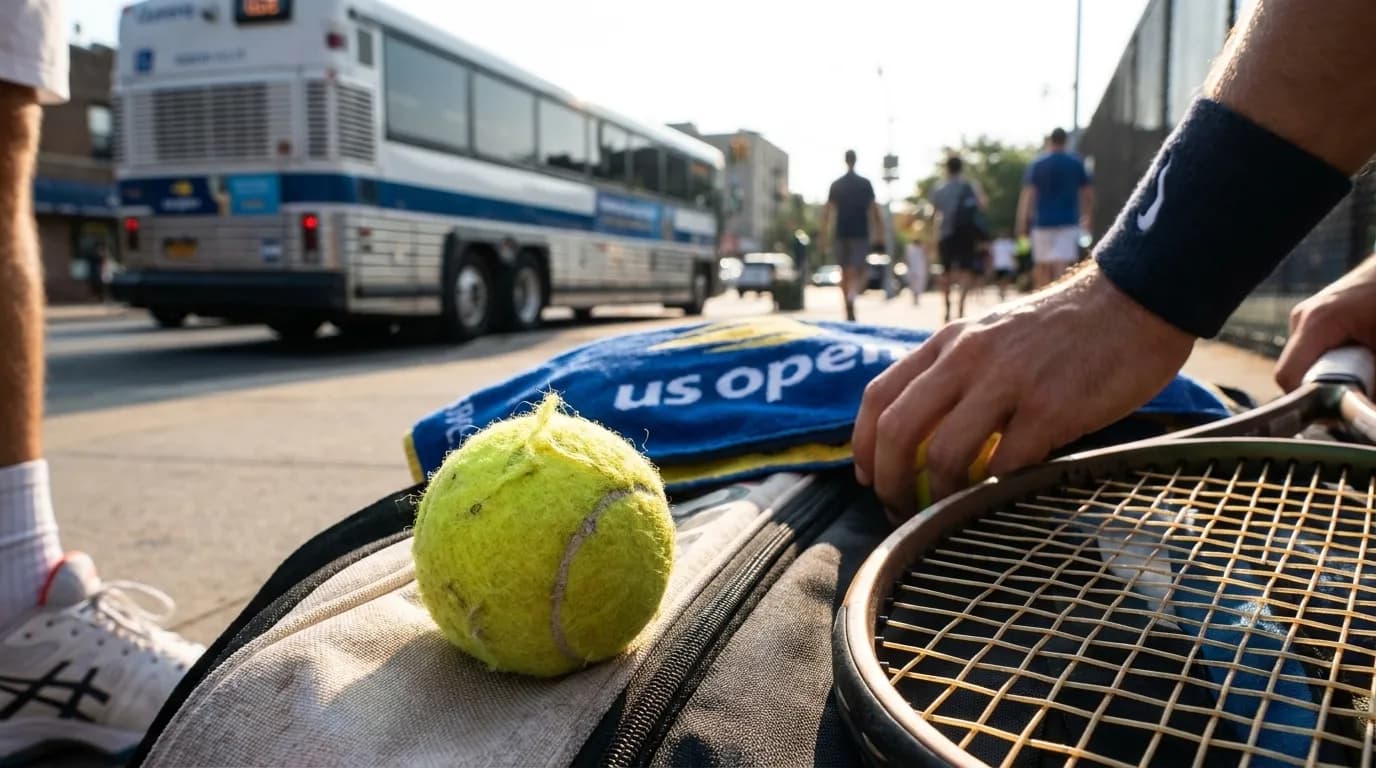
Ball type matters because it influences how the ball moves through the air, how high it rebounds, and how it responds to spin. If a ball feels lighter through contact or flies more readily, aggressive players may be rewarded for taking the first clean look. If it feels heavier or becomes harder to finish through, returners and strong movers may find more chances to extend points.
In men’s matches, the serving speeds, spin rates, and strike weight can make ball response especially obvious on first serves and heavy forehands. A ball that keeps its shape and pace can make holding serve feel cleaner. A ball that fluffs, slows, or rises into the strike zone can invite more returns into play and more grinding from behind the baseline.
In women’s matches, ball behavior can be just as decisive but sometimes shows up differently. Clean timing, early ball-striking, and directional changes are central weapons across the women’s field. If the ball comes through predictably, players who take it early can redirect pace with authority. If the bounce becomes higher or less clean, players may need more shape, more footwork adjustment, and more patience before changing direction.
The key is not to reduce either tour to one style. Men’s and women’s matches both include huge servers, elite defenders, first-strike hitters, and creative all-court players. The ball simply changes the cost of each choice: attack early, roll with spin, defend deeper, or come forward before the opponent settles.
Fresh Balls, Worn Balls, and the Middle of a Set
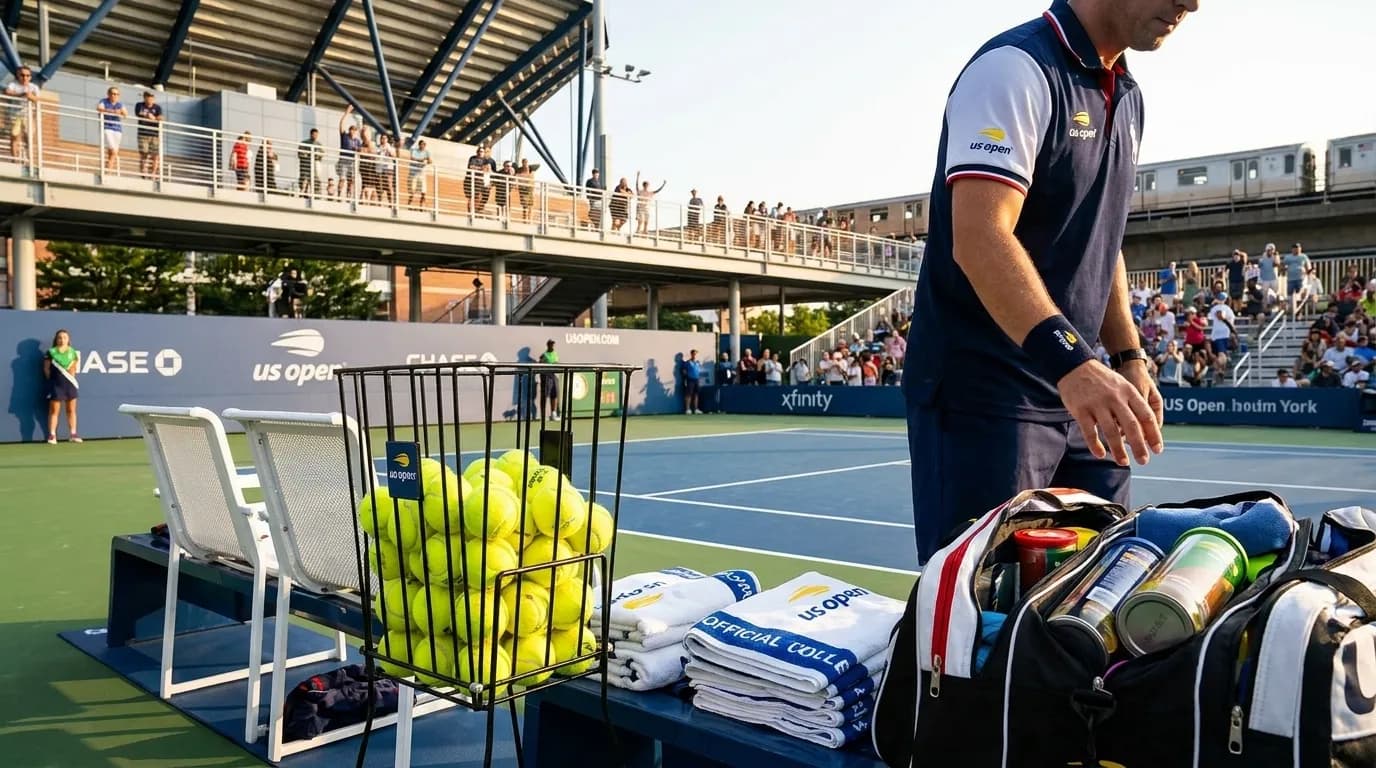
New balls tend to feel livelier. They often travel faster off the strings, respond sharply to clean contact, and can make serving and first-strike hitting more dangerous. Players know this rhythm well: when fresh balls arrive, the next service game can feel like an opportunity for extra pop, but also a moment when control must be managed carefully.
As balls wear, the felt can change, the ball can feel heavier, and the bounce can become less explosive. That can help defenders because the incoming shot may arrive with slightly less sting. It can also help patient attackers who are willing to build a point with height, depth, and repeated pressure rather than one flat strike.
For spectators, the middle of a set is often where ball wear becomes easiest to read. Watch whether players need more swings to finish a point. Notice whether passing shots dip as sharply, whether drop shots sit up, and whether deep balls push opponents back or merely invite a counterpunch. These are not perfect measurements, but they are good courtside clues.
- Fresh-ball clue: servers may go for wider targets, flatter first serves, or a more aggressive first forehand after the serve.
- Worn-ball clue: rallies may lengthen as the ball loses some bite and players choose safer height over quick winners.
- Returner clue: if returns start landing deeper late in a ball cycle, the receiver may be reading the pace more comfortably.
- Movement clue: if players are repeatedly jammed or reaching above shoulder height, bounce and spin are shaping the point.
Bounce Height Changes the Contact Point
Bounce is not just about how high the ball rises. It decides where a player must strike it: knee height, waist height, shoulder height, or somewhere awkward in between. A lower, skidding bounce rewards compact swings, quick preparation, and players who can redirect pace. A higher bounce can reward heavy topspin, patience, and the ability to strike above the shoulder without losing depth.
This is where gendered comparisons need care. A higher-bouncing ball does not automatically help or hurt men or women as groups. It affects individual contact zones, movement patterns, grips, and tactical preferences. One player may love a shoulder-high forehand and use it to open the court. Another may step in early to prevent the ball from climbing. A third may back up, add shape, and accept longer exchanges.
On return, bounce height can be even more important. If a serve kicks up above a comfortable contact point, the returner may block, chip, or float the ball back to reset. If the ball stays lower, the returner may be able to drive through the line earlier. These adjustments can explain why a match suddenly tilts even when neither player appears to have changed the scoreboard pattern dramatically.
Feel, Sound, and Confidence Under Pressure
Players often talk about “feel” because tennis is full of tiny sensory judgments. The ball’s sound at impact, the dwell on the strings, and the sense of whether it jumps or drags after contact all affect decision-making. Under pressure, a player who trusts the feel of the ball may swing through a second serve return or take a forehand early. A player who does not may add margin, aim bigger, or wait for a clearer opening.
Fans can hear some of this. A clean strike has a different sound from a mishit. A ball that is being brushed heavily has a different rhythm from one being flattened through the court. When multiple players in a match begin checking strings, changing racquets, or exaggerating follow-throughs, it may reflect ordinary adjustment to conditions rather than anything dramatic.
The most visible confidence signal is court position. If the ball feels controllable, players often creep forward, take time away, and trust shorter backswings. If timing feels uncertain, they may retreat a step, use more topspin, and make the opponent prove they can finish. Neither response is automatically right. The winner is usually the player who adjusts soonest without abandoning their best patterns.
What to Watch From the Stands or at Home
You do not need a radar gun or insider access to read ball effects. Start with the first two games, then compare them with the same players later in the set. Are returns landing deeper? Are serves coming back more often? Are cross-court exchanges climbing higher? Is one player stepping inside the baseline while the other is drifting back?
The US Open’s official event schedule, visitor A-Z guide, transportation information, and prohibited-items page are the right places to check before attending, especially close to travel, because schedules, gate times, venue rules, transit conditions, weather, and services can change. Once you are watching the tennis, keep the same cautious mindset: observe patterns, but do not overclaim exact court speed, private player plans, health status, or equipment choices.
- Before a match: check the official schedule and venue guidance rather than relying on older screenshots or third-party summaries.
- During warmup: notice whether players are taking the ball early, backing up, or testing high-margin topspin.
- After ball changes: watch the next service game for extra pace, more missed depth, or sharper first-strike patterns.
- Late in sets: look for legs and timing, not just tactics; a heavier-feeling rally can change decision-making under pressure.
- Across men’s and women’s matches: compare contact points and court position, not stereotypes about style.
Practical Notes
For a smarter US Open viewing day, treat the ball as part of the match story. Recheck the official US Open schedule, A-Z visitor information, transportation directions, and prohibited-items guidance close to your visit. If you are following the technical side, consult the ITF rules for the broader equipment framework. During play, track four simple things: how high the ball bounces, how quickly it gets through the court, how it seems to wear across a set, and how players change court position. Those clues will help you understand why a rally pattern is shifting without needing to guess at private information or rely on firm predictions.
Tags: #USOpen2026 #Tennis #NewYork #Queens #FlushingMeadows #KarpoFinds #Karpo #USOpenBalls #TennisEquipment #MatchFeel
Sources consulted: usopen.org — Official reference · usopen.org — Official reference · usopen.org — Official reference · usopen.org — Official reference · itftennis.com — Official reference
All trademarks are the property of their respective owners.
Ask Karpo first
Ask Karpo to compare bounce, felt wear, spin, and timing changes across US Open matchups.