 Mediterranean Food Near Me in Fort Greene: Miss Ada's Garden and Hummus
Neighborhood Guides
Hotels Near Me in NYC: Choose the Right Neighborhood
A practical NYC neighborhood guide for choosing the right stay near you
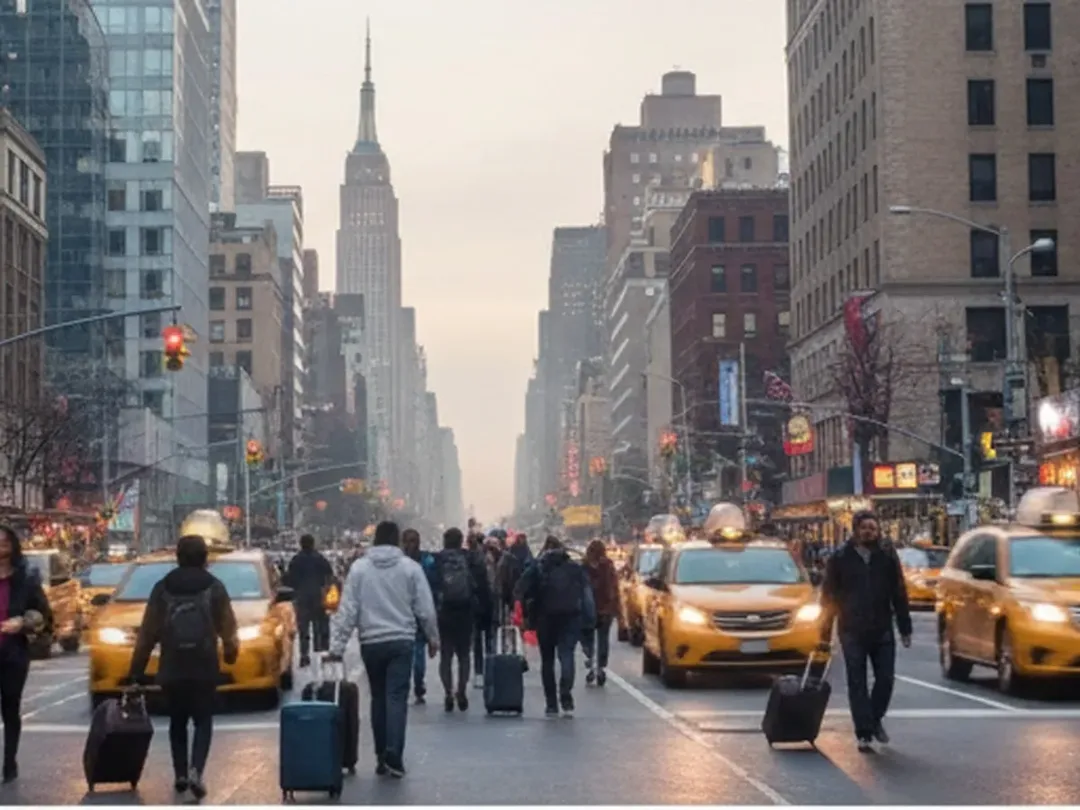
If you search hotels near me in New York City, the smartest first filter is your neighborhood, because in NYC distance on the map often matters less than subway access, arrival time, and how much hassle you want after check-in. A hotel in Midtown can make classic sightseeing easier, while Downtown, Long Island City, Brooklyn, or upper Manhattan can give you better value or a calmer stay; the best choice depends on whether you are here for business, a quick weekend, a concert, or a longer city break.
Want the fastest match? Use Karpo to compare NYC hotel areas by subway access, walkability, and budget before you book—so you spend less time searching and more time actually arriving well.
Start with the district, not the brand
For most NYC trips, neighborhood choice determines how easy your stay feels more than the hotel name does. Midtown Manhattan is the default for first-time visitors because it puts you near Penn Station, Grand Central, Times Square, Bryant Park, and many major office and theater blocks, while Downtown areas such as the Financial District and Lower Manhattan are often better for Lower Manhattan sightseeing, ferry access, and quieter nights.
If you are trying to stretch your budget, look beyond Manhattan to areas with strong transit and a lot of hotel inventory, including Long Island City in Queens, Downtown Brooklyn, and parts of Jersey City just across the river. Those areas can be especially useful when you want quick subway or PATH access without paying the highest Manhattan premium.
Best NYC hotel areas by trip type
For a first visit, Midtown West, Midtown East, and the Penn Station area are practical because they make it easy to reach major rail hubs and multiple subway lines. If your plans are mostly museums, shopping, and landmark sightseeing, staying in central Manhattan can reduce transfers and keep late-night returns simpler.
For food, nightlife, and a more neighborhood feel, Downtown Brooklyn, Williamsburg, the Lower East Side, and parts of Chinatown and the East Village are strong options, but they work best when you are comfortable using the subway or walking a bit more. For travelers who mostly care about sleeping, showering, and leaving early, Long Island City and some outer-borough business districts often offer newer inventory and better room sizes for the money.
Transit should drive the final shortlist
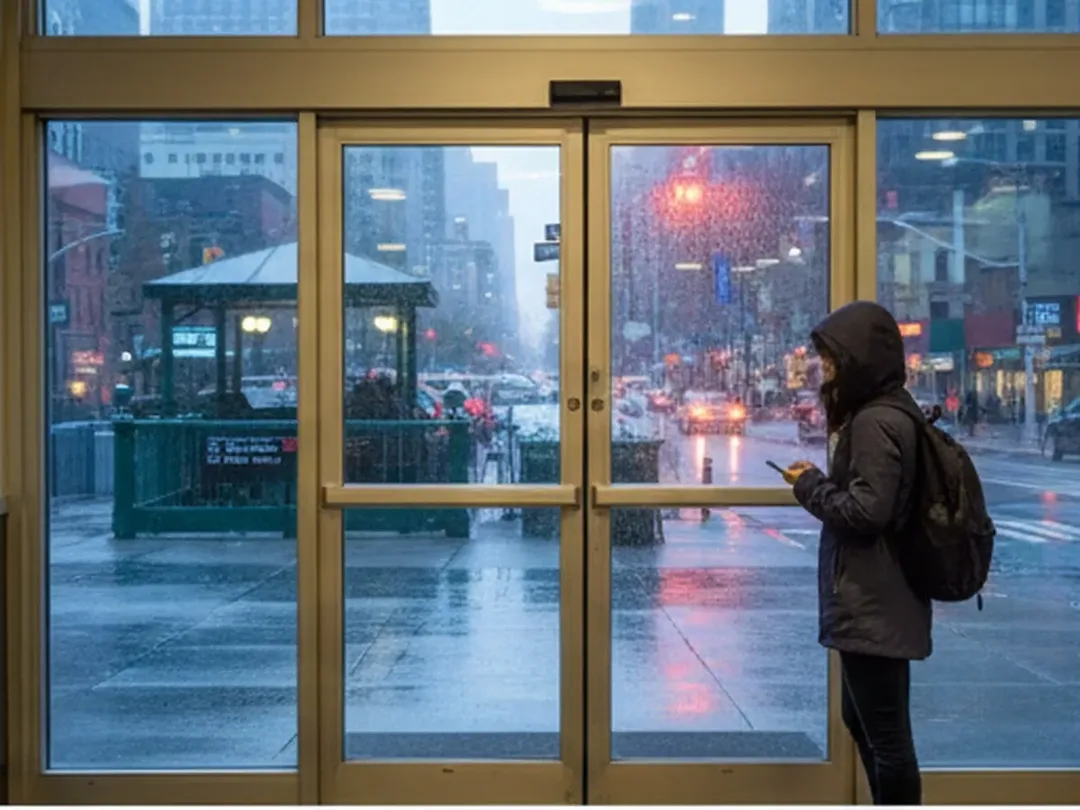
In NYC, hotel convenience is not just about being close to a landmark; it is about being close to the right train line for your daily plan. Before booking, check whether your hotel is near a subway stop with service that matches your arrival time and your late-night return, and confirm the station name on the MTA site rather than assuming a short street distance equals an easy trip.
This matters even more in August, when heat, walking fatigue, and crowded platforms can make a poorly placed hotel feel much farther away than it looks. If you are landing late at night or arriving with luggage, a hotel a few blocks from a major station can be more useful than one that is technically closer to a sightseeing attraction but harder to reach.
How to compare value without overpaying
Price in NYC changes quickly with season, events, room type, and day of week, so the best comparison is usually a few neighborhoods at once rather than a single property. A cheaper room in an outer borough may still cost more in time and transit if your plans are centered in Midtown, while a slightly higher Manhattan rate may save you money on rides and lost time.
Look at the full stay experience: room size, deposit or incidental hold, breakfast inclusion, luggage storage, cancellation rules, and whether the hotel charges a destination or facility fee. Because these details can change, verify the current policy directly on the hotel’s official page or booking confirmation before you finalize anything.
Good fallback areas when Manhattan sells out
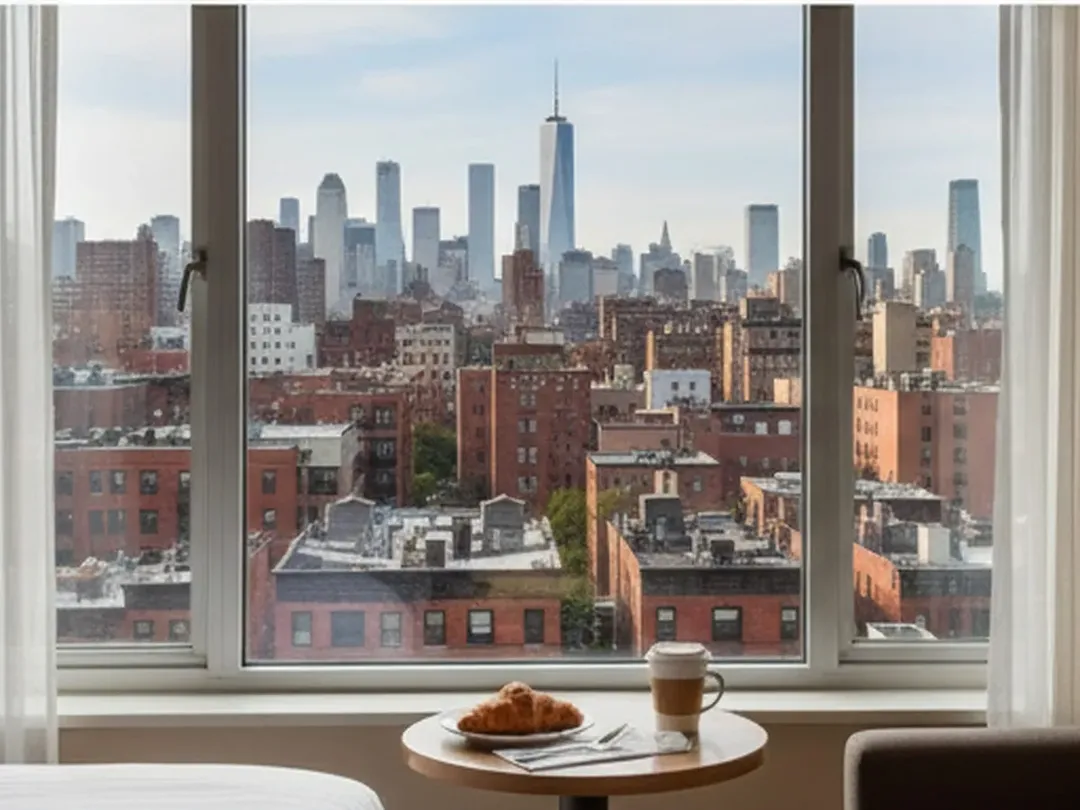
When central Manhattan is expensive or full, Long Island City is often the first backup because it gives you fast access to Midtown while usually feeling less chaotic than the busiest hotel corridors. Downtown Brooklyn is another useful fallback for travelers who want a mix of subway access, dining, and room value, especially if they plan to spend time in Brooklyn or lower Manhattan.
If you are staying for a concert, sports event, or a specific venue, it can also make sense to book near the venue instead of the tourist core. That can reduce late-night transfer stress and simplify both arrival and departure, especially on weekends when trains may run on altered schedules.
What to verify before you book
Before you reserve, confirm the hotel’s exact address, nearest subway stop, check-in window, and any age, ID, or payment requirements. If you are arriving after midnight, verify late check-in directly and make sure your card and identification match the reservation name to avoid delays at the desk.
Also recheck transportation details on the MTA site and verify the neighborhood on a map so you are not surprised by a hotel that uses a famous area name but sits several blocks away from the activity you actually want. If your dates overlap with major city events, expect higher rates and tighter availability, and review cancellation terms carefully before committing.
Ask Karpo first
If you want a faster answer than browsing ten tabs, ask Karpo to sort NYC hotels by neighborhood, subway access, nightly budget, and trip goal. That is the easiest way to turn a vague search for hotels near me into a short list that actually fits your plans, whether you need a last-minute bed near a station, a quieter base for remote work, or a place that keeps your sightseeing time efficient. Save the shortlist, compare the policies, and book only after you have verified the location and transit one last time.
For current planning, use 2026 neighborhood data and official hotel pages rather than older roundups, since NYC pricing and availability change quickly. If you are choosing between two areas, prioritize the one that minimizes transfers and late-night travel for your actual itinerary, not the one that merely sounds closest on a map.
Tags: #nyc #hotels #neighborhoodguides #midtown #longislandcity #brooklyn #travel #transit #NYC #KarpoFinds #AskKarpo
Sources consulted: NYC Tourism summer guide · MTA official site · NYC Tourism official site · NYC consumer guidance
All trademarks are the property of their respective owners.
Ask Karpo first
If you want, I can narrow this down to the best NYC hotel area for your trip style—closest to landmarks, best subway access, safest-feeling late check-in, or the lowest nightly rate.
Ask Karpo for more information.
Keep reading
- Mediterranean Food Near Me in Fort Greene: Miss Ada's Garden and Hummus
 Places To Eat Near Me in Chelsea: The Market Fills a Nabisco Factory
 Seafood Near Me in the East Village: The Mermaid Inn's Dollar Oysters