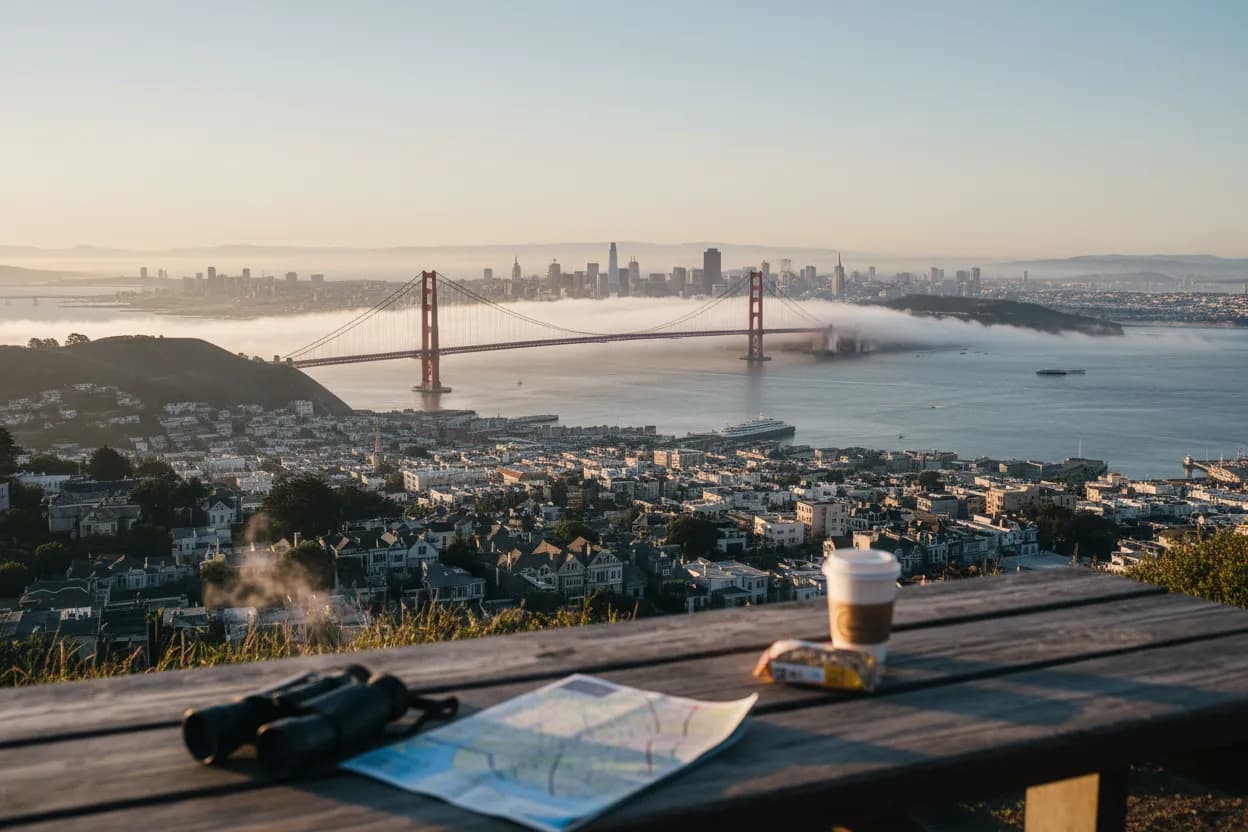
If the word hospital is what put San Francisco on your radar today, do not turn that curiosity into a chase for rumors, private facilities, or unverified appearances. Treat it as a reminder to plan something grounded: a free, public, low-commitment city outing that does not depend on a celebrity sighting, a sponsored activation, or an event that may shift before you arrive. San Francisco rewards visitors who check access first, keep routes short, and use transit information before stepping out. The useful move is simple: pick one public anchor, confirm it through an official page, build a walkable plan around it, and keep enough flexibility to leave if crowds, weather, or service alerts make the first idea less practical.
Want a fast reality check before you leave? Text Karpo with your starting point, time window, and preferred pace, and ask for a free San Francisco plan with an official-source access check.

Turn current interest into a genuinely free outing
A timely search term can be useful if it pushes you toward better planning instead of speculation. In this case, hospital should not be read as a promise of anything happening at a medical site, nor as a reason to seek private access. For a free San Francisco outing, the safer interpretation is: use the moment as a prompt to get outside, stay on public routes, and avoid plans that depend on unofficial posts or secondhand claims.
Start by defining “free” narrowly. Free means no required ticket purchase, no paid tour, and no need to enter a private facility. It does not mean transit is free, parking is available, or access will remain unchanged all day. The official SFMTA site provides a Trip Planner with choices for Muni, biking, walking, driving, and parking; use that as the transportation layer rather than assuming a route will work from memory.
The best no-cost plan is usually modest: one anchor, one nearby walk, one exit option. This keeps the outing useful even if a page loads slowly, a crowd forms, or a transit alert changes the route. San Francisco is dense enough that a short plan can still feel complete, especially if you build it around public access instead of a promoted happening.
Start with public access rather than a promoted event
Before choosing where to go, separate public access from event marketing. Official pages can be slow, protected by security verification, or temporarily difficult to load, as the SF Travel page extract shows with a security verification screen. That is not a reason to substitute social posts for facts. It is a reason to slow down and verify through the most direct official source available before you commit your time.
For outdoor public-space ideas, use the official San Francisco Recreation and Park Department site as the check point for changing details. The extract available here does not provide a park list, hours, closures, or amenity details, so the responsible move is to verify the specific location on sfrecpark.org before treating it as open and suitable. If the page does not confirm what you need, choose another public route rather than forcing the plan.
Do not build the outing around a claim that someone important will appear, that a private building will allow access, or that a pop-up will definitely happen. A useful city guide should protect your time. If an idea cannot be verified from an official page, downgrade it from “plan” to “maybe,” and make the confirmed public walk the real itinerary.
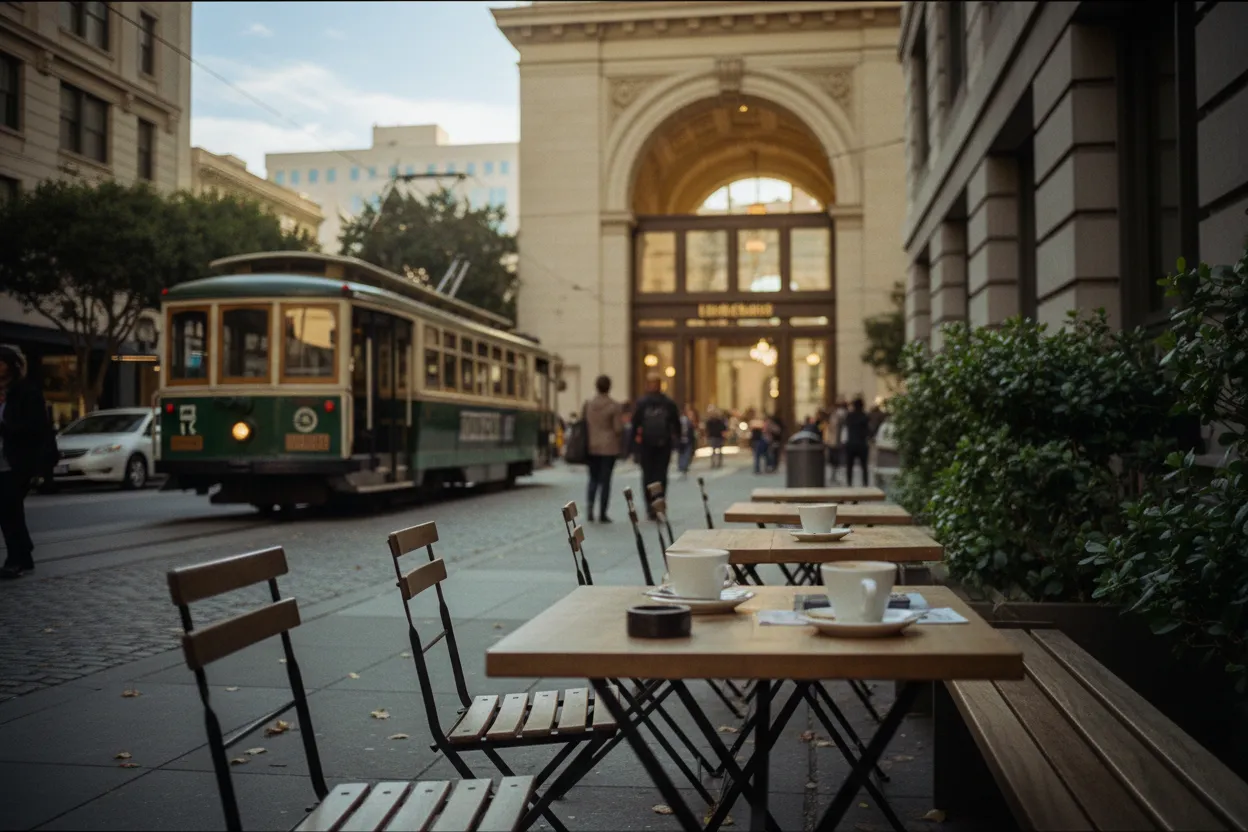
Build a short route around one strong anchor
Pick a single anchor you can verify: an official public destination, a civic meeting point, or a public outdoor area whose access status is clear on the day. Then use the SFMTA Trip Planner to test how you would reach it by Muni, bike, walking, driving, or parking. SFMTA also points visitors to Muni routes and stops, transit maps, and travel maps and guides, which makes it the right place to check the movement side of the plan.
Keep the route short enough that you can finish it without depending on perfect conditions. A practical structure is arrival, ten minutes to orient yourself, a simple public walk, and a clear return path. If you are meeting someone, set the meeting point where both people can reach it by a verified transit or walking option. Avoid vague instructions like “near the event” or “by the crowd,” because those become useless if conditions change.
If you plan to use Muni, check alerts before leaving and again while en route. The SFMTA extract shows that alerts can be active and can also clear, such as a final update noting a delay at Randolph and Orizaba had cleared and inbound M Ocean View service was resuming. The lesson is not to memorize that specific incident; it is to treat service status as live information.
Use weather and crowd pressure as decision points
A free plan is only good if it remains comfortable and safe enough to complete. Since official access details and transit conditions can change, make decision points before you leave: if the anchor is unclear, switch; if the route requires too many transfers, shorten it; if crowd pressure looks high, use your backup. San Francisco rewards people who adjust early rather than waiting until they are stuck in a bottleneck.
Crowd risk is not only about major events. The SFMTA site lists calendar items, meetings, travel and transit updates, and notices such as Hayes Valley Shared Spaces on Fridays and Saturdays in August 2026, service changes starting Aug. 29, and a listed SF Pizza, Bagel, Beer Festival on Saturday, Aug. 15, 2026. Do not assume those items are relevant to your exact route, but do check the official travel updates before crossing town.
Weather is another reason to keep the plan compact. Because the provided official extracts do not state today’s forecast, do not rely on a fixed outdoor schedule without checking a current official weather source separately. Your outing should have a simple rule: if conditions make the anchor less appealing, stay public, stay free, and move to the backup rather than turning the day into an endurance test.
Know when free still requires registration
Free does not always mean walk-up. Some public programs, meetings, or activities may require advance registration, timed entry, capacity limits, or a check-in process, and those details can change. The official extracts here do not confirm registration rules for any specific free attraction, so do not assume a place is available just because someone described it as free.
Use a two-question test. First, does the official page say the space or activity is open to the public at the time you want? Second, does it mention registration, reservations, capacity, or access conditions? If either answer is unclear, treat the plan as unconfirmed. This is especially important when current search interest is pulling people toward the same topic, because online attention can create crowding even without an official event.
If a free option requires registration and you cannot confirm a spot, do not argue with the logistics. Pick a public walk, a verified open outdoor area, or a transit-light route instead. The goal is not to win a perfect itinerary; it is to preserve the day with a plan you can actually execute.
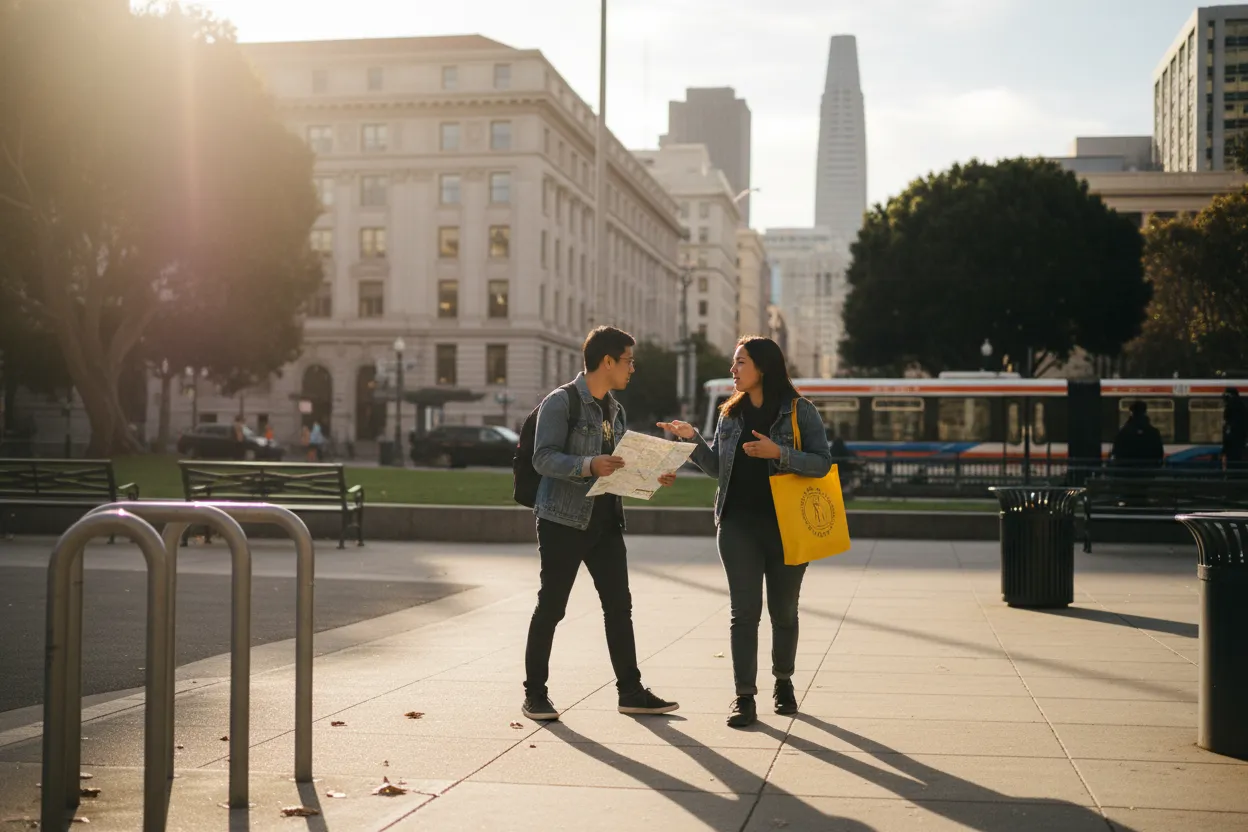
Recheck access on the day
On the day of the outing, recheck three things in this order: access, route, and exit. For access, return to the official page for the specific public place or activity. For route, use SFMTA’s Trip Planner and alerts rather than a stale screenshot. For exit, decide how you will leave if the first plan becomes crowded, delayed, or unavailable.
SFMTA offers visitor information for getting around San Francisco by Muni transit, bike, foot, or car, and its site includes sections for taxi, accessibility, fares, travel maps, and regional information links. It also lists 311 for help, with an outside-San-Francisco number of 415.701.2311 and TTY 415.701.2323, plus free language assistance. Those are practical tools when a simple free outing starts to feel less simple.
Your backup should be chosen before you arrive, not after frustration sets in. Make it nearby, public, and independent of the same access risk as your anchor. If your first choice depends on a page you cannot verify, the backup should be a confirmed walking route or another official public option. That is how a search-driven impulse becomes a calm San Francisco plan instead of a rumor hunt.
Tags: #SanFrancisco #FreeThingsToDo #AskKarpo #BeforeYouGo #SFTransit #Muni #SFMTA #PublicAccess #CityGuide #LocalLife #SFOutdoors #TravelSmart #CrowdCheck #AccessCheck
Sources consulted: sftravel.com · sfmta.com · sfrecpark.org
All trademarks are the property of their respective owners.
Ask Karpo first
Ask Karpo first if your plan depends on a changing access detail, a live transit route, or a free activity that might require registration. Share your starting point, time window, and mobility needs, and ask for a public-source check before you spend the trip getting there.