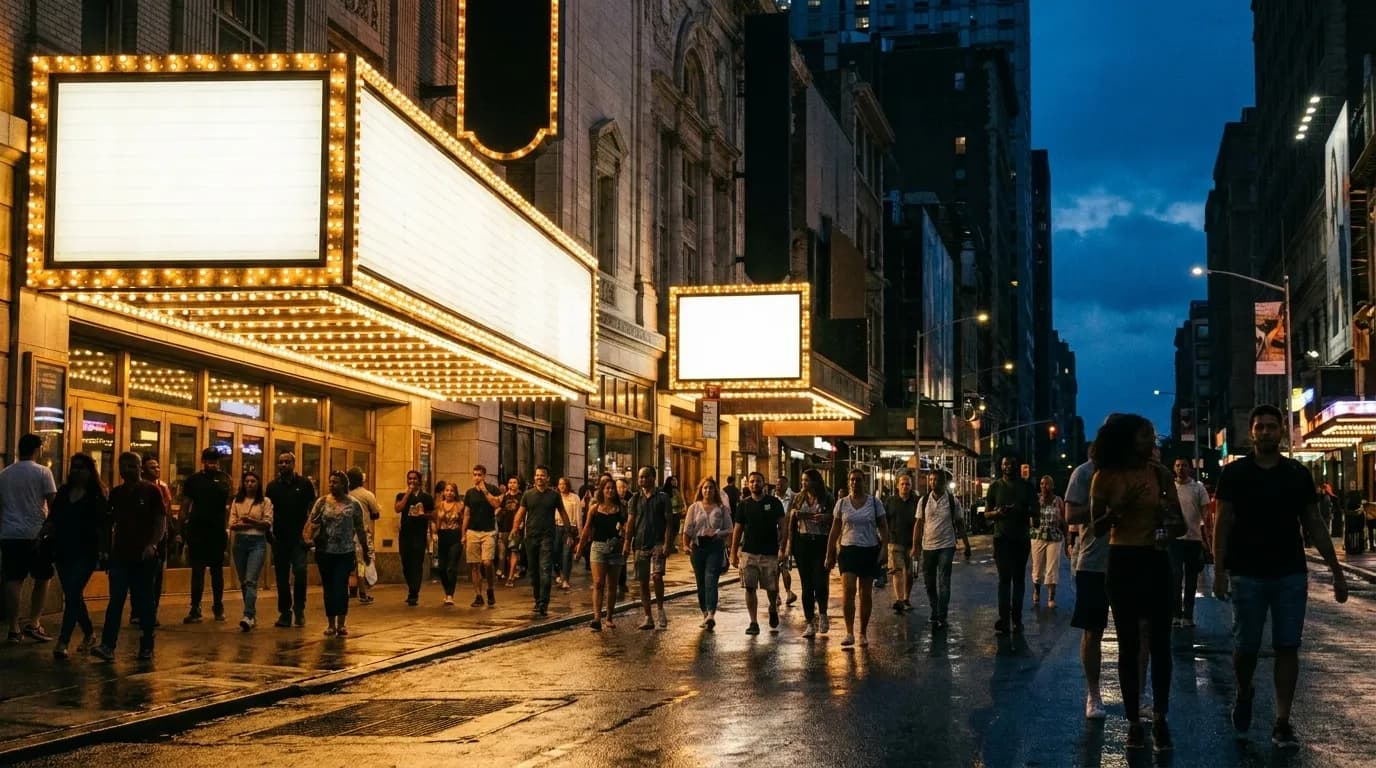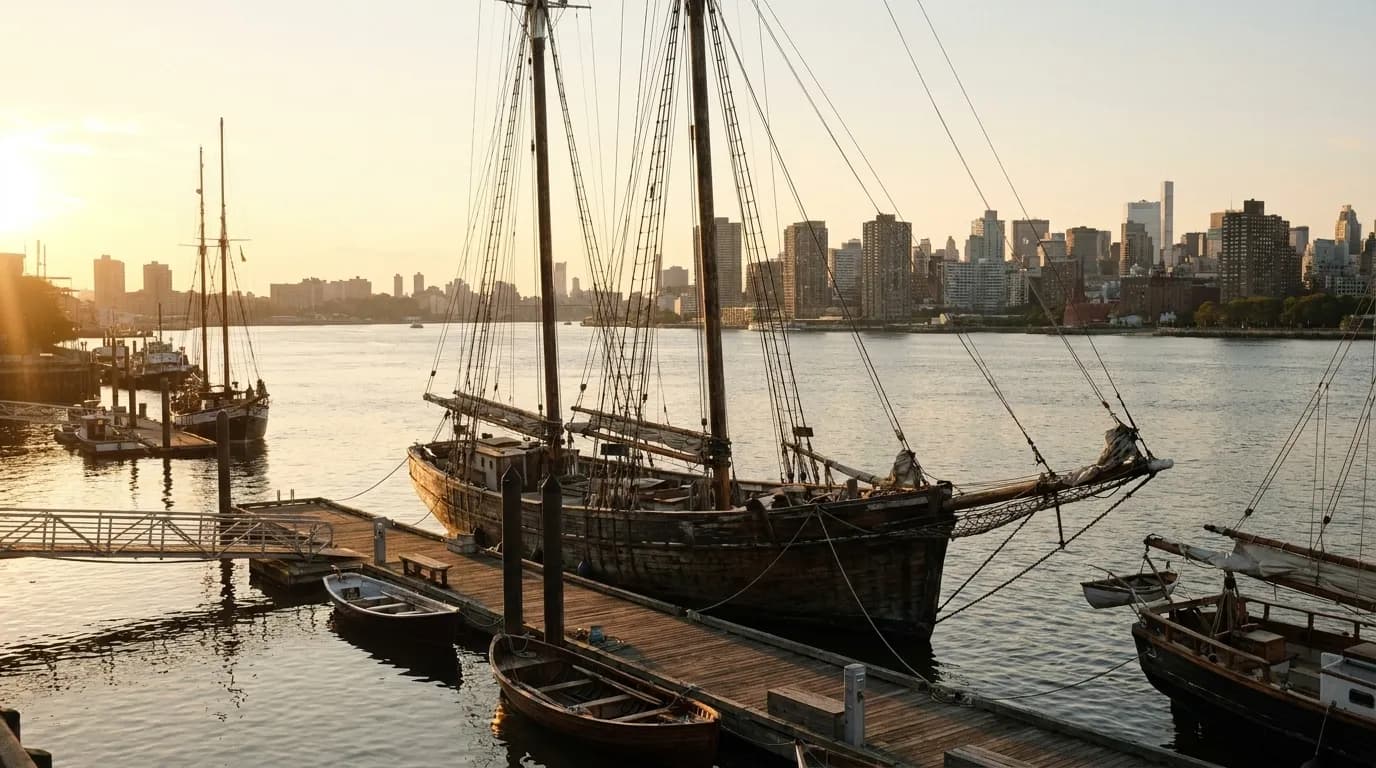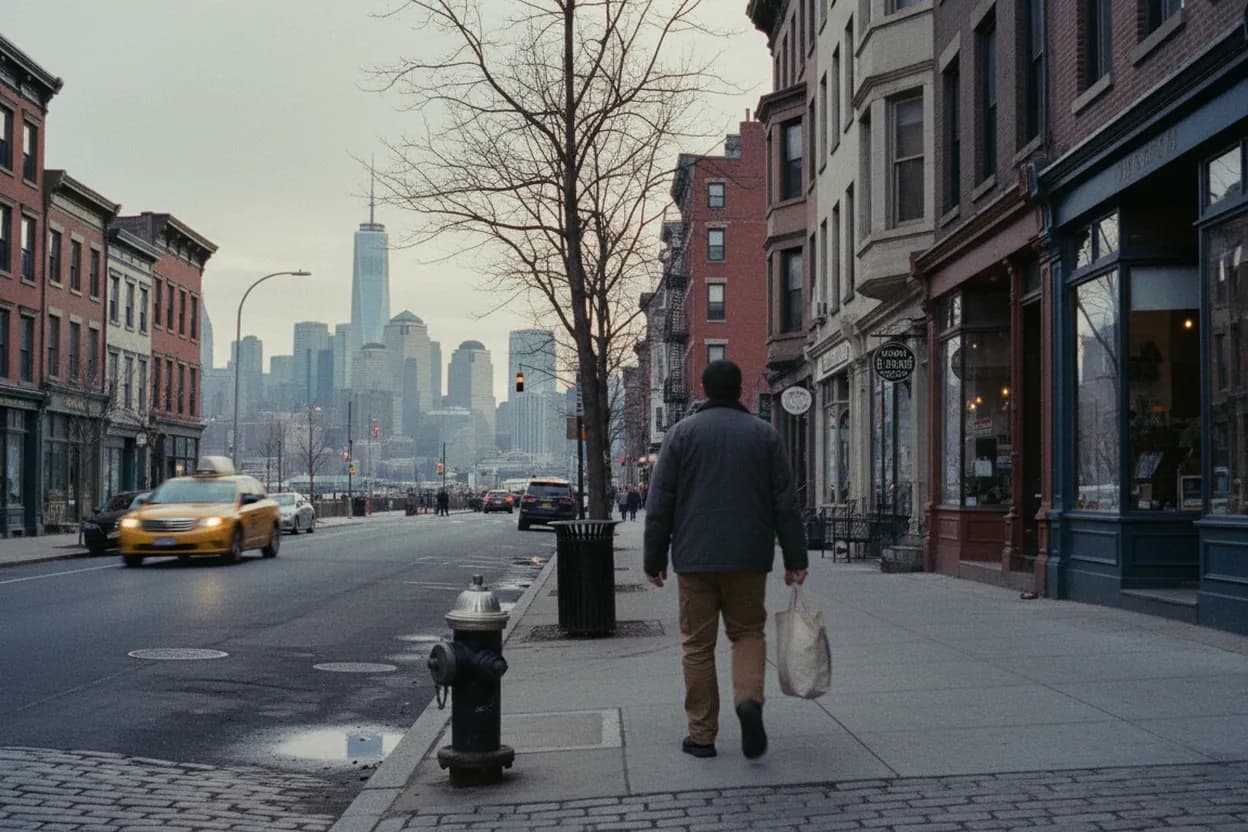
For those in New York City with a keen interest in history, the surrounding region offers an array of captivating waterfront towns, each with a unique narrative woven into the fabric of American heritage. These destinations provide a welcome respite from urban life, presenting opportunities to explore well-preserved colonial architecture, significant Revolutionary War landmarks, and connections to prominent historical figures. From the Hudson Valley's scenic beauty to Long Island's coastal charm, these towns are ideal for a day trip, offering a blend of educational experiences and picturesque settings, all within a reasonable distance of the metropolis. This guide focuses on low-friction, executable plans for history buffs seeking an accessible journey into the past.
Want Karpo to craft a personalized itinerary for exploring these historic waterfront towns? Text Karpo "Historic Towns NYC" for a tailored plan.
Kingston: New York's First Capital
Kingston, established in 1652, holds the distinction of being New York State's first capital. Its rich history includes being burned by British forces during the Revolutionary War in 1777. Today, the city is celebrated for its well-preserved architecture, particularly within the Stockade District (Uptown Kingston), where numerous 17th and 18th-century buildings stand, including the Senate House, site of New York’s first Senate meeting.
The Rondout–West Strand Historic District, located along the waterfront, offers insights into Kingston’s maritime past. Visitors can explore the Hudson River Maritime Museum and the Trolley Museum of New York, both situated by the water. Kingston is approximately 91 miles north of New York City, with a typical drive time of about 1 hour and 47 minutes, depending on traffic.
Rhinebeck: Dutch Heritage and Gilded Age Charm
Nestled in the Hudson Valley, Rhinebeck, founded in 1686, showcases its Dutch heritage through landmarks like the Beekman Arms Inn, recognized as America’s oldest continuously operating inn. George Washington himself is said to have dined under its roof. Beyond its historical inns, Rhinebeck is known for its vibrant arts scene, boutique shops, and farm-to-table eateries, making it an appealing destination for diverse interests.
For those interested in grand estates, the Wilderstein Historic Site offers tours of a Victorian mansion and scenic views of the Hudson River. The town is situated just under two hours from New York City, providing a blend of historical exploration and contemporary attractions, including the famous Rhinebeck Aerodrome and its annual Sheep and Wool Festival.

Cold Spring: A Storybook Village on the Hudson
Cold Spring, founded in 1730 and incorporated in 1846, presents a remarkably preserved 19th-century waterfront village that feels like a step back in time. Its central area is recognized on the National Register of Historic Places, largely due to its well-maintained 19th-century architecture. The town's historical significance is deeply connected to the West Point Foundry, an industrial powerhouse during the 19th century; remnants can be explored at the Foundry Preserve.
Main Street in Cold Spring offers antique shops, cafes, and bookstores housed in historic buildings, ideal for a leisurely stroll. The village is approximately 50 miles north of New York City and is easily accessible by Metro-North Railroad’s Hudson Line from Grand Central Terminal, with a scenic train journey taking about an hour and ten minutes. For outdoor enthusiasts, the waterfront park offers tranquility, and nearby Mount Taurus (Bull Hill) provides hiking opportunities, though the popular Breakneck Ridge trailheads are currently closed for safety improvements until mid-2027. The surrounding Hudson Highlands State Park Preserve offers alternative routes.
New Paltz: Huguenot History and Artistic Flair
New Paltz, established in 1678 by French Huguenot refugees, offers a unique blend of deep history and a lively contemporary atmosphere. The heart of its historical appeal lies in Historic Huguenot Street, a National Historic Landmark District featuring original stone houses that narrate tales of 17th-century life and early settlement.
Beyond its historical core, New Paltz is a college town with a bustling arts scene, distinctive boutiques, and diverse dining options. The Water Street Market, with its vintage shops and galleries, reflects the creative spirit of the village. For nature lovers, the Mohonk Preserve and Sky Top Tower offer trails and panoramic views, making New Paltz a destination where history and outdoor adventure converge, approximately 90 minutes from NYC.
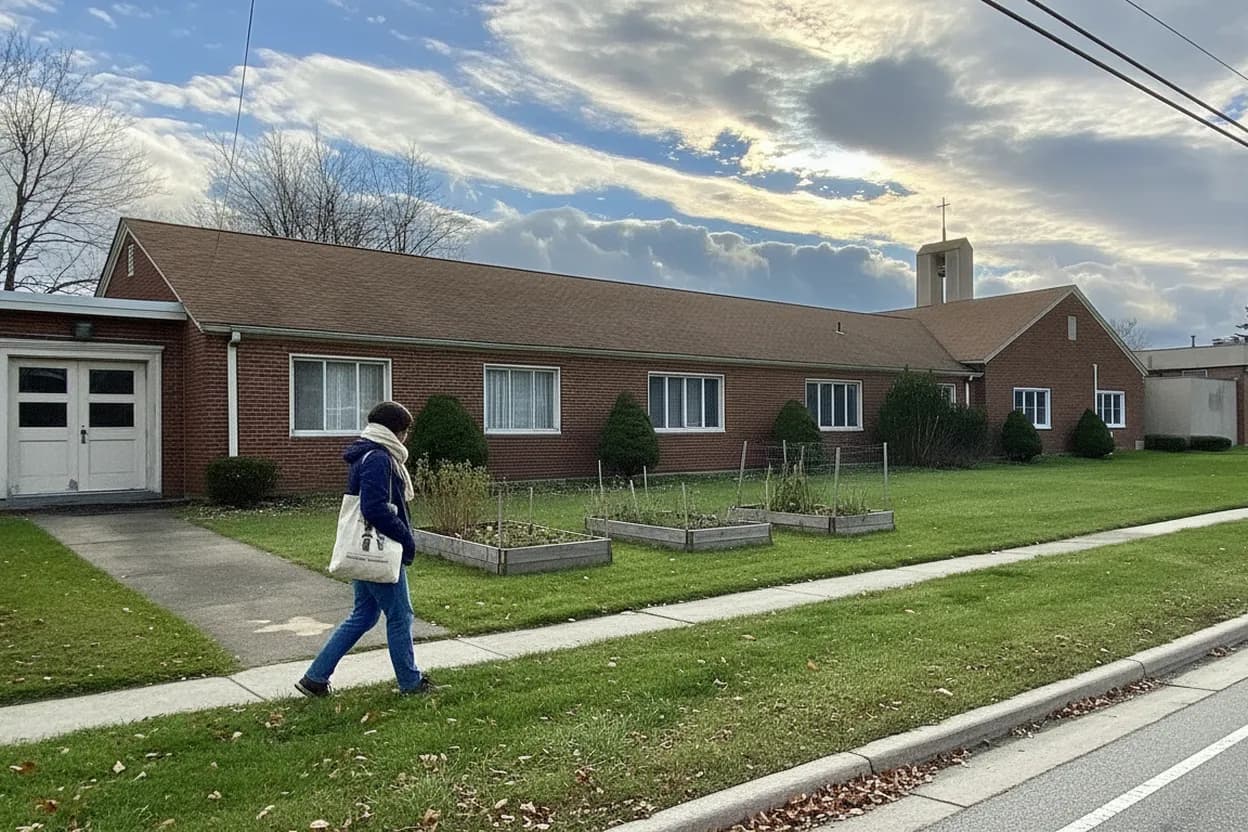
Oyster Bay: Presidential Connections and Spy Ring Secrets
Oyster Bay, a historic hamlet on Long Island’s North Shore with roots dating to 1639, boasts significant landmarks. Raynham Hall Museum, built in 1738, was once home to the Townsend family, including Robert Townsend, a key member of George Washington’s Culper Spy Ring during the Revolutionary War. The museum now exhibits Colonial and Victorian-era furnishings.
The Oyster Bay Railroad Museum, housed in the original 1889 station, and the 1902 Oyster Bay Long Island Rail Road Turntable, both on the National Register of Historic Places, preserve the area’s rich railroad heritage. Theodore Roosevelt Memorial Park, established in the 1920s, honors the 26th U.S. President's deep connection to the area, offering recreational facilities and a tranquil environment. Oyster Bay is approximately 35 miles from NYC.
Mamaroneck: Colonial Roots and Hollywood Glamour
Mamaroneck, a historic waterfront town in Westchester County dating back to 1661, offers a blend of colonial history and early 20th-century Hollywood allure. It was the site of the Battle of Mamaroneck in 1776 during the American Revolutionary War. Later, in the 1920s, it transformed into a significant center for silent film production, attracting stars like Charlie Chaplin.
Today, Mamaroneck provides a peaceful retreat with Harbor Island Park for waterfront activities like stand-up paddleboarding and kayaking. On land, the 10.6-acre Hommocks Conservation Area offers lush woodlands and a salt marsh, while the 2.5-mile Leatherstocking Trail connects to the Colonial Greenway. The town is accessible from Manhattan in under 40 minutes via Metro-North, making it a convenient escape.
Planning Your Historic Waterfront Day Trip
When planning your day trip to these historic waterfront towns, consider the specific historical attractions that align with your interests. Some towns, like Kingston and Cold Spring, are easily accessible by train via Metro-North, offering a car-free option. Others, such as Oyster Bay and Mamaroneck, might be more convenient by car, depending on your starting point in NYC and preferred exploration style. Traffic conditions, especially on weekends, can impact travel times, so planning for potential delays is advisable.
It is always good practice to verify the operating hours, tour availability, and any reservation requirements for specific museums, historic sites, or attractions before your visit. Weather can also influence outdoor activities, particularly for those planning hikes or waterfront excursions. Checking official websites for the most current information will ensure a smooth and enjoyable historical exploration.
Tags: #HistoricNYC #DayTripIdeas #WaterfrontTowns #HudsonValley #LongIslandHistory #RevolutionaryWar #AmericanHistory #WeekendPlans #ExploreNewYork #TravelNYC #HistoryBuff #KarpoNYC #AskKarpo #BeforeYouGo
Sources consulted: Source 1: thecollector.com · Source 2: secretnyc.co · Source 3: dailylifetravels.com · Source 4: secretnyc.co · Source 5: newyorktravelguides.com
All trademarks are the property of their respective owners.
Ask Karpo first
Tell Karpo your date, group size, budget, and starting neighborhood. We’ll check current access, timing, transit, and the cleanest plan for Various towns near NYC before you head out.