The most common mistake people make with San Francisco nightlife is searching for a club. It produces a list of half a dozen rooms, three of which have changed hands, and tells you nothing useful about what is happening on a Friday. This city's dance culture is organised around the night rather than the address: a crew books a room, builds a following, and takes that following with them when the room becomes unavailable. Once you understand that, the city stops looking thin and starts looking dense.
Karpo can tell you which parties are actually running near you tonight, not just which buildings have a liquor licence.
Why the party moves and the building does not
San Francisco has lost a lot of physical nightlife square footage over the past two decades, and the rooms that remain are expensive to hold. The practical result is a promoter economy: a resident crew rents a night from a venue, programmes it, promotes it themselves and pays a door split. When the rent goes up, the lease ends or the room turns into something else, the crew relocates and the night continues under the same name in a different postcode.
This is why a venue-first search is unreliable and a night-first search is not. A party that has run monthly for eight years has survived three addresses, and the people who go are following the residents, not the room. Search the name of the party rather than the name of the club and you will find the current location, usually posted a week out.
Where the rooms actually are
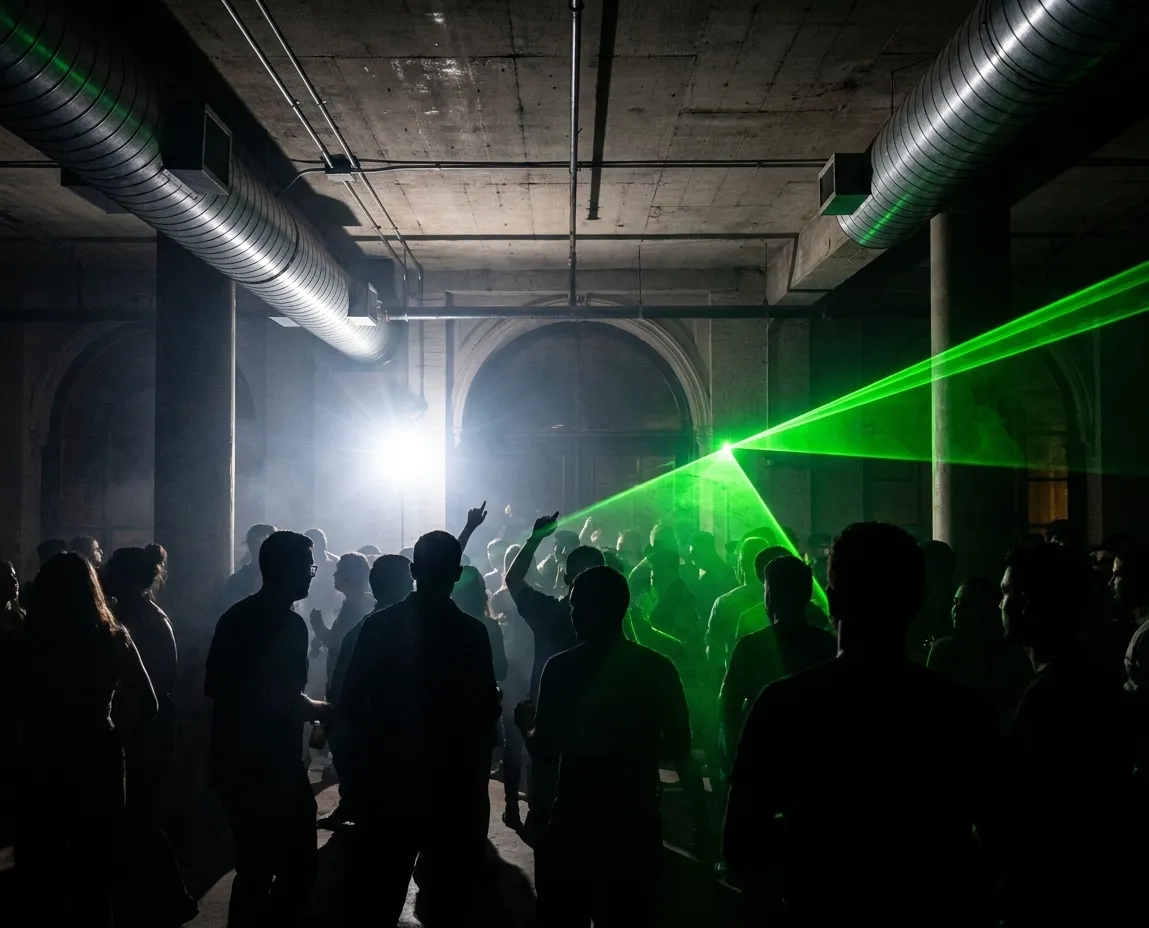
The concentration is in SoMa and the Mission, with a scattering in the Tenderloin and a handful of larger rooms near the waterfront and out toward Bayview. SoMa is the historic warehouse district for this, and the surviving spaces there tend to be the biggest, loudest and most sound-treated, because they were built to be. The Mission rooms are smaller, closer together and more walkable between, which makes for a different kind of evening.
Geography matters more than usual here because of the hills and the transit. Three SoMa rooms within four blocks of each other can be treated as one destination; a Bayview warehouse cannot. Decide the district first and the night second if you are relying on transit, and the other way round if someone is driving.
Hip-hop and EDM are programmed differently
Hip-hop nights in this city are overwhelmingly bar-and-club nights: a resident DJ, a mixed room, no headliner billing, free or low cover before a cutoff, and a crowd that arrives late and leaves at close. They are advertised by night name and residency rather than by lineup, which is why they are hard to find with a search engine and easy to find on a promoter's page.
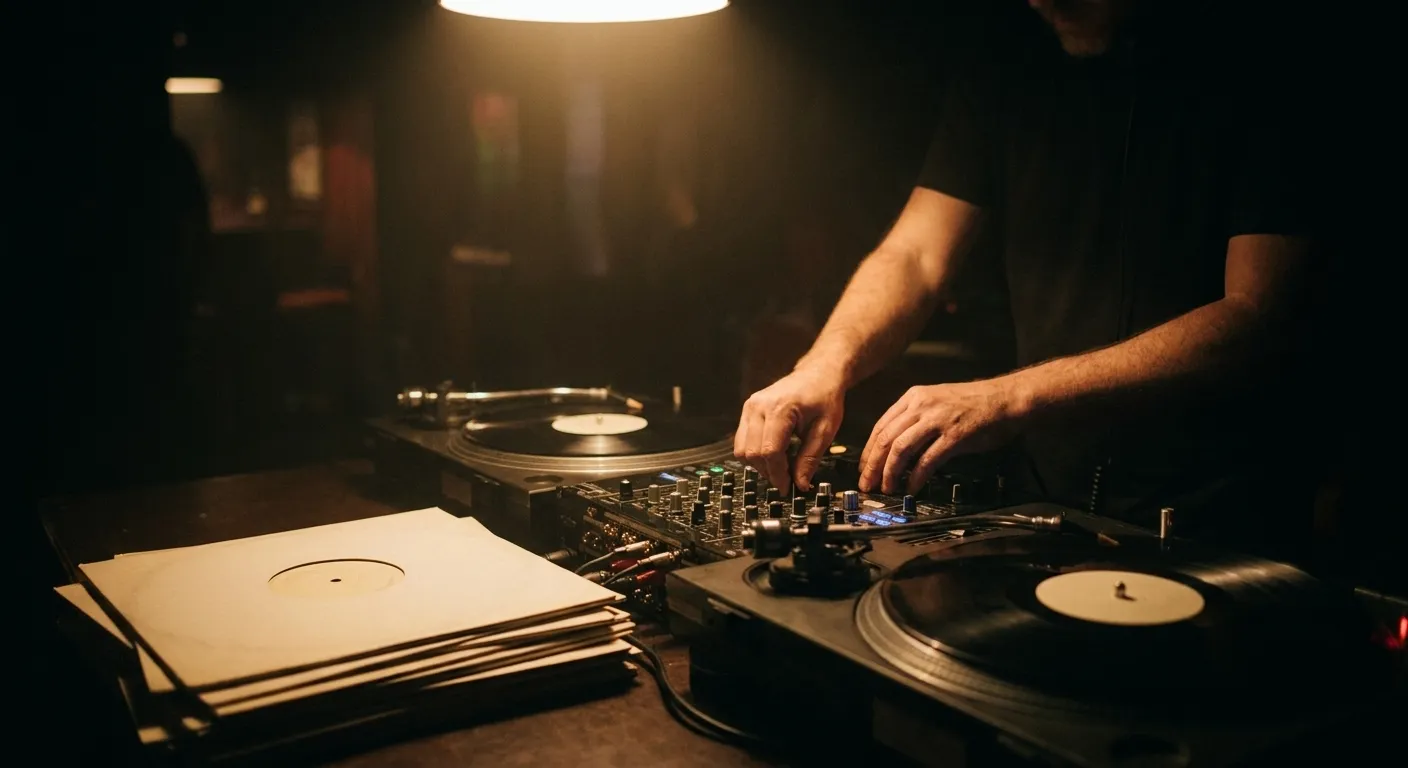
Electronic programming splits in two. The ticketed side runs headliners with a support bill, doors at nine or ten, and tickets that genuinely sell out for the bigger names. The other side is the residency circuit: house, techno, bass and edits nights that recur weekly or monthly, cost ten or fifteen dollars at the door, and are where most of the good dancing happens on an ordinary week.
The two o'clock problem
California stops alcohol service at two in the morning, and San Francisco enforces it plainly. The knock-on effect shapes everything: rooms open earlier than in cities with later licences, the peak hour is closer to midnight than to two, and a party that starts at eleven has three hours rather than five. Arriving at half past midnight in this city means arriving late.
Some nights continue past two without alcohol service, and the after-hours culture exists but is genuinely underground and not something you can plan around from a search result. Treat two o'clock as the end of the evening, plan the journey home before you go out, and you will have a better time than the people improvising at closing.
How to find a night without knowing anyone
Follow three or four resident crews rather than three or four venues. Every recurring party has a page where the next date goes up, usually seven to fourteen days ahead, and the same page tells you the cover, the age policy and whether there is a presale. Two or three of these in your feed produces a reliable weekly picture of the city.
Record shops, coffee counters near the Mission clubs and the venues' own listings are the offline equivalent and still work. The single most efficient method is asking whoever is playing the music at a bar you already like where they play on weekends, which almost always produces a real answer rather than a marketed one.
Cover, presale and the door
Door prices for residency nights sit low by big-city standards, often ten to twenty dollars, sometimes free before a stated hour. Ticketed shows with a booked headliner are a different economy and can run substantially higher once platform fees are added. The fees are where the surprise lives, so check the total at checkout rather than the face value.
Cash still speeds up a door that is running a manual list, and some smaller rooms prefer it. Bring physical identification regardless of how old you look; the licence conditions are strict enough that doors do not exercise discretion, and a photograph of your identification on a phone is not accepted anywhere that matters.
The unglamorous logistics that decide the night
Coat checks are inconsistent and this city is cold after dark in a way that catches visitors out every single summer. A layer you can check or tie around you is worth thinking about before you leave, because standing outside a SoMa door in a queue at eleven in a t-shirt is genuinely unpleasant in July.
Getting home is the other half. Late-night transit runs on a reduced network, rideshare surges hard at closing when several rooms empty at once, and walking between SoMa and the Mission at two is fine on some blocks and less so on others. Deciding the route while sober is the difference between a good night and an expensive twenty minutes.
Tags: #SFNightlife #SanFrancisco #ClubsNearMe #HipHopNights #EDM #SoMa #MissionDistrict #WarehouseParty #DJResidency #DanceFloor #NightOut #BayArea #LateNight #WatchParties
Please drink responsibly. Must be of legal drinking age.
All trademarks are the property of their respective owners.
Ask Karpo first
Want to know which parties are running near you this weekend and what the door costs before you leave the house? Ask Karpo.