 Ghost Walk Near Me in Greenwich Village: Edgar Allan Poe's Haunts
Weekend Plans
Highbridge Park's Water Tower Trail in Peak Foliage
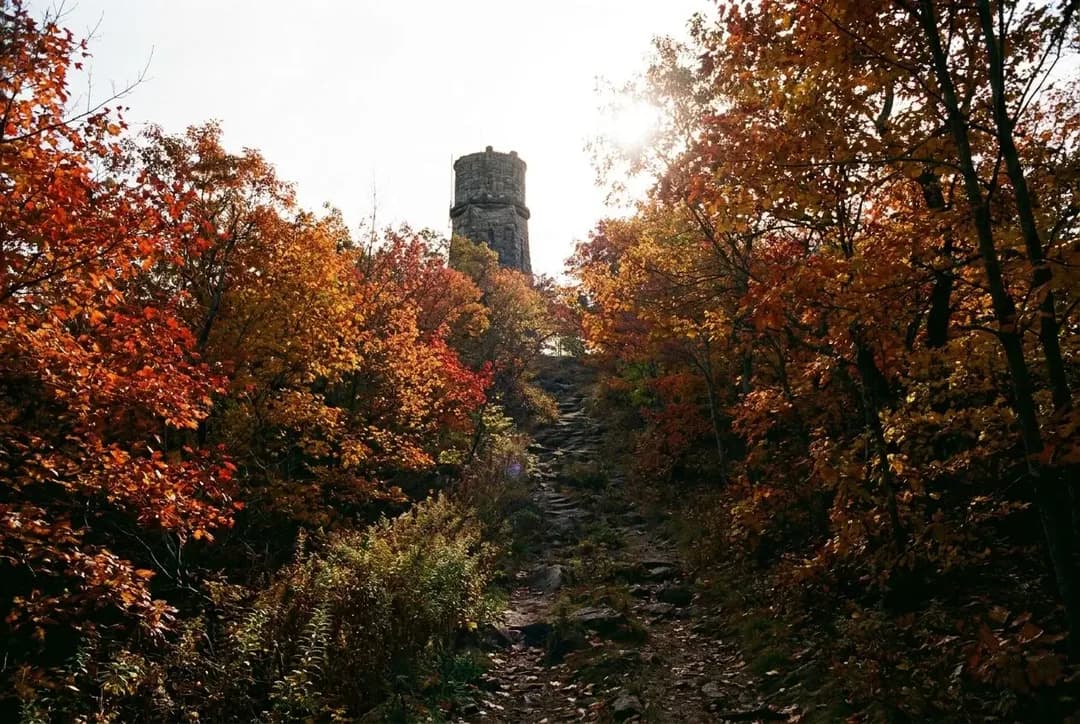
Washington Heights' steepest woodland climb turns incandescent in mid-October, when oaks and maples ignite along the rocky path to the historic water tower and elevation rewards with color-drenched views across the Harlem River valley.
Most autumn leaf-chasers crowd the Ramble or trek to Storm King, but Upper Manhattan harbors a vertical forest walk that delivers drama without the commute. The Water Tower Trail in Highbridge Park climbs 175 feet through a deciduous canopy that ignites each October, threading between schist outcrops and root-knotted steps toward the historic stone tower crowning the ridge. The payoff is triple: a cardiovascular burn, a tunnel of red and gold overhead, and long views east toward the Bronx that most Manhattanites never see. It's one of the city's most rewarding free things to do when the calendar tilts toward mid-autumn and the leaf-peeping urge hits without the appetite for a weekend exodus. The trail's relative obscurity means you're more likely to share the path with neighborhood regulars than with Instagram crowds, and that intimacy—the sense of discovering something overlooked—adds another layer to the experience.
Timing the two-week window
Highbridge's microclimate runs on its own schedule. The elevation and the Harlem River valley's cooler air mean peak color typically unfolds between October 12 and October 25—roughly a week behind Central Park's more famous displays. That lag is a gift: by the time the Sheep Meadow has gone dull bronze, the Water Tower Trail is just hitting its stride. The dominant red oaks and sugar maples shift from green to flame in a compressed window, and if you miss it, you're left with bare branches and regret.
Track the trees closely. A warm spell can delay the show; an early cold snap accelerates it. By late October, the forest floor is ankle-deep in leaves and the overhead canopy thins to lace, still beautiful but no longer the full cathedral effect. The two weeks matter more here than anywhere else in the city. Local naturalists suggest checking the park's lower elevations first—the trees along Edgecombe Avenue near 155th Street turn a few days earlier and serve as reliable harbingers for what's coming upslope.
The quieter trailhead
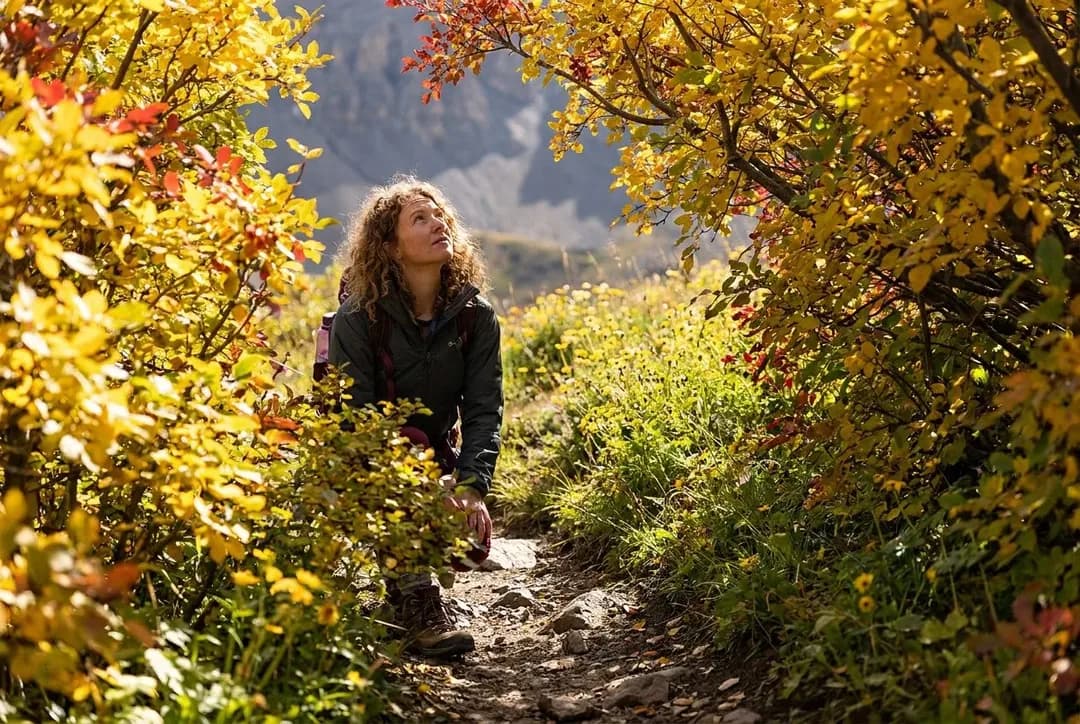
Most visitors enter Highbridge Park from the namesake bridge or the Amsterdam Avenue entrance near 174th Street, but the trailhead near Amsterdam and 173rd Street sees far lighter traffic. It's less immediately obvious—a break in the retaining wall, a few weathered wooden steps—but it drops you onto the trail's midsection without the bottleneck that forms near the bridge on sunny weekends. You'll still climb, but you bypass the initial crush of strollers and dog-walkers who cluster near the flatter, paved sections.
The 173rd entrance also positions you for the steepest, most forested stretch, where the maples lean in close and the ground feels genuinely wild. The roots are gnarled, the rocks slick after rain. Wear shoes with grip. This section of trail also offers the densest canopy coverage, which means the color overhead is most concentrated here, creating that immersive tunnel effect that makes you forget you're still technically in Manhattan.
When to walk for solitude
Weekday mornings before ten o'clock transform the trail. The path is narrow enough that passing requires a sidestep, and weekend afternoons can feel like a conga line, especially when the leaves are at their loudest. But arrive on a Tuesday or Wednesday before the dog-walkers finish their rounds and the light is still raking low through the canopy, and the trail feels almost remote—an odd gift in a borough where solitude is measured in seconds.
The quiet amplifies everything: the crunch underfoot, the rustle overhead, the occasional skitter of a squirrel across dry leaves. You notice the scent of decomposing oak, faintly sweet and earthy. The city hum from Amsterdam Avenue fades within a dozen paces, replaced by birdsong and wind. It's the version of the walk worth protecting.
The sensory shift halfway up
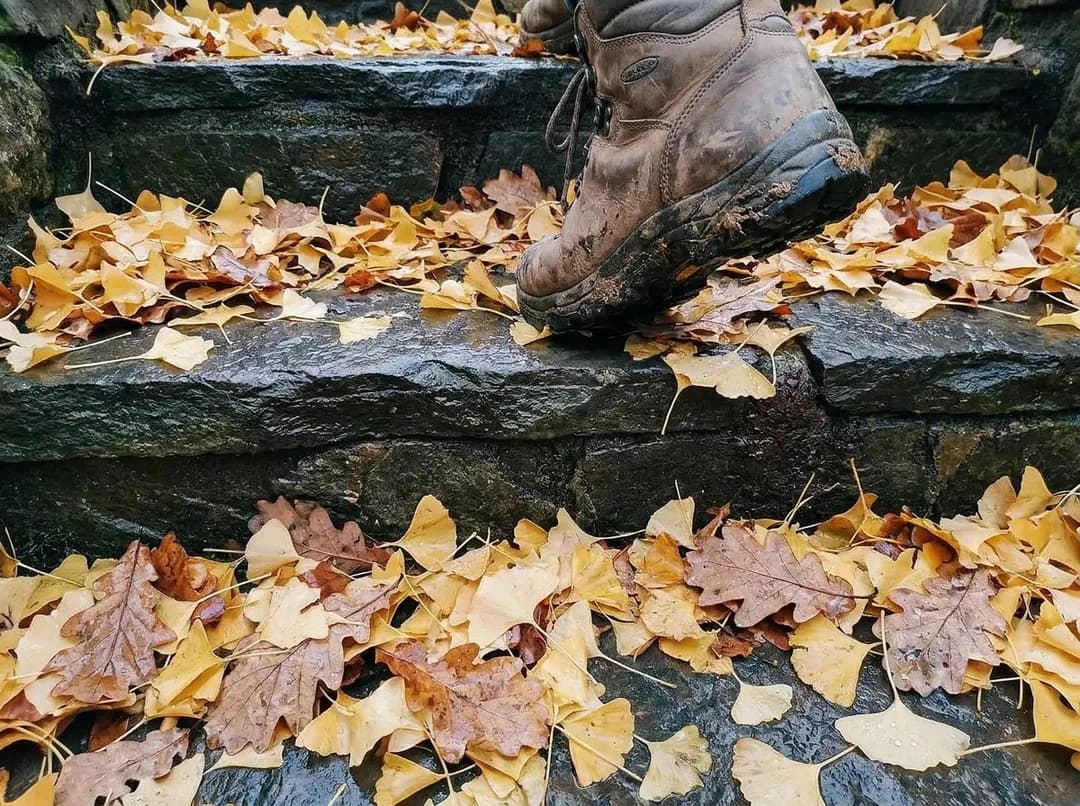
There's a specific moment on the ascent—usually around the third or fourth switchback—when the city fully disappears from your senses. The air temperature drops a degree or two as you enter the thickest part of the canopy. The light changes quality, filtered through layers of leaves into something softer, more dappled, with shafts of direct sun breaking through only where the oaks have shed branches. Your breathing becomes audible in a way it wasn't at street level. The schist outcrops alongside the trail radiate a faint mineral coolness, and if you pause to touch them, the stone is smooth where thousands of hands have steadied themselves on the climb.
In peak foliage, this middle section glows. The maples' reds and oranges are backlit when the sun is right, creating an effect like stained glass overhead. Underfoot, the freshly fallen leaves release that particular October smell—dry, slightly bitter, tinged with tannin. It's a complete sensory recalibration, the kind that makes you understand why people chase autumn color in the first place. This isn't just visual; it's atmospheric, a full-body reminder that seasons still turn, even here.
The climb and the views
The trail doesn't coddle. It ascends in bursts, switchbacks carved into the bedrock, and your calves will remind you this is Upper Manhattan's topography at its most unapologetic. But the elevation is the point. Every twenty vertical feet strips away another layer of visual noise, until you're above the roofline and the Harlem River valley opens to the east, a sweep of water and autumn-scorched hillside that feels startlingly pastoral. The grade averages around fifteen percent, steep enough to elevate your heart rate but manageable for anyone with moderate fitness.
The water tower itself—an old stone tower—anchors the summit. It's fenced now, no interior access, but the platform around it offers 270-degree views. Look west and you'll see the George Washington Bridge's upper deck threading through the haze. Look east and the Bronx unfolds in layers of ridge and green. In mid-October, when the maples are fully turned, the foreground blazes and the background softens to blue-gray, a depth of field you don't associate with this borough.
What to bring and what to skip
The trail is short—under a mile round-trip—but steep enough that you'll want water, especially if you're climbing in the midday warmth that lingers into mid-October. Layers help; the canopy traps heat on the ascent, but the ridgetop can be breezy. A phone camera suffices for most, though the dappled light and narrow depth of field reward a real lens if you're inclined.
Skip the picnic ambitions. There are no tables, no benches at the summit, just rocks and roots. This is a walk, not a destination hang. Do it, take the photos, let the elevation clear your head, then descend and find your coffee or your lunch in the neighborhood.
The neighborhood afterward
Washington Heights rewards the post-hike appetite. Amsterdam Avenue and Broadway south of 181st Street offer Dominican bakeries, taco counters, and cafés where the cortado is strong and the pastry case runs deep. The blocks around the trailhead are residential, quieter, but a ten-minute walk puts you in the thick of it. Verify hours directly, as weekend schedules shift, but the neighborhood's food culture is robust enough that you won't go hungry.
Practical notes
The Water Tower Trail is accessible from Amsterdam Avenue near 173rd Street. By subway, take the 1 train to 175th Street (about a five-minute walk west). Street parking exists but fills quickly on weekends. The park is open dawn to dusk; the trail is unlit and not recommended after dark. Surfaces are uneven, with exposed roots and rocks—not accessible for wheelchairs or strollers. Bring water, wear grippy shoes, and check the forecast; the trail becomes slippery after rain. Dogs are welcome on leash.
Tags: #HighbridgePark #WashingtonHeights #FallFoliage #AutumnInNYC #NYCHiking #UpperManhattan #PeakColor #HiddenNYC #WaterTowerTrail #RightOnTime #NYCParks #HarlemRiver #FallInTheCity #LeafPeeping #SeasonalNYC
All trademarks are the property of their respective owners.
Ask Karpo for more information.
Keep reading
- Ghost Walk Near Me in Greenwich Village: Edgar Allan Poe's Haunts
 Ghost Walk Near Me in Lower Manhattan: Phantoms of City Hall Park
 Ghost Walk Near Me in the West Village: Phantoms by Commerce Street