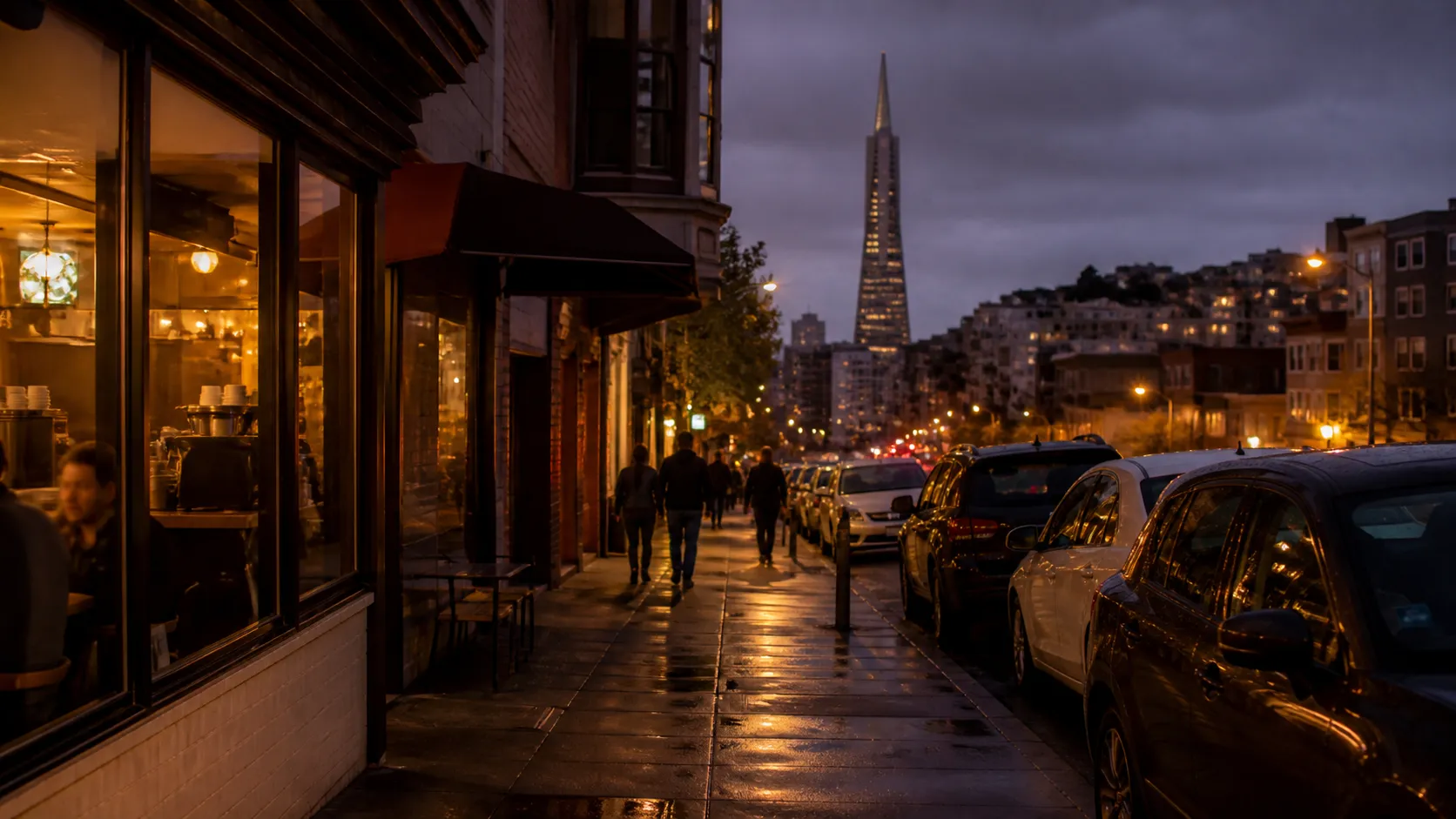
For new San Francisco residents hoping to turn solo game nights into social rituals, the search for the right helliot ramos viewing party or broader Giants fan meetup involves more than finding a bar with good sightlines. Established groups at Public House, Pete's Tavern, and various Mission District breweries each cultivate distinct atmospheres—from boisterous standing-room energy to table-reserved regulars—and understanding these differences before your first visit helps set realistic expectations. The practical work lies in verifying which groups maintain active messaging apps for coordination, whether organizers formally greet newcomers, and how seating customs (reserved tables versus open seating) affect a solo attendee's ability to strike up conversations. This guide walks through the comparison process and the small verification steps that turn a hopeful search into a reliable weeknight routine.
Text Karpo your starting point, timing, group size, and priorities for a San Francisco plan tailored to this exact situation, with one realistic backup before you leave.

Mapping Venue Types Against Your Social Comfort Zone
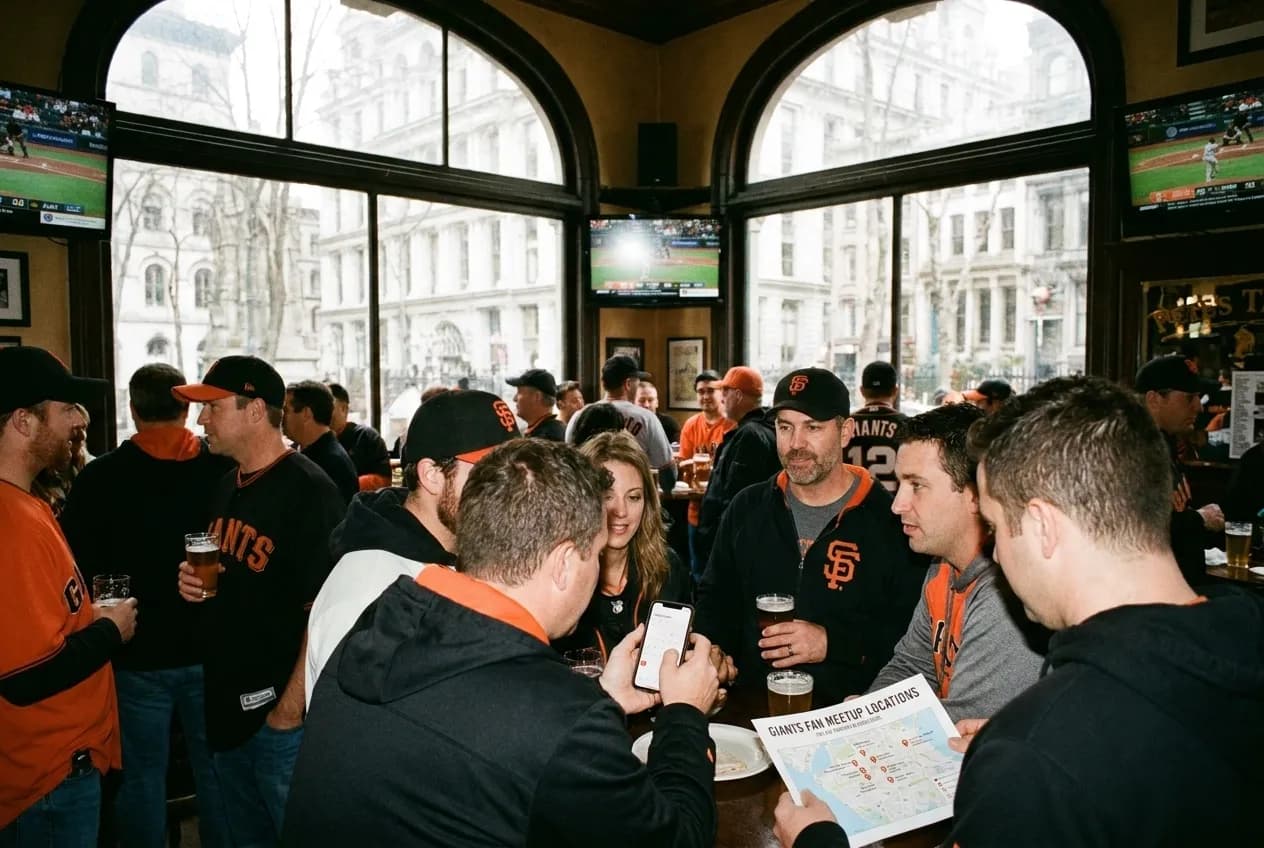
Sports bars near downtown and the ballpark tend to draw larger, louder crowds with a mix of season-ticket holders and casual fans, while neighborhood breweries in the Mission or Dogpatch often host smaller, more conversational gatherings. If you're new to the city and attending solo, consider whether you'd rather blend into a high-energy room where striking up a conversation feels optional, or join a smaller group where introductions happen naturally but silence feels more conspicuous. Public House and Pete's Tavern are frequently mentioned in online fan forums, but without visiting on a non-game night to observe layout and typical occupancy, you won't know if their bar seating encourages mingling or if regulars claim the same stools each evening.
Mission breweries—often with communal tables and rotating tap lists—can offer a middle ground: enough ambient noise to ease first-timer nerves, yet table arrangements that facilitate group dialogue. Before committing to a meetup, check whether the venue permits large groups to reserve space or if seating remains first-come during games; reserved sections signal an organized host, while open seating requires you to arrive early and assertively join a table. Use Muni's trip planner on the SFMTA website to compare transit access from your neighborhood, since a venue that's two transfers away on game night may test your commitment after a long workday.
Verifying Group Communication Tools and Onboarding Practices
Many recurring fan meetups coordinate through messaging apps—WhatsApp, Discord, or Slack channels—that share last-minute venue changes, arrival times, and introductions for newcomers. Before attending, search social media or community boards (Reddit's r/SFGiants, neighborhood Facebook groups) to identify whether a specific meetup maintains an active chat and how to request an invite link. Groups that post publicly about their messaging platform tend to be more welcoming to solo attendees, while those that rely solely on word-of-mouth may already have tight-knit dynamics that take longer to penetrate.
Ask potential organizers—via direct message or public comment—whether they offer any first-timer orientation: a quick intro round at the start, name tags, or a designated greeter who helps newcomers find seats. These small rituals dramatically lower the social barrier for someone attending alone. If a group's online presence shows no recent activity or the last post is months old, consider it a yellow flag; either the meetup has dissolved or coordination happens entirely offline among a closed circle. Testing one or two meetups with transparent communication practices helps you gauge what level of structure you need to feel comfortable returning week after week.
Attendance Size and the Tradeoff Between Anonymity and Connection
A meetup that regularly draws thirty fans offers the advantage of anonymity—you can observe group dynamics for an inning or two before deciding to engage—but also the risk of feeling lost in the crowd if no one proactively welcomes you. Smaller gatherings of eight to twelve people make it nearly impossible to remain invisible, which can be ideal if you're ready to introduce yourself but uncomfortable if you prefer to ease in gradually. Ask organizers or recent attendees (via online forums) about typical turnout on weeknight versus weekend games, since attendance often swells for marquee matchups and dwindles for midweek day games.
Consider attending your first meetup during a less hyped game when the core regulars are more likely to be present and have bandwidth to chat with newcomers. Larger groups may also splinter into subgroups—season-ticket holders discussing trade rumors at one end of the table, casual fans focused on the game at the other—so observe where you'd naturally fit before committing to a regular spot. The goal is to find a size that matches your energy: enough people to ensure the group survives a losing streak, but not so many that your absence goes unnoticed.

Seating Norms, Arrival Timing, and the Unwritten Rules
Some fan groups operate on a first-come, first-served basis, meaning you'll need to arrive thirty minutes before first pitch to claim a spot at the communal table; others use a reservation system where the organizer holds a section and assigns seats. Clarify this in advance, because showing up at game time to find no available chairs—and no clear protocol for joining—can sour a first experience. If the group uses reserved seating, ask whether latecomers are accommodated or if the headcount is locked; flexible groups are generally more forgiving of new attendees testing the waters.
Observe unwritten norms around food and drink: do participants order individual tabs, or does the group run a shared tab with even splits? Are outside snacks tolerated, or does the venue require all food purchased on-site? These details matter when you're budgeting for regular attendance. Similarly, note whether the group stays for the full nine innings or disperses after the seventh-inning stretch; if you're hoping to build friendships, a group that lingers for post-game discussion offers more conversational runway than one that scatters the moment the final out is recorded.
Testing Multiple Meetups and Recognizing Your Fit
Committing to a single group after one visit can feel premature, especially if that night's crowd skewed unusually quiet or rowdy. Plan to attend at least two or three different meetups—spacing them across different venues and organizers—before deciding where you'll invest your weeknight hours. Pay attention to how you feel during the middle innings: Are you checking your phone out of boredom, or are you engaged in the game and the conversation? Do regulars acknowledge you when you return for a second visit, or does each appearance feel like starting from scratch?
A good-fit meetup leaves you looking forward to the next home game rather than dreading the social effort. If a group's vibe feels off—too insular, too loud, or too focused on drinking rather than the game—trust that instinct and keep searching. San Francisco's density of sports bars and breweries means alternatives exist, and the low barrier to entry (no membership fees, no formal sign-up) makes it easy to sample widely. Use the SFMTA's transit options to explore neighborhoods you might not otherwise visit; sometimes the right community is waiting in a Sunset taproom or a Dogpatch corner bar you'd never have discovered without this search.
Tags: #SFGiantsfanmeetups #SanFranciscosportsbars #soloattendeesocialgroups #MissionDistrictbreweries #Giantsviewingparties #newresidentcommunity #PublicHouseSF #PetesTavern #fangrouponboarding #Munitransitaccess #homegamenights #sportssocialcalendar #welcomingfancommunities #seatingnormssportsbars #messagingappcoordination
Sources consulted: Source 1: sf.gov · Source 3: sfmta.com · Source 4: sfpl.org
All trademarks are the property of their respective owners.
Ask Karpo first
Ask Karpo to turn this San Francisco idea into a current plan for your date, budget, companion, transit preference, and energy level. Karpo can narrow the route and flag what to verify before you go.