The northern tip of Manhattan holds onto its secrets better than most corners of the city. Fort Tryon Park climbs sixty-seven acres of rocky hillside above the Hudson, and somewhere past the main paths and the museum crowds, the Heather Garden spreads across a south-facing slope that catches light like a bowl. Benches line the ridge walk above, facing New Jersey's Palisades, and the quiet up here feels like it predates the subway system entirely.
A Garden Planted Into Rock and Memory
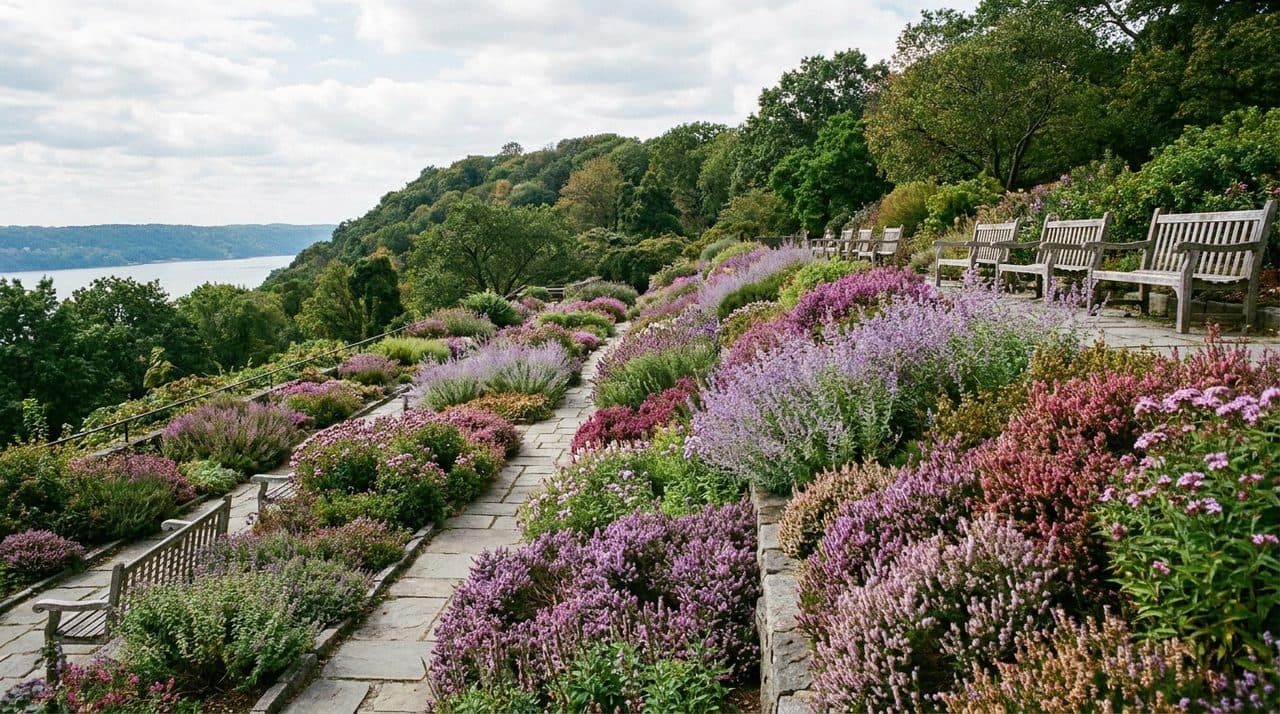
The Heather Garden clings to terraced stone that was blasted and shaped in the nineteen-thirties, back when this land belonged to the Rockefeller family before becoming public ground. The design follows the contours of schist bedrock, creating pockets where heaths and heathers root into thin soil between boulders. Late spring through early autumn, the blooms run from white to deep purple, and the air smells faintly of honey and something sharper, almost medicinal. Gardeners work the beds early in the morning, deadheading spent flowers and pulling weeds from between the rocks with the kind of attention that suggests they've been doing this for years. The paths through the garden are narrow—two people can't walk side by side in most sections—and the stone steps are uneven enough that regulars know to watch their footing. A small wooden sign near the entrance lists the botanical names of what's planted, but most visitors ignore it in favor of just walking through the color.
The Ridge Walk and Its Particular Angle on the River
Above the garden, a paved path runs along the park's western edge, offering benches every thirty yards or so. The view faces directly across the Hudson toward the cliffs, and the angle is low enough that the river feels close, almost within reach. Joggers pass through in the early morning, but by mid-morning the benches fill with people who've brought books or sketchpads or nothing at all. The light changes constantly depending on cloud cover—some days the Palisades look flat and gray, other days the rock face catches sun and glows rust-orange. A man in his seventies arrives most weekday mornings around ten, always with the same canvas bag and a thermos, and sits on the third bench from the southern end. He stays about an hour, rarely looking at his phone. The sound up here is mostly wind and the occasional helicopter heading south along the river corridor, plus the distant hum of traffic on the Henry Hudson Parkway far below.
The Crowd That Finds Its Way Up Here
Fort Tryon Park draws plenty of visitors to the Cloisters museum complex, but fewer people make the climb to the garden and the ridge. Those who do tend to be neighborhood locals from Inwood and Washington Heights, plus a scattering of visitors who've read about the park in something other than a top-ten list. Weekday mornings skew older—retirees, freelancers, parents with toddlers who've learned the hill is too steep for strollers. Weekends bring younger couples and small groups who spread blankets on the lawns near the garden's upper edge. There's a noticeable absence of the performance energy that defines many Manhattan green spaces—people aren't here to be seen. The benches along the ridge walk often sit occupied by solo visitors who stay for long stretches, and there's an unspoken understanding about which benches are spoken for at certain hours.
What Blooms When and Why It Matters
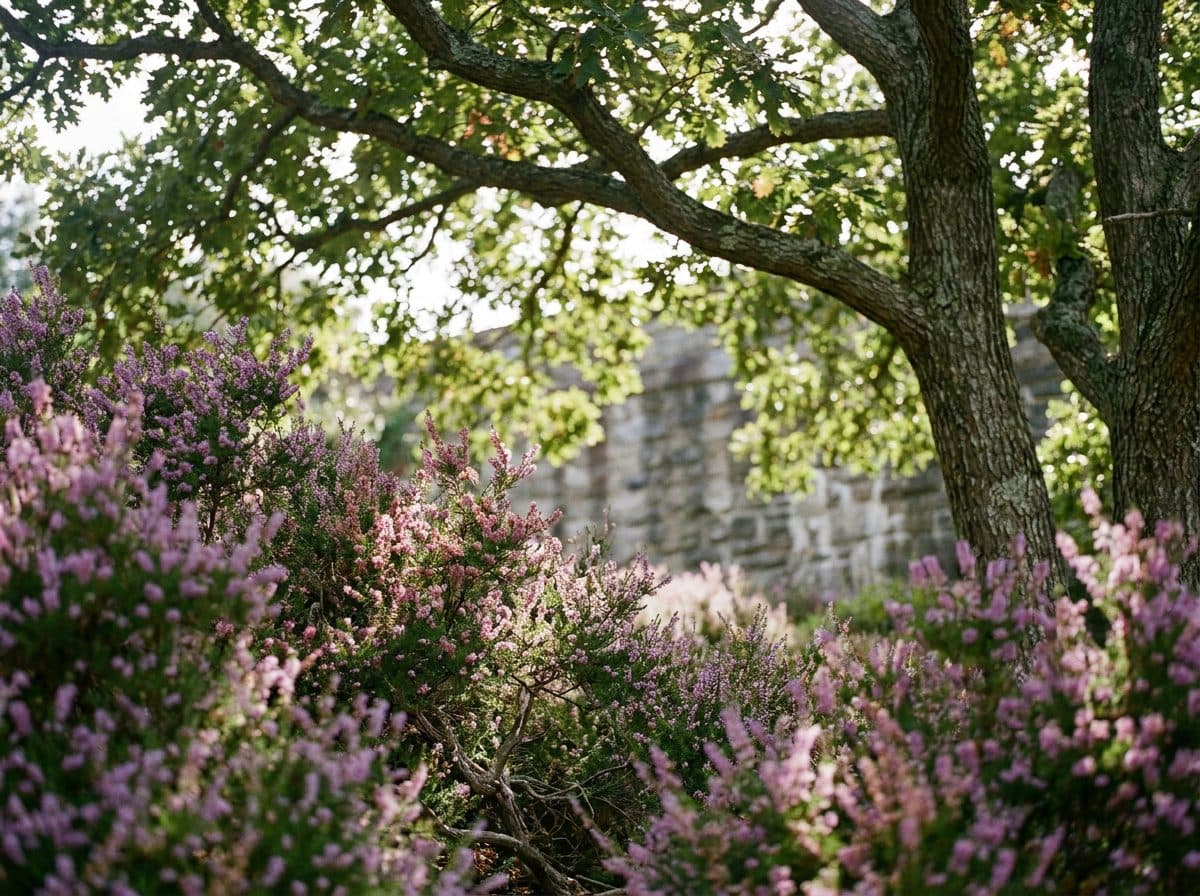
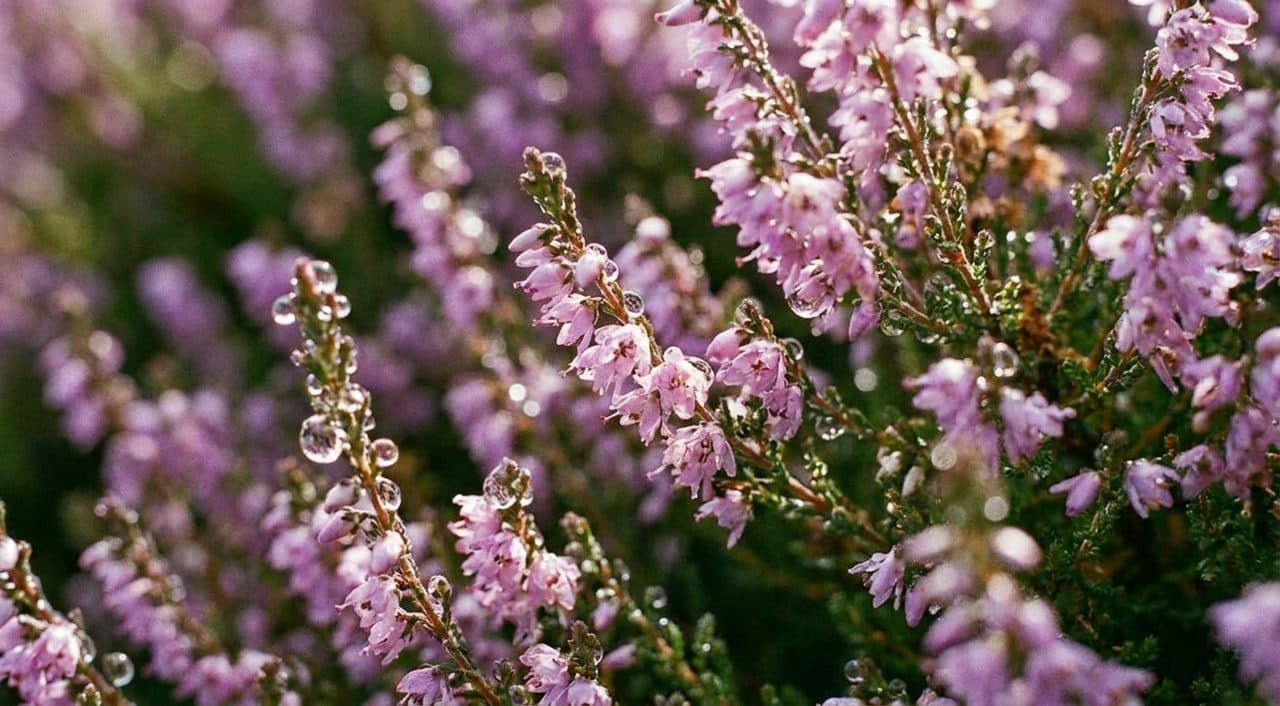
The Heather Garden's peak season runs from late June through September, when the heathers and heaths overlap with perennials planted in the surrounding beds—lavender, Russian sage, black-eyed Susans. The color palette stays in the purple-to-yellow range, with occasional bursts of white and deep red. By late September, the heathers take on a bronze tone that photographs almost metallic in certain light. Winter strips the garden down to its bones, revealing the architecture of stone walls and the way the terraces step down the hillside. A few regulars prefer the garden in its dormant state, when the structure becomes legible and the views open up without foliage blocking sightlines. Early spring brings the first green shoots, and by April the garden starts to fill in again. The timing varies by a week or two each year depending on how cold March runs, and the gardeners adjust their planting schedule accordingly.
The Geology Underfoot and the History in the Walls
Manhattan schist outcrops throughout the park, the same bedrock that anchors the city's tallest buildings downtown. The rock here is visible everywhere—in the garden walls, in the exposed ledges along the paths, in the boulders that interrupt the lawns. The park's designers in the nineteen-thirties worked with the existing topography rather than against it, carving paths that follow natural ridgelines and building stone walls from material blasted on-site. Some of the walls in the Heather Garden are dry-stacked, meaning no mortar, just stone fitted to stone with enough precision that they've held for ninety years. The effect is somewhere between English country garden and Appalachian hillside, a hybrid that feels specific to this particular slope. On the ridge walk, metal plaques embedded in the pavement mark sight lines toward landmarks across the river, though the plaques are weathered enough that many are hard to read.
The Quiet and Where It Comes From
The acoustic quality of the upper park registers immediately—sounds feel muffled, absorbed by the slope and the vegetation. Traffic noise from the parkway below reaches the ridge walk as a low hum, noticeable but not intrusive. Bird calls carry clearly, especially in early morning when the park is emptiest. The Heather Garden itself seems to dampen sound further, perhaps because of the way the terraces break up the space or because the plantings absorb ambient noise. Conversations on the benches stay private even when other people are sitting nearby. There's no music, no loudspeakers, no organized activities. The quiet isn't absolute—it's urban quiet, the kind that requires tuning out certain frequencies—but it's substantial enough that people notice it, and many come specifically for that quality.
Practical Notes
The park is open from dawn until dusk year-round. The Heather Garden sits on the park's western side, accessible from several paths that climb from Margaret Corbin Drive. The nearest subway stop is the A train's final stop at 190th Street, followed by a ten-minute walk or a short bus ride on the M4. Street parking exists but fills quickly on weekends. No admission fee, no reservations, no restrictions beyond standard park rules. The paths are steep in sections, and the Heather Garden's stone steps can be slick after rain. Benches along the ridge walk are first-come, and the southern benches tend to fill first in morning sun. Restrooms are located near the Cloisters museum. The garden is maintained by the Fort Tryon Park Trust, and volunteer workdays happen monthly for those interested in the upkeep.
Tags: #FortTryonPark #HeatherGarden #HudsonRiver #InwoodNYC #WashingtonHeights #UpperManhattan #NYCParks #HiddenGardensNYC #ManhattanOutdoors #NiceButFree #PalisadesView #NewYorkNature #SecretGardensNYC #QuietPlacesNYC #RockGardens
Sources consulted: timeout.com · ny.curbed.com · nycgovparks.org
All trademarks are the property of their respective owners.
Ask Karpo first
Want to know which garden paths stay shaded all afternoon or where to find the most secluded benches?
Ask Karpo for the ridge walk route and the best bloom-timing windows before you head out.