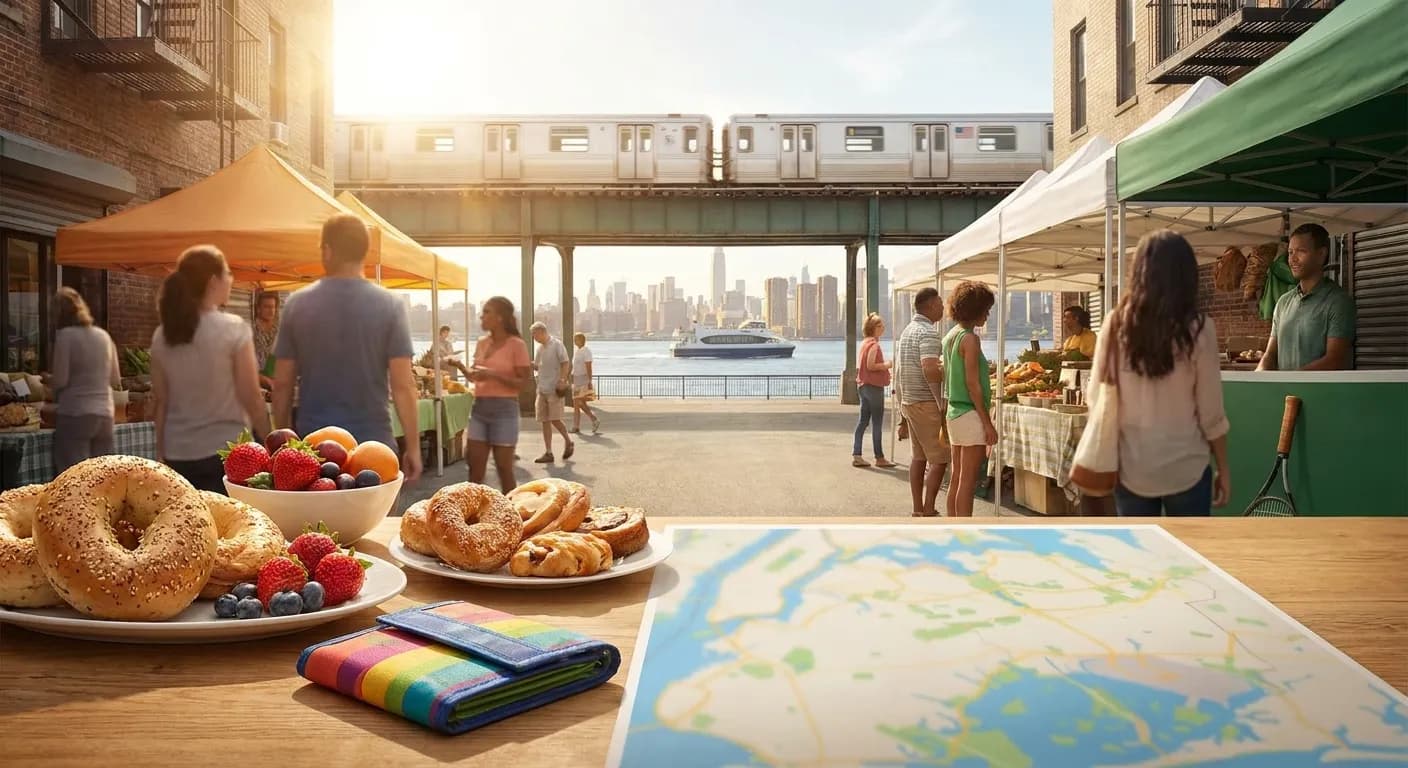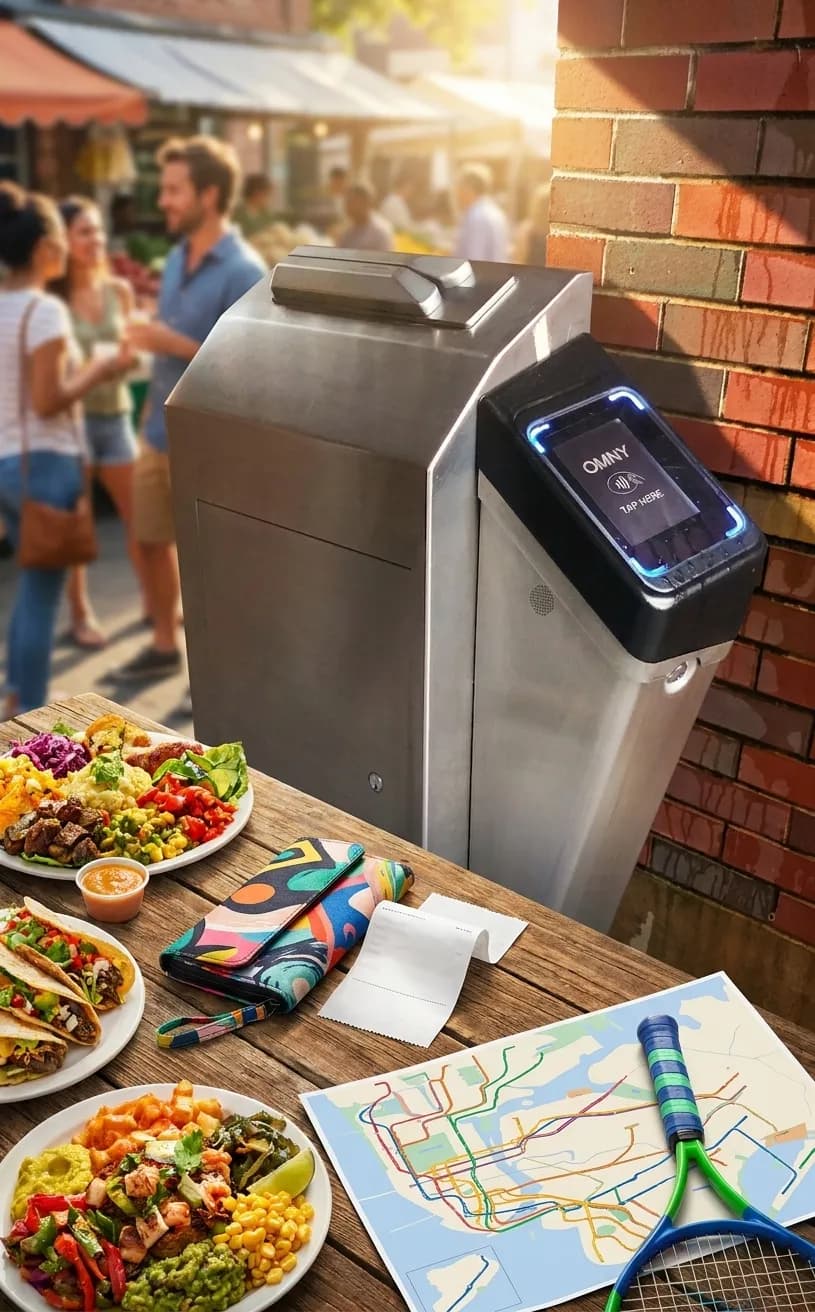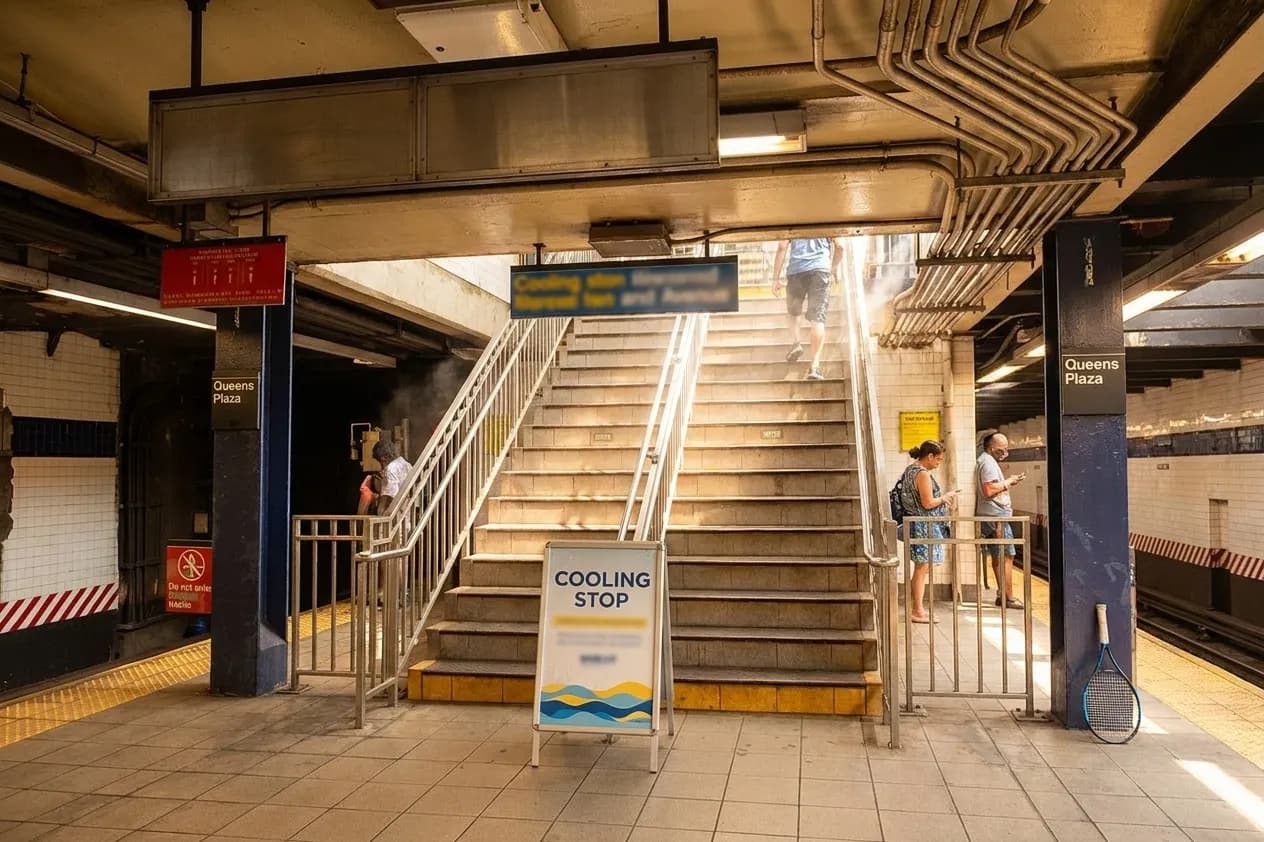
When heat advisories appear in late August and early September forecasts, planning your route to the US Open becomes as important as planning your day at the tournament itself. The walk from the Mets–Willets Point station to the USTA Billie Jean King National Tennis Center crosses open pathways in Flushing Meadows Corona Park, and on high-heat days that stretch can feel longer than any tiebreaker. Whether you're coming from Manhattan, Brooklyn, or deeper into Queens, knowing where to pause for water, air conditioning, and shade before you reach the grounds helps you arrive ready to enjoy the tennis rather than searching for relief the moment you pass security.
Text Karpo with your US Open session time and Queens starting point, and we’ll turn this cooling and hydration idea into a practical local plan.

The US Open runs from late August through early September, a period when New York City frequently experiences its last serious heat waves of the summer. The tournament schedule includes day sessions and night sessions, meaning daytime attendees face the full force of midday sun and humidity. Even if you're headed to an evening session, the subway platforms, the walk through the park, and the queue at the gate all happen in conditions that demand preparation. Checking the National Weather Service forecast for Queens the morning of your session gives you the clearest picture of what to expect, and the official US Open website posts any heat-related policy updates during extreme weather. Heat advisories are issued when conditions pose real health risks, particularly for extended outdoor exposure, so treat the forecast as essential trip-planning information.
The 7 train is the primary transit route to the US Open, and the stations between Times Square and Mets–Willets Point offer natural cooling checkpoints if you're traveling during peak heat. Jackson Heights–Roosevelt Avenue and 74th Street–Broadway are major transfer hubs with underground mezzanines that provide air-conditioned relief, though they can be crowded. If you're starting your journey in Manhattan or western Queens, consider building in extra time to step into a bodega, pharmacy chain, or restaurant near your departure station to hydrate and acclimate before boarding. Corona Plaza, just south of the 103rd Street–Corona Plaza station, is an open-air public space that doesn't offer air conditioning but does provide shaded seating and is surrounded by small businesses where you can purchase cold drinks. The key is to treat your trip as a series of manageable segments rather than a single push from door to gate.
The US Open allows each guest to bring in one factory-sealed plastic bottle of water up to one liter, along with two additional factory-sealed bottles of any non-alcoholic beverage up to specified sizes. This policy, detailed on the official prohibited-items page, means you can carry meaningful hydration through security, but you need to purchase those bottles before you arrive at the grounds. Supermarkets, delis, and convenience stores along the 7 train corridor in Flushing, Corona, and Jackson Heights stock bottled water. Buying your water in advance also means you can start drinking on the train and during your walk, rather than waiting until you're already inside and feeling the effects of heat exposure. Reusable bottles are permitted if they're empty at security, and the US Open provides water fountains and refill stations throughout the grounds, so a combination approach—sealed bottles to start, refillable container for the day—gives you the most flexibility.
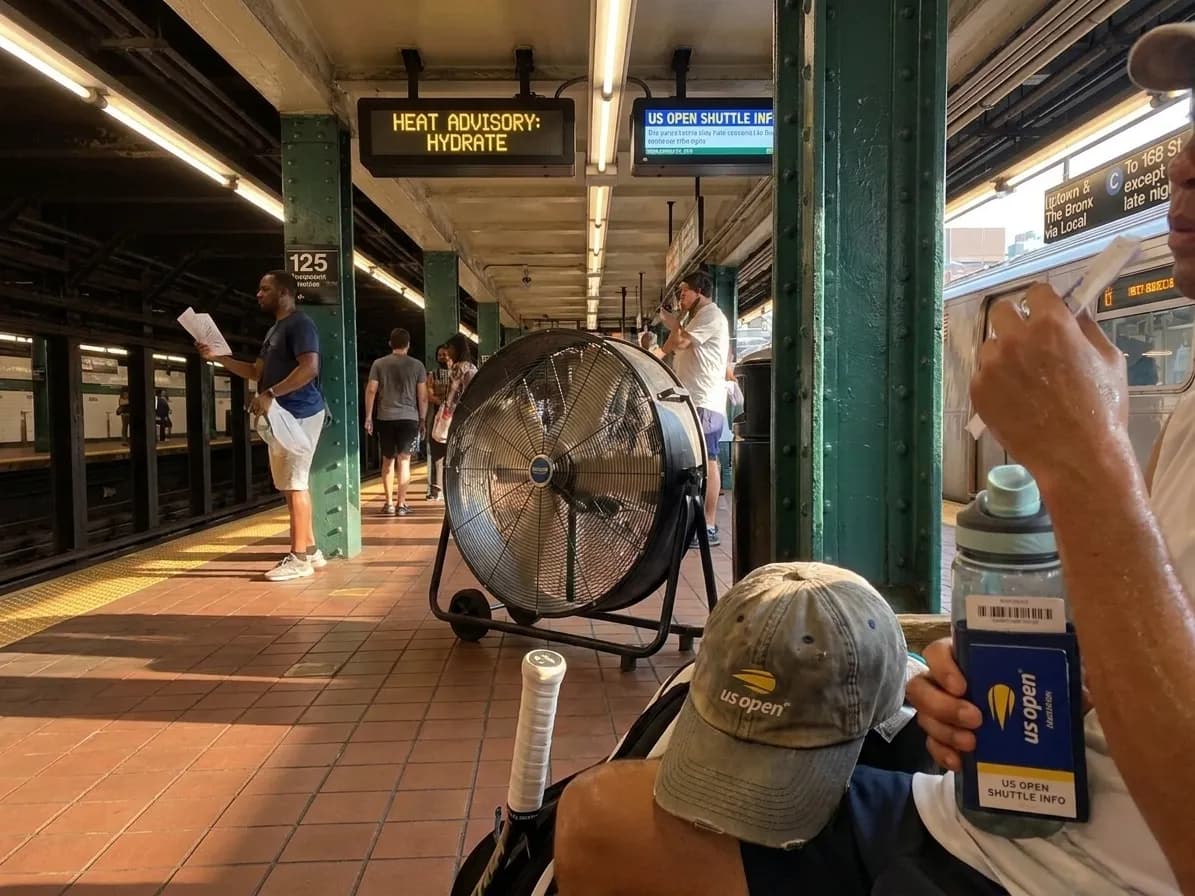
Once you exit the Mets–Willets Point station, the route to the US Open entrance follows paved paths through Flushing Meadows Corona Park, passing the Unisphere and crossing open lawns with limited natural shade. On a day with a heat advisory, this walk becomes the most exposed portion of your journey. The park's tree canopy provides some relief along portions of the path, but the final approach to the tournament gates is largely unsheltered. If you're attending a day session, plan to arrive during the early-morning window before temperatures peak, or consider timing your entry for late afternoon when the sun begins to drop. For night sessions, the walk remains warm and humid even after sunset, so hydration remains essential. The official US Open transportation page notes that accessible shuttle service is available from the station to the entrance for guests who need assistance, and this option is worth considering if heat sensitivity is a concern for anyone in your group.
Flushing's downtown core, centered around Main Street and the Flushing–Main Street terminal, sits one stop east of Mets–Willets Point on the 7 train and offers dense clusters of air-conditioned restaurants, bakeries, food courts, and shopping centers. If your session doesn't start until the afternoon, spending the earlier part of the day in Flushing allows you to stay cool, eat a substantial meal, and hydrate in comfort before making the short trip west to the tournament. The New World Mall and Skyview Center both provide indoor environments, and the surrounding blocks are filled with bubble tea shops, dessert cafés, and dim sum restaurants where you can linger. Verify current hours and access before planning around any specific location. After an evening session, returning to Flushing for a late meal in air conditioning can be more appealing than heading straight back to a hot apartment, and the neighborhood's dining scene stays active well into the evening.
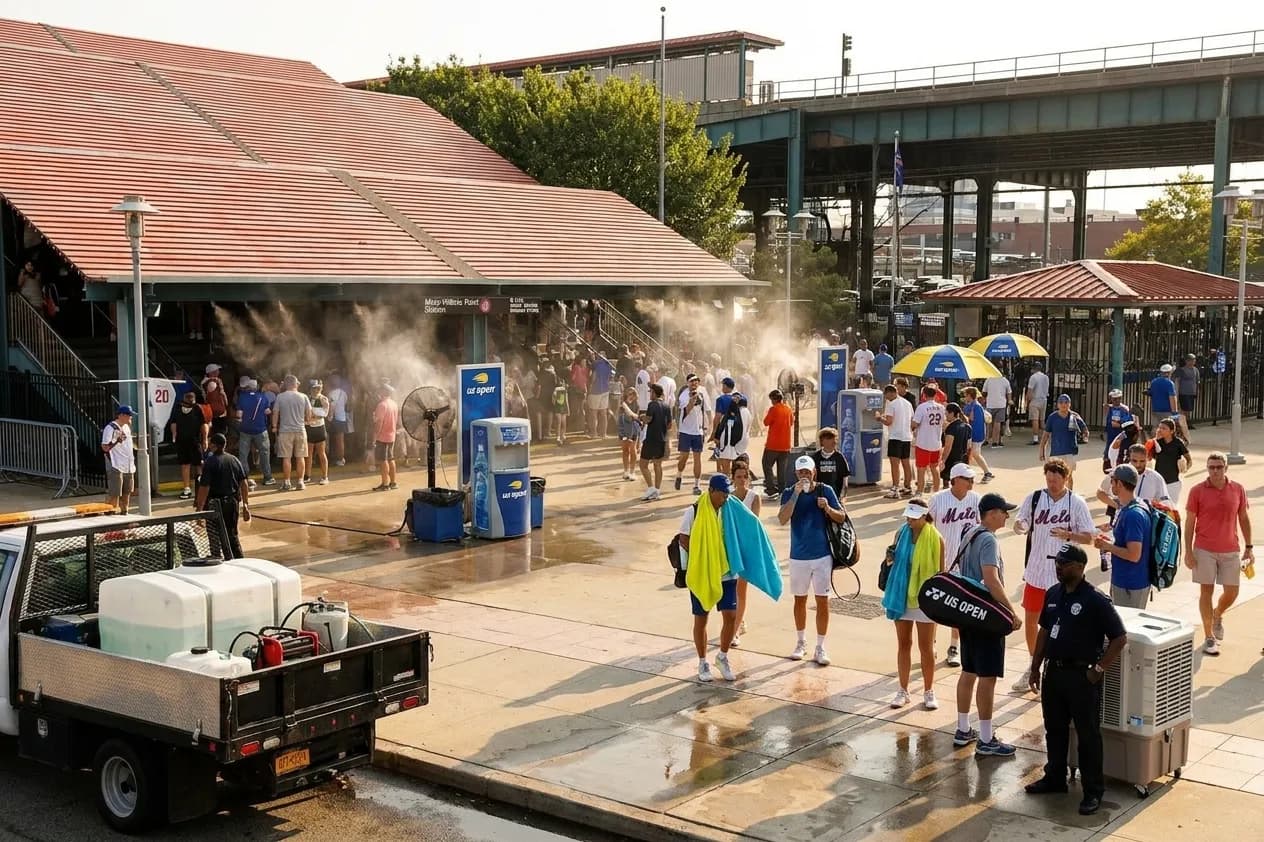
The US Open's bag policy permits soft-sided bags within specified dimensions, and all bags are subject to search at security. On a heat-advisory day, your bag becomes your cooling toolkit: sealed water bottles, a small packable hat, sunscreen, and a battery-powered handheld fan if you have one. The tournament prohibits aerosol sunscreen, so stick with lotion or stick formulas. Umbrellas are allowed for sun protection but not for rain, and they can't be used in seating areas during play, so a hat is more practical for continuous shade. Cooling towels—small cloths that stay cool when dampened—are lightweight and effective if you can wet them at a fountain or restroom sink. Skip heavy layers, unnecessary electronics, and anything that adds weight without contributing to your comfort. The official A-Z guide on the US Open website lists all prohibited items and bag policies, and reviewing it before you pack saves time at the gate.
Heat advisories are issued because the conditions pose real health risks, particularly for extended outdoor exposure. If the forecast shows extreme heat index values, or if you or anyone in your group has a health condition that makes heat sensitivity a concern, consider shifting your plans toward a night session, reselling your tickets, or postponing to a cooler day if your schedule allows. The US Open grounds include air-conditioned indoor spaces such as food halls and merchandise areas, and the Arthur Ashe Stadium and Louis Armstrong Stadium both have retractable roofs that provide shade and some temperature relief. But the outer courts, walkways, and queues remain exposed, and even with preparation, a severe heat day can turn a fun outing into an exhausting ordeal. Checking the MTA service status on the morning of your trip also matters, since heat-related subway delays can add unexpected time in stations or on trains. Defer to National Weather Service alerts, NYC emergency officials, and tournament staff for all heat-safety guidance.
Heat-Advisory Checklist for US Open Days
- Check the National Weather Service forecast for Queens the morning of your session and look specifically for heat index values and any advisory alerts.
- Purchase factory-sealed water bottles before you reach the park entrance—availability and selection are better along the 7 train corridor.
- Wear a hat, apply sunscreen before you leave, and reapply during the day; review the US Open prohibited-items list for sunscreen type restrictions.
- Plan your arrival for early morning or late afternoon if attending a day session, avoiding peak heat windows when possible.
- Use Flushing's indoor spaces before or after your session to cool down, hydrate, and eat in air conditioning rather than rushing straight to and from the grounds.
- Bring a refillable water bottle in addition to sealed bottles so you can use the tournament's water stations throughout the day.
- Review the official US Open A-Z guide and prohibited-items list before packing to avoid surprises at security.
- Monitor MTA service status for the 7 train on the day of your trip, as heat can cause delays and service changes that affect your travel time.
- Consider accessible shuttle options if heat sensitivity is a concern for anyone in your group; check the official transportation page for details.
The walk from Mets–Willets Point to the US Open gates is short on a map but meaningful in the heat. Treating hydration and cooling as active parts of your travel plan—not afterthoughts—makes the difference between arriving ready to enjoy the tournament and spending your first hour recovering. The 7 train corridor, Flushing's indoor spaces, and the tournament's own water stations give you the tools; the National Weather Service forecast and the official US Open guides give you the information. Your job is to combine them into a plan that fits your session time, your starting point, and your heat tolerance. On a day when the heat index climbs and the city issues advisories, that plan is as essential as your ticket.
Tags: #USOpen2026 #Queens #FlushingMeadows #KarpoFinds #Karpo #heatadvisory #NewYorkLocal #TennisTravel
Sources consulted: usopen.org — Official event schedule · usopen.org — Official visitor A-Z guide · usopen.org — Official transportation directions · usopen.org — Official prohibited-items guide · MTA — Official US Open transit guide · MTA — Official service status
All trademarks are the property of their respective owners.