Mediterranean food near me is one of the least precise searches you can run in Los Angeles. The results will mix Lebanese and Armenian kitchens that have been here for fifty years with fast-casual chains that use the word to mean a bowl with feta in it. Both can be a good lunch. But they are different meals with different economics, and the reason people end up disappointed with the healthy version is almost always that they ordered the light-sounding thing at the place built for the heavy one, or the reverse.
A bowl can be a very good lunch or a thousand calories of dressing, and the menu rarely tells you which. Tell Karpo what you want the meal to do — light, filling, protein-heavy, vegetarian — and where you are, and it will point you at the counters near you that do that particular version well.
The two traditions hiding under one word
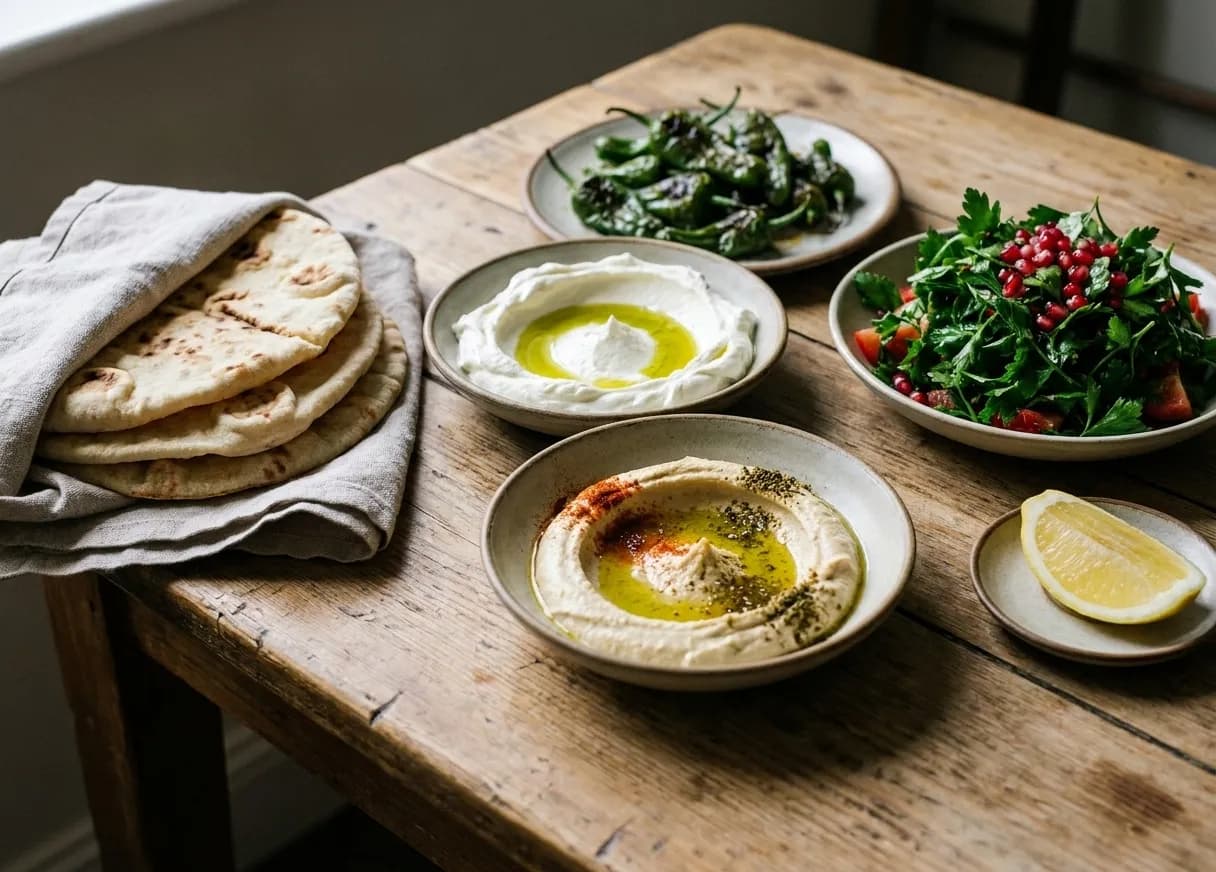
The first tradition is the Levantine and Armenian kitchen — Lebanese, Syrian, Palestinian, Armenian — concentrated in East Hollywood, Glendale, and pockets of the Valley. This is where mezze comes from: many small plates, heavy on legumes, herbs, yoghurt, olive oil and charcoal, with meat as one element rather than the centre. It is genuinely light if you order like the people who cook it, and heavy if you order three fried things and a plate of shawarma.
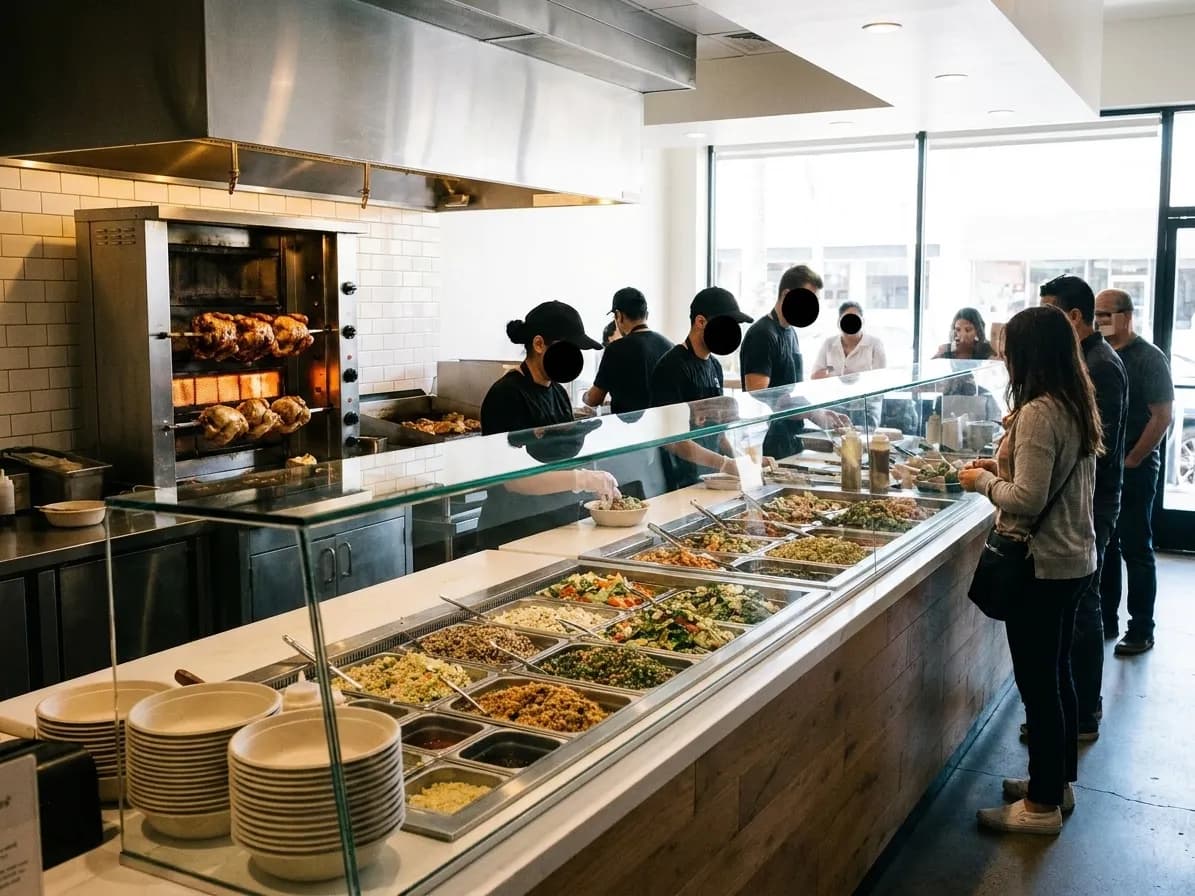
The second is the Greek and Eastern Mediterranean side, plus the California fast-casual interpretation that grew out of both. Grain bowls, grilled protein, chopped salad, a sauce or three. There is nothing wrong with it, and on a workday it is one of the better things you can eat in fifteen minutes. Just know that the nutritional profile lives almost entirely in the sauce, and that the difference between a light bowl and a heavy one at the same counter can be several hundred calories of tahini and oil.
How to order a mezze meal that is actually light
At a Levantine table, the shape of a light meal is well established: one legume dip, one yoghurt-based dip, one raw salad with a lot of parsley, one charcoal-grilled thing, and bread used as a utensil rather than a course. Tabbouleh in the proper proportions is mostly herbs; fattoush is a salad with fried bread rather than the reverse. Order those alongside a grilled skewer and you have eaten well and lightly.
The things that quietly turn it heavy are the fried mezze — kibbeh, sambousek, falafel in quantity — and the bread reflex. All of them are worth eating; they just belong to a different kind of evening. The other reliable signal is the oil: a good kitchen pours real olive oil generously and it is the best thing on the table, so count it rather than pretending it is free.
What to look for in a fast-casual bowl
At the bowl counters, the useful questions are about the base and the sauce. A grain base cooked in stock and dressed already is a very different number from plain rice or greens. Sauces served on the side rather than ladled over give you control and are a sign the place expects people to care. Pickles, sumac onions, cabbage and herbs are the cheap wins — they add most of the flavour and almost none of the weight.
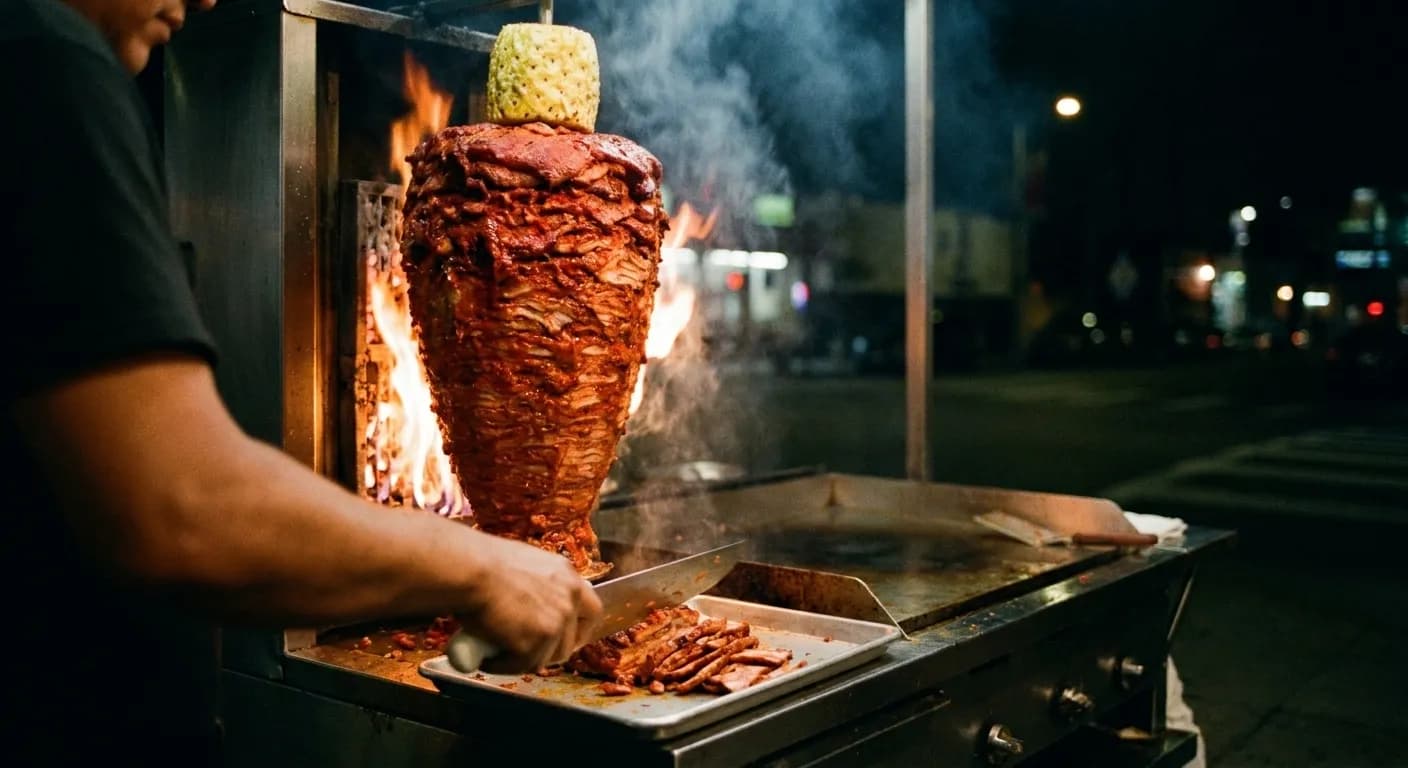
The protein question matters less than people think. Chicken shawarma cut from a vertical spit carries fat from the stack; a grilled skewer usually does not; falafel is fried regardless of how virtuous the rest of the bowl looks. None of that makes a choice wrong, it just tells you where the meal's weight actually sits.
Where in LA to find each version
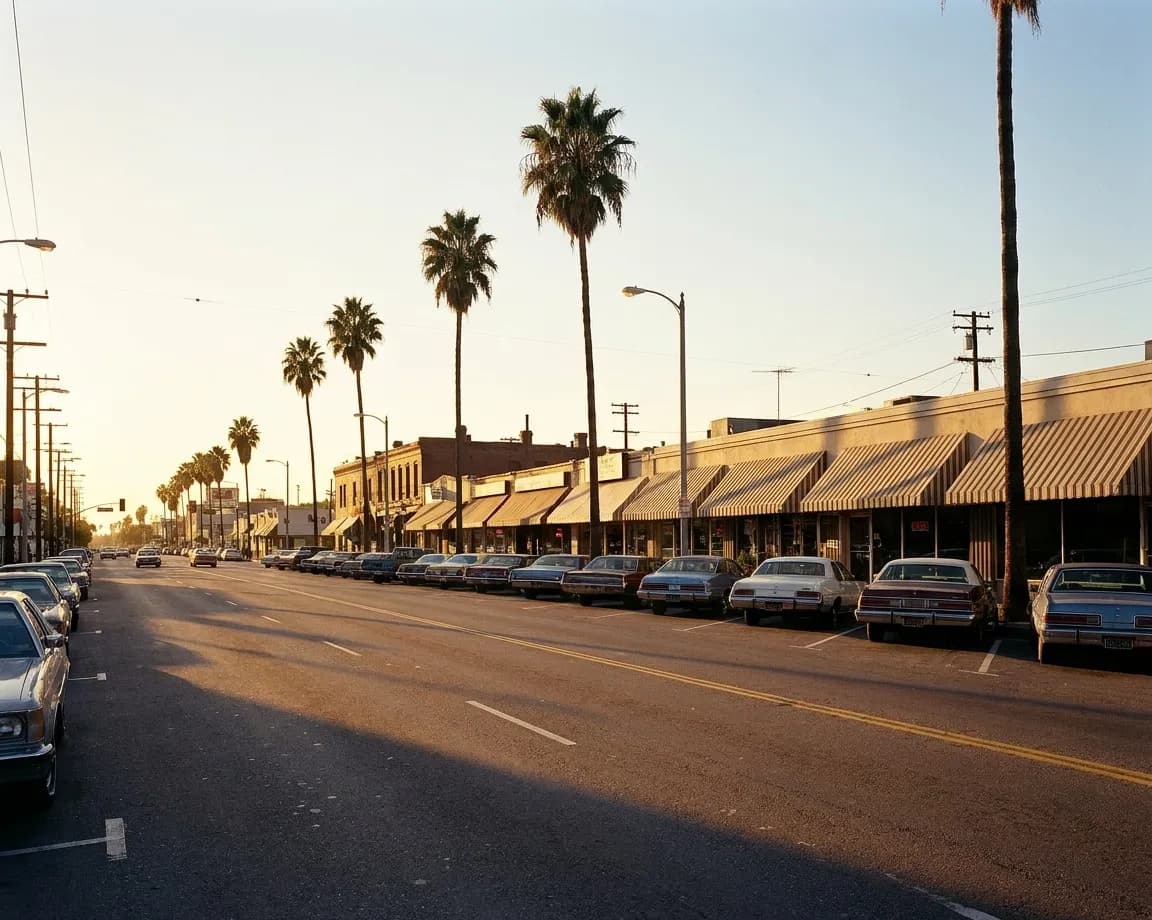
For the traditional end, the corridor along Santa Monica Boulevard through East Hollywood, and Glendale's Armenian bakeries and grill houses, are the deepest concentration in the city — and the bakeries in particular are a very cheap lunch, since a lahmajun or a spinach fatayer costs less than a coffee. Westwood carries the Persian version of the same idea, where the herb plate and grilled skewer combination is a light meal by default.
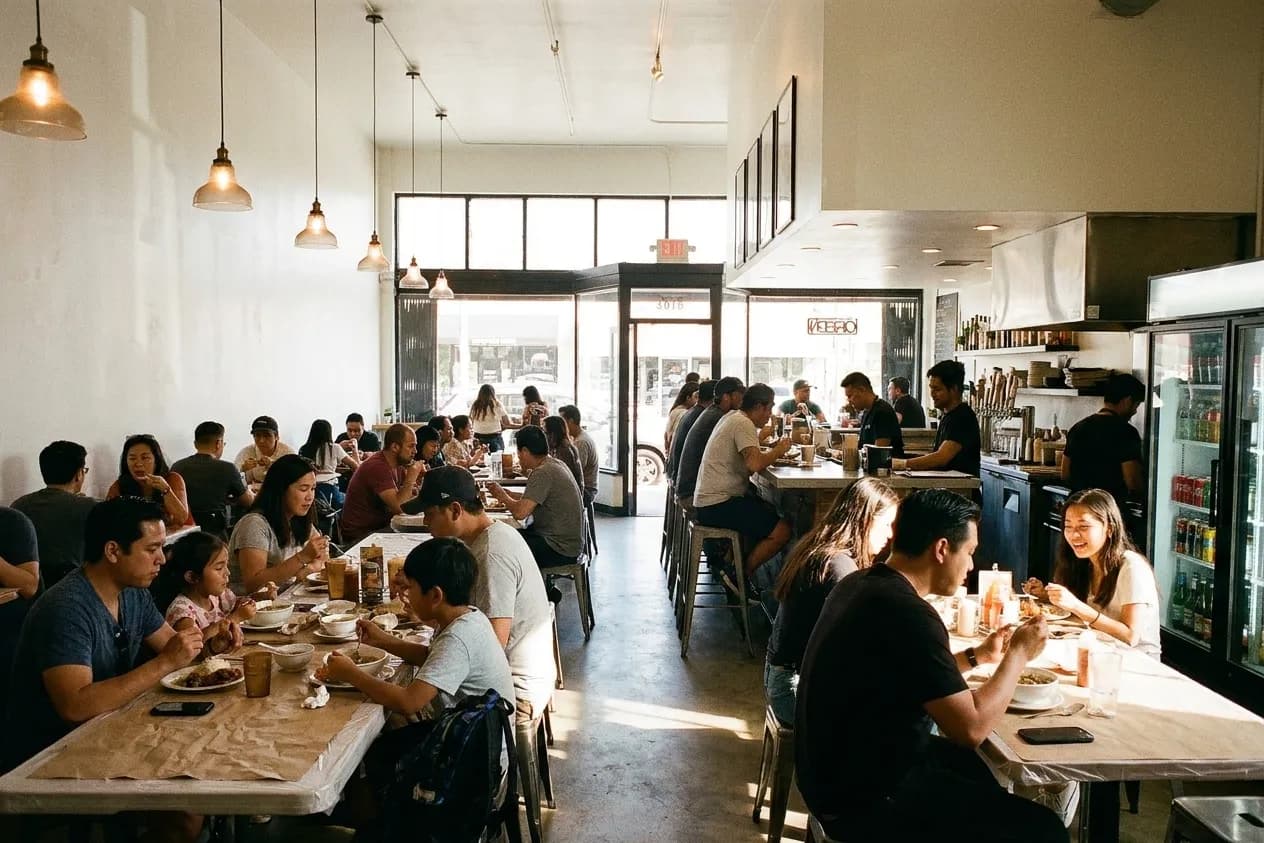
For the bowl version, the Westside, Downtown and the office corridors have the densest coverage, because the format exists to feed people who have forty minutes. Echo Park, Silver Lake and Highland Park sit somewhere in between, with small owner-run places doing mezze at dinner and bowls at lunch out of the same kitchen.
The lunch that travels
One last practical point in a city where you drive: mezze travels better than almost any other cuisine. Dips, salads, pickles and grilled meat hold for hours and are as good cold, which makes a bakery-and-deli stop the best possible picnic in Los Angeles — for the beach, for Griffith Park, for the Hollywood Bowl, or for eating in a parked car with a view, which is a genuinely underrated LA activity.
Buy the bread last and separately. Flatbread from a bakery that made it that morning is a different food from the packaged version, and it is the single cheapest upgrade available to this entire meal.
Tags: #LosAngeles #MediterraneanFood #MezzeLA #HealthyEatsLA #LALunch #EastHollywood #Glendale #Westwood #LebaneseFood #ArmenianFood #LAFoodie #BowlsLA #WhereToEatLA #LightLunch
Sources consulted: discoverlosangeles.com · nutrition.gov · laconservancy.org
All trademarks are the property of their respective owners.
Ask Karpo first
Menus at owner-run kitchens change with the season and the family, and the chains change their sauces more often than they change their signage. Ask Karpo which Mediterranean counters near you are open right now, which ones do the vegetarian mezze properly, and where the nearest bakery is — it answers in iMessage, in a sentence.