Los Angeles rewards diners who plan like locals: start with the room, check the access details, and assume the most exciting option may also be the least predictable. If haynes king is the phrase that got everyone at the table searching today, treat it as a conversation opener, not as evidence that anyone connected to the phrase is appearing, hosting, endorsing, or granting private access anywhere in the city. The useful move is simpler. Pick a public restaurant area, verify the restaurant’s own current information, check Los Angeles County food-safety resources when needed, and use Metro tools before committing to a cross-town dinner. This guide keeps the focus on restaurants, timing, transit, crowd risk, and a backup choice.
Want a quick reality check before you leave? Text Karpo with your preferred neighborhood, group size, transit plan, and backup choice, and ask what should be verified first.

Use the trend as a dinner conversation hook
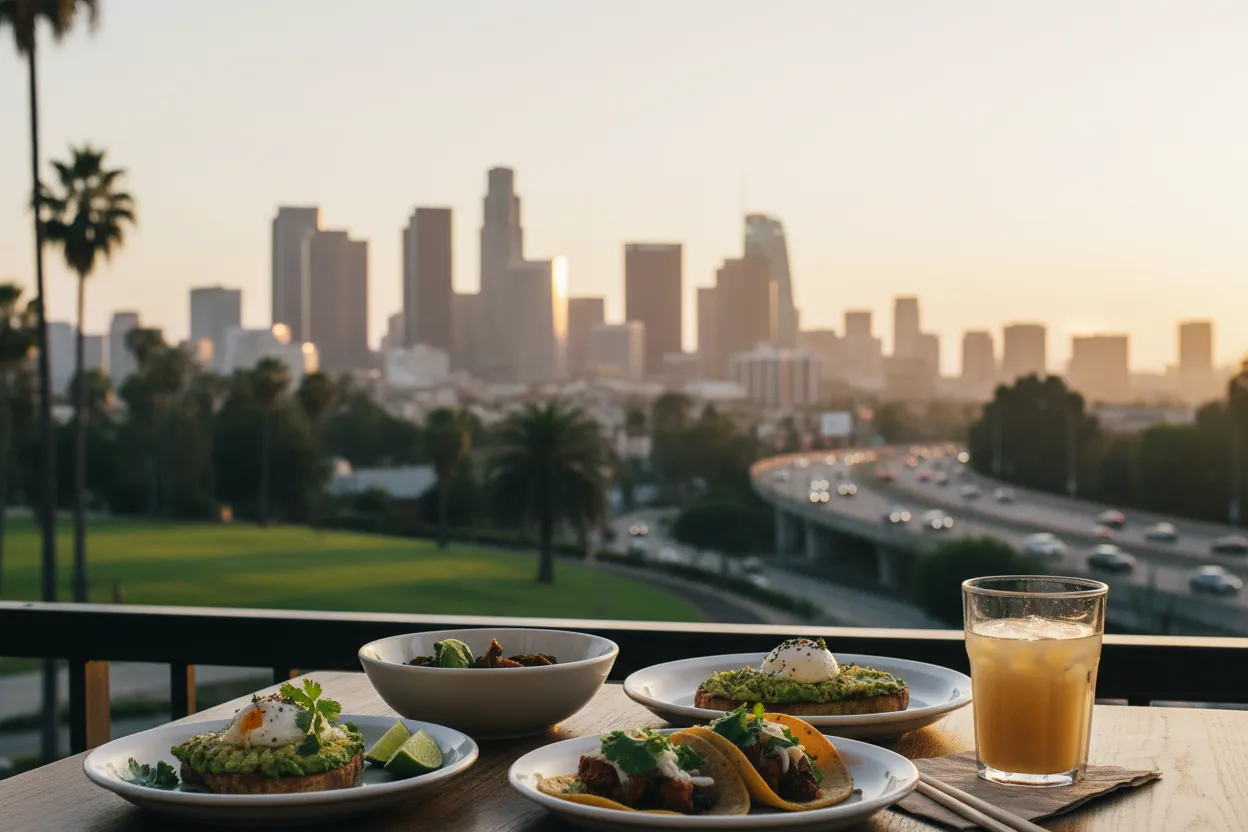
A search phrase can be useful without becoming the whole plan. If someone brings up haynes king while you are choosing dinner in Los Angeles, use it to start a low-stakes conversation about where to eat, not to justify chasing a rumored table, private room, or unconfirmed appearance. The official Los Angeles tourism restaurant page describes the city’s dining scene as wide-ranging, from street food to Michelin-starred restaurants, with global cuisines across many settings. That breadth is the opportunity: the night does not need a celebrity claim to be worth organizing.
Keep the language clean when inviting friends. Say, “Let’s use this as an excuse to pick a strong LA restaurant area,” rather than implying an affiliation or event. This matters because restaurant decisions get expensive in time even when menu details are still unverified. A good plan protects the group from hype by making every important step public: official restaurant page, official transit information, and, when relevant, Los Angeles County Environmental Health resources.
Choose the room before choosing the menu
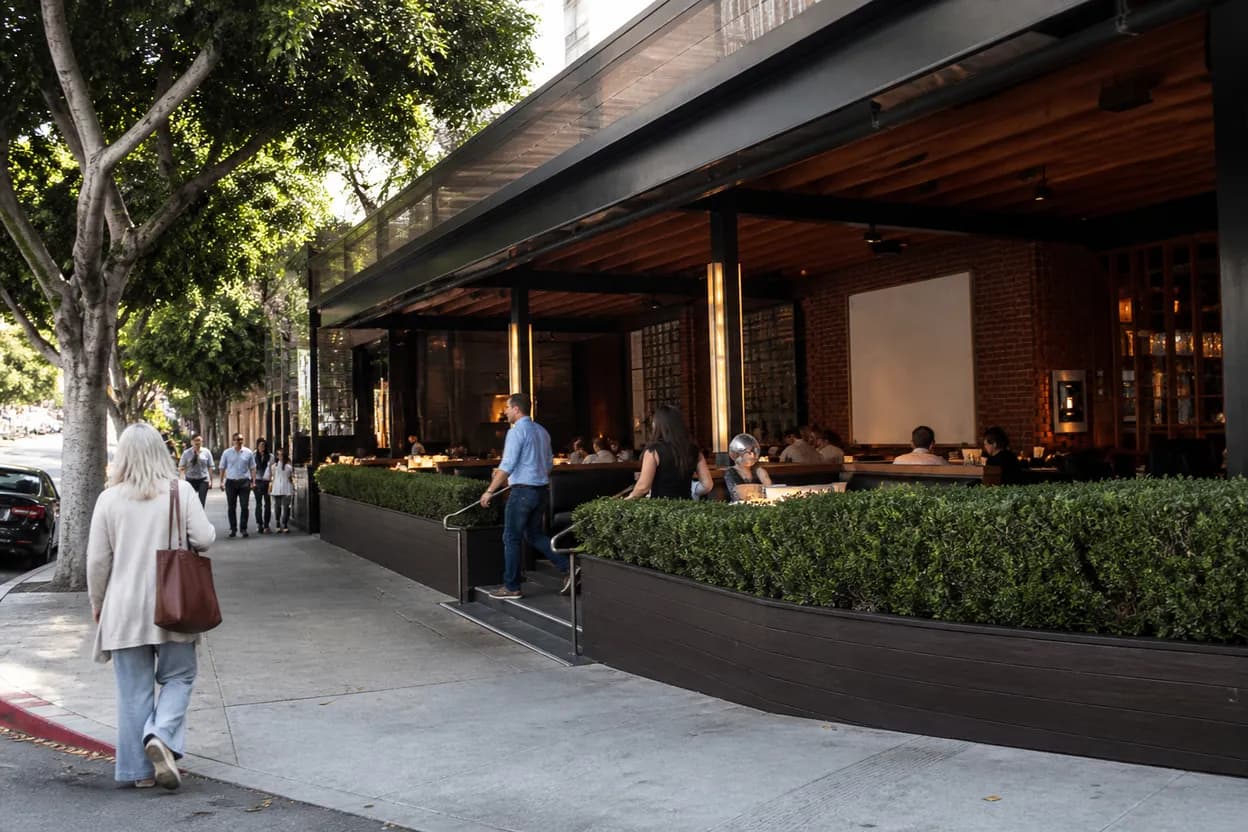
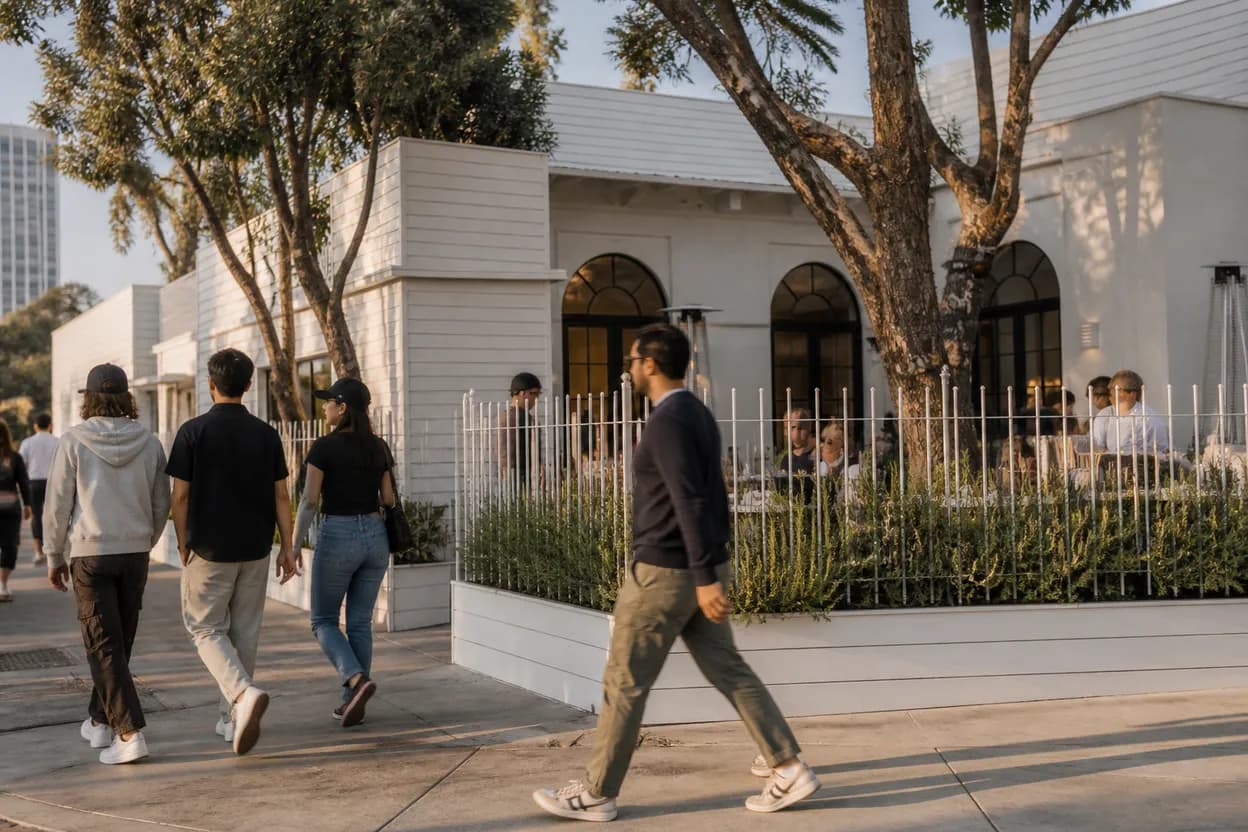
In Los Angeles, the dining room often determines whether the night works. The official tourism description makes clear that diners can choose between sleek modern rooms and casual oceanfront patios, alongside many global cuisines. Before debating dishes, decide what kind of room your group can actually enjoy: quiet enough for conversation, casual enough for late arrivals, or polished enough for a planned occasion. Then verify the restaurant’s current hours, reservation process, accessibility notes, and service details on the restaurant’s own official channel.
Do not rely on screenshots, old social posts, or someone’s memory of a past visit. Restaurant operations can change, and the safest editorial assumption is that any detail tied to hours, availability, access, or special menus must be checked before departure. If food-safety confidence is part of the decision, Los Angeles County Public Health’s Environmental Health site points consumers to inspection results and food safety resources. Use those public tools as a verification layer, not as gossip.
Match the market or hall to the group
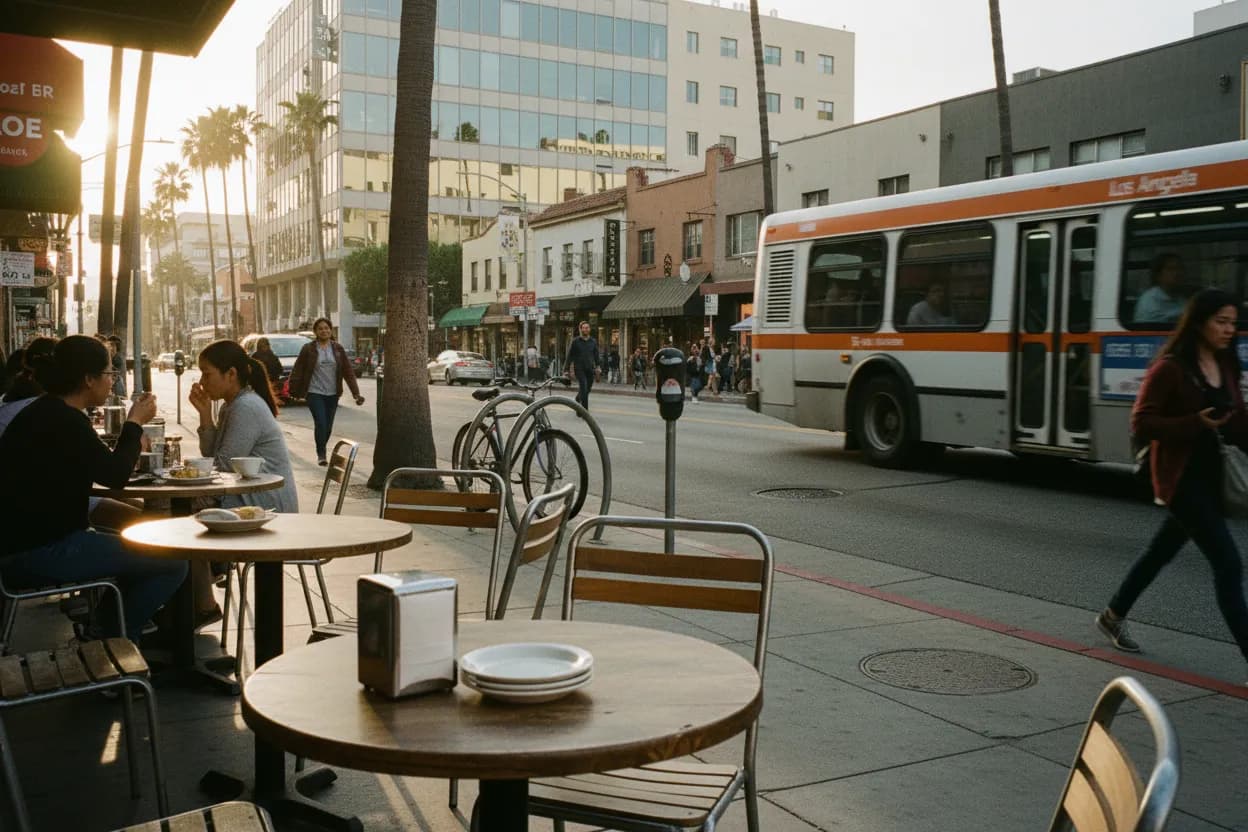
A market-style or hall-style dinner can be the right answer when the group has mixed tastes, uncertain arrival times, or no patience for a single fixed menu. The key is to treat it like a coordinated stop, not a vague meetup. Ask each person whether they need vegetarian, vegan, family-friendly, dessert-focused, or quick-service options, then compare those needs against official vendor pages before you leave. Discover Los Angeles organizes restaurant guidance across categories such as vegan brunches, tacos, KBBQ, pizza, family-friendly dining, coffee and dessert, and group dining, which can help shape the search.
The crowd risk is different in a shared dining environment. One vendor may be easy while another has a long line; seating may feel abundant one minute and tight the next. Build the plan around a first meeting point, a time limit for waiting, and a second nearby choice. If your group includes visitors, do not assume they understand LA distances. A place that looks close on a map may still require a transit check, a transfer, or a longer ride than expected.
Keep the first stop easy to reach
The best first stop is the one people can reach without burning the mood. Metro’s official site offers a trip planner, alerts, maps and schedules, and the official LA Metro app for real-time arrivals, step-by-step directions, and service alerts. Use those tools before choosing a restaurant area, especially if the group is coming from different parts of the city. Metro also notes that riders can tap a credit or debit card, in plastic or digital form, on buses or at train stations.
If you are considering Mid-Wilshire, Koreatown, or Downtown LA, Metro says new D Line Extension stations at La Brea, Fairfax, and La Cienega connect the cultural energy of Mid-Wilshire with Koreatown and Downtown LA. That does not automatically make any specific restaurant convenient, but it gives you an official transit frame to test. Check the station, walking route, service alerts, and return trip before committing. A dinner plan is not complete until everyone knows how they are getting home.
Save a nearby option for long waits
Los Angeles dining plans fail most often at the wait. A restaurant may be open, popular, and still wrong for your group at that hour. Set a rule before arrival: how long you are willing to wait, whether the group will split up for counter-service food, and what nearby backup becomes active if the first choice stalls. The backup should match the same neighborhood or transit corridor so the evening does not turn into a second commute.
Make the backup public and practical. Choose another restaurant, casual patio, dessert stop, or vendor cluster whose official information you can verify. Avoid framing the backup as second-best; in LA, flexibility is part of dining well. If the first room is too crowded, loud, closed for a private function, or simply not workable, move on without trying to prove the original idea was worth it. The goal is dinner, not a scavenger hunt built around an internet phrase.

Verify vendor hours before leaving
The final check should happen close to departure, not the night before. Confirm the restaurant or vendor’s current hours, reservation or walk-in guidance, location, and any access notes on official pages. If you are using Discover Los Angeles for inspiration, treat it as a starting point for restaurant categories and city context, then continue to the venue’s own current information. If a detail is missing or unclear, do not fill the gap with assumptions.
For health and safety context, Los Angeles County Environmental Health states its mission is to assess environmental conditions, reduce exposure to health risks, and educate the public so people can protect themselves, their families, and their communities. Its site includes food safety resources, inspection results, consumer alerts, and a public contact number listed with weekday service hours. Those resources are especially useful when you want more than star ratings before choosing where to eat.
On Monday, August 10, 2026, the practical Los Angeles move is verification first: confirm the room, check transit, define the wait limit, and keep the backup close. Let haynes king be the timely hook if that is what started the group chat, but let official sources decide the actual plan.
Tags: #AskKarpo #BeforeYouGo #LosAngeles #LARestaurants #LADining #RestaurantPlanning #LAMetro #FoodSafety #KoreatownLA #MidWilshire #DowntownLA #GroupDining #DinnerPlan #TravelSmart
Sources consulted: discoverlosangeles.com · publichealth.lacounty.gov · metro.net
All trademarks are the property of their respective owners.
Ask Karpo first
Ask Karpo first before you cross town for dinner. Share the restaurant, neighborhood, arrival time, transit choice, and backup option. Karpo can help you spot what still needs official verification, from hours and access to Metro alerts and crowd-risk decisions.