 Clubs Near Me Downtown Miami: Club Space Keeps Terrace Open Past Sunrise
Bars & Nights Out
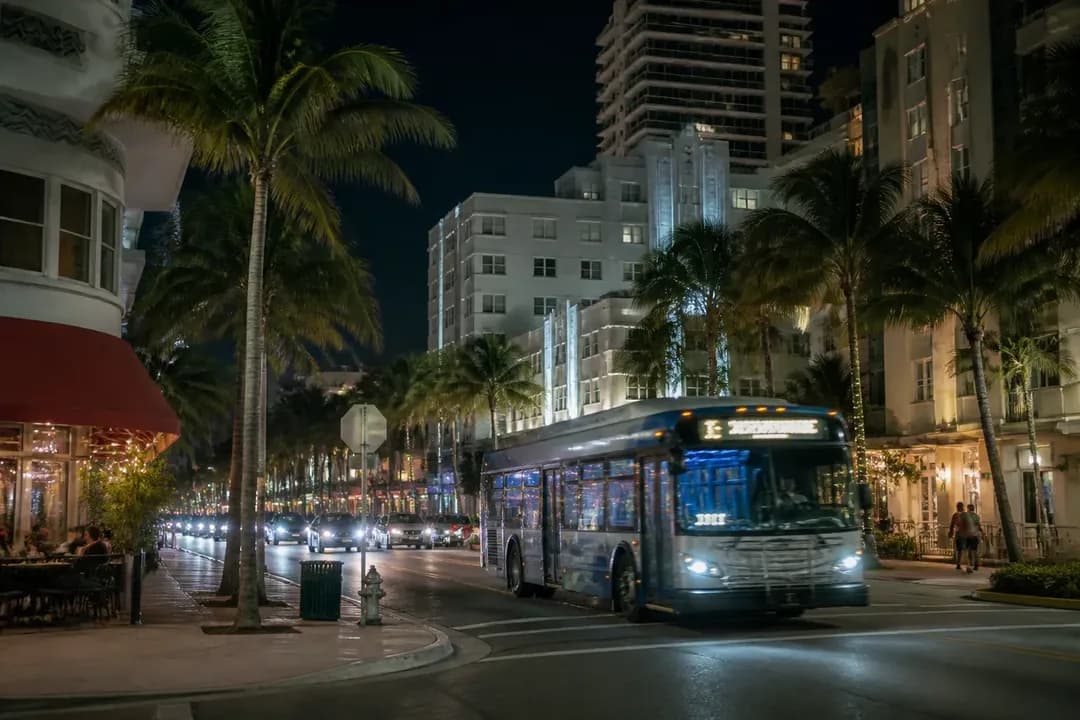
harry jowsey: Where Miami Can Talk Without Shouting
Use the harry jowsey chatter as a low-stakes excuse to plan a Miami night around official visitor information, transit checks, and flexible choices.
Miami does not need another night built on a maybe. If harry jowsey is the phrase getting people texting, let it do one useful job: give your group an easy opener, then move quickly into the real planning. Greater Miami & Miami Beach’s official visitor site describes the destination through beaches, culinary options, arts and culture, music, nightlife, welcoming neighborhoods, and public places from South Beach to Downtown Miami. That variety is useful, but it also means the best night is not just the loudest rumor or the most crowded room. Pick a route that fits the conversation you want, then check the official and venue-level details before you leave.
Want a Miami night that does not depend on guesswork? Text Karpo to check neighborhood fit, transit alerts, venue program pages, access notes, and a backup stop before you go.
Use the topic as the night’s conversation starter
Treat harry jowsey as the table topic, not the itinerary. A trending name can get friends to answer the group chat, but the extracts do not verify any Miami appearance, venue affiliation, guest list, filming stop, or special event tied to that name. Keep the distinction clear: you are planning a night out in Miami because the conversation is current, not chasing a claim that has not been confirmed through an official source.
That mindset makes the evening more useful. Instead of asking where something might be happening, ask where your group can meet, talk, eat if needed, and leave easily if the setting is wrong. The official Greater Miami & Miami Beach site points visitors toward beaches, food, arts and culture, music events, live webcams, featured events, and cities and neighborhoods. It also lists current seasonal prompts, including Miami Spa Months in July and August, Miami Spice in August and September, and August events. Those are planning signals, not guarantees that any specific venue has space, a program, or a door policy that fits your group. Use them to shape the mood, then verify the details directly.
Choose sound level before cocktails
Start with sound, because sound decides the night faster than decor does. A Miami bars route can be social without turning into a shouting contest. If your group wants to debate a dating-show headline, a celebrity rumor, or whether anyone still believes nightlife gossip, begin with a setting that seems likely to support conversation, then move toward a more music-forward room only if that is what the group wants.
The official visitor site gives a broad picture of Miami: stunning beaches, a rich culinary scene, dynamic arts and culture, and music events introduced with the line “Where salsa spins and the beat drops.” That range matters. Do not treat “Miami nightlife” as one category. South Beach, Lincoln Road, Ocean Drive, Bayfront Park in Downtown Miami, Calle Ocho in Little Havana, Sailboat Bay in Coconut Grove, and Wynwood Walls all appear in the official visitor material as public-facing anchors or webcam references. They suggest different starting points for research, not a single interchangeable scene.
A practical filter: if your first stop needs to support actual conversation, do not make the highest-volume option the anchor unless the venue’s own information supports that choice. If the room is already too loud when you arrive, keep the decision simple. Finish what you ordered, settle up, and move to the backup while the group still has energy.
Build a walkable two-stop route
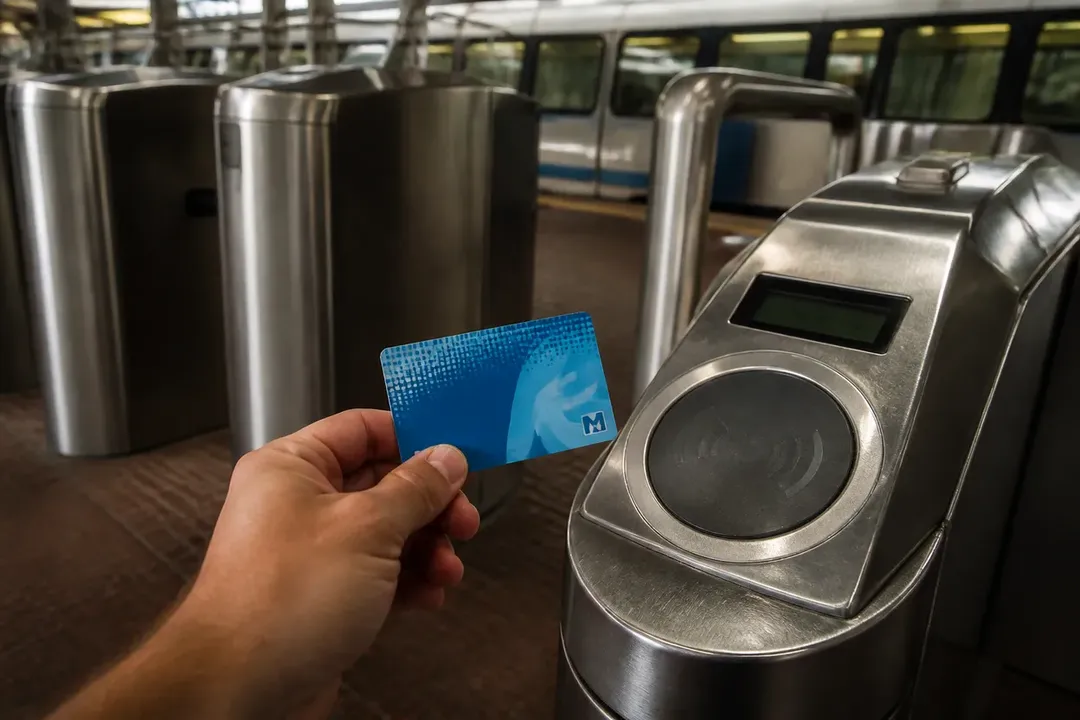
The strongest Miami plan is usually a two-stop route, not a scattered list. Choose one compact area and one optional extension. For a transit-aware starting point, Downtown Miami is worth researching because the county’s Transportation and Public Works page identifies Metrorail, Metromover, Metrobus, BRT Metro Express, MetroConnect microtransit service, and Special Transportation Service as parts of the mass transit system. Downtown also appears in the official visitor material through Bayfront Park, a public reference point that can help a group orient itself.
If the group wants Miami Beach, keep the route tight. The visitor site names South Beach’s white-sand beach and includes webcam references for 1st Street Beach, 21st Street Beach, 45th Street Beach, Lincoln Road, and Ocean Drive. Build around a recognizable public anchor first, then choose a nearby bar or restaurant second. That gives late arrivals a clear meeting point and gives the group an easier reset if a doorway is crowded, the room does not match expectations, or tonight’s program differs from what someone saw reposted.
Avoid turning the second drink into a countywide transfer unless there is a specific reason. A good structure is simple: meet at a known public area, walk to the first stop, then decide whether to stay nearby or move to a livelier room. Keep the second stop close enough that weather, footwear, and late arrivals do not quietly take over the night.
Keep food and late transit in the plan
Food is not a side issue in an August Miami plan. The official visitor site lists Miami Spice as running August through September, with specially priced three-course meals at top eateries for lunch, brunch, and dinner. That does not mean every restaurant has space tonight, that every menu fits your group, or that a bar stop includes food. It does mean food can be part of the plan if you verify participating restaurants, current menus, times, and booking details with the restaurant or official program pages before leaving.
Transit deserves the same treatment. Miami-Dade Transportation and Public Works says riders can read service updates and rider alerts, plan routes, and track buses and trains in real time. That is an actionable pre-departure checklist if you are using Metrorail, Metromover, Metrobus, Metro Express, or MetroConnect. The department also posts an important Metromover note: it is operating a modified Inner Loop, Inner Loop trains are running on the same track as Brickell and Omni Loop, and Inner Loop trains will not appear on the platform display. The supported move is specific: look inside the train to confirm the loop designation.
For late-night planning, decide the exit before the second drink. Know whether your group is using transit, rideshare, taxi, or walking back to lodging. If anyone needs elevator or escalator access, check Miami-Dade’s elevator and escalator status before committing to a station-based route.
Know when to switch to the backup room
A backup room is not pessimism; it is how a night stays flexible. Pick it before the first stop. The backup should solve one specific problem: too loud, too crowded, no food, access concern, weather exposure, or a program that does not match what your group expected. If the primary stop fails more than one important test, leave before the sidewalk becomes the planning table.
Use official public-space anchors to make the switch clean. In Miami Beach, Lincoln Road and Ocean Drive are named in the visitor site’s webcam list. Downtown has Bayfront Park. Little Havana has Calle Ocho. Coconut Grove appears through Sailboat Bay, and Wynwood Walls appears as another official visitor reference. These are not endorsements of any one venue. They are research anchors and meeting points that reduce confusion.
The best backup is close, calmer, and easier to explain. Do not make the backup more complicated than the first plan. If the hook was a celebrity-adjacent conversation and the real goal is time with friends, the right move may be away from the most performative room and toward a place where everyone can hear the punchline.
Verify the night’s program before leaving
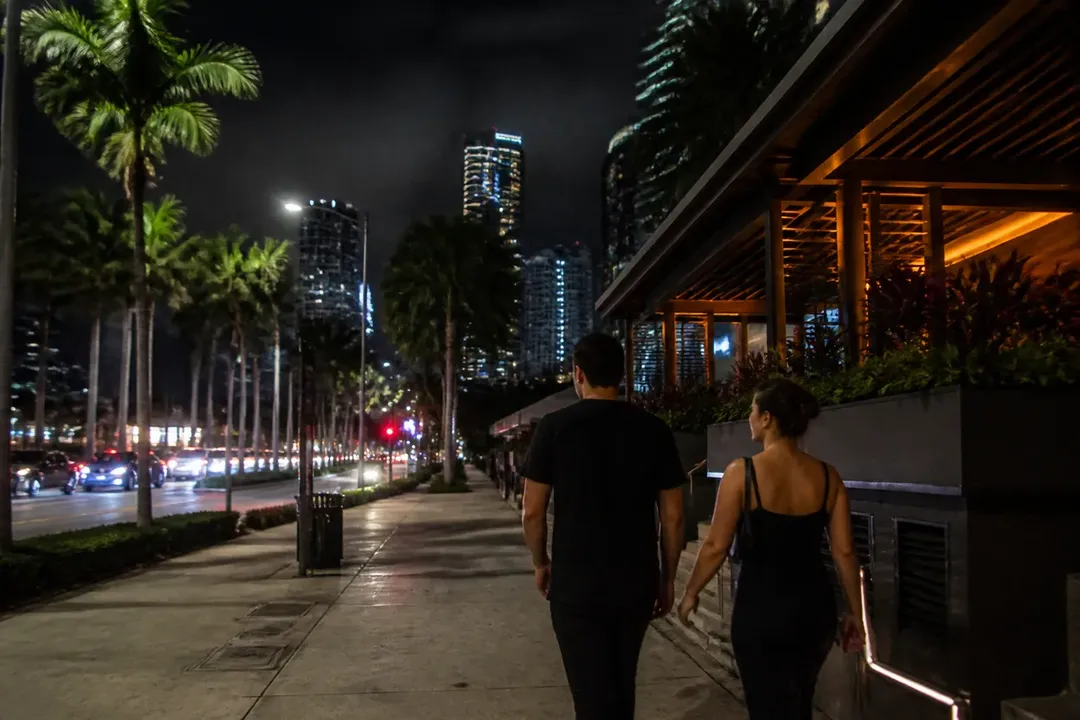
Before you put on shoes, verify the night from primary sources. Check the venue’s own page or official social channel for hours, entry rules, age requirements, ticketing, dress expectations, and whether a listed program is still happening. The official tourism and county pages are useful for orientation, transit, seasonal programs, public places, and visitor context; they do not replace a venue’s current door policy, availability, or capacity reality.
Also check Miami-Dade Transit rider alerts, service updates, the trip planner, and real-time bus and train tracking if your route depends on public transportation. If Metromover is part of the plan, remember the modified Inner Loop note and confirm the loop designation inside the train. If accessibility matters, check elevator and escalator status before you commit. Those details are not the headline, but they often decide whether the night feels smooth.
Finally, verify what you are not claiming. A trending name is not a booking confirmation. A repost is not an appearance. A crowded bar is not proof of affiliation. Miami is interesting enough without pretending certainty. Let the hook start the conversation, then let checked information run the night.
Tags: #harryjowsey #Miami #MiamiBars #MiamiNightlife #MiamiBeach #SouthBeach #DowntownMiami #Wynwood #LittleHavana #MiamiSpice #TransitPlanning #VenueCheck #AskKarpo #BeforeYouGo
Sources consulted: miamiandbeaches.com · miamidade.gov · miamidade.gov
All trademarks are the property of their respective owners.
Ask Karpo first
Ask Karpo first before you build the night around a rumor. Karpo can help check Miami-Dade rider alerts, service updates, trip planning tools, real-time transit tracking, venue program pages, neighborhood sequence, food timing, access notes, and a calmer backup nearby, so the plan stays useful even if the trending hook goes nowhere.
Ask Karpo for more information.
Keep reading
- Clubs Near Me Downtown Miami: Club Space Keeps Terrace Open Past Sunrise
 Live Music Near Me at Hoy Como Ayer Keeps Cuban Son Live
 Live Music Near Me in Little Havana: Ball & Chain Pineapple Stage