There is a version of Harlem's music history that people arrive holding, and it is mostly a list of rooms that no longer exist. Minton's is closed. Showman's is closed. The Cotton Club that everyone means is long gone. Going looking for the neighbourhood on the strength of those names produces an evening of locked doors and a conclusion that the scene is over, which is wrong — it just does not live where the guidebooks put it.
Harlem's live rooms run on short calendars posted late, and half of them only open four nights a week. Tell Karpo which night you are free and what you want to hear, and get the sets actually happening rather than the venues that come up first in search.
Bill's Place is the last of the actual speakeasies
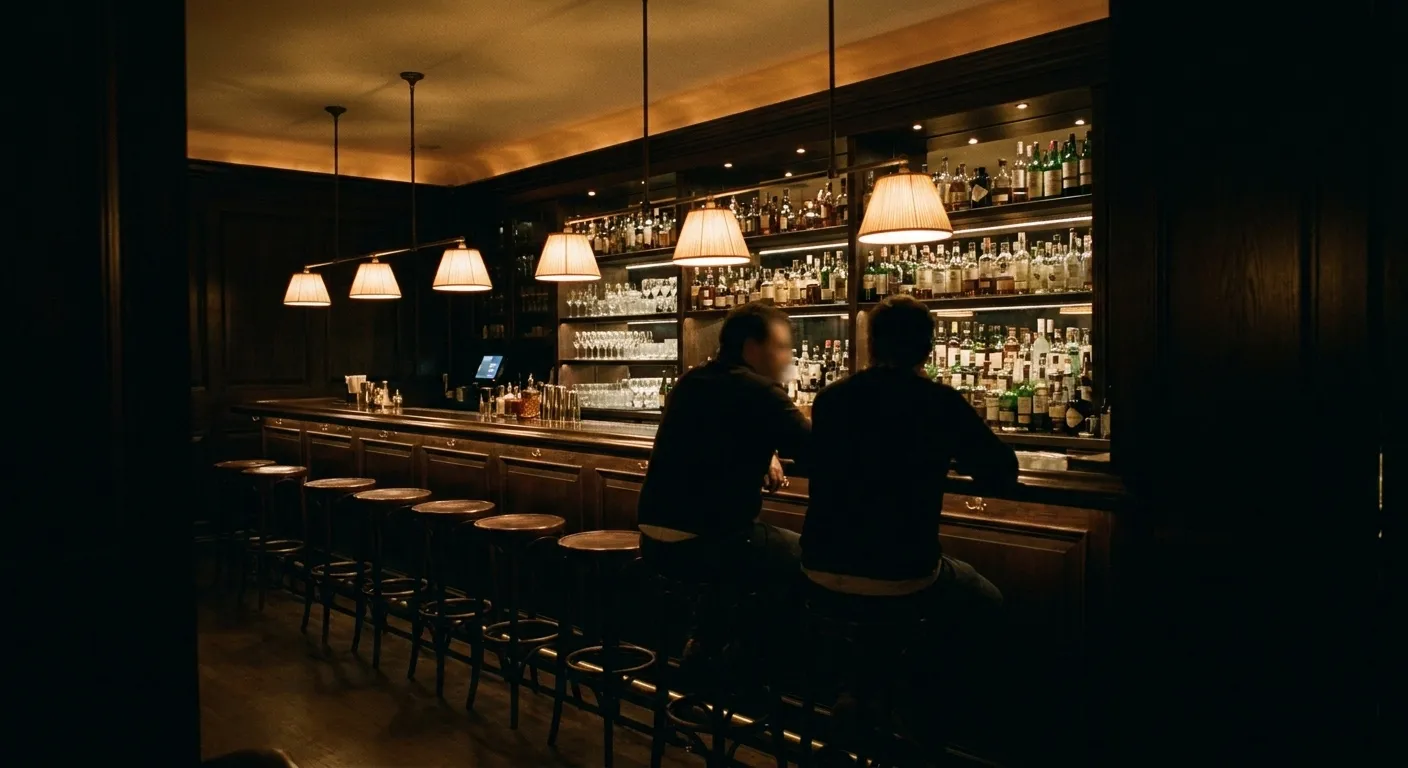
Bill Saxton runs sets out of his four-storey brownstone on West 133rd Street, which is the last surviving speakeasy on the block that used to be called Swing Street. This is the street where Billie Holiday made her debut. It is a house, not a club: the room seats a few dozen, there is no bar licence in the ordinary sense, and the format is closer to a concert in somebody's parlour than to a night out.
That format is the point. What it preserves is not a repertoire but a scale — the specific intimacy of hearing a horn player in a room where nobody is more than fifteen feet from the instrument. Reservations are essential and the sets have fixed times, so this is a plan rather than a drop-in.
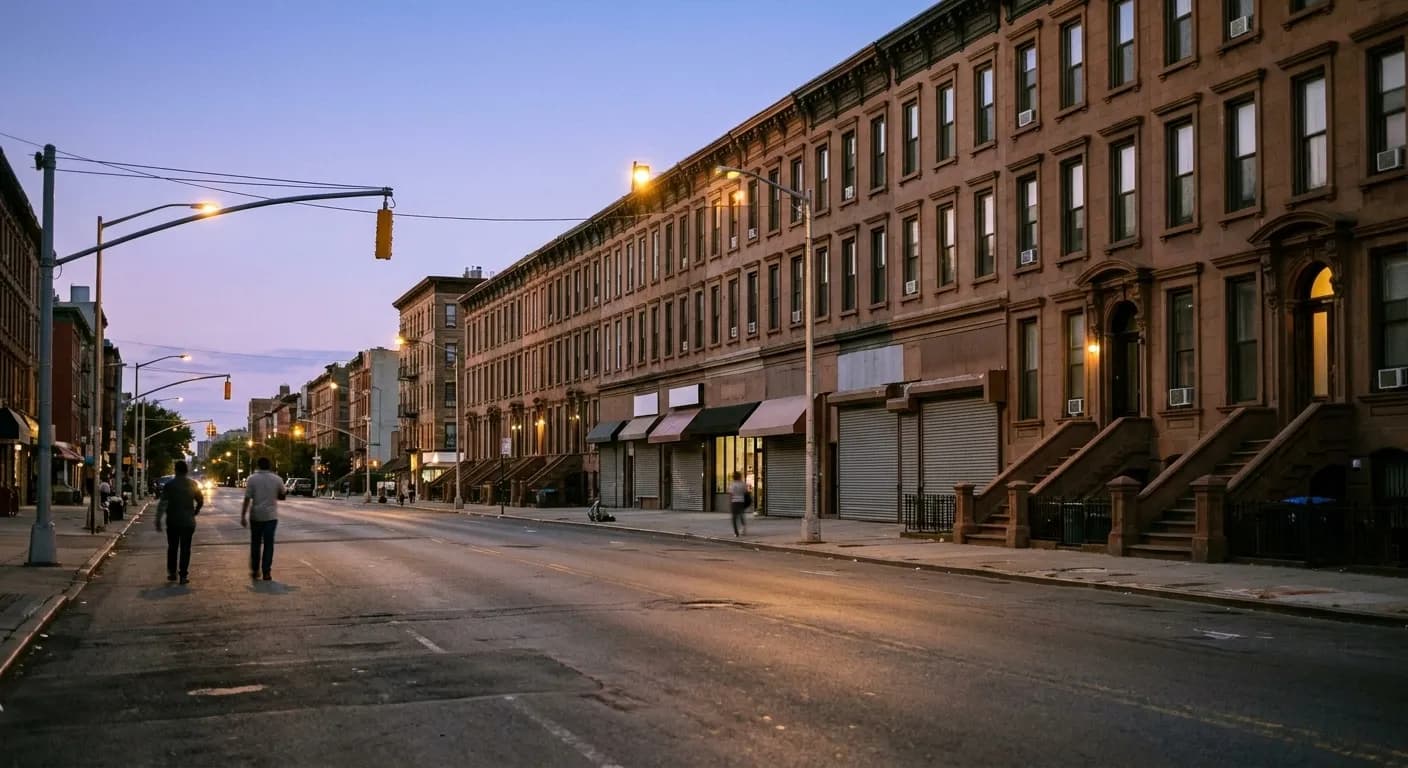
Silvana is the working-week answer
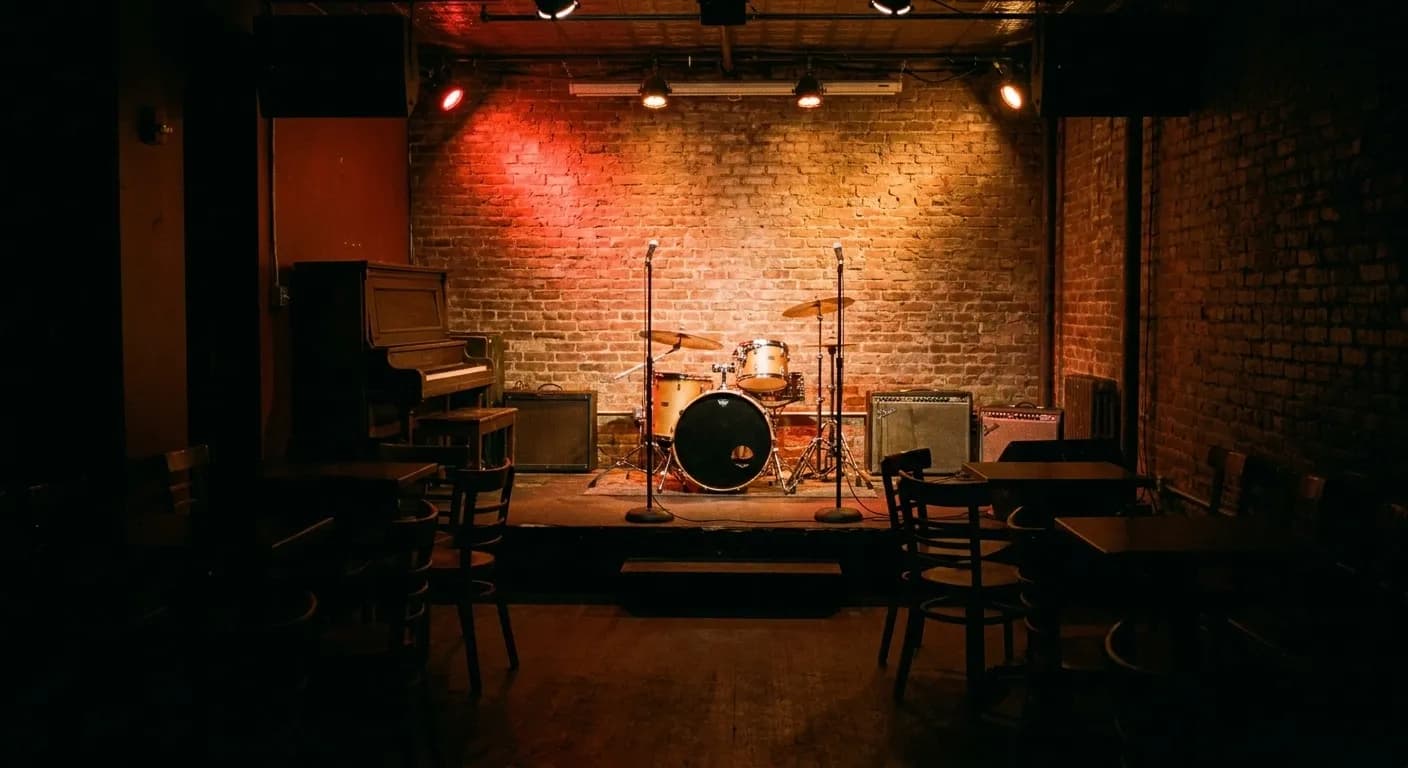
Silvana sits at 300 West 116th Street, on the southwest corner where Frederick Douglass Boulevard meets 8th Avenue, and it is a Middle Eastern restaurant upstairs with a music room in the basement. The basement runs jazz, but also reggae, funk, house, hip-hop and West and East African music, which is a much more accurate picture of what Harlem actually sounds like now than a purely jazz programme would be.
It opens Thursday through Sunday, and the practical value is that it is a room you can walk into. No ticket, no fixed set time, no reservation — you go, you eat upstairs, you go downstairs when something starts. For anybody trying to hear live music on a Thursday without planning a week ahead, this is the most useful address in the neighbourhood.
Ginny's and the Apollo cover the two ends of the scale
Ginny's Supper Club is the basement lounge beneath Red Rooster at 310 Lenox Avenue, between 125th and 126th, and it runs the supper-club format — dinner, a set, a room designed for sitting rather than standing. It is the dressed-up version of the evening and it books out on weekends.
The Apollo on 125th Street is now past ninety years old and remains the largest room in the neighbourhood, but the part worth knowing about is the Apollo Music Café — a series built around artists on the way up rather than the headline programme, spanning R&B, hip hop, soul, jazz, pop, country, funk and rock. It is a considerably cheaper and more interesting proposition than a main-stage ticket, and it is where you go if you want to hear something before it is expensive.
How to plan a night that works
Check calendars the same week, not the same month. These are small operations posting late, and a venue's own social feed is frequently more current than its website. Reserve for Bill's Place and Ginny's; walk in to Silvana. And build the evening around one set rather than trying to catch three — the rooms are spread across twenty blocks and the sets do not stagger conveniently.
One more practical thing: several of these rooms have cover charges or minimums structured differently from a normal bar, and the ones run out of houses and basements sometimes prefer cash. Ask when you book rather than at the door.
Practical notes
Minton's, Showman's and the historic Cotton Club are permanently closed — do not build a night around them. Bill's Place on West 133rd is a reservation-only brownstone with fixed set times. Silvana at 300 West 116th runs a free walk-in basement programme Thursday to Sunday across jazz, funk, reggae, house and African music. Ginny's beneath Red Rooster at 310 Lenox is the supper-club option and books out at weekends. The Apollo Music Café is the cheap way into the Apollo. Check calendars the same week and carry cash.
What replaced the rooms that closed
The interesting thing about Harlem's music scene now is that the venues carrying it are mostly not venues in the traditional sense. A restaurant basement, a private brownstone, a theatre's late-night series in a side room — the infrastructure is embedded inside other businesses rather than standing alone, because a standalone jazz club is close to impossible to run in this real estate market.
That is a genuine adaptation rather than a decline, and it changes how you find things. There is no equivalent of walking down a street of clubs and picking one. You have to know which restaurant has a basement and which night the basement is on, which is exactly the kind of local knowledge that used to be transmitted by living there and now has to be looked up.
Tags: #Harlem #LiveMusic #Jazz #SoulMusic #NYCNightlife #ApolloTheater #BarsAndNightsOut #Manhattan #SmallVenues #NYCMusic #RandB #NewYorkCity #NYCGuide
Please drink responsibly. Must be of legal drinking age.
All trademarks are the property of their respective owners.
Ask Karpo first
Want to know who is playing tonight, which rooms take walk-ins, and what the cover actually is before you get to the door? Ask Karpo for this week's Harlem calendars, a set that fits your evening, and whether to reserve or just turn up.