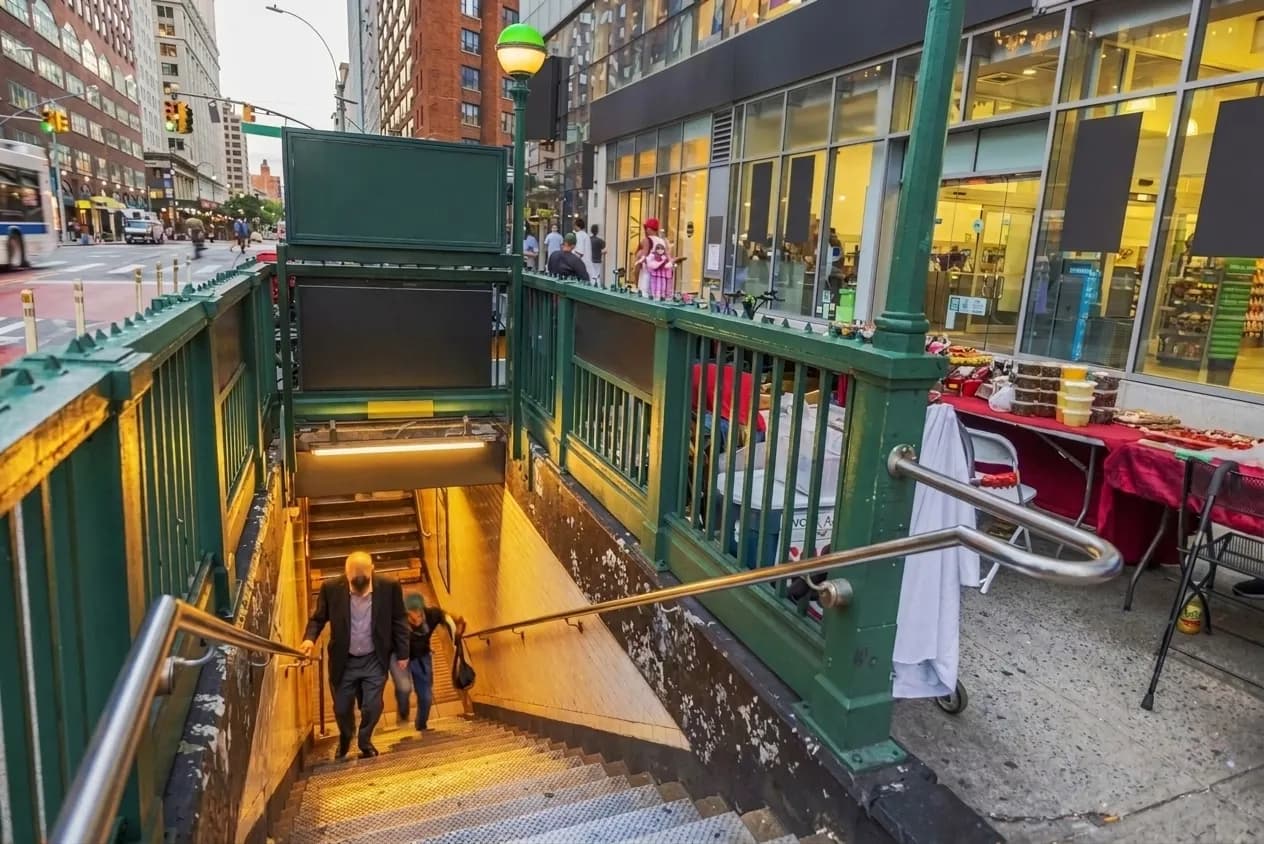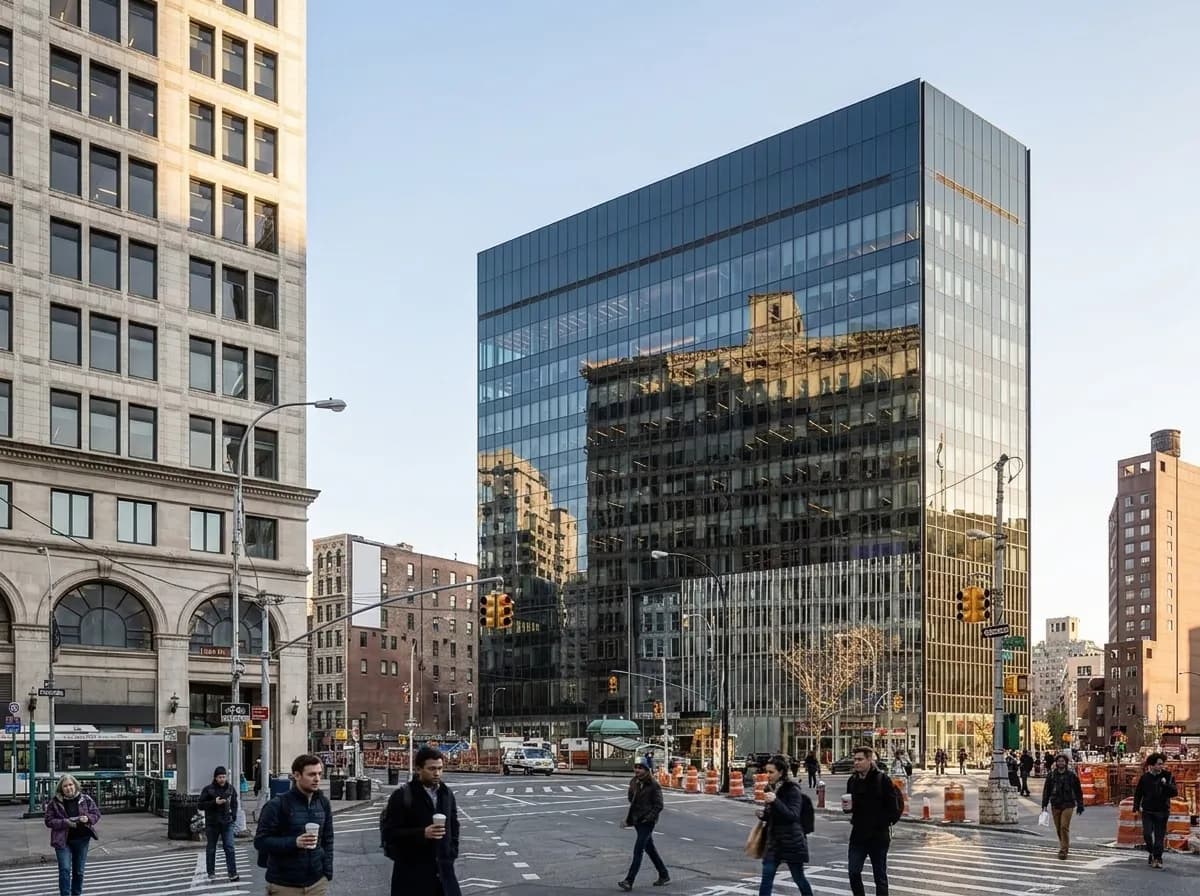
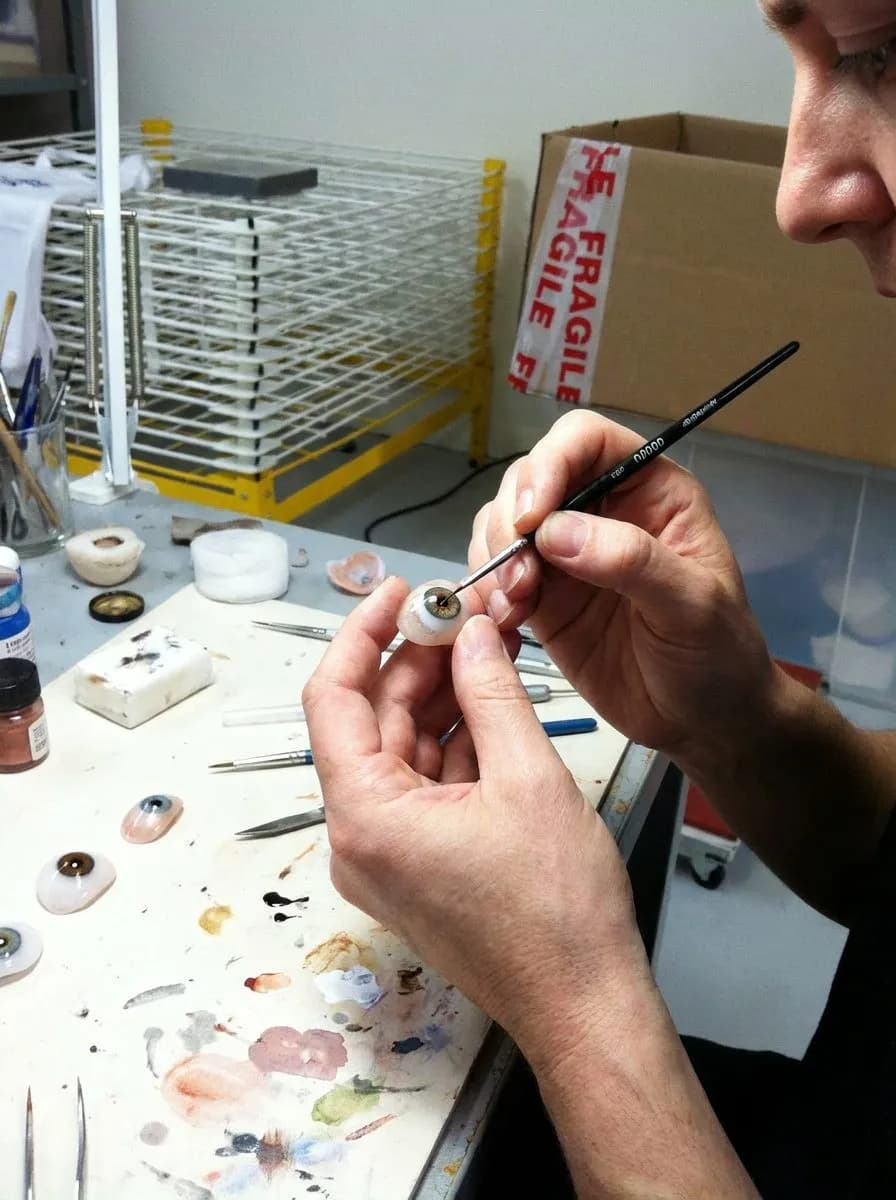
There are studios in this city that operate on timescales most of us have forgotten. Behind a discreet brass plate on a Gramercy brownstone, a third-generation ocularist fits glass prosthetic eyes the way his grandfather did—hand-painting iris details with 00000 brushes under magnification, matching blood vessel patterns in mineral pigment, working from daylight and patience. No website. No walk-ins. Referrals come from ophthalmology practices across the tri-state area, and if you're looking for unconventional weekend plans or the sort of city guide entry that makes dinner conversation memorable, this qualifies. Though you'll need a medical reason to book.
The lineage of looking
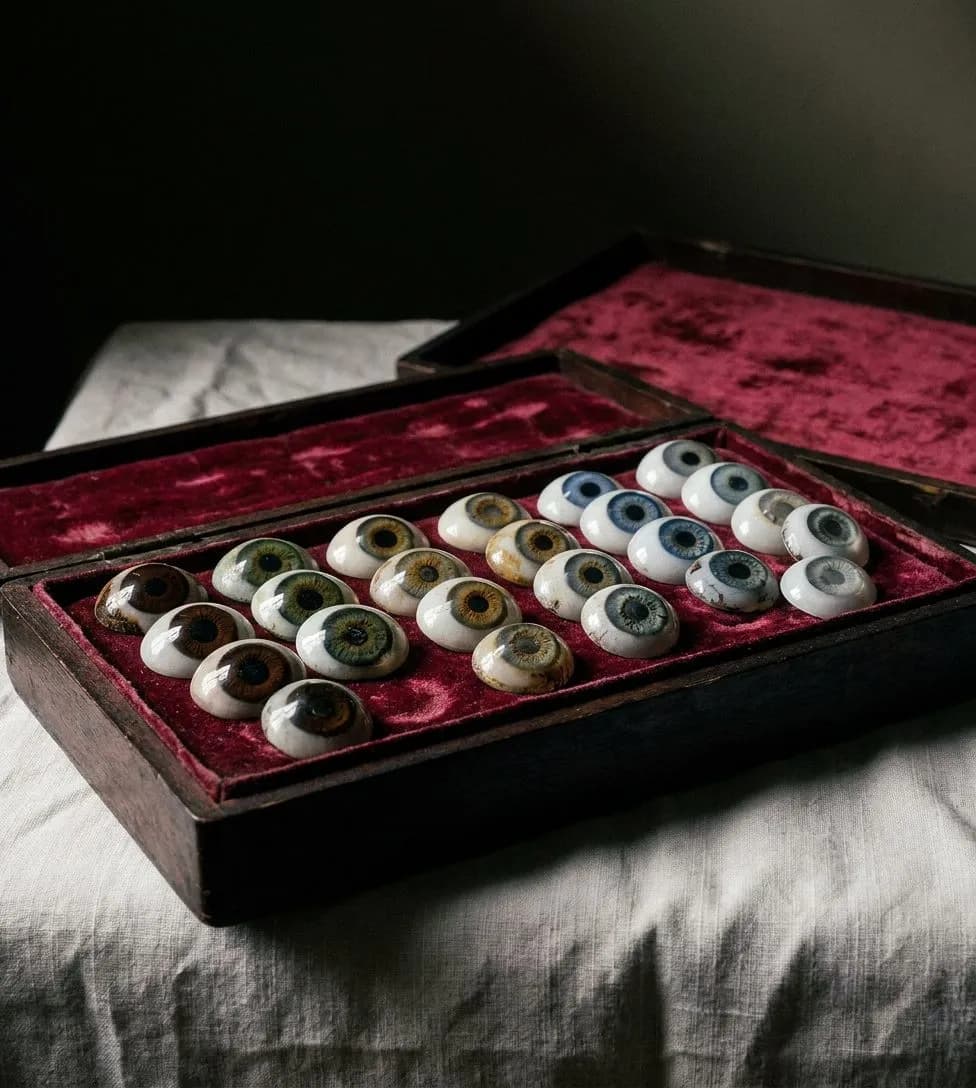
The studio has occupied the same brownstone parlor floor for decades, when the current ocularist's grandfather opened the practice after apprenticing in Prague. The front room still functions as a waiting area, its walls lined with framed historical examples: Victorian mourning eyes worn on necklaces, taxidermy supply catalog pages illustrating glass eyes for hawks and deer, and a startling array of prosthetics from different eras. The collection isn't macabre so much as quietly factual, a material history of how humans have approached loss and restoration.
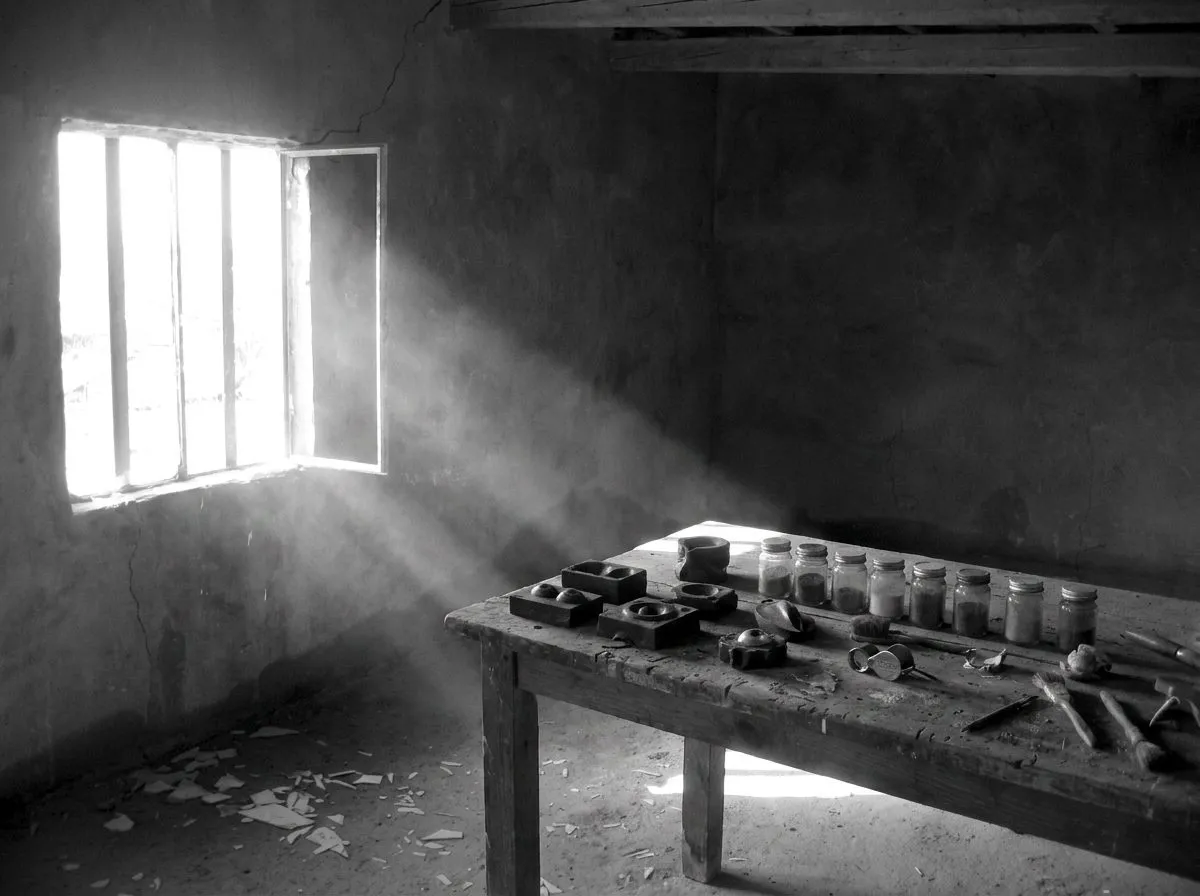
In the back workshop, natural light filters through tall windows onto a workbench that looks like a jeweler's station crossed with a painter's desk. Magnifying lamps. Rows of mineral pigment powders in apothecary jars. A wooden case of antique glass eye molds, some dating to the 1880s, organized by size and curvature. The atmosphere is monastic, humming with craft rather than clinical efficiency.
The archive of irises
The studio keeps a logbook dating to 1947 that records every iris pattern created, indexed by patient initials and Munsell color code—a standardized notation system more commonly used by soil scientists and paint manufacturers. Flipping through the ledger is like reading a codex of human variation: 5Y 7/4, 10YR 6/6, patient R.L., patient M.G. The Munsell system allows the ocularist to communicate precisely about hue, value, and chroma, essential when you're trying to match an eye that exists only in memory or a decades-old photograph.
Each prosthetic requires three separate fittings. The first involves taking impressions and matching base color. The second refines shape and begins detail work. The third finalizes the painted iris, the delicate tracery of blood vessels, the tiny imperfections that make a prosthetic read as real rather than uniform. It's a collaborative process, equal parts medical fitting and portraiture.
Tuesday mornings under balanced light
Tuesday morning appointments run ninety minutes and include a Polaroid reference photo session under daylight-balanced lamps, a step the ocularist insists on despite the availability of digital photography. The Polaroids, he explains, render color more faithfully under the specific spectrum he'll be working in. He keeps them pinned to a corkboard near the workbench throughout the fabrication process, checking them obsessively as he layers pigment onto the convex glass surface.
The painting happens in stages, each layer heat-set before the next is applied. He works under a jeweler's loupe, building up the iris in concentric rings—the outer pigment, the radial striations, the fine stippling that gives depth. A single iris might involve eight separate firings. The brushes are sable, size 00000, and he replaces them every few weeks. Watching him work is hypnotic and slightly unnerving; he's painting an organ.
Bavarian machinery, still turning
In one corner of the workshop sits the studio's most remarkable piece of equipment: a foot-pedal grinding wheel imported from Lauscha, Germany in 1923. The town of Lauscha was once the global center of glass eye production, and this particular wheel—cast iron, stone disc, leather drive belt—still shapes the scleral curve on every prosthetic that leaves the studio. The ocularist's grandfather brought it over in a shipping trunk. It's older than most of the buildings in the neighborhood.
Using it requires a kind of bodily knowledge that doesn't translate to instruction manuals. The pressure of the foot pedal, the angle of the glass blank against the spinning stone, the sound of the grind—all of it learned through years of repetition. There are faster methods available now, CNC-milled prosthetics produced in dental labs, but the old technique allows for micro-adjustments in real time, a feedback loop between hand and material that digital fabrication can't quite replicate.
The ethics of realism
One of the more fascinating aspects of the work is calibrating just how much realism a patient wants. Some prefer a prosthetic that blends seamlessly, indistinguishable from the remaining eye. Others want something subtly different—a shade lighter, a bit more vivid—claiming back agency over their own appearance. The ocularist navigates these requests with care, probing gently to understand whether someone is asking for what they think they should want versus what they actually want.
He's painted irises in colors that don't occur in nature, at the request of patients who saw the prosthetic as an opportunity rather than a restoration. A musician wanted gold flecks. A dancer requested an iris that shifted from grey to violet depending on the light. The studio's approach is clinical in method but open-ended in outcome. It's restorative medicine, sure, but it's also portraiture, maybe even sculpture.
What remains
By late 2026, the ocularist is considering what succession looks like. There are younger practitioners learning the craft, though fewer each year as insurance reimbursements tilt toward faster, cheaper methods. The logbook will stay with the studio, he insists—it's an archive, a genealogy of attention. The foot-pedal grinder, too. Some tools deserve to keep working.
For now, the practice continues as it has for decades: quietly, by referral, two mornings a week. If you know someone who knows someone, you can find it. The brass plate on the brownstone doesn't even list the name—just the street number and a small engraving of an eye. Discreet, durable, exact.
Practical notes
The studio operates by referral only, typically through ophthalmology practices; consultations are by appointment only. Located in Gramercy; transit and exact cross-street details not specified. Street parking is scarce; plan on a garage or car service. No walk-ins accepted. Bring any reference photos of your natural eye if available, and expect the full process to span several weeks across three appointments. The building is a walk-up; accessibility accommodations should be discussed when scheduling.
Tags: #HandEngravedGlass #OcularistStudio #GramercyNYC #TheOddEdit #ArtisanCraft #GlassEyes #ProstheticArt #19thCenturyTechniques #NYCCuriosa #HiddenWorkshops #LostArts #CitySecrets #CraftTradition #MedicalArtistry #SummerNYC2026
Sources consulted: Ocularist · Glass Eye · Gramercy, Manhattan · NY Times: New York · Gramercy Park
All trademarks are the property of their respective owners.