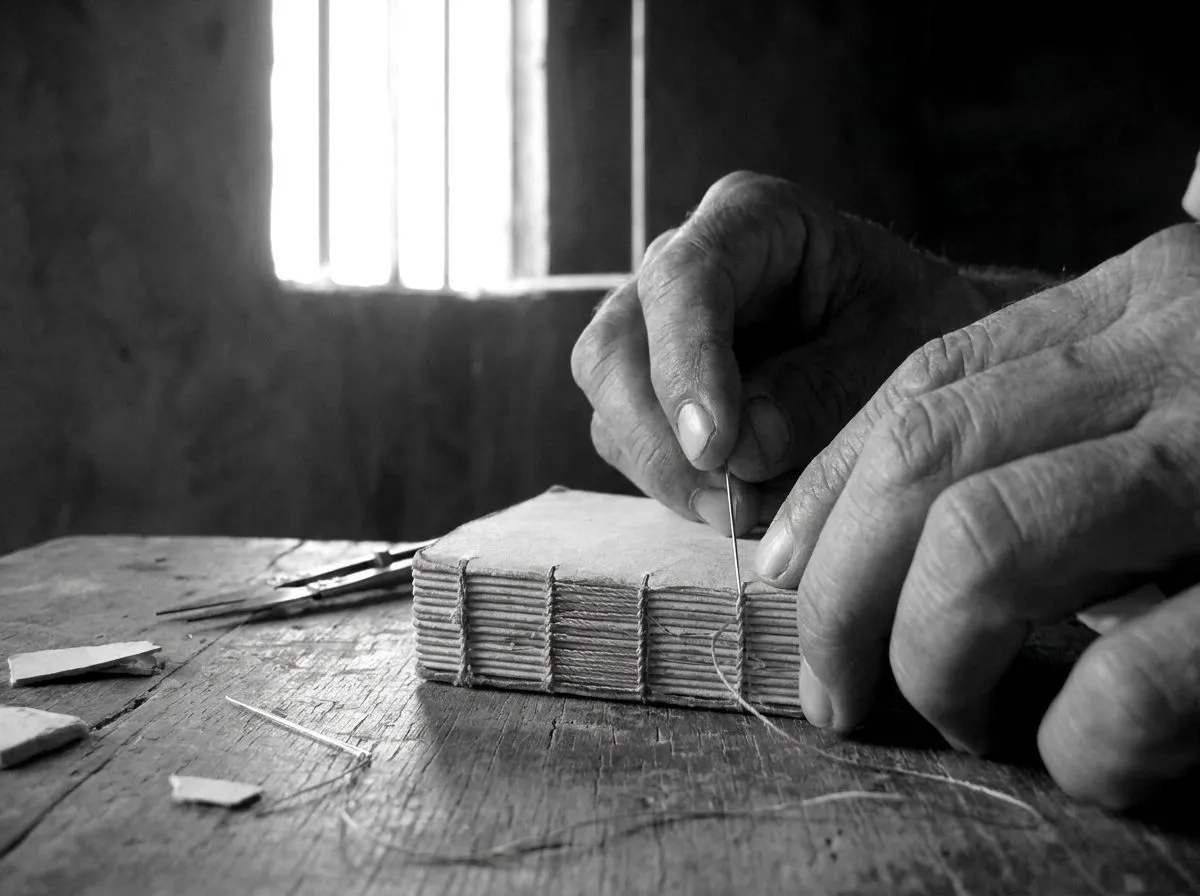
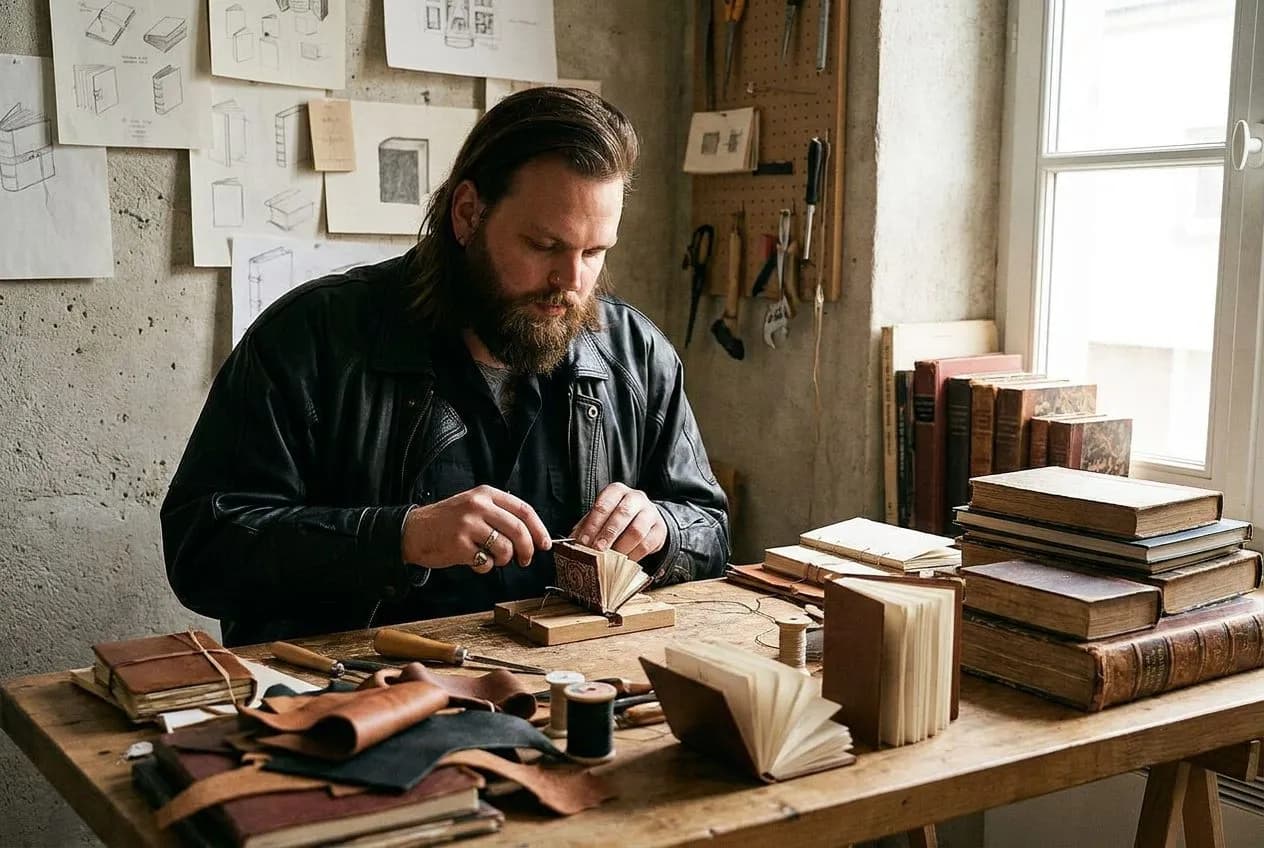
The first thing you notice in the third-floor studio is the silence—no machinery hum, no digital whir, only the soft snick of needle through folded paper. The second is the scale. On the workbench sit books no taller than a matchbox, each sewn in signatures, cased in leather-covered boards, and finished with gilt edges that catch the afternoon light streaming through tall brownstone windows. This is where full-scale binding tradition meets miniature dimensions, where dollhouse libraries gain volumes Austen and Brontë would recognize, and where collectors of fine press editions find works small enough to wear as pendants but substantial enough to open, read, and shelve.
The Scale of the Work
Miniature book binding occupies a curious position in the craft hierarchy—neither novelty nor purely decorative art, but a discipline with its own societies, competitions, and exacting standards. The Miniature Book Society, to which this studio subscribes, maintains strict size definitions: books must measure under three inches in any dimension to qualify for competition categories. That constraint demands not simplification but adaptation. Every element of traditional binding—sewing stations, board attachment, edge finishing—scales down while retaining structural integrity.
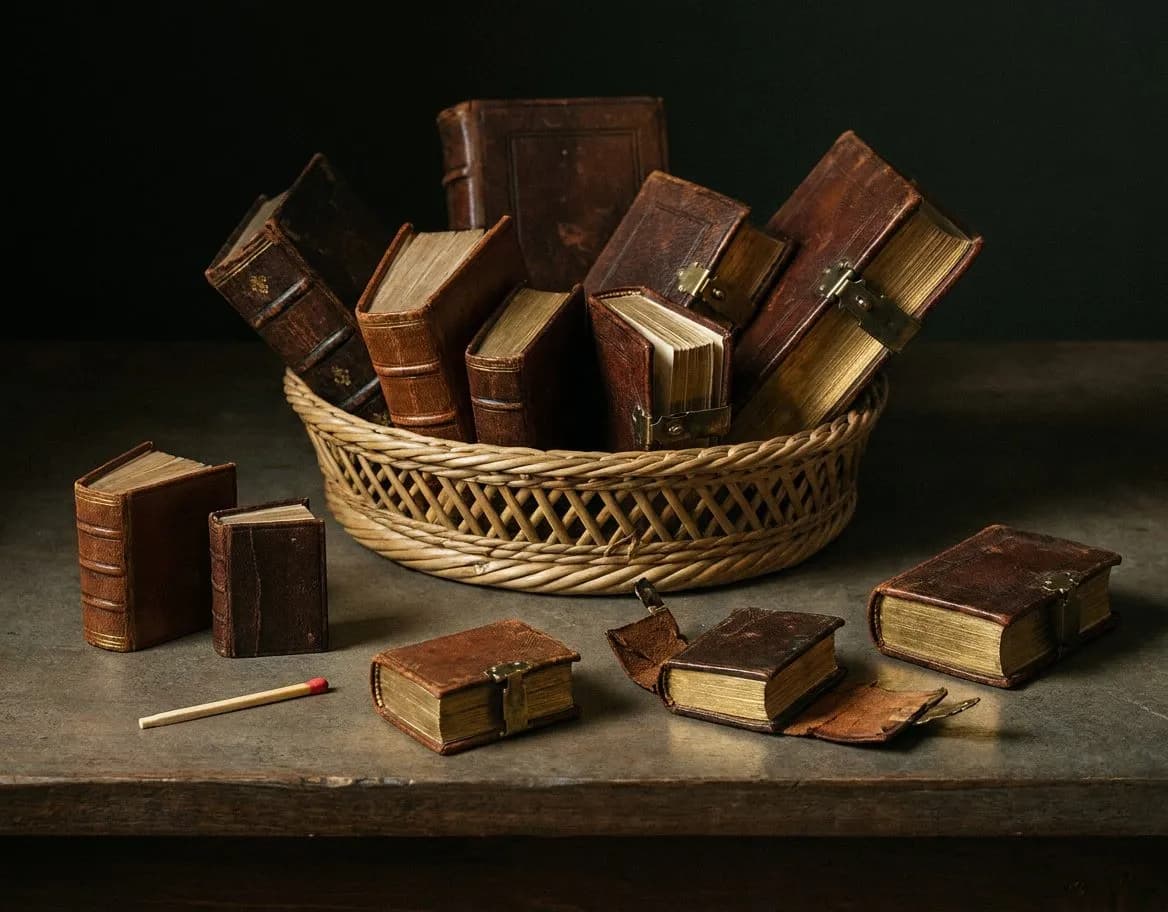
The work requires specialized tools. Triple-zero needles fine enough for surgical suturing. Silk thread chosen for strength at small gauge. Micro bone folders carved from actual bone, their edges burnished smooth. A jeweler's loupe for checking signature alignment. The binder keeps a reference collection of miniature books dating to the eighteen-hundreds, volumes that prove the form's longevity and inform contemporary technique. Some are functional curiosities; others are masterworks of nineteenth-century craft, their bindings still sound after a century and a half.
Material Choices
Leather selection for miniature binding presents particular challenges. Too thick and it won't turn cleanly at small scale; too thin and it lacks the body to protect sewn text blocks. The studio sources its leather stock from Italian glove manufacturers, material thin enough for miniature binding but durable enough for traditional case construction. The hides arrive in panels, buttery and pliable, already dyed in burgundy, forest green, navy, and occasional brighter tones for custom commissions.
The paper, too, demands consideration. Standard text-weight stock becomes clumsy at miniature scale, so the binder works with Japanese tissue and fine-milled European book papers, stocks that fold crisply into signatures and age without brittling. For illustrated editions—fairy tales and children's classics populate many dollhouse libraries—image reproduction happens at the design stage, printed at high resolution before folding and sewing. The result reads as a complete book, not a model of one.
Gilt Edges and Finishing
Edge gilding represents one of the studio's signature techniques, a process adapted from full-scale finishing but requiring different pressure and timing at miniature dimensions. Thursday afternoon appointments often include demonstrations of gilt edge application using a homemade miniature finishing press built to one-to-four scale. The press, constructed from brass hardware and hardwood, clamps the text block while the binder applies adhesive sizing, burnishes the edge smooth, and lays twenty-three-karat transfer leaf along the trimmed page ends.
The leaf adheres to sized edges, and excess flakes away under a soft brush. What remains is a thin ribbon of gold catching light when the book tilts. It's a finish associated with luxury editions, and at miniature scale the effect amplifies—a tiny volume revealing gilt edges feels almost impossibly refined, a jewel-box object that happens also to be readable. The technique works on fore-edges, top edges, or all three, depending on the commission. Some clients request period-appropriate finishes for Victorian dollhouse libraries; others want contemporary interpretations with colored foils or pattern work.
Dollhouse Libraries and Wearable Editions
Commissions arrive from two main collector communities. Dollhouse enthusiasts seek period-appropriate library sets—matched bindings in half-leather or full cloth, spines lettered in gold, titles reflecting the era and social position of the dollhouse's imagined inhabitants. A Gilded Age parlor might house Tennyson, Trollope, and illustrated natural histories. An Edwardian nursery calls for Beatrix Potter and Andrew Lang fairy books. Custom dollhouse libraries require consultation on scale and period-appropriate titles, a process that can stretch six to eight weeks as the binder researches, designs, and produces each volume.
The second category serves collectors of miniature book art and wearable book jewelry. These are functional volumes—poetry collections, art reproductions, even miniature grimoires—designed to be worn as pendants or displayed in specialized cases. Some open to reveal hand-lettered text; others incorporate relief printing or watercolor illustration. The form attracts bibliophiles who want literature made tactile and portable, a book as talisman. For those seeking an alternative city guide to New York's maker communities, this studio represents the intersection of traditional craft and contemporary collecting culture, a place where scale shifts but standards remain uncompromising.
The Studio Atmosphere
The brownstone setting contributes to the work's character. Natural light matters for color matching and close handwork, and the tall windows provide it generously through late afternoon. The room smells faintly of leather and beeswax, the latter used for thread conditioning. Reference shelves hold binding manuals, miniature book society newsletters, and the historical collection—tiny volumes in custom-built cases, each labeled with acquisition details and provenance notes when known.
There's a meditative quality to the process, watching needle and thread pull signatures into alignment, observing boards cut and covered, seeing gilt edges emerge under careful brushwork. The binder works without background music, preferring the sounds of the tools themselves: the whisper of thread through paper, the soft thud of the bone folder, the click of the miniature press. It's a reminder that some craft practices resist acceleration, that quality at small scale demands the same patience as quality at any other.
Commissioning a Volume
The studio accepts commissions on a rolling basis, with timelines running six to eight weeks depending on complexity and current queue. Initial consultations happen during Thursday afternoon studio visits, when prospective clients can examine finished work, discuss material options, and review the reference collection for inspiration. The binder walks through the process—from signature construction to case binding to finishing—and discusses design variables: size within the three-inch constraint, text selection, binding style, edge treatment, and lettering.
Pricing varies by commission; confirm rates and turnaround time directly with the studio. Clients should come prepared with clear ideas about scale requirements, particularly for dollhouse commissions, and be open to the binder's guidance on what techniques translate effectively at miniature dimensions. For those drawn to the intersection of book arts and precision craft, the studio offers a rare opportunity—literature made small but not diminished, bound with the care reserved for volumes that will outlast their makers.
Practical notes
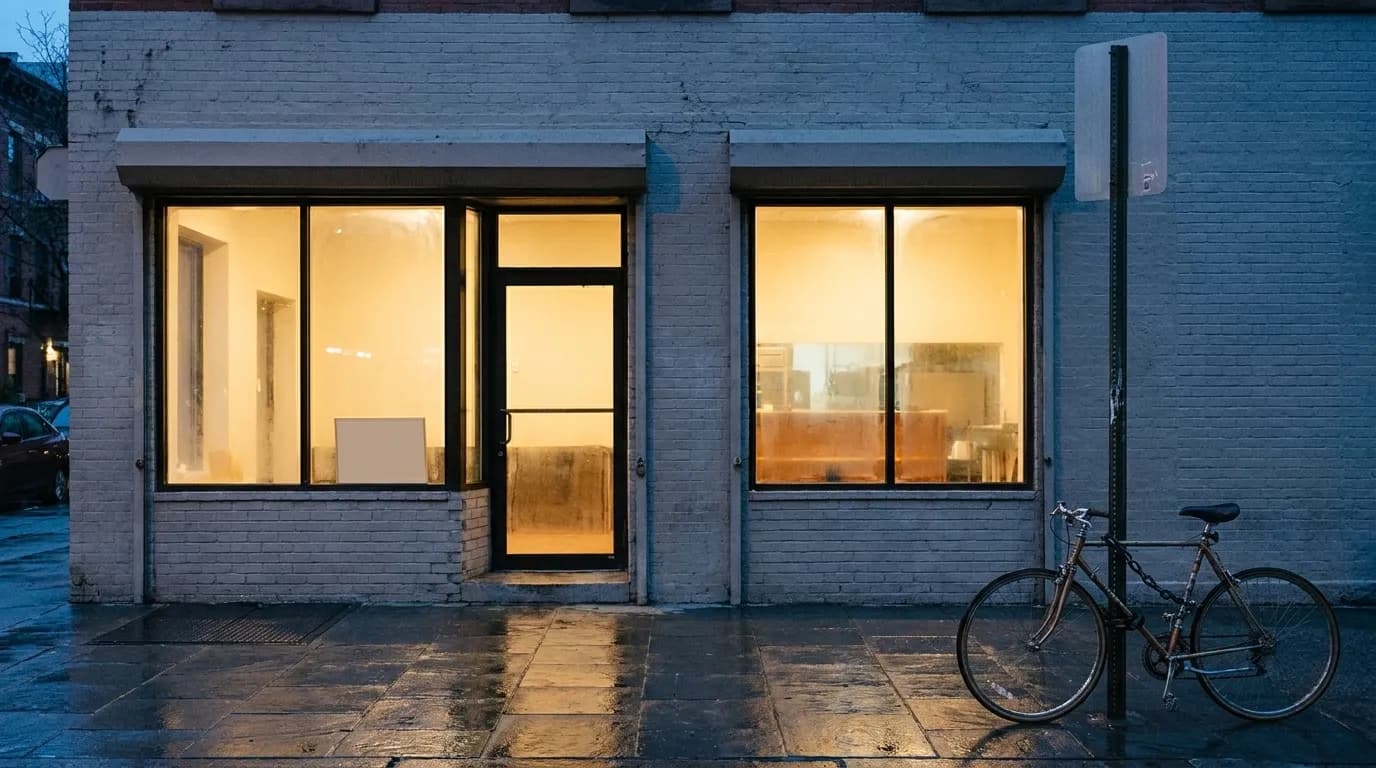
The studio operates by appointment only; confirm current hours and availability in advance. Located in Park Slope; verify the exact address and transit details before publication. Street parking can be tight; allow extra time. The studio is a third-floor walk-up with no elevator access. Bring reference images for custom commissions, dollhouse measurements if applicable, and questions about materials or timelines. Commissioned work requires a deposit; final pricing depends on materials, size, and finish complexity. Verify current hours and appointment procedures directly before visiting.
Tags: #HandBoundBooks #MiniatureBookBinding #ParkSlope #TheOddEdit #NYCMakers #BookArts #DollhouseLibrary #TraditionalCraft #GiltEdges #FinePressEditions #NYCStudioVisit #CollectorBooks #BookbindingStudio #BrooklynArtisans #CityGuideNYC
Sources consulted: Bookbinding · Miniature Books · Park Slope · Brooklyn Neighborhoods · Arts & Design - NYT
All trademarks are the property of their respective owners.