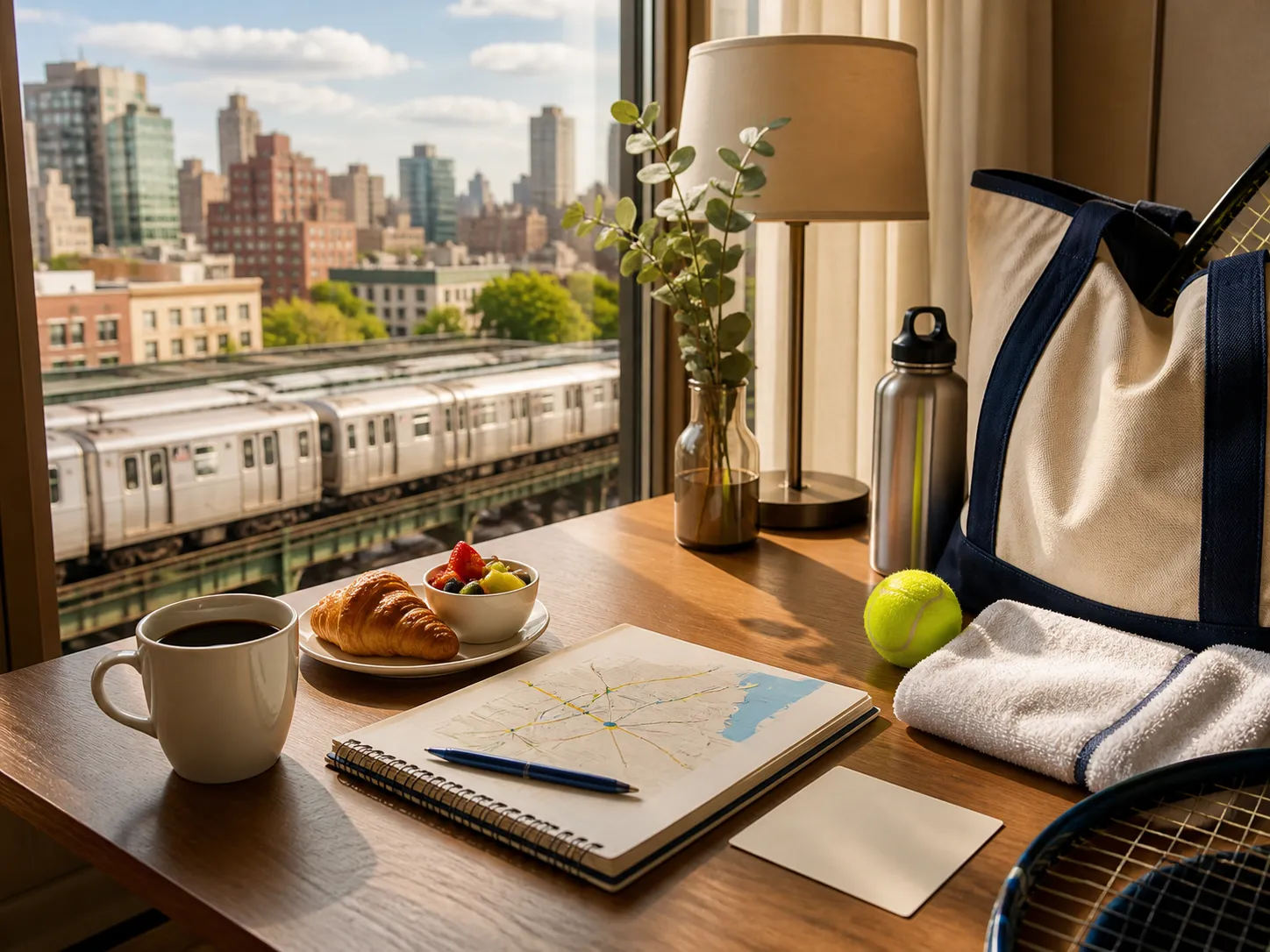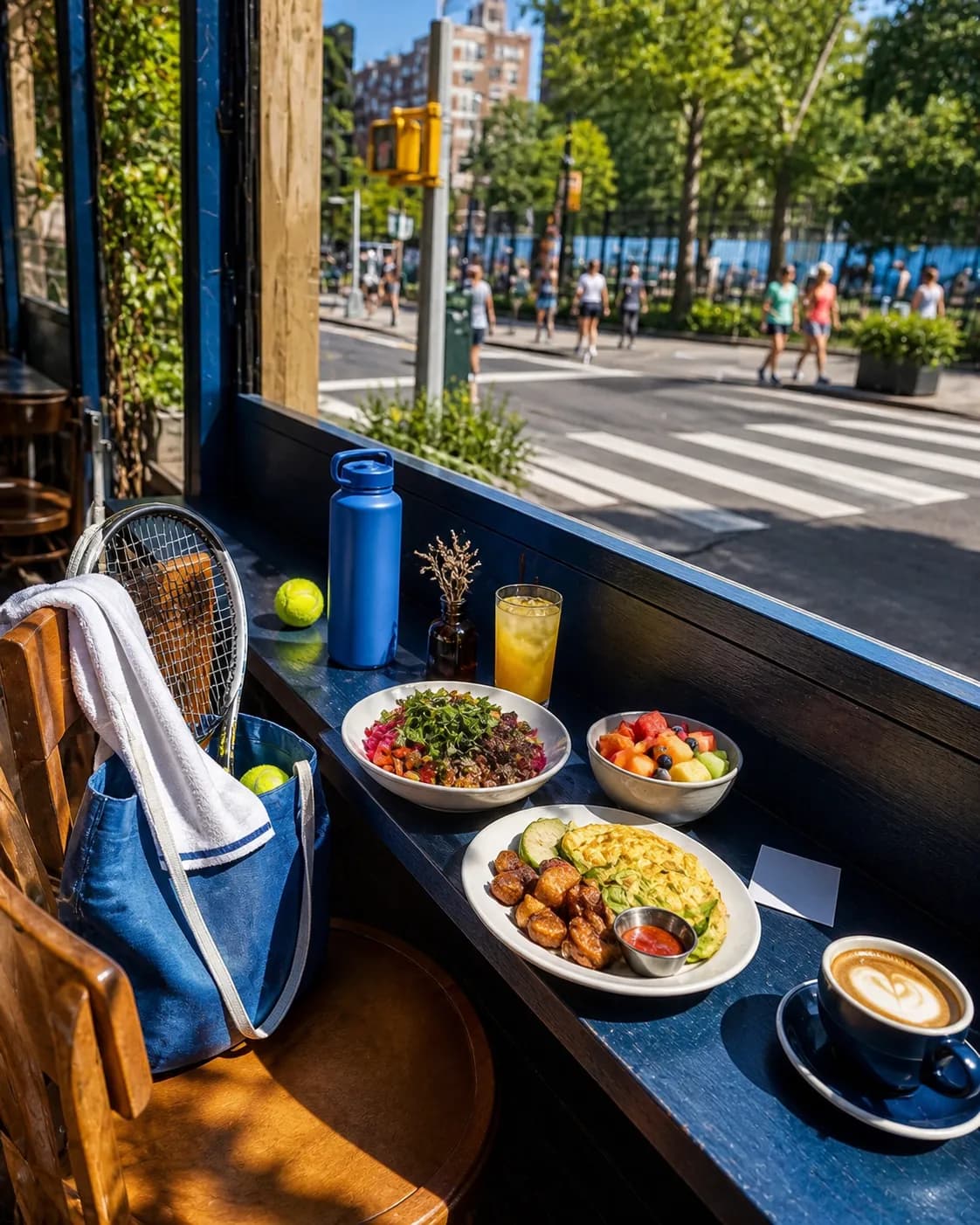
When gaming platforms or apps experience outages—like the kind that occasionally affect services such as Halo Waypoint—it's a useful reminder that connectivity isn't guaranteed, especially in crowded venues. The 2026 US Open at the USTA Billie Jean King National Tennis Center in Flushing Meadows will draw tens of thousands of fans daily, and cellular networks can slow to a crawl during evening sessions. Whether you're planning a day trip from Manhattan, a weekend stay in Long Island City, or a local outing from Jackson Heights, thinking through offline planning, phone battery management, photo strategies, and practical tech habits now will make your tournament experience smoother and more enjoyable.
Text Karpo with your US Open session time and Queens starting point, and we’ll turn this offline planning, phone battery, photo ideas, and practical tech habits for crowded event days into a practical local plan.
Why Offline Planning Matters at the US Open
The USTA Billie Jean King National Tennis Center sits in the heart of Flushing Meadows Corona Park, surrounded by open green space, the Unisphere, and the Queens Museum. Cell service inside Arthur Ashe Stadium and across the grounds can be unpredictable during peak attendance, particularly during night sessions when 20,000-plus fans are streaming video, checking scores, and posting photos simultaneously. Relying on live maps, real-time transit updates, or cloud-based ticket retrieval in the moment can lead to frustration. Downloading offline maps of Queens, saving your session tickets as offline copies or wallet passes, and noting key transit stops—Mets-Willets Point on the 7 train, or the Long Island Rail Road station—before you leave home or your hotel will keep you moving even when your signal drops.
Battery Management for Long Tournament Days
A full day at the US Open can stretch from noon until past midnight if you're catching both day and night sessions. Your phone will be your camera, your ticket scanner, your transit guide, and your connection to friends meeting you at the grounds. Start with a full charge, and consider bringing a portable battery pack—many visitors tuck a slim 10,000mAh unit into a small bag. The official US Open prohibited-items guide allows personal electronics and small chargers, but double-check the current list on usopen.org before you pack. Enabling low-power mode, closing background apps, and dimming your screen during downtime between matches can stretch your battery through the final set. If you're staying nearby in Flushing or Corona, a midday return to your room for a quick charge and a break from the sun can reset your energy and your device.
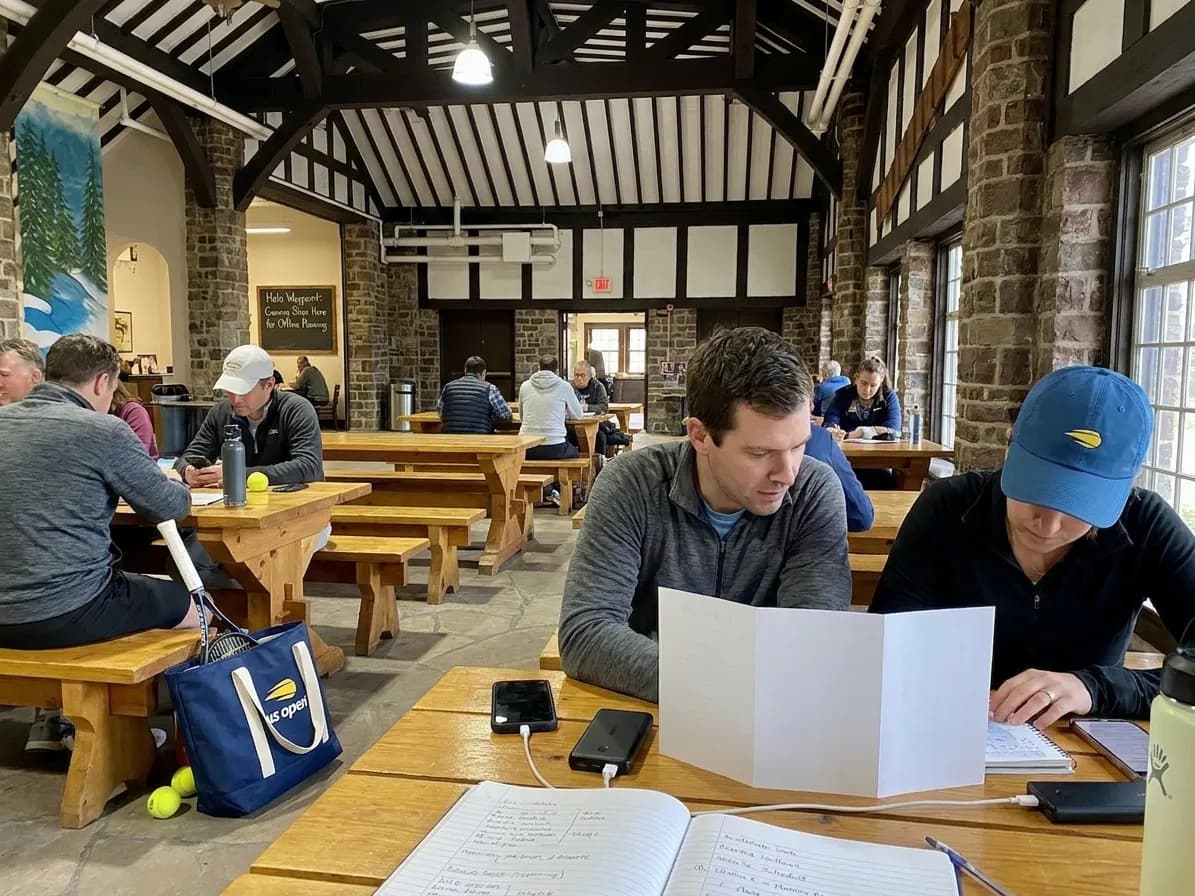
Photo Ideas That Don't Drain Your Phone
The US Open offers iconic backdrops: the Unisphere at golden hour, the Arthur Ashe Stadium scoreboard, the colorful food village, and the practice courts where you might catch a top player warming up. Instead of shooting dozens of similar frames, plan a few intentional photos. Capture one wide shot of the grounds from the elevated walkway, one detail shot of your ticket or a signature dish, and one candid moment with friends or family. Use burst mode sparingly, and avoid recording long video clips unless you're certain you'll watch them later—video drains battery faster than stills. If you're traveling from Astoria or Long Island City, consider taking a few photos at your starting point—a favorite café, a street mural, or the East River waterfront—to bookend your day with a sense of place.
Practical Tech Habits for Crowded Event Days
Crowded venues test your tech habits. Keep your phone in a secure pocket or a crossbody bag with a zipper, especially in dense queues at entry gates or concession stands. Enable Find My iPhone or Android's Find My Device before you leave, and note your device's IMEI number in case of loss. Airplane mode with Wi-Fi enabled can help you connect to any available public networks—though the US Open's Wi-Fi can be inconsistent—while conserving battery. If you're meeting friends, agree on a physical landmark like the Unisphere or the Grandstand entrance rather than relying on live location sharing, which can lag or fail when networks are congested. And if you're planning to use mobile payment apps, load your digital wallet and confirm your payment methods work before you arrive, so you're not troubleshooting at the food counter.
Transit and Offline Maps Around Flushing Meadows
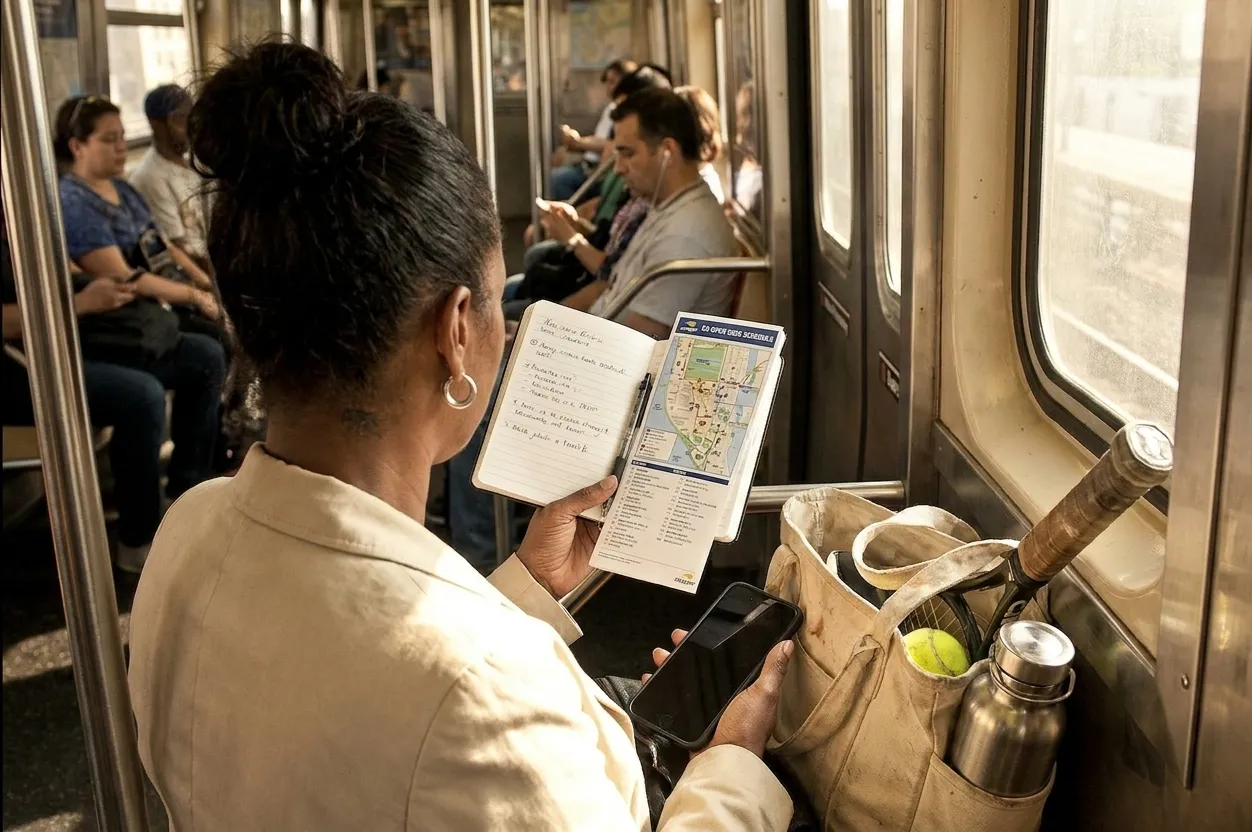
The 7 train from Manhattan to Mets-Willets Point is the most popular route to the US Open, and service can be packed during tournament hours. Download an offline map of the subway system and the surrounding Queens neighborhoods—Google Maps and Apple Maps both allow you to save regions for offline use. Mark your hotel or starting point, the Mets-Willets Point station, and a few backup spots like the Queens Museum or Citi Field in case you want to explore before or after your session. The MTA's website at new.mta.info offers service status updates, but checking before you leave and saving an offline copy of the current service advisory can help you plan around delays without needing a live connection. If you're driving, note that parking at the USTA Billie Jean King National Tennis Center is limited and often requires advance purchase; the official transportation guide on usopen.org has the latest details.
Backup Plans and Offline Resources
Even with careful planning, things shift. A rain delay might extend your day, or a friend might miss the train. Having a few offline resources ready—a saved PDF of the event schedule from usopen.org, an offline copy of the A-Z visitor guide, or a note with the address of a nearby library like the Flushing branch of Queens Public Library—gives you options when your phone isn't cooperating. If you're staying in Long Island City or Astoria, jot down the address of your hotel and a nearby landmark so you can ask for directions if your map app freezes. And if you're traveling with kids or older family members, agree on a simple meeting spot and a backup time, so everyone knows where to regroup without needing a group chat.
Practical Notes for US Open Tech Planning
- Download offline maps of Queens, the 7 train route, and Flushing Meadows Corona Park before you leave.
- Save your US Open tickets as offline copies or wallet passes, and confirm they're accessible without a data connection.
- Bring a portable battery pack and charging cable; check the prohibited-items list on usopen.org to confirm current rules.
- Enable low-power mode and close background apps during long sessions to extend battery life.
- Plan a few intentional photos rather than shooting continuously; video drains battery fastest.
- Agree on physical meeting spots—Unisphere, Grandstand entrance, Mets-Willets Point station—rather than relying on live location sharing.
- Check MTA service status at new.mta.info before you travel and save an offline copy of any advisories.
- Load mobile payment apps and confirm they work offline or with limited connectivity before you arrive.
- Note your hotel address, a nearby landmark, and the USTA Billie Jean King National Tennis Center address in a note or on paper.
- Review the official event schedule and visitor guide on usopen.org, and save key pages as PDFs or offline copies.
Making the Most of Your Queens Tournament Day
The US Open is a celebration of tennis, summer, and New York energy, and a little offline preparation ensures you spend more time enjoying the matches and less time troubleshooting your phone. Whether you're catching a day session and exploring Corona afterward, staying for the night matches under the lights, or making a weekend of it with stops at the Queens Museum and local eateries in Flushing, thinking through your tech habits now will pay off when the crowds arrive and the networks slow. Check the official US Open website for the latest event schedule, transportation options, and prohibited-items updates as your visit approaches, and confirm MTA service and any museum or library hours through their official channels. With your maps downloaded, your battery topped off, and your photo plan in mind, you'll be ready for a smooth, memorable day at the tournament.
Halo, Halo Waypoint, Xbox, and related marks are trademarks of Microsoft Corporation. US Open, USTA, and USTA Billie Jean King National Tennis Center are trademarks of the United States Tennis Association. All trademarks, service marks, and company names are used for identification purposes only and remain the property of their respective owners. Use of these names, logos, and brands does not imply affiliation with or endorsement by Karpo Inc.
Ask Karpo
Tags: #USOpen2026 #Queens #FlushingMeadows #KarpoFinds #Karpo #halowaypoint #NewYorkLocal #TennisTravel #NYCLocalLife #TennisTravel
Sources consulted: usopen.org — Official event schedule · usopen.org — Official visitor A-Z guide · usopen.org — Official transportation directions · usopen.org — Official prohibited-items guide · Queens Public Library · MTA — Service status
All trademarks are the property of their respective owners.
Ask Karpo first
Want to know what is actually open, how to time the trip, and where to pause around Queens? Ask Karpo for the latest public US Open context, a respectful visitor plan, and a live route around Flushing Meadows before you head out.