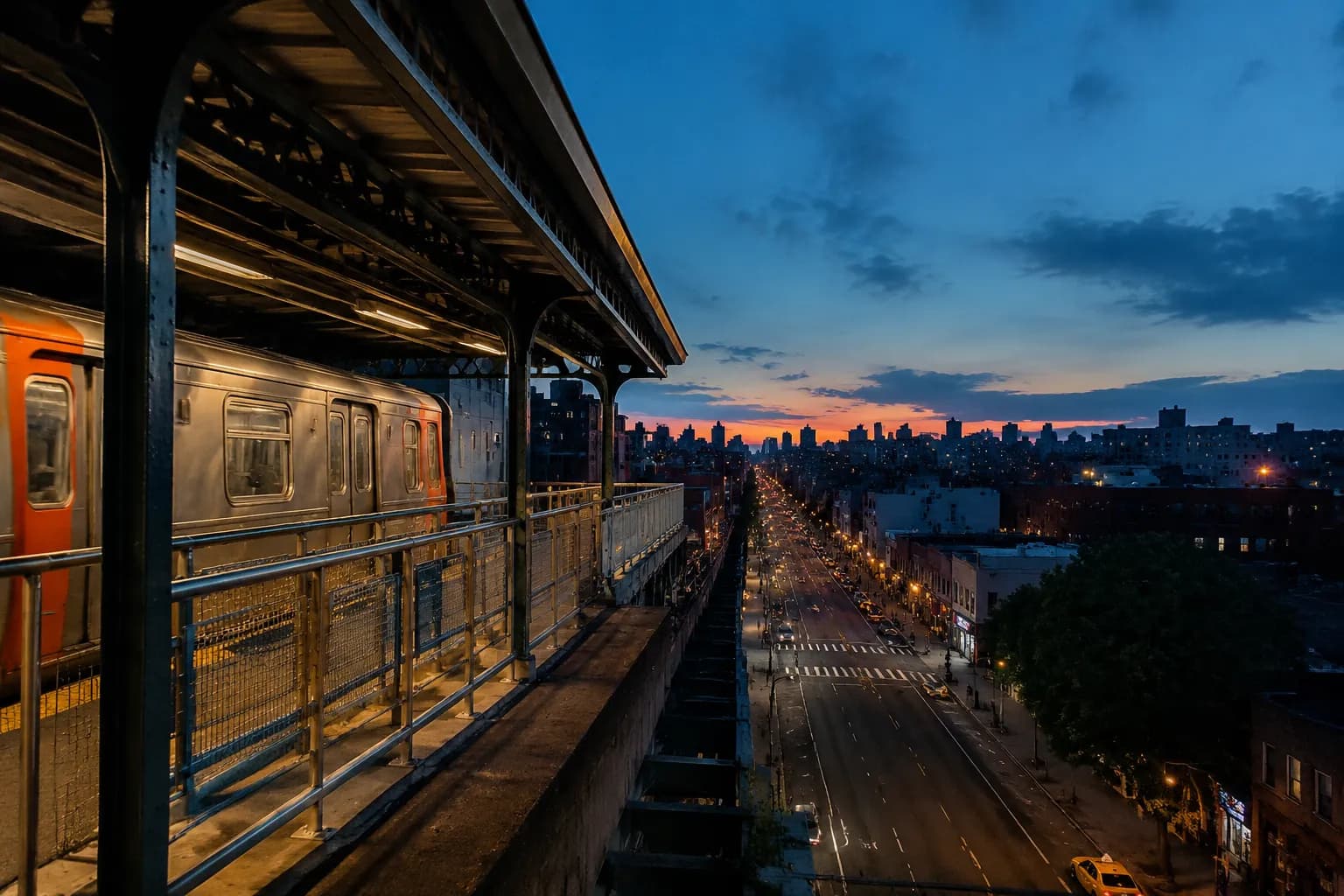
guardians vs white sox can look like an easy reason to pick the loudest sports bar in Manhattan, but a useful NYC plan starts with proof, not hype. As of Monday, August 10, 2026, the safer approach is to treat every watch-party listing as unconfirmed until the venue’s own current page or staff confirms what is actually being shown, whether sound is on, and whether the room is open to the public. NYC Tourism describes the city as five boroughs with sports, nightlife, restaurants, and constant activity; that abundance is helpful only if you narrow it into an executable plan. Build around one primary public room, one quieter backup, and a firm recheck before you leave.
Want a cleaner NYC watch plan before you commit to a crowded room? Text Karpo with your neighborhood, party size, timing, and noise tolerance, then verify the final details with the venue.

Confirm what fans can actually watch
Start with the game, not the venue aesthetic. Search the exact matchup, then confirm the current official game information and the venue’s own listing before you make a plan around guardians vs white sox. Do not treat a social post, old calendar, or third-party event page as enough. In NYC, a room can be open, busy, and sports-friendly without having the particular broadcast, screen placement, or audio setup you expect.
Your first yes-or-no checks should be simple: Is the room open to the public at the time you plan to arrive? Is the game expected to be shown? Will sound be on, shared with another event, or unavailable? Does the venue require a reservation, ticket, minimum, age restriction, or private-event access? If any answer is vague, keep that spot as a maybe rather than the anchor of your night.
This article does not claim an official team appearance, league affiliation, endorsed watch party, private access, or guaranteed broadcast. It is a city plan for readers who want to watch in public without being pulled into overpromised listings. The right room is the one you can verify today.
Choose the room by crowd energy
NYC gives you several kinds of baseball rooms, and the best choice depends on the mood you actually want. A high-energy sports bar can be fun if you want reactions, chatter, and a packed-room feel. A restaurant bar can work better if you care about a seat, food pacing, and conversation. A hotel lounge or neighborhood tavern may be the better answer when you want the game visible but not dominating every minute.
Use borough logic instead of defaulting to the most obvious strip. NYC Tourism describes New York City as five boroughs, each with its own mix of dining, nightlife, and activity. Manhattan may be convenient for many groups, but Brooklyn, Queens, the Bronx, and Staten Island can make more sense if your party is already there or if you want to avoid unnecessary cross-city travel. The best watch-party plan is not always the busiest room; it is the room your group can reach, enter, hear, and exit without friction.
If food is part of the plan, remember that NYC Restaurant Week Summer 2026 runs July 20 through August 16, with two-course lunches and three-course dinners across all five boroughs starting at $30, according to NYC Tourism. That does not mean every watch room participates, and it does not replace venue verification. It does mean some groups may want to pair a confirmed game spot with an official dining search before or after.
Call ahead about the exact screen and sound
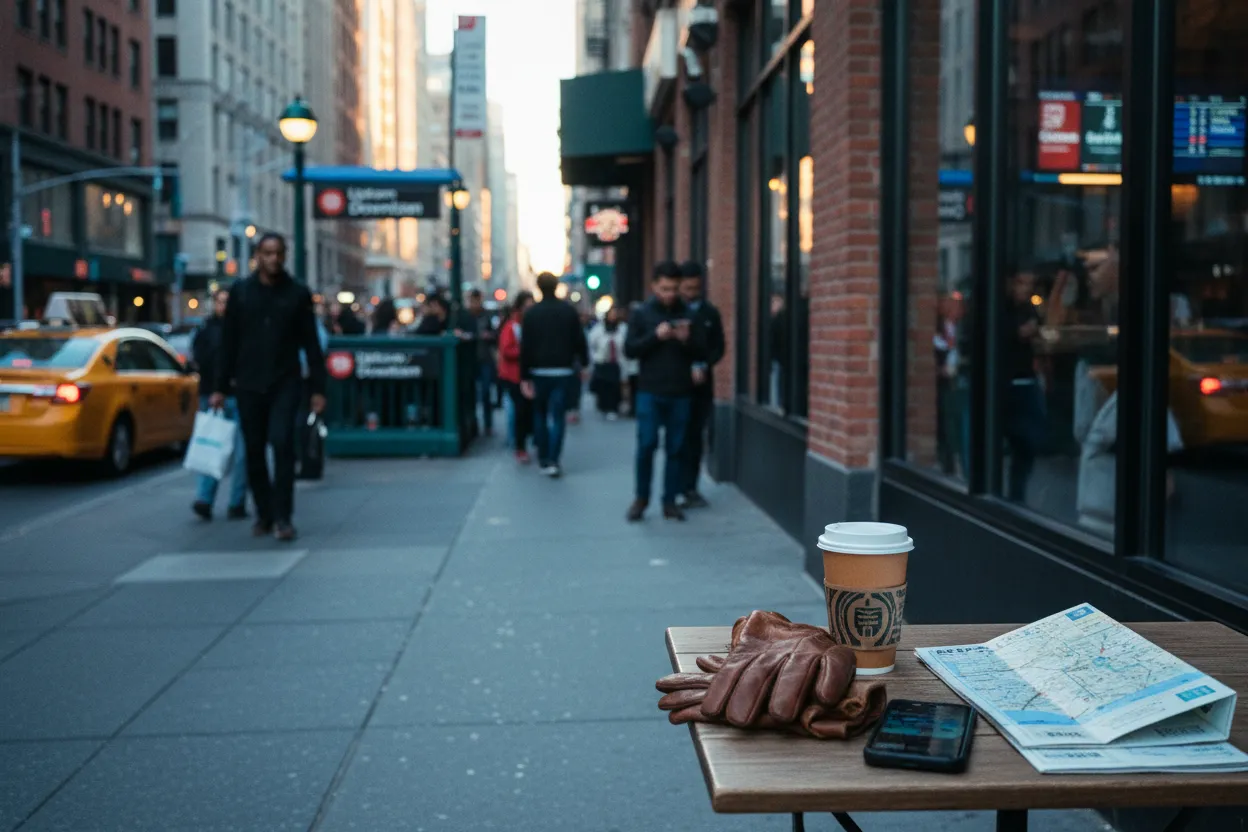
Calling still matters. Ask for the manager, host stand, or bartender on duty, and keep the questions concrete. “Are you showing guardians vs white sox tonight?” is only the opening. Follow with: “Which screen will it be on?” “Will the sound be on?” “Is another game or event taking priority?” “Do we need a reservation?” “Is any part of the room closed for a private event?”
Listen for precise answers. “We usually have baseball” is weaker than “we expect to put that game on the front bar screen, but call again after lineup of programming is set.” A good answer may still include uncertainty; that is fine if you build in a backup. A bad answer is one that asks you to assume everything will work out after you arrive.
Do not pressure staff for guarantees they cannot give. Screens, sound, staffing, reservations, and room access can change. Your job is to reduce risk, not force certainty. If the venue cannot confirm the basics, thank them, keep the address in your notes, and move it below a room with clearer information.
Use transit and seating as tiebreakers
Once two rooms both look viable, choose by arrival reality. Pick the place that is easier for the slowest person in your group to reach, not the place that looks best in photos. Before leaving, check official transit status and map your walking route. If you are moving between boroughs, give yourself more time than the screen estimate suggests, especially if you care about first pitch or a specific inning.
Seating deserves the same skepticism. A venue may have seats without having seats available for your group. Ask whether seating is first come, reservation-based, bar-only, communal, or limited by another event. If you have accessibility needs, mobility concerns, children, or guests who cannot stand comfortably, ask the venue directly about the entrance, seating setup, restroom access, and any restrictions before you travel.
Treat arrival time as part of the plan. For a loud primary room, arrive early enough to handle a line, a host-stand wait, or a screen dispute. For a quieter room, arrive early enough to choose a sightline before regular dinner or nightlife traffic changes the room. In NYC, timing often matters more than distance.
Keep a quieter second option nearby
A backup is not pessimism; it is how you make a public watch plan workable. Choose a second option within a reasonable walk, short ride, or simple transfer from the primary spot. It should be calmer by design: fewer screens, more dining focus, a hotel lobby bar, or a neighborhood place where the game can be visible without turning into the whole room’s identity.
The backup should pass the same access test as the main plan. Confirm that it is public, open at your target time, and able to show the game if needed. If sound matters to your group, ask about sound there too. If sound does not matter, say that clearly when you call; some rooms are more willing to put a game on silently than to reorganize audio for one party.
Keep the second option close enough that you will actually use it. A backup across town is just another gamble. A nearby fallback protects you from crowding, private events, surprise cover requirements, unavailable seats, or a room that turns out to be built for a different crowd energy than you wanted.
Recheck the plan on game day
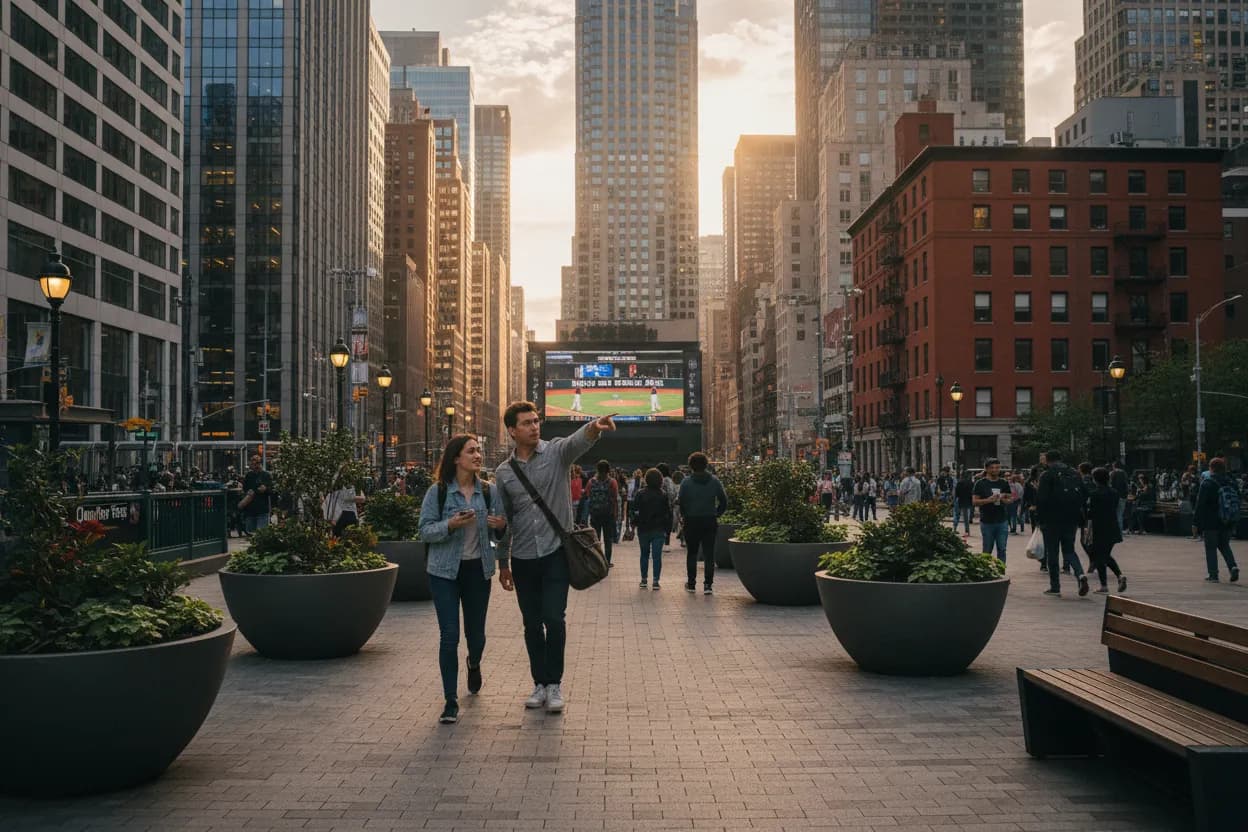
On game day, recheck everything in a tight sequence: official game information, venue page, reservation or access note, transit status, weather if walking is part of the plan, and backup availability. If you called in the morning, call again closer to departure when staffing and room priorities are clearer. Keep the call short and specific so staff can answer without guessing.
Send your group one message with the confirmed address, target arrival time, meeting point, seating expectation, sound expectation, and backup address. Avoid sending three maybes and hoping people sort it out on the sidewalk. NYC rewards decisive plans, especially when the city is busy with sports, nightlife, dining, and other events.
If the plan breaks, switch quickly. A room that cannot show the game, cannot seat your group, or is louder than expected is not a failure if your backup is real. The win is getting to a public place where your group can watch comfortably, spend responsibly, and leave without feeling trapped by an overhyped listing.
Tags: #guardiansvswhitesox #NYCWatchParties #AskKarpo #BeforeYouGo #NYCSports #BaseballNYC #WatchPartyPlan #NYCNightlife #NYCRestaurants #Manhattan #Brooklyn #Queens #Bronx #StatenIsland
Sources consulted: nyctourism.com · new.mta.info · nyc.gov
All trademarks are the property of their respective owners.
Ask Karpo first
Ask Karpo first if you are choosing between a loud sports room and a calmer backup. Share your borough, arrival window, group size, seating needs, and whether sound matters. Karpo can help shape the checklist, but you should still verify final access, screens, and timing with the venue.