 Fast Food Near Me in the East Village: Crif Dogs Deep-Fries Its Franks
Free Things to Do
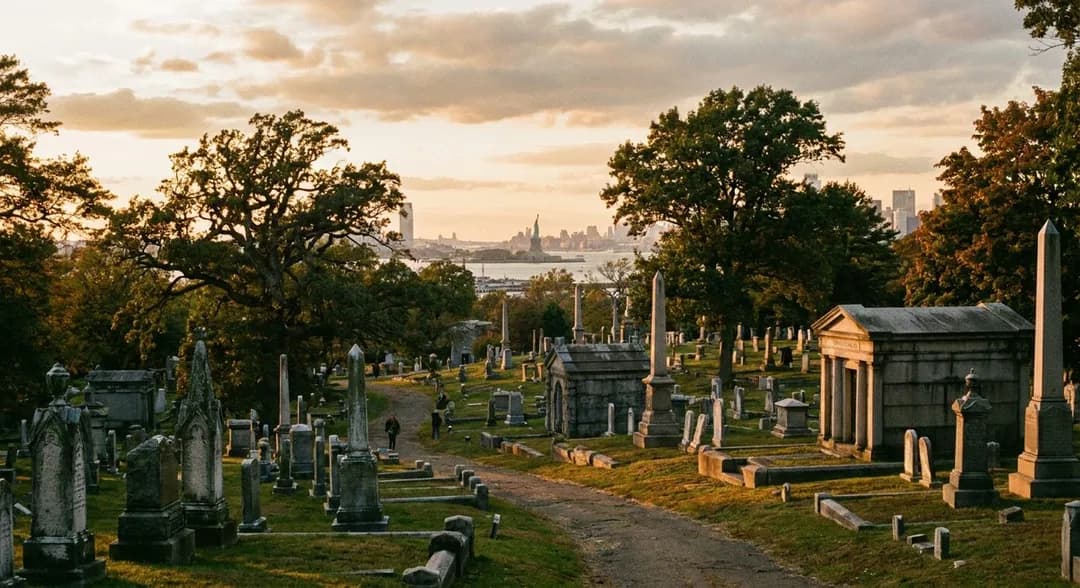
Green-Wood Cemetery's Free Tours Explore Gothic Monuments and Harbor Views
The historic cemetery offers free guided walks through Victorian architecture, glacial hills, and wild parakeet colonies every weekend afternoon.
You walk through the main gate on a Saturday afternoon and the city noise drops away like someone closed a heavy door behind you. Green-Wood Cemetery sprawls across 478 acres of glacial hills in Sunset Park, and every weekend the place opens its archives and stories through free guided tours that wind past Gothic Revival monuments, Civil War generals, and a flock of bright green monk parakeets that shouldn't exist this far north but do anyway.
The Ground Shifts Under Your Feet in Ways You Can Feel
The cemetery sits on terminal moraine—the debris field left when glaciers retreated 12,000 years ago. You notice it immediately in your calves as the paths climb and dip without warning. The tour guides mention this geology constantly because it explains everything: why certain monuments tilt slightly backward, why water pools in unexpected hollows after rain, why some family plots required stone retaining walls that now lean at concerning angles. The Victorian architects worked with these contours instead of flattening them, so you're constantly rounding a corner to find a mausoleum perched on a ridge or a path that drops fifteen feet in thirty yards. On warm afternoons, the temperature shifts as you descend into the valleys—you can feel it on your forearms, a pocket of cooler air that smells like wet stone and old leaves.
Parakeets Announce Themselves Before You See Them
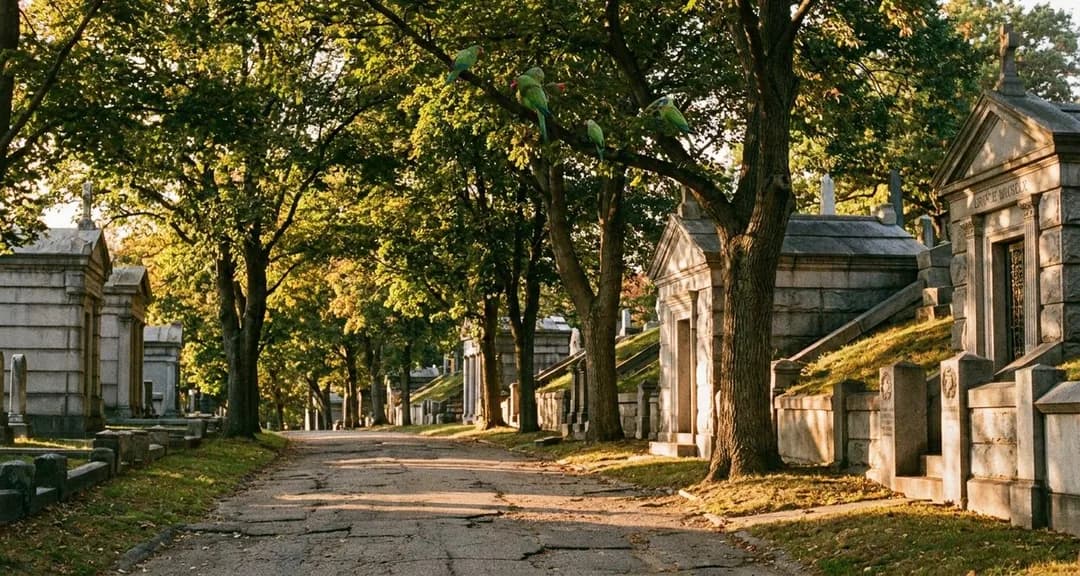
The monk parakeet colony lives in the upper branches near the main chapel, and you hear them before the guide even points them out—a chattering that sounds like a dozen people arguing in a language you almost recognize. They're bright lime green with gray chests, originally from Argentina, and the story goes that a shipping crate broke open at JFK in the late 1960s. Now there are nests the size of washing machines wedged into the crooks of old maples. The guides carry binoculars you can borrow. The birds don't care about the tours at all. They scream at each other and occasionally dive-bomb toward the ground for reasons known only to them, then shoot back up into the canopy. On overcast days their green feathers look almost phosphorescent against the gray sky.
The Monuments Read Like a Architecture History Course You'd Actually Attend
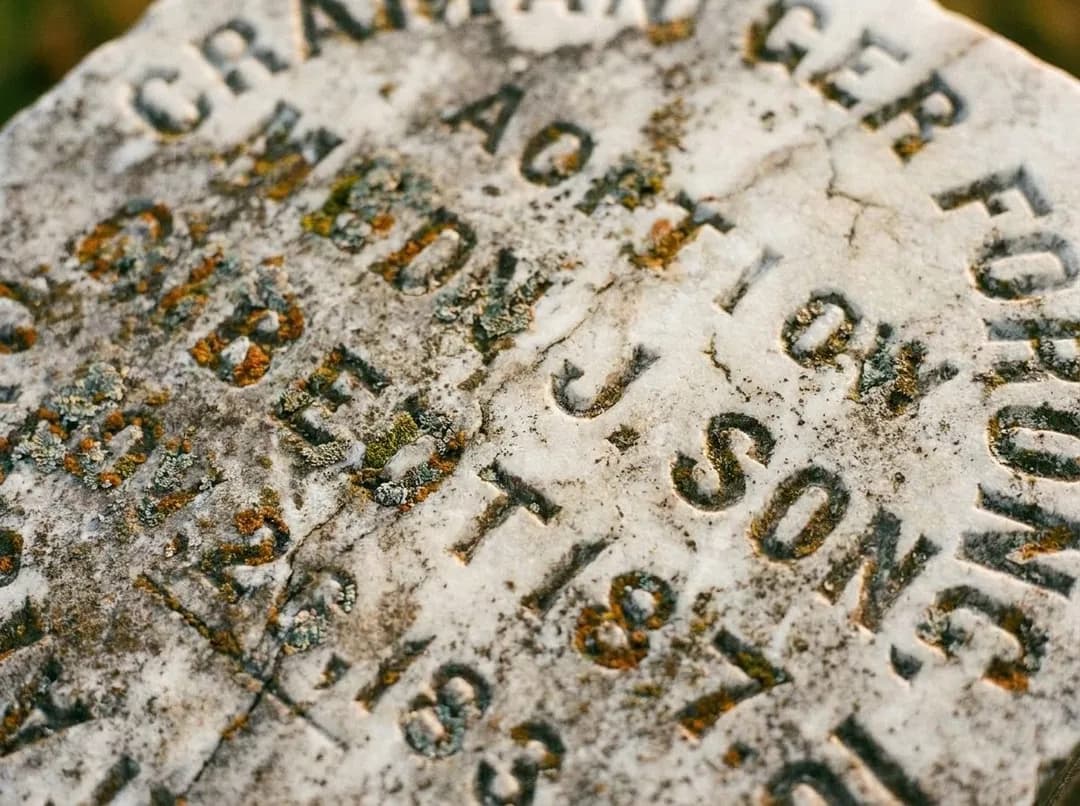
You pass Egyptian Revival tombs with lotus columns, Gothic spires that could belong to small cathedrals, Classical Greek temples complete with caryatids. The guides know which families hired which architects and why certain styles fell in and out of fashion between 1840 and 1920. They point out details you'd never notice on your own: the bronze doors that have weathered to the exact color of old pennies, the limestone angels whose faces have gone smooth and featureless from acid rain, the family crests carved so deeply into granite they've collected decades of moss in the recesses. One mausoleum near Battle Hill has a door that's always slightly ajar—not from vandalism but because the hinges have settled over 140 years and now it simply won't close. The interior stays dry somehow. The guide lets you look inside where the light falls in a single shaft across marble floors.
Battle Hill Gives You the Harbor Without the Crowds
The highest point in Brooklyn sits inside the cemetery grounds, and the Revolutionary War was fought here in 1776. The guides walk you up to the ridge where you can see the Statue of Liberty, the Verrazano Bridge, container ships stacked with cargo moving in and out of the harbor. On clear days you can count the bridges. The wind up here is constant and smells like salt water even though you're miles inland. Families spread out on the grass near the monument despite this being technically a cemetery—the management doesn't seem to mind. You see people with sandwiches, sketch pads, cameras with serious lenses. The tour groups gather in a loose semicircle while the guide explains troop movements, and you can actually see the tactical logic when you're standing where the soldiers stood. The British came from that direction. The Americans retreated toward those trees. It stops being abstract dates in a textbook.
The Catacombs Stay Fifty-Eight Degrees Year Round
Most people don't know the cemetery has underground catacombs built into the hillside, and the free tours include access if you ask. You descend a stone staircase that curves away from daylight, and the temperature drops immediately—that specific cool dampness that only exists underground. The corridors run about thirty feet below the surface with vaulted brick ceilings and niches cut into the walls. Some niches still hold their original residents behind marble plaques. Others are empty, the stone shelves bare except for dust. The air doesn't move down here. Your voice sounds different, flatter, like the stone absorbs the sound before it can echo. The guides carry flashlights but there's also dim electric lighting installed sometime in the past few decades. You can see your breath in winter. In summer it feels like walking into refrigeration.
The Tours Change Every Week Without Repeating
The cemetery offers different themed walks each weekend—one week focuses on Victorian symbolism in funerary art, another on notable abolitionists and Civil War figures, another on the landscape architecture and the intentional "rural cemetery" movement that influenced Central Park's design. The guides are volunteers who've spent years researching specific sections and families. They know stories that aren't in any guidebook: which monument has a secret compartment, which family feuded so bitterly they're buried on opposite hills, which plots contain people who aren't actually dead but wanted their memorials built while they could enjoy them. The tours run about ninety minutes but often stretch longer when people ask questions. Nobody rushes you. You can break off from the group to photograph something and catch up later.
Practical Notes
Tours typically run weekend afternoons year-round, weather permitting. Enter through the main Gothic Revival gate—you'll see it, impossible to miss—and check the visitor center for that day's tour schedule and themes. The cemetery is accessible by subway, though expect a walk from the station through residential blocks. Wear actual walking shoes because the paths are gravel and uneven, and hills are real hills. Bring water especially in summer. The tours are genuinely free, no suggested donation pressure, though the cemetery accepts support. No reservations needed—just show up before the listed start time. The grounds stay open until early evening, so you can wander independently after the tour ends. Binoculars help for the parakeets and harbor views. Dogs are allowed but must be leashed. The catacombs stay cool enough that you might want a light jacket even in August.
Tags: #GreenWoodCemetery #SunsetPark #Brooklyn #FreeNYC #HiddenNewYork #CemeteryTours #VictorianArchitecture #NYCHistory #BrooklynSecrets #UrbanNature #MonkParakeets #HarborViews #GothicRevival #NiceBUtFree #NYCWalks
Sources consulted: timeout.com · ny.curbed.com · nycgovparks.org
All trademarks are the property of their respective owners.
Ask Karpo for more information.
Keep reading
- Fast Food Near Me in the East Village: Crif Dogs Deep-Fries Its Franks
 Things To Do Near Me in NYC: Riding the Roosevelt Island Tram
 Things To Do Near Me in Washington Heights: The Cloisters' Medieval Galleries