The Gowanus Canal doesn't apologize. It never has. For more than a century it accepted runoff, industrial waste, and the occasional body, earning its reputation as one of the nation's most polluted waterways. Now it's a Superfund site undergoing slow remediation, and along its east bank, a narrow esplanade is opening in sections—concrete poured, railings bolted, a new kind of walk emerging. It's not scenic in the postcard sense. But it's Brooklyn in a way that few places still are: raw, honest, in flux.
The path itself
The esplanade runs intermittently from Second Street down to Union Street, about half a mile when all sections are eventually linked. Right now, as construction completes in phases, the longest continuous stretch runs from Carroll Street to Third Street—roughly 0.3 miles of uninterrupted walking. It's narrow, maybe eight feet across, with a low metal railing separating you from the canal. The concrete is still pale, not yet stained by seasons, and the path feels provisional, like it might still change its mind about what it wants to become.
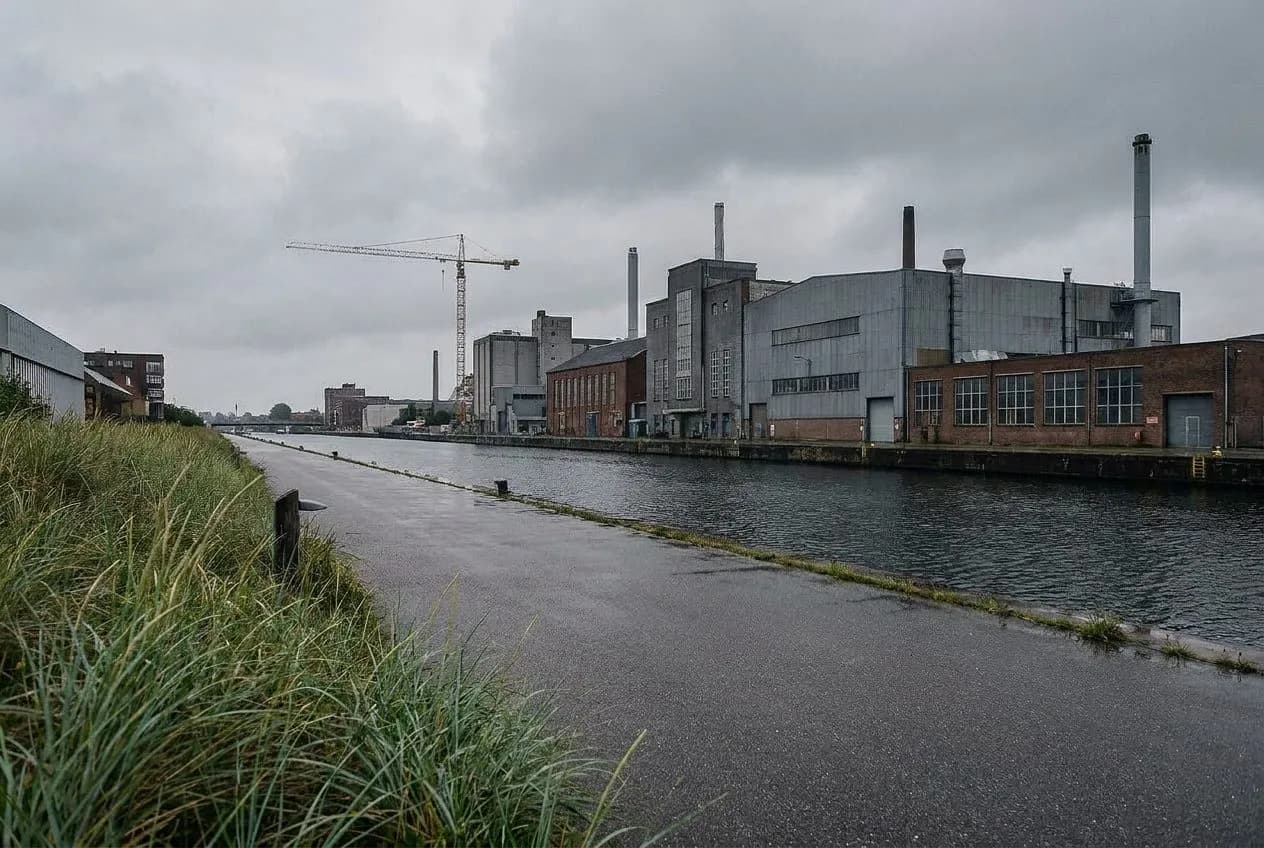
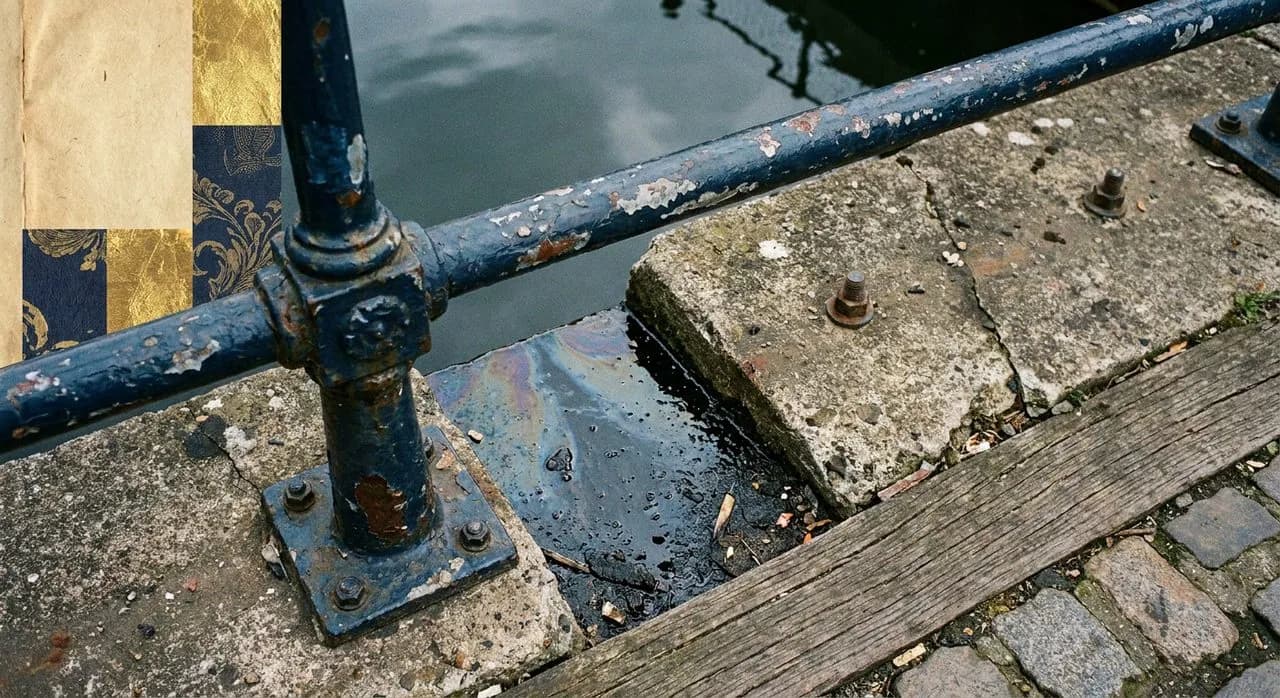
You walk close to the water. Close enough to see the surface—murky green-brown, glassy when there's no wind, reflecting warehouse walls and the skeletal frames of new construction. The canal is only a hundred feet wide here, and the opposite bank feels near, industrial, unchanged. There's a scent, faint but unmistakable, of still water and old infrastructure. It's not unpleasant if you're prepared for it. It's part of the deal.
What you pass
The walk threads between two versions of Brooklyn. On your left, the canal and its legacy: weathered brick warehouses, loading docks, corrugated metal sidings streaked with rust. Some buildings are being gutted and converted; others still bear faded paint from long-gone businesses. On your right, the new Gowanus rises in glass and steel—mid-rise residential towers, ground-floor retail shells waiting for tenants, construction fencing plastered with renderings of future streetscapes.
It's a liminal landscape. The esplanade doesn't try to hide the tension between old and new; it puts you right in the middle of it. You pass beneath bridges—Carroll Street's retractable span, Third Street's low arch—and each one frames a different view of the canal stretching north or south. Cranes swing overhead. Pilings jut from the water. There are no benches yet, no landscaping softening the edges. Just the path, the railing, the water.
The Union Street vantage
If you want the overview before committing to the walk, the Union Street bridge is your spot. From its pedestrian lane you get the best canal view—the full width of the waterway, the esplanade below, the skyline of industrial remnants stretching toward Red Hook. It's the kind of perspective that makes sense of the whole project, the logic of why anyone would build a public path here. But the esplanade access beneath the bridge is gated and hours may vary, so check current access before visiting. Access hours can vary by section and construction phase, so verify the current entry points before visiting.
The bridge itself has been part of the neighborhood's fabric for decades, and standing on it now, watching the canal below, you feel the shift. The water is still opaque, still tainted, but the presence of people walking beside it—casually, daily—changes the story. The canal is no longer just a problem to be solved. It's becoming a place.
Access and interruptions
Getting to the esplanade requires a small pilgrimage. The F or G to Carroll Street is the closest subway stop, but the walk to the esplanade entrance adds about five minutes through residential blocks—brownstones, small yards, parked cars—with no canal sightline. You navigate by faith and signage until the warehouses appear and the path begins. It's not inconvenient, exactly, but it's not obvious either. The esplanade doesn't announce itself.
Once you're on it, expect interruptions. Construction zones force detours inland, onto streets that dead-end or loop back in unexpected ways. The sections that are open feel triumphant, but they're islands for now, not yet a continuous ribbon. You'll walk a stretch, hit a fence, navigate back to Third Avenue or Bond Street, then pick up the path again a block south. It's part exploration, part patience. If you're looking for a seamless loop, this isn't it yet. But if you're curious about one of the city's most storied NYC neighborhoods in transition, it's worth the detours.
Who walks here
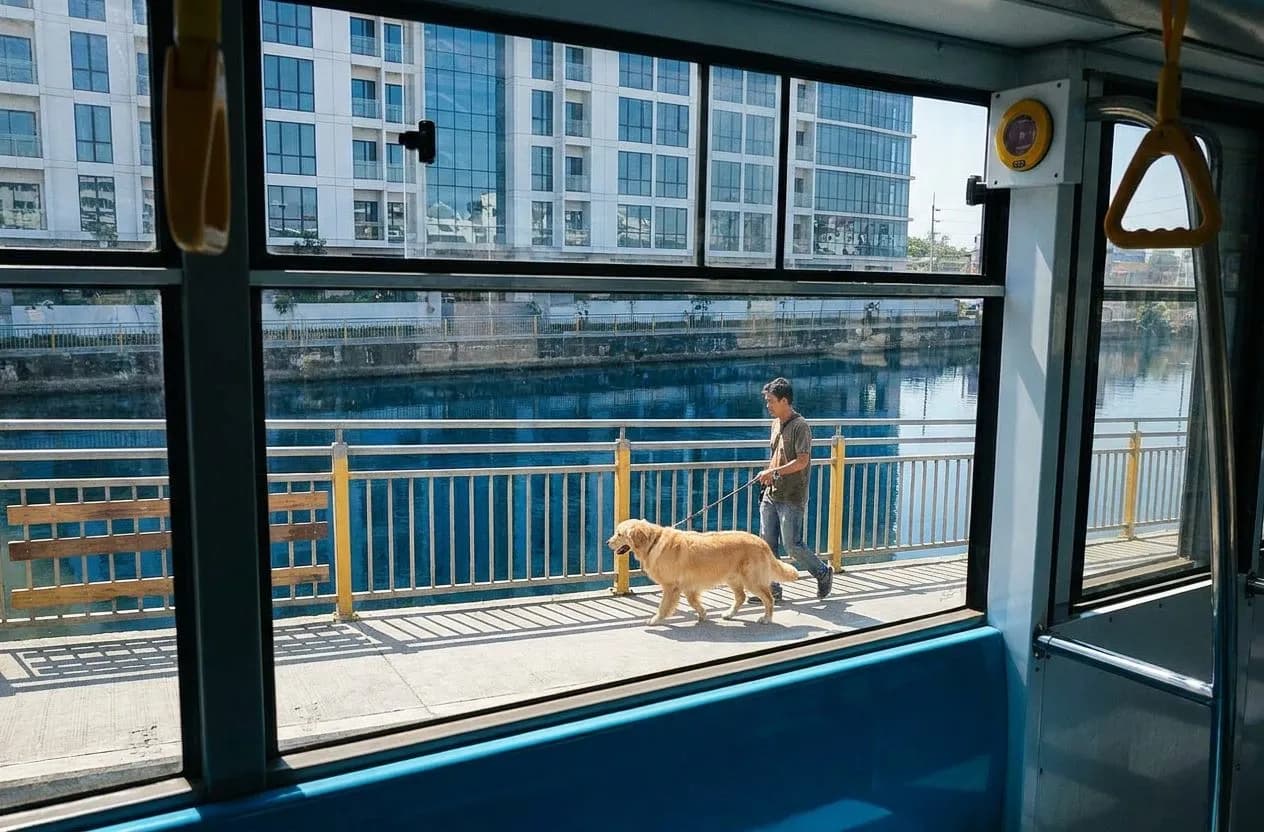
Late on a weekday afternoon, you might see a dozen people: a couple walking a dog, a runner in high-vis, someone on a phone call pacing slowly. No one lingers long—there's nowhere to sit, no shade, no obvious reason to stay. But everyone seems alert, taking it in. There's a shared understanding that this is new, that we're all figuring out how to use it. That novelty may fade as the esplanade becomes more established. For now, it's still strange enough to feel like a discovery.
Why walk it
Because Brooklyn doesn't reveal itself on the polished promenades. It reveals itself in the gaps, the edges, the places still under construction. The Gowanus esplanade is all three. It's not beautiful, not yet, but it's absorbing. The scale is intimate—just you, the railing, the water—and the slowness of the remediation mirrors the slowness of the walk itself. Nothing here is rushed. The canal has been poisoned for a century; it will take decades to heal. The esplanade is just one part of that long process, a public gesture toward a different future. Walking it now means walking through that tension, that slow reckoning with the past.
Practical notes
The esplanade runs along the east bank of the Gowanus Canal from Second Street to Union Street, with the longest continuous section currently between Carroll Street and Third Street. Nearest subway: F/G to Carroll Street (add 5 minutes walking time). Street parking is available but competitive. Gates close at dusk; plan for daylight visits. The path is paved and flat but narrow, with limited accessibility accommodations in some sections. Bring water, sunscreen in warmer months, and comfortable shoes. No facilities on-site. Verify current open sections before visiting, as construction schedules shift.
Tags: #GowanusCanal #TheLongWayHome #BrooklynWalks #NYCNeighborhoods #IndustrialBrooklyn #SuperfundSite #GowanusEsplanade #Spring2026 #UrbanExploration #NYCWaterfront #BrooklynInTransition #SlowTravel #CityWalks #HiddenBrooklyn #NYCInfrastructure
Sources consulted: Gowanus Canal - Wikipedia · Gowanus Canal Superfund Site - EPA · Gowanus Neighborhood Plan - NYC Planning · Gowanus Canal Sponge Park - NYC EDC · Gowanus Coverage - New York Times
All trademarks are the property of their respective owners.