The Governors Island ferry operates as one of the city's quietest pieces of theater, a seven-minute transit ritual that begins in a Beaux-Arts terminal and ends with the Statue of Liberty sliding past your shoulder. Most passengers treat the crossing as a utilitarian bridge between Manhattan and island picnics. But the ferry itself—the waiting room with its vaulted ceilings, the outdoor deck cut by salt wind, the return glide under late sun—deserves separate attention. This is infrastructure as destination, a slow-travel detour hidden inside what appears to be simple transport. Summer 2026 offers another season to treat the crossing as an end rather than a means.
Updated August 2026: hours, prices, reservations, event dates, transit details, and venue policies can change. Use the linked official venue, city, or operator sources in the Sources section as the final reference before you go.
The Battery Maritime Building anteroom
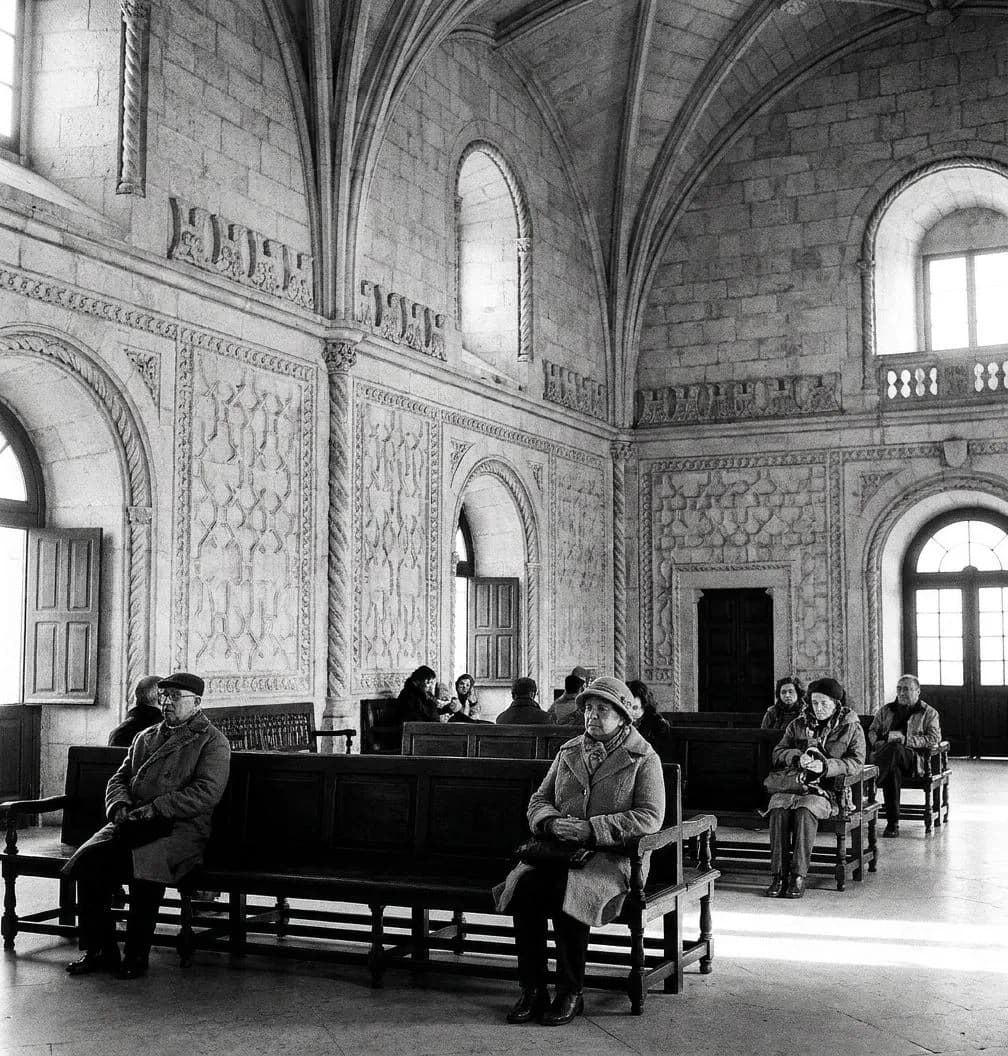
The ferry terminal at the Battery Maritime Building at 10 South Street is a Beaux-Arts survivor, a green-painted palace that once served the municipal fleet crossing to Brooklyn. The waiting room—tall windows, iron filigree, oak benches worn smooth—functions as a kind of decompression chamber between the Financial District's speed and the harbor's older pace. Slip-covered columns rise toward a coffered ceiling. Light pools on terrazzo floors. The space feels deliberately oversized for a seven-minute ferry, which is part of its appeal.
The terminal opens a half-hour before the first departure of the day, and arriving early grants access to the historic waiting room before weekend crowds fill the benches and queue at the gates. On a summer morning with the room still empty, you can hear the hum of the building itself—ventilation, footsteps on the upper mezzanine, the faint diesel growl of a ferry idling at the slip outside. It's one of the few remaining public spaces in lower Manhattan that encourages genuine waiting rather than hurried processing.
Boarding calculus and deck hierarchy
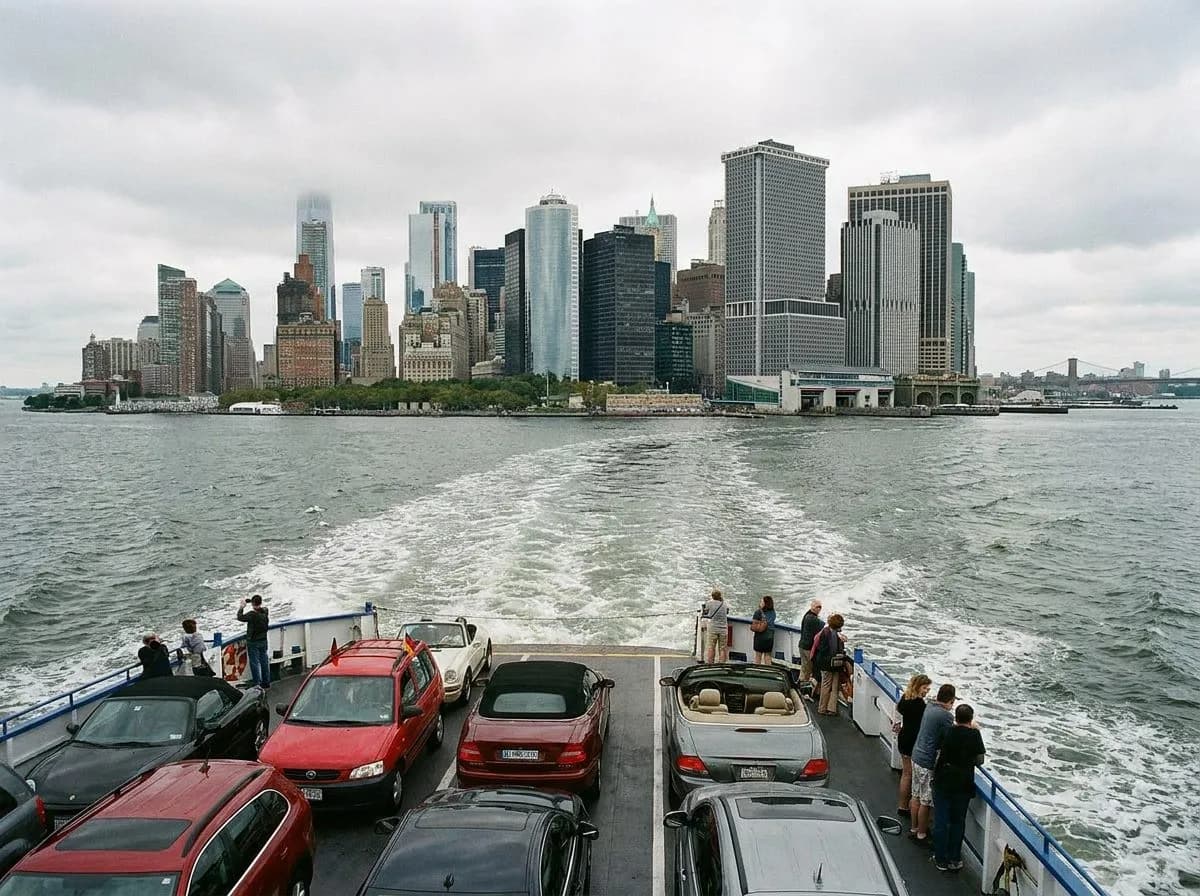
During peak season, ferries depart every thirty minutes, a rhythm that shapes the terminal's pulse. Passengers sort themselves into two camps: those who sprint for the outdoor upper deck and those who accept the enclosed lower cabin's window seating with minimal wait. The upper deck offers unobstructed three-sixty views and salt air, but it fills within the first minute of boarding. The lower cabin is climate-controlled, lined with bench seating along the windows, and nearly always has available spots even on crowded Saturday afternoons.
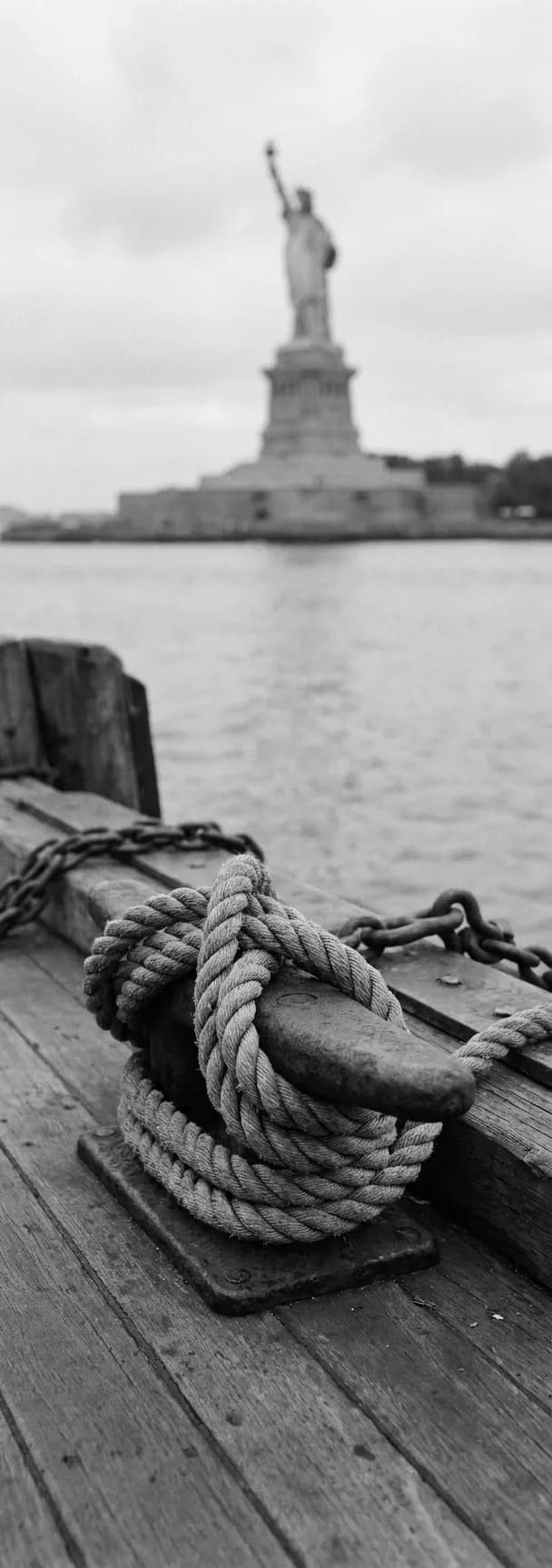
The choice depends on tolerance for standing versus sitting, and whether you're treating the crossing as Instagram vista or slow-travel meditation. Both have merit. The upper deck rewards those willing to wedge into a corner near the rail; the lower cabin offers a more contemplative frame, the harbor sliding past rectangular windows like a slow filmstrip. Either way, the seven-minute crossing compresses an enormous amount of visual information—container ships, helicopters banking toward the heliport, the Statue of Liberty growing from toy to monument as you pass her western flank.
Light conditions and the photographer's crossing
Not all departures are equal if you care about the quality of harbor light. The ten o'clock morning crossing and the four-thirty afternoon run typically offer the clearest conditions for photography, with late afternoon providing western sun on the Manhattan skyline during the return view. Morning light is cooler, sharper, better for isolating the Statue of Liberty against a clean sky. Late afternoon light is warmer, more forgiving, and catches the glass towers of the Financial District in golden relief as you head back to the terminal.
The return trip—often treated as an afterthought by visitors focused on the island itself—can be the more compelling crossing. The western sun backlights the harbor, and the Manhattan skyline assembles itself in reverse as you approach the slip. Gulls dive in the ferry's wake. The water darkens. It's worth planning your island departure around the light rather than around exhaustion or the last ferry scramble.
The ferry as separate outing
There's no rule requiring you to stay on Governors Island once you arrive. The crossing is free for Governors Island ferry riders, a factunderutilized by locals who assume the ferry exists only to serve the island. You can board, cross, walk the dock, and return on the next departure without ever entering the island proper. This makes the ferry a viable summer travel option for visitors on tight schedules or tight budgets who want a legitimate harbor experience without committing to a paid cruise or a multi-hour island visit.
The loop works especially well in late afternoon when the return light is optimal. Arrive at the Battery Maritime Building around four, cross to the island, spend twenty minutes watching the harbor from the Governors Island dock, then catch the return ferry into the western sun. Total commitment: ninety minutes. Total cost: nothing. The crossing delivers the Statue of Liberty, Ellis Island, Red Hook, and the Verrazano-Narrows Bridge in a compact, repeatable format that doesn't require tour-guide narration or forced enthusiasm.
The seasonal rhythm and the crossing's arc
The ferry runs seasonally; check the official Governors Island schedule for 2026 dates and weekday/weekend service The crossing itself doesn't change month to month, but the harbor does. June mornings are cool and crystalline. August afternoons are hazy, the skyline softened by humidity. September light is slanted and melancholy, the best time for the late return crossing when the air sharpens and the city seems to exhale.
What remains constant is the ferry's role as palate cleanser, a brief passage that resets your relationship to the city by offering distance and motion. The seven minutes on the water function as a buffer, a liminal space where you're neither in Manhattan nor on the island but suspended between them. It's a short enough crossing to feel efficient and long enough to feel like genuine travel. That balance is rare in a city that tends to collapse time and distance into pure speed.
Practical notes
The Governors Island ferry departs from the Battery Maritime Building at 10 South Street, accessible via the 1 train to South Ferry, the R/W to Whitehall Street, or the 4/5 to Bowling Green. Street parking in the area is scarce; public garages operate nearby but verify rates in advance. Ferry service typically runs late May through October; check the official Governors Island schedule for exact 2026 dates and any weekday restrictions. The crossing is free; island access is free. Both the terminal and ferries are wheelchair accessible. Bring layers—the upper deck is significantly cooler than the enclosed cabin, and harbor wind is unpredictable even on warm days. The terminal has restrooms; the ferry crossing does not.
Tags: #GovernorsIsland #BatteryMaritimBuilding #NYCFerry #NewYorkHarbor #SlowTravel #TheLongWayHome #FreeThingsToDo #SummerTravel #NYCWaterfront #StatueOfLiberty #LowerManhattan #FerryRide #HarborCrossing #NYCHiddenGems #CityRituals
Sources consulted: Governors Island - Wikipedia · Battery Maritime Building - Wikipedia · Governors Island Official Site · Governors Island - NYC Parks
All trademarks are the property of their respective owners.