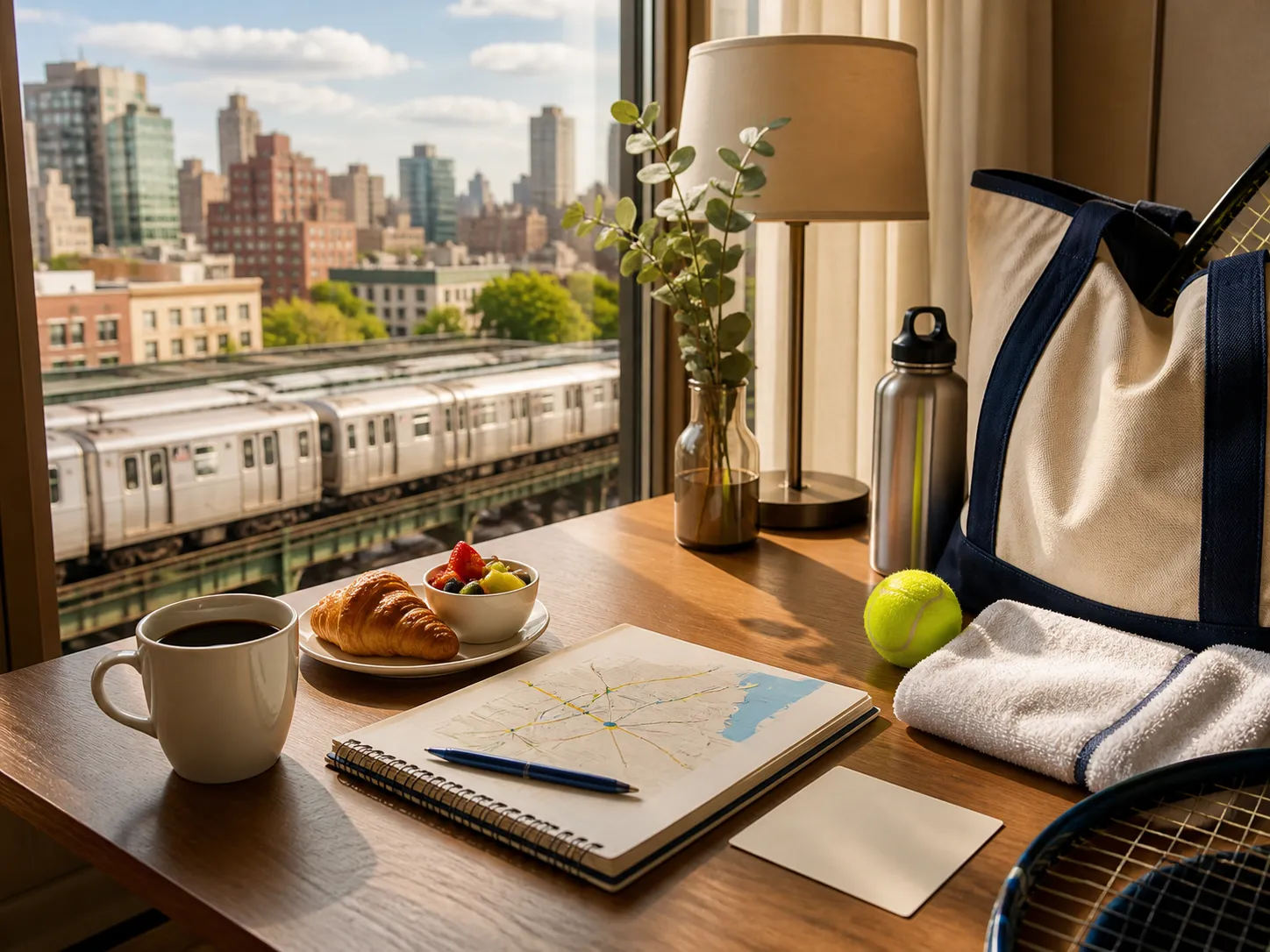
When search interest in Google stock rises, it often reflects broader curiosity about tech platforms, digital tools, and how we rely on connectivity in daily life. For New Yorkers planning a day at the 2026 US Open in Flushing Meadows, that curiosity translates into a practical question: how do you navigate a crowded, all-day event when your phone battery is finite, cell service is strained, and you'd rather watch tennis than stare at a screen? The answer lies in offline planning, smart photo habits, and a few low-tech routines that keep your day smooth, your device alive, and your focus on the courts.
Text Karpo with your US Open session time and Queens starting point, and we’ll turn this offline planning, phone battery, photo ideas, and practical tech habits for crowded event days into a practical local plan.
Download Maps and Schedules Before You Leave
Cell towers around Flushing Meadows Corona Park handle thousands of simultaneous connections during tournament days, and service can slow to a crawl during peak session times. Before you leave your apartment, hotel, or starting point in Astoria, Long Island City, or Jackson Heights, download offline maps of the USTA Billie Jean King National Tennis Center grounds, save an offline copy of the day's match schedule from usopen.org, and capture any MTA service alerts or alternate routes. Store these in your photos or a notes app so you can reference them without a live connection. This simple step turns your phone into a reliable guide even when the network isn't cooperating.
Charge Fully and Carry a Backup
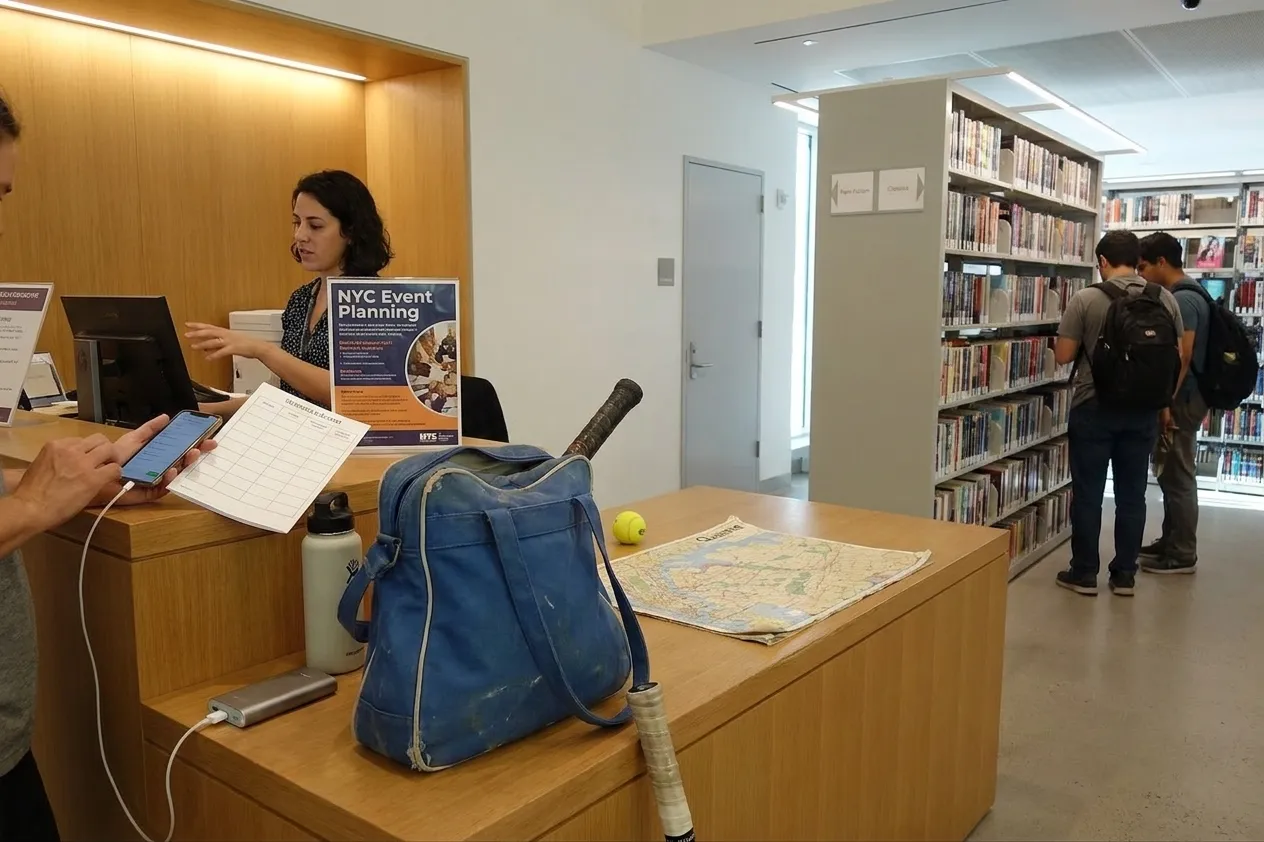
A full day at the US Open—especially if you're hopping between Arthur Ashe Stadium, Louis Armstrong Stadium, and the outer courts—can drain a phone battery by mid-afternoon. Charge your device to 100 percent before you leave, and consider bringing a small portable battery pack. If you're stopping at a Queens Public Library branch in Flushing or Corona beforehand, you can top off there. Once you're on the grounds, charging stations may be available, but they're often crowded and require you to stand nearby. A backup battery lets you stay mobile, capture photos when the moment strikes, and check transit updates on your way out without hunting for an outlet.
Plan Your Photos, Don't Chase Every Shot
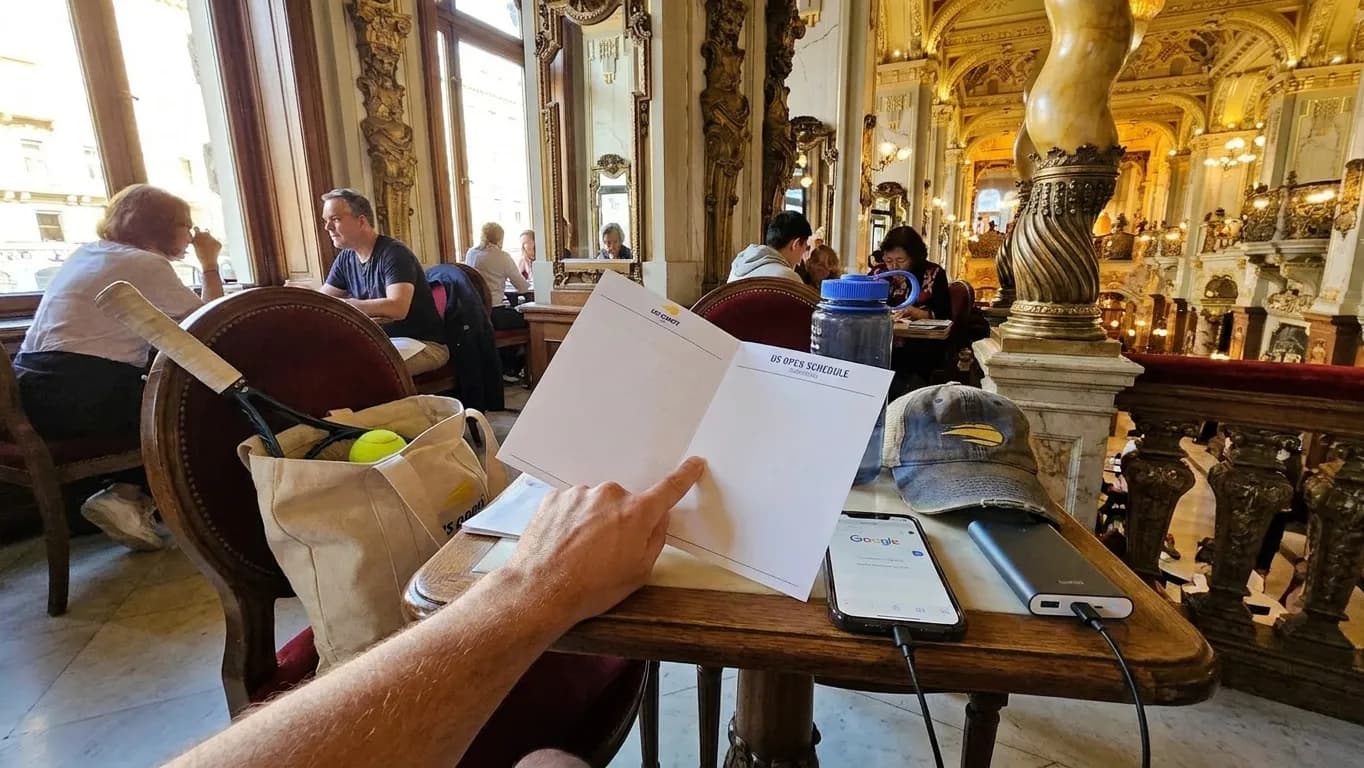
The US Open offers countless photo opportunities: the Unisphere backdrop, the Arthur Ashe Stadium exterior, courtside action, food vendors, and the sunset over Queens. But constantly raising your phone to capture every moment drains battery, pulls your attention away from live play, and can clutter your camera roll with duplicates. Instead, decide in advance which moments matter most—maybe the first match you watch, a specific court angle, or a group shot with friends near the fountains. Take a few intentional photos, then put the phone away and watch the tennis. You'll return home with a manageable set of images and a fuller memory of the day.
Use Airplane Mode During Matches
When you're seated for a match, especially during a long five-setter, consider switching your phone to airplane mode. This stops background apps from searching for signal, pushing notifications, or refreshing social feeds—all of which consume battery even when the screen is off. You'll still have access to any offline maps, offline copies, or notes you saved earlier, and you can toggle airplane mode off during breaks or between matches to check messages or transit updates. This habit can extend your battery life by hours and keeps your focus on the court rather than the screen.
Know Your Transit Options Before the Rush
The 7 train and Long Island Rail Road both serve Mets–Willets Point station, the primary transit hub for the US Open, and both can become extremely crowded after evening sessions. Before you arrive, check the MTA service status page for any planned work or delays, and note alternate routes—such as the Q48 bus to Flushing or the Q58 to Corona—in case the subway platform is packed. If you're staying in Long Island City or Astoria, map out a walking route to the nearest station and estimate travel time. Having this information saved offline means you won't be stuck refreshing a transit app in a crowd when your phone is at 10 percent and everyone around you is doing the same.
Bring a Paper Backup for Key Details
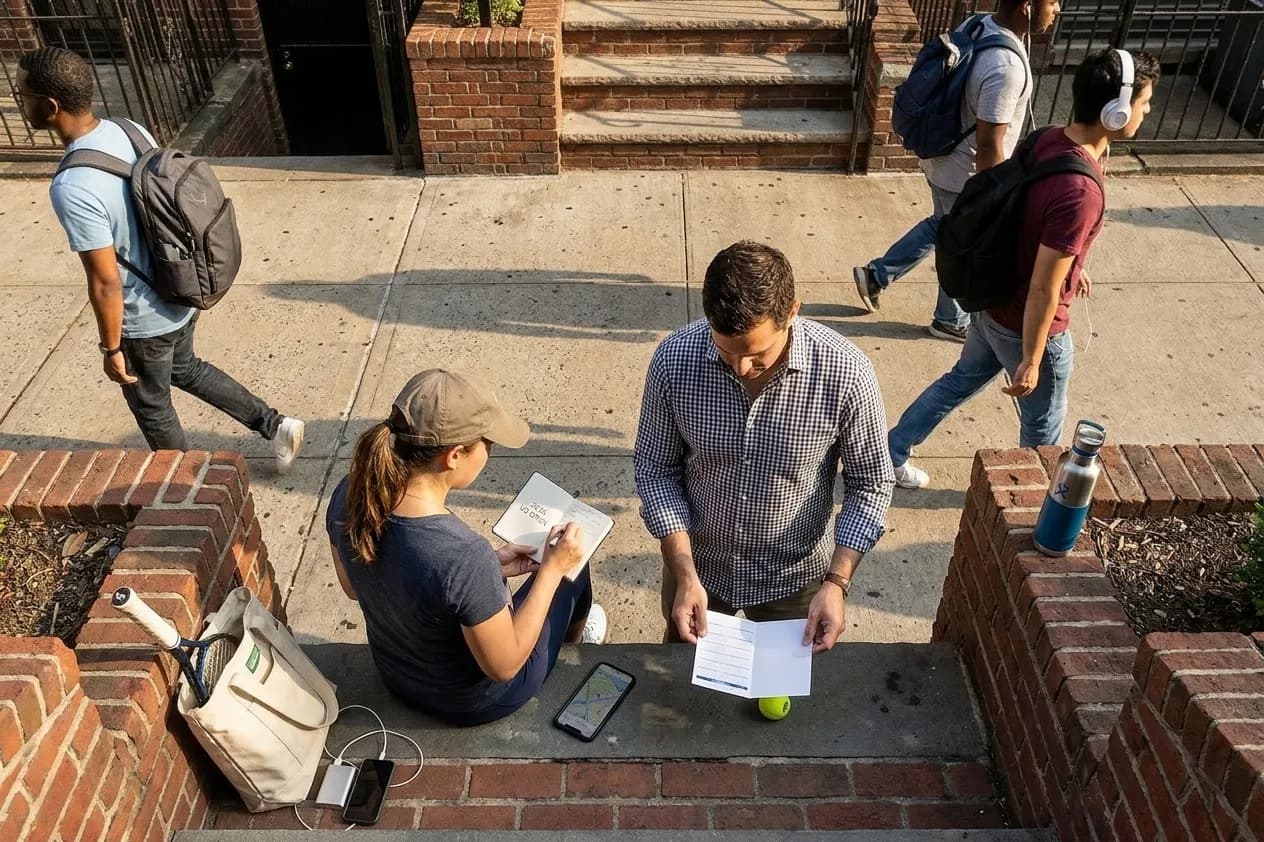
It might feel old-fashioned, but a small printed card or handwritten note with your session time, gate entry, transit directions, and a friend's contact number can be a lifesaver if your phone dies completely. Tuck it into your wallet or pocket. You can also print a copy of the US Open A-Z guide or prohibited-items list from usopen.org if you want a quick reference without unlocking your phone. Paper doesn't need a charge, doesn't lose signal, and doesn't require you to squint at a screen in bright sunlight.
Practical Notes for Low-Connectivity Days
- Download offline maps of Flushing Meadows and the USTA grounds before leaving your starting point
- Charge your phone fully and carry a portable battery pack if you plan to stay for multiple sessions
- save offline the day's match schedule, gate entry details, and MTA service alerts
- Decide in advance which photos matter most, then put the phone away during live play
- Use airplane mode during matches to extend battery life and reduce distractions
- Check usopen.org and new.mta.info for official transit, schedule, and visitor information close to your visit
- Bring a paper backup with session time, gate, and transit directions in case your device dies
- Plan a post-event meeting spot with friends in case cell service is too slow for live coordination
Local Context Around Flushing Meadows
Flushing Meadows Corona Park is one of New York City's largest green spaces, home to the Unisphere, the Queens Museum, the New York Hall of Science, and Citi Field. On US Open days, the park becomes a convergence point for tennis fans, families, and visitors from across the city and beyond. Nearby Flushing offers a dense concentration of restaurants, bakeries, and shops, while Corona and Jackson Heights provide additional food and transit options. Long Island City and Astoria, both accessible via the 7 train or N/W lines, serve as common starting points for visitors staying in Queens hotels or apartments. Understanding this geography—and saving it offline—helps you navigate the area confidently even when connectivity is limited.
google stock, US Open planning, offline maps, phone battery tips, Flushing Meadows, Queens transit, low-connectivity habits, practical tech routines, crowded event days, New York tennis
US Open, USTA Billie Jean King National Tennis Center, Arthur Ashe Stadium, Louis Armstrong Stadium, Flushing Meadows Corona Park, Unisphere, Queens Museum, New York Hall of Science, Citi Field, MTA, Long Island Rail Road, and all business and institution names remain the trademarks of their respective owners. This article presents independent local-life context and is not endorsed by, affiliated with, or sponsored by any venue, transit agency, library, or event organizer.
Ask Karpo First
Tags: #USOpen2026 #Queens #FlushingMeadows #KarpoFinds #Karpo #googlestock #NewYorkLocal #TennisTravel #NYCLocalLife #TennisTravel
Sources consulted: usopen.org — Official event schedule · usopen.org — Official visitor A-Z guide · usopen.org — Official transportation directions · usopen.org — Official prohibited-items guide · Queens Public Library · MTA — Service status
All trademarks are the property of their respective owners.
Ask Karpo first
Want to know what is actually open, how to time the trip, and where to pause around Queens? Ask Karpo for the latest public US Open context, a respectful visitor plan, and a live route around Flushing Meadows before you head out.