Evening sessions at the US Open can stretch past 11 p.m., and after hours of crowd energy, stadium announcements, and match tension at the Billie Jean King National Tennis Center in Flushing Meadows Corona Park, many visitors want a quiet corner with live acoustic music, a calm bar, or a low-key spot to decompress before heading home. Glen Hansard's stripped-down, intimate acoustic style—rooted in storytelling and emotional resonance—offers a useful lens for thinking about the kind of evening wind-down that feels restorative rather than overstimulating. Queens, especially along the 7 train corridor and in neighborhoods like Astoria, Long Island City, Jackson Heights, and Flushing, offers a growing number of music venues, listening rooms, and neighborhood bars where acoustic sets, open mics, and singer-songwriter nights provide exactly that kind of calm, human-scale atmosphere. This guide helps you plan a practical post-match routine that honors your need for quiet, connection, and a gentle transition back into the city.
Text Karpo with your US Open session time and Queens starting point, and we’ll turn this quiet acoustic corners, music bars, and calm decompression after US Open evenings into a practical local plan.
Why Evening Sessions Call for a Different Wind-Down
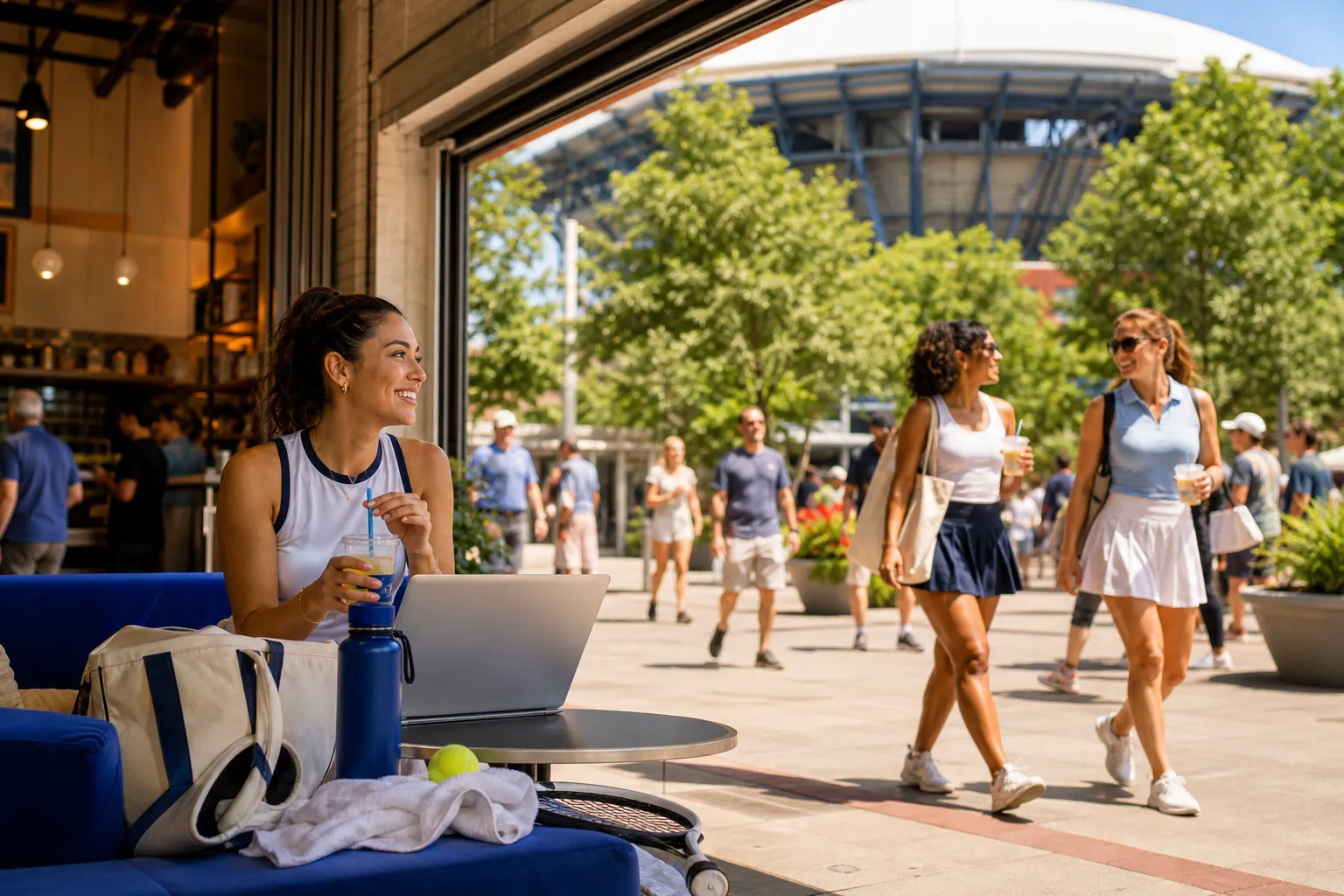
The US Open evening session typically begins at 7 p.m., and marquee matches can run well past 11 p.m. or midnight, especially during the later rounds. According to the official event schedule on usopen.org, night sessions are designed for drama, with stadium lighting, amplified crowd energy, and high-stakes play. After three or four hours in that environment—navigating crowds, standing in lines, and riding the emotional arc of a five-set match—many visitors feel overstimulated rather than energized. A loud sports bar or a packed club might feel like more of the same. Instead, a quiet acoustic music corner, a neighborhood listening room, or a calm bar with a singer-songwriter on a small stage offers a gentler re-entry into the evening, a chance to process the experience, and a human-scale setting that feels restorative rather than draining.
Acoustic Music Venues and Listening Rooms Across Queens
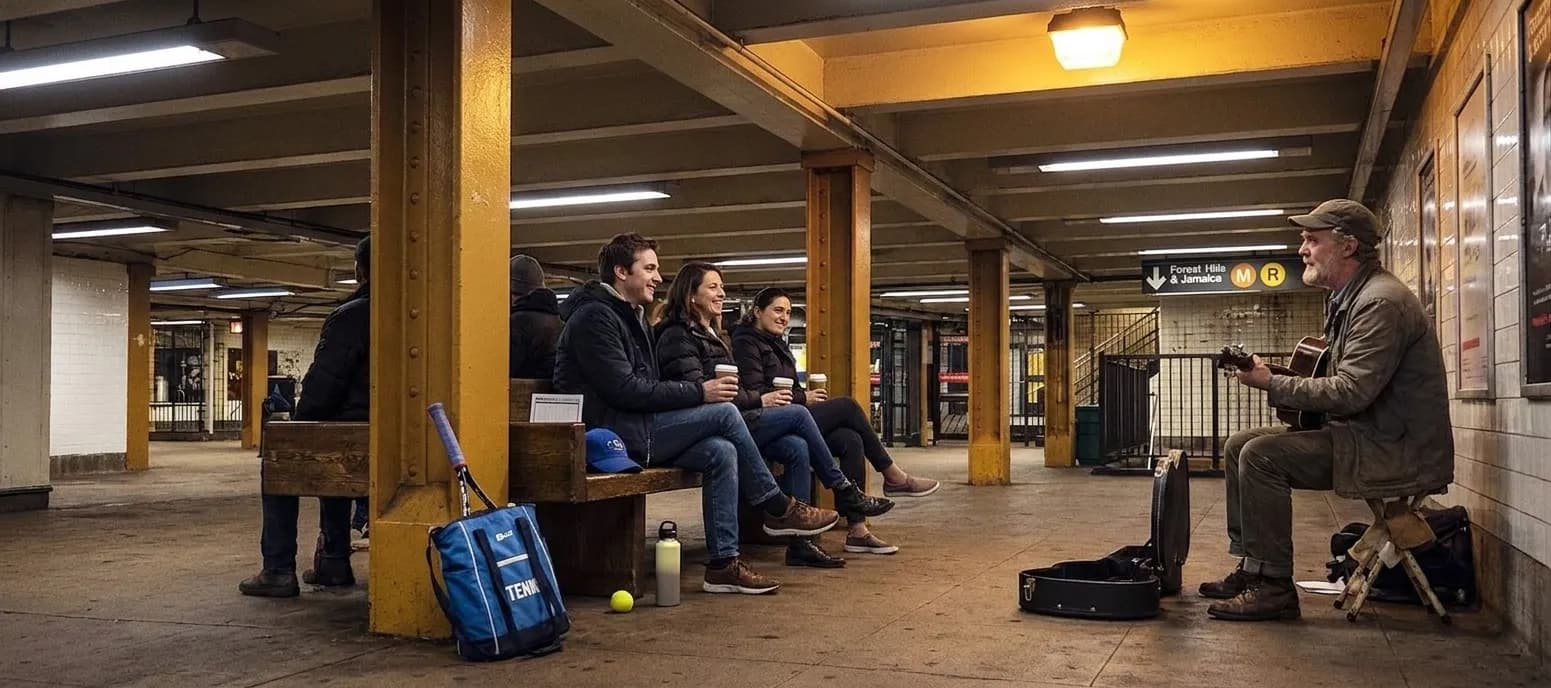
Queens has a growing network of small music venues, listening rooms, and community spaces that host acoustic sets, open mics, and singer-songwriter nights, especially in Astoria, Long Island City, and Jackson Heights. These spots typically feature solo performers, duos, or small ensembles playing folk, indie, jazz, and Americana in intimate settings with good sound and attentive audiences. Some venues operate as cafes or wine bars during the day and transform into listening rooms in the evening, with low cover charges or suggested donations. Others are dedicated music spaces with curated lineups and advance ticketing. Because schedules, performers, and operating hours change frequently, it's essential to check each venue's website, social media, or event calendar close to your visit. The MTA's 7 train and N/W lines connect Flushing Meadows to Astoria and Long Island City in under 30 minutes, making it practical to plan a post-match stop on your way back into Manhattan or Brooklyn.
Neighborhood Bars with Live Music and Quiet Corners
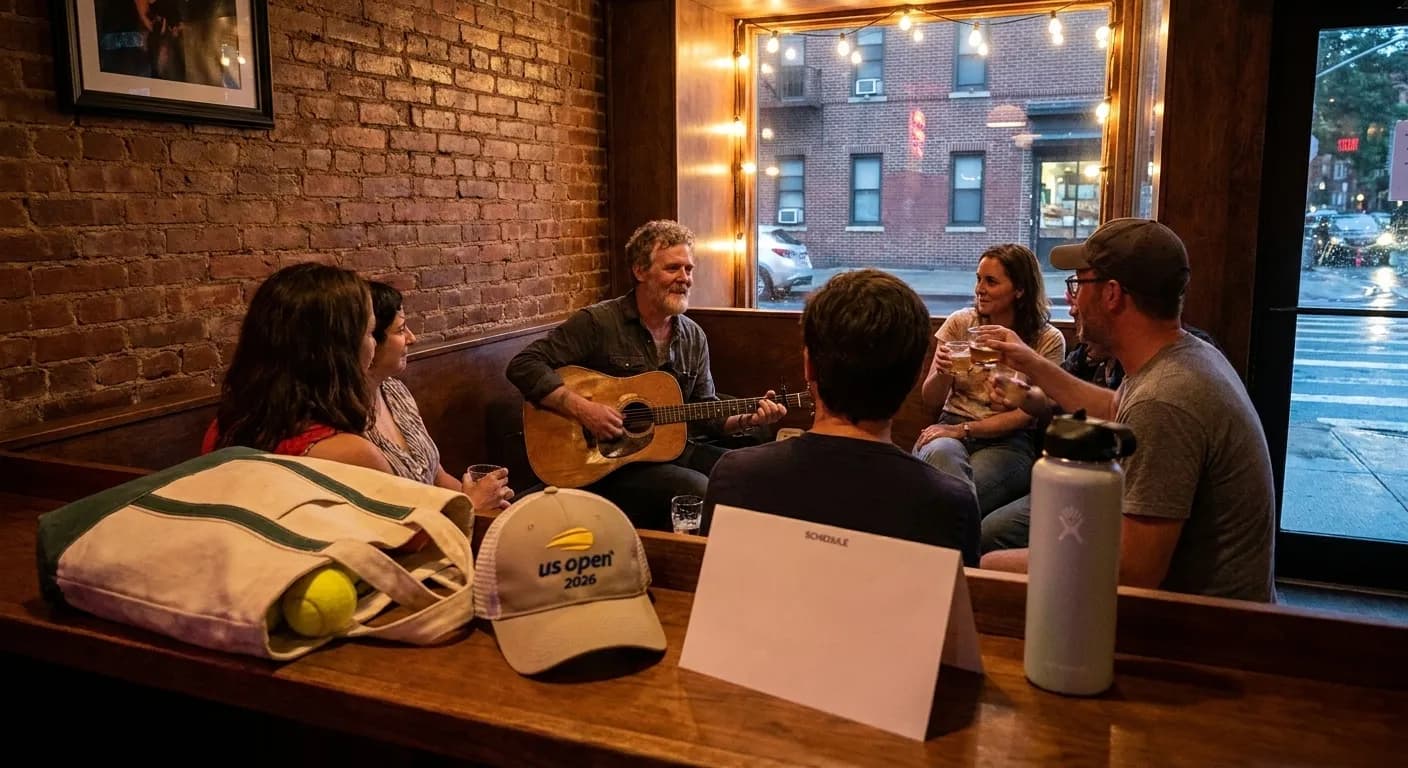
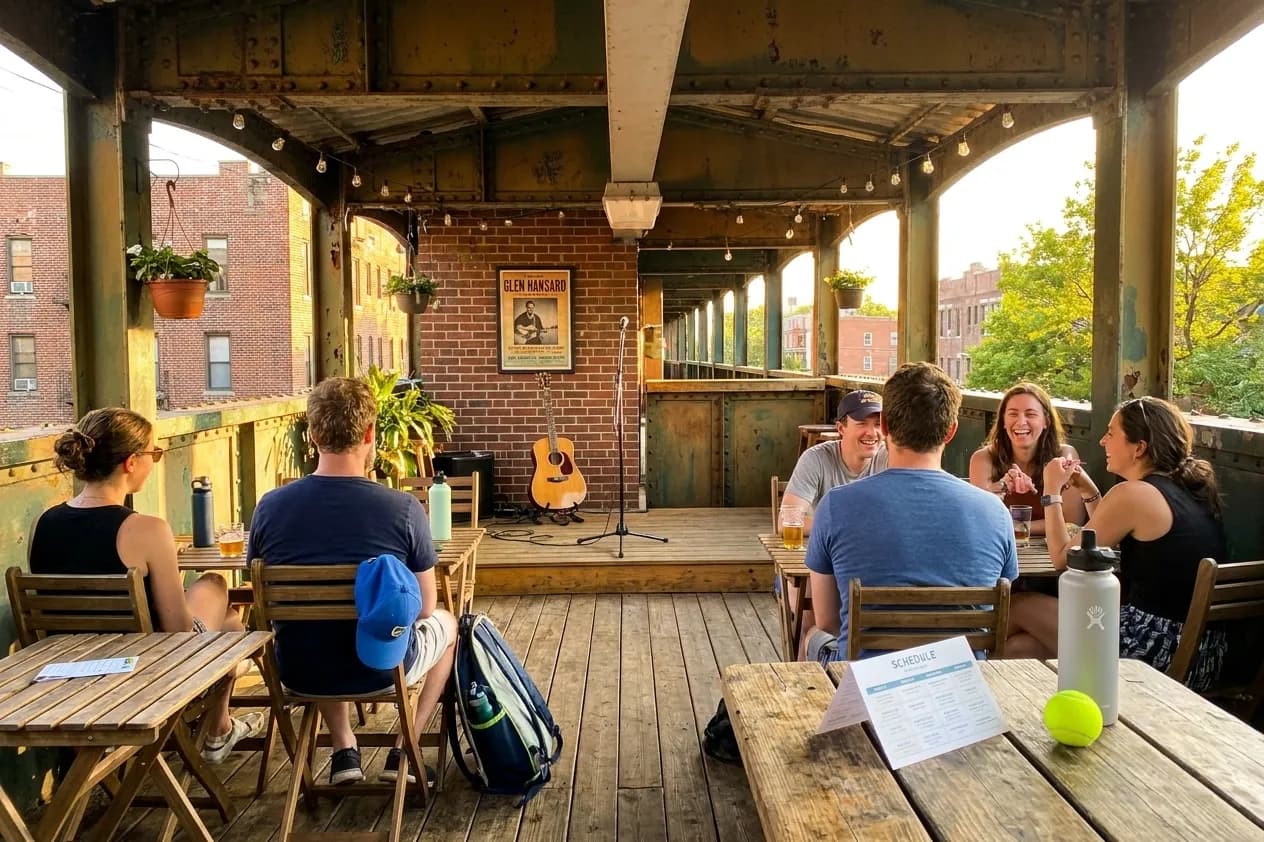
Beyond dedicated music venues, many neighborhood bars across Queens host weekly or monthly acoustic nights, open mics, and songwriter showcases. These events often start around 8 or 9 p.m. and run until midnight, making them well-timed for post-match visitors. The atmosphere is typically low-key, with locals, musicians, and regulars creating a welcoming, unpretentious vibe. Astoria, in particular, has a strong tradition of live music in bars, with Greek, Irish, and Latin American influences shaping the neighborhood's musical culture. Jackson Heights and Corona also offer spots where live music is woven into the fabric of the community, often featuring bilingual performances and cross-cultural collaborations. When planning, look for venues that emphasize listening over loud conversation, offer table seating rather than standing-room-only crowds, and have a reputation for respecting performers and audiences alike.
Timing Your Exit and Transit from Flushing Meadows
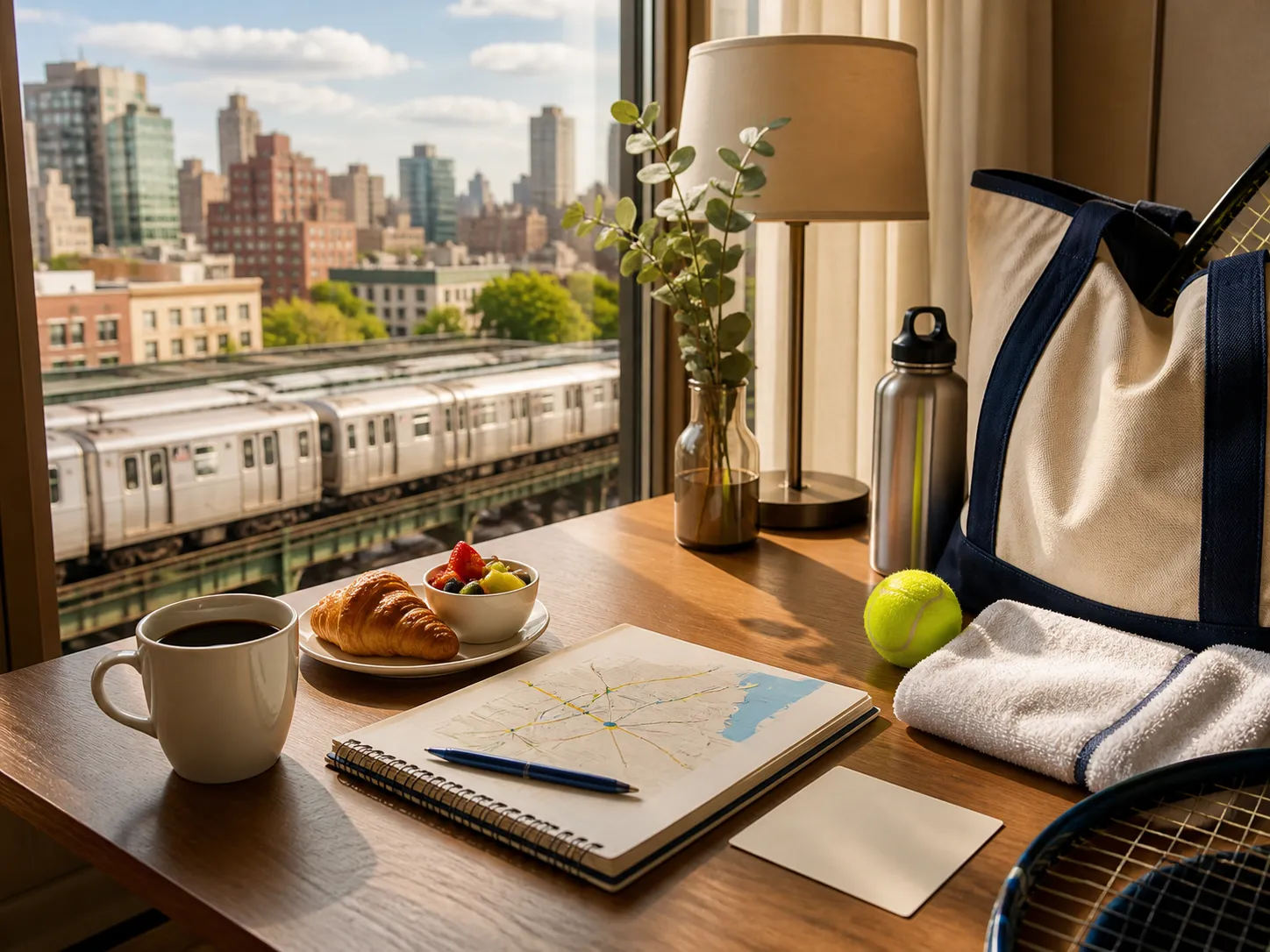
Leaving the US Open after an evening session requires some planning, especially if you want to catch live music elsewhere in Queens. According to the official transportation directions on usopen.org, the Mets–Willets Point station on the 7 train is the primary transit hub, with service running frequently until after midnight. The MTA's official US Open transit guide at new.mta.info/guides/stadiums/us-open provides real-time service updates, planned work, and alternative routes. If you're aiming for a 9 or 10 p.m. acoustic set in Astoria or Long Island City, consider leaving the grounds before the final match concludes, especially if it's a blowout or if you've already seen the tennis you came for. Alternatively, plan for a later arrival at a venue that runs music until midnight or 1 a.m., and confirm the performance schedule in advance. Always check the MTA service status at new.mta.info/ on the day of your visit to avoid surprises.
What to Bring and What to Leave Behind
The US Open's official prohibited-items guide at usopen.org/en_US/visit/prohibited_items.html lists restrictions on bags, outside food and drink, and other items. If you're planning to visit a music venue or bar after your session, pack light: a small crossbody bag or wallet, your phone, a portable charger, and any essentials. Many music venues have their own bag policies, and some may not have coat check or storage. Dress in layers, as evening temperatures in late August and early September can vary, and indoor venues may be warmer or cooler than expected. If you're carrying a jacket, hat, or other items from the tennis grounds, be prepared to hold onto them or check them if the venue allows. Comfortable shoes are essential, as you'll likely walk between the station, the venue, and any additional stops.
Exploring Flushing, Corona, and Jackson Heights After Hours
If you prefer to stay closer to Flushing Meadows, the neighborhoods of Flushing, Corona, and Jackson Heights offer their own post-match options, though the music scene here tends toward karaoke, DJ nights, and cultural performances rather than acoustic singer-songwriter sets. Flushing's downtown area, accessible via the 7 train, has late-night cafes, dessert spots, and lounges that stay open past midnight, offering a calm place to sit, reflect, and recharge. Corona, just west of the park, has a strong Latin American music tradition, with occasional live performances in restaurants and community spaces. Jackson Heights, known for its South Asian and Latin American communities, offers a mix of quiet cafes, hookah lounges, and small performance spaces. While these neighborhoods may not have the same concentration of acoustic music venues as Astoria or Long Island City, they provide a different kind of calm—rooted in community, food, and cultural exchange—that can be equally restorative after a long evening at the Open.
Practical Notes for Post-Match Music Planning
- Check venue websites and social media for performance schedules, cover charges, and any advance ticketing requirements before you leave the tennis grounds.
- Confirm MTA service status and 7 train frequency on new.mta.info/ to avoid long waits or service changes after midnight.
- Bring cash for cover charges, tips, and small purchases, as some venues and bars may not accept cards or have minimum purchase requirements.
- Respect performer and audience etiquette: silence phones, avoid loud conversation during sets, and tip musicians if there's a jar or digital option.
- Plan for a later dinner or snack, as many music venues serve limited food or partner with nearby restaurants for delivery or takeout.
- If you're unfamiliar with the neighborhood, map your route from the station to the venue in advance and note any landmarks or cross streets.
- Consider pairing your music stop with a visit to a nearby park, waterfront, or public art installation for a full evening of calm exploration.
Building a Restorative Evening Routine Around the Open
The US Open is a marathon event, running for two weeks with daily sessions that can stretch from 11 a.m. to past midnight. If you're attending multiple sessions, or if you're visiting New York specifically for the tournament, building a restorative evening routine—one that includes quiet music, calm spaces, and time to decompress—can make the experience more sustainable and enjoyable. Think of your post-match plan as part of the event itself, not an afterthought. Just as you'd plan your arrival time, seat location, and food strategy for the grounds, plan your exit, transit route, and evening destination with the same care. Queens offers the infrastructure, the venues, and the neighborhood culture to support that kind of intentional, human-scale wind-down. The key is to treat the planning as part of the pleasure, and to give yourself permission to leave the crowds behind in favor of something quieter, slower, and more intimate.
US Open, Flushing Meadows Corona Park, Billie Jean King National Tennis Center, and related names and marks are trademarks of the United States Tennis Association and the relevant rights holders. This article is independent editorial content and is not sponsored, endorsed, or affiliated with the US Open, the USTA, the MTA, NYC Parks, or any music venue, bar, or business mentioned. Always confirm hours, schedules, policies, and availability with official sources before your visit.
Ask Karpo First
Tags: #USOpen2026 #Queens #FlushingMeadows #KarpoFinds #Karpo #glenhansard #NewYorkLocal #TennisTravel #NYCLocalLife #TennisTravel
Sources consulted: usopen.org — Official event schedule · usopen.org — Official visitor A-Z guide · usopen.org — Official transportation directions · usopen.org — Official prohibited-items guide · MTA — Official US Open transit guide · NYC Parks — Flushing Meadows Corona Park · NYC Tourism — Queens · MTA — Service status
All trademarks are the property of their respective owners.
Ask Karpo first
Want to know what is actually open, how to time the trip, and where to pause around Queens? Ask Karpo for the latest public US Open context, a respectful visitor plan, and a live route around Flushing Meadows before you head out.