The Financial District sheds its suits after dark, and certain buildings refuse to let go of their past. Fraunces Tavern Museum, a Georgian brick landmark at the corner of Pearl and Broad streets, dates to the late 18th century—rebuilt, restored, and stubbornly occupied by more than docents and tourists. Washington gave his farewell address to his officers here in 1783, but the third floor has never quite emptied since. The basement, meanwhile, remembers a different kind of gathering: séances held during Prohibition, when the living reached across the veil while bootleg gin flowed upstairs.
The Long Room and residual echoes
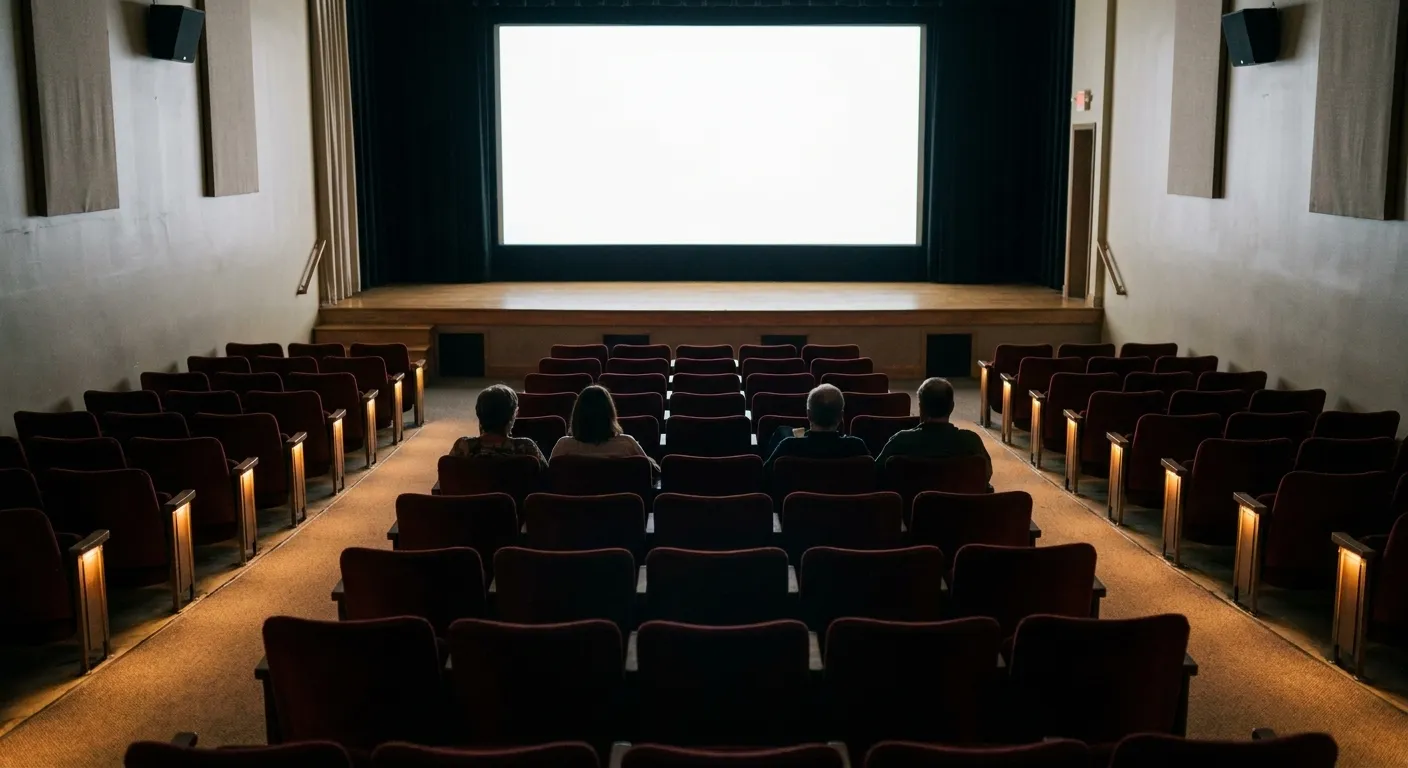
The second-floor Long Room is where Washington delivered his farewell address to his officers in December 1783. The space has been meticulously reconstructed, complete with period furnishings and a palpable weight that settles on your shoulders the moment you step inside. Afternoon light slants through wavy glass panes, illuminating dust motes that hang just a beat too long. The room maintains its 18th-century dimensions—intimate enough that Washington's voice would have carried to every corner without strain, yet formal enough to bear the weight of his departure. Crown molding frames the ceiling in the Georgian style, and the floorboards are wide-plank oak, each one settling and creaking under the accumulated pressure of two and a half centuries.
But the real activity—if you believe the staff—happens one floor up. The third-floor officers' room is typically cordoned off, accessible only during special programming. Margaret, a docent who has worked at the museum since 2003, will tell you she's heard footsteps up there when the building is otherwise empty. Always at 5:47pm, she says, with the specificity of someone who has checked her watch more than once. The sound moves from the northwest corner toward the stairwell, then stops. She describes the footfalls as deliberate, measured—the gait of someone in boots rather than modern shoes, a detail that makes the hair on your arms stand up even in broad daylight retelling.
Thursday twilight access
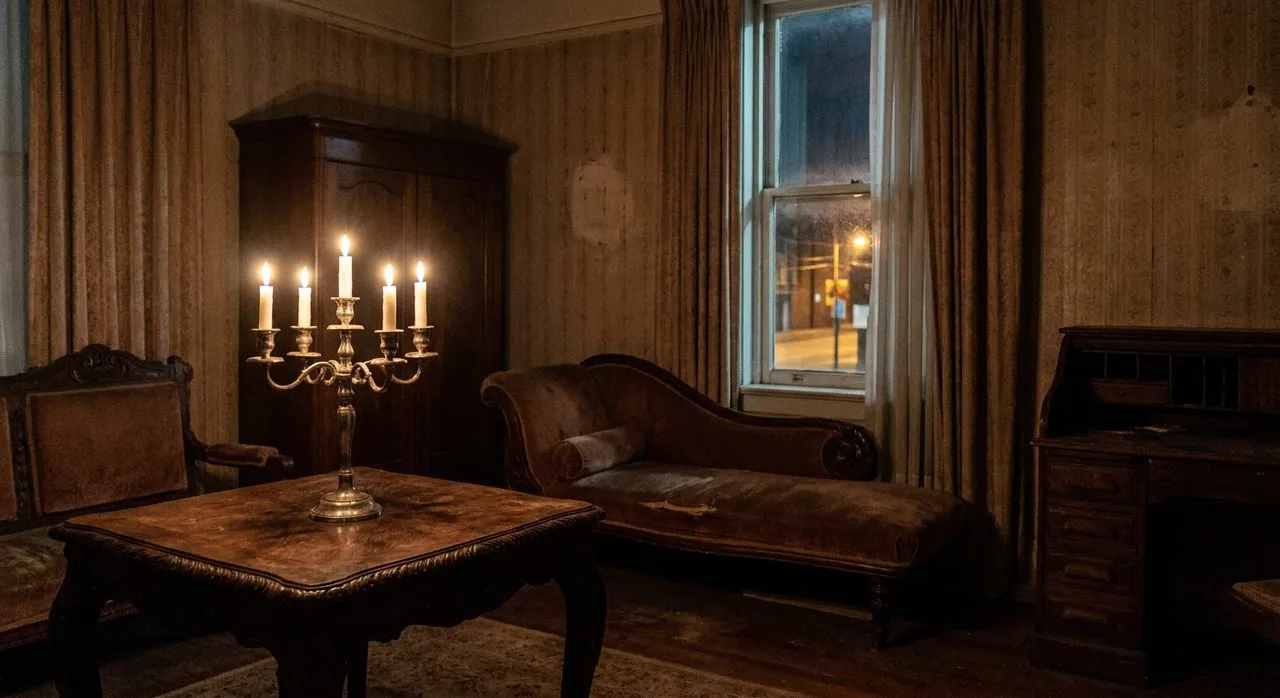
Most visitors see the museum during daylight hours, but Thursday evenings after 6pm offer something different. The museum's Twilight Tours grant access to that restricted third-floor officers' room, where the air feels cooler and sound behaves oddly—footfalls seem to come from two directions at once, and conversations from the floor below vanish entirely. The docents leading these tours are practiced in letting silence do the work. They understand that the absence of narration can be more effective than any ghost story, allowing visitors to register the temperature drop near the northeast window or the way shadows pool in corners that should catch more light.
The late-2026 season promises to expand these evening offerings, though the museum has kept details close. What matters is the quality of light at that hour: golden through the west-facing windows, casting long shadows across floorboards that creak in patterns older than the Republic. If you're inclined to believe in residual hauntings—the kind where moments replay without conscious intent—this is the room that makes a case for it.
The séance basement
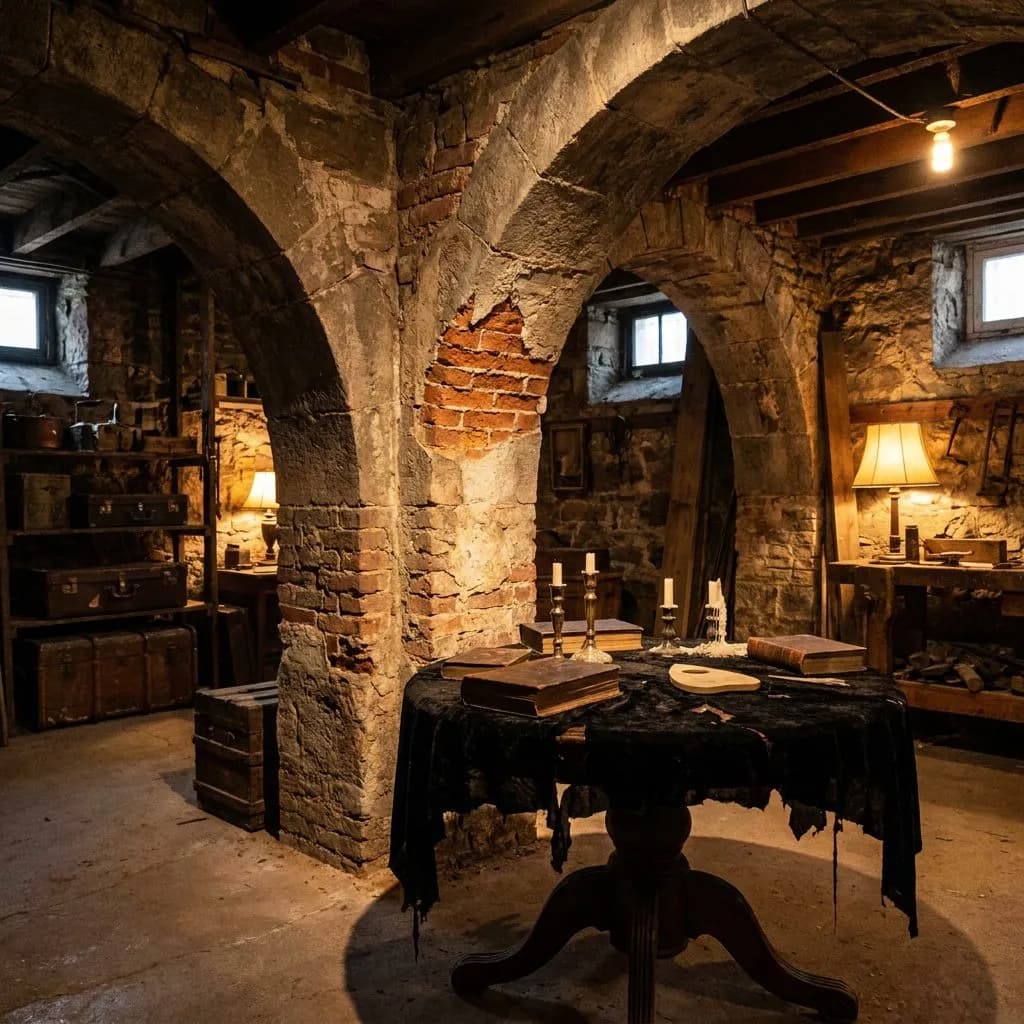
Descend to the basement and the atmosphere shifts from solemn to close. During the 1920s, the cellar was reportedly used for private gatherings of a different sort. Spiritualism had gripped the city, and this low-ceilinged room—brick walls weeping with centuries of Manhattan groundwater—became a regular venue for séances. The table from that era remains, a heavy oak piece with turned legs and a surface worn smooth by elbows and expectation. Circle marks still visible on the wood suggest candle placement, though whether for illumination or ritual purposes, no one can say with certainty.
Crouch beneath that table and you'll find initials carved into the underside: 'E.H.', cut deep enough to survive almost a century. No records clarify who E.H. was—medium, skeptic, or someone hedging their bets by leaving a mark in both worlds. The basement now houses Revolutionary War artifacts in climate-controlled cases, but the table sits in the corner, unadorned. The museum doesn't advertise its Prohibition history with the same vigor it applies to Washington, but guides will point it out if asked.
Pearl Street after dark: the neighborhood context
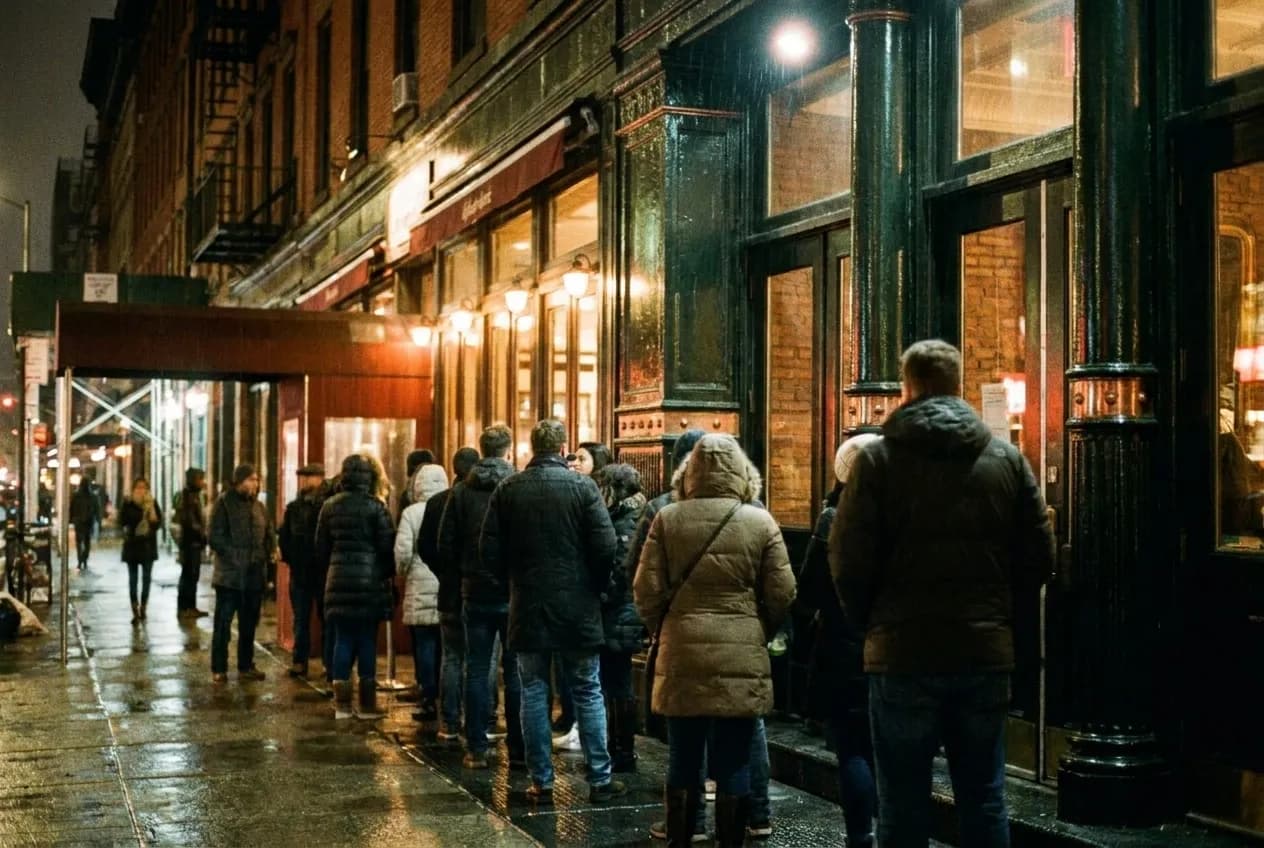
Step outside Fraunces Tavern after sunset and Pearl Street reveals itself as something other than a daytime thoroughfare. The Financial District's transformation is complete by 7pm—the lunch crowds and briefcase battalions have retreated uptown, leaving behind a district that feels oddly suspended. The narrow colonial street grid persists beneath modern pavement, and the tavern sits at a peculiar angle to its neighbors, a reminder that this corner predates the 1811 street plan by nearly a century. Streetlights cast amber pools that don't quite reach the building's recessed doorway, and the sound of the harbor—just two blocks south—carries on certain nights, a low rhythmic pulse that the British would have heard when they occupied this same corner.
The waterfront proximity matters to the building's particular atmosphere. Before landfill extended Manhattan's edge, Pearl Street marked the shoreline, and the tavern served sailors, merchants, and revolutionaries who arrived by boat. That maritime connection—salt air, tidal rhythms, the comings and goings of ships—seems embedded in the structure itself. Staff members report that the building feels different on foggy nights when moisture rolls in from the harbor, as if the boundary between past and present grows thinner when weather conditions echo 18th-century patterns. The modern glass towers surrounding the tavern create wind tunnels that howl past its chimneys, but the building's thick walls muffle external sound once you're inside, creating an acoustic isolation that makes interior noises—creaks, footsteps, the settling of old timber—all the more pronounced.
Considering a haunted nyc itinerary
Fraunces Tavern anchors the southern tip of a surprisingly rich financial district ghost tour landscape. Within a ten-minute walk you'll find the site of the old Merchant's Exchange (now absorbed into a bank tower), where traders' spirits supposedly rattle through ventilation systems, and the original Trinity Church graveyard, where Alexander Hamilton's grave draws both history students and the occasional paranormal investigator with dubious equipment. The tavern distinguishes itself by offering tangible access—rooms you can stand in, objects you can crouch beside—rather than sidewalk storytelling.
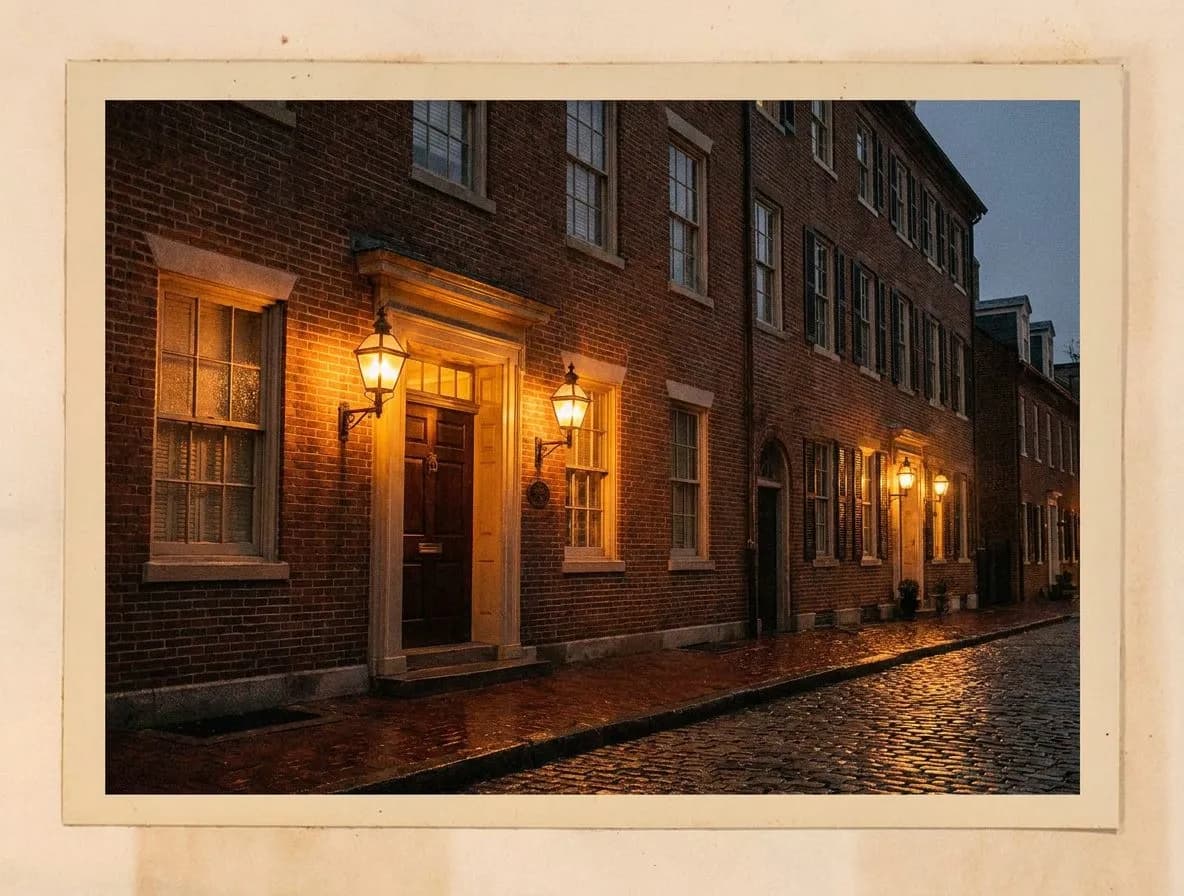
Late 2026 timing is ideal. October remains the obvious choice, but November offers thinner crowds and that specific quality of early nightfall that makes colonial-era buildings feel unmoored from the present. The museum's facade glows under period-style lanterns after dark, and Pearl Street empties enough that you can hear your own footsteps echo—or think you hear someone else's a beat behind.
What to make of it all
Skepticism is healthy, but so is attention. Whether the third-floor footsteps are Margaret's well-honed narrative or something less easily dismissed, Fraunces Tavern rewards visitors who linger. The building's materiality matters: hand-laid brick, joists that groan under their own weight, the faint salt-and-stone scent that clings to old Manhattan basements. Hauntings, if they exist, are as much about place as presence—the way certain locations refuse to let go of what happened within their walls.
The museum doesn't sensationalize. There are no jump scares, no actors in period costume moaning from behind curtains. Instead, it offers access and context, then steps aside. You can spend an hour here and leave with nothing more than an appreciation for Georgian architecture. Or you might find yourself checking your watch at 5:47pm, listening for footsteps that have no source.
Practical notes
Fraunces Tavern Museum is located at 54 Pearl Street, at the corner of Broad Street. The nearest subway is the R train to Whitehall Street or the 1 train to South Ferry; both are a short walk. Street parking is scarce; the nearest garage is at 2 Washington Street. Hours vary seasonally, so verify directly before visiting. Thursday evening Twilight Tours require advance registration. The building has limited elevator access; the basement and third floor involve stairs. Bring a small flashlight if you want to examine that séance table closely—the basement lighting is atmospheric but dim. Late autumn evenings can be brisk near the waterfront; layer accordingly.
Tags: #HauntedNYC #FinancialDistrictGhostTour #FrauncesTavern #TheOddEdit #NYCHistory #RevolutionaryWar #HauntedPlaces #ProhibitionHistory #GeorgianArchitecture #ManhattanGhosts #TwilightTours #LowerManhattan #HistoricNYC #October2026 #NYCMuseums
Sources consulted: Fraunces Tavern - Wikipedia · Fraunces Tavern Museum · Financial District - Wikipedia · Time Out New York · NY Times: New York
All trademarks are the property of their respective owners.