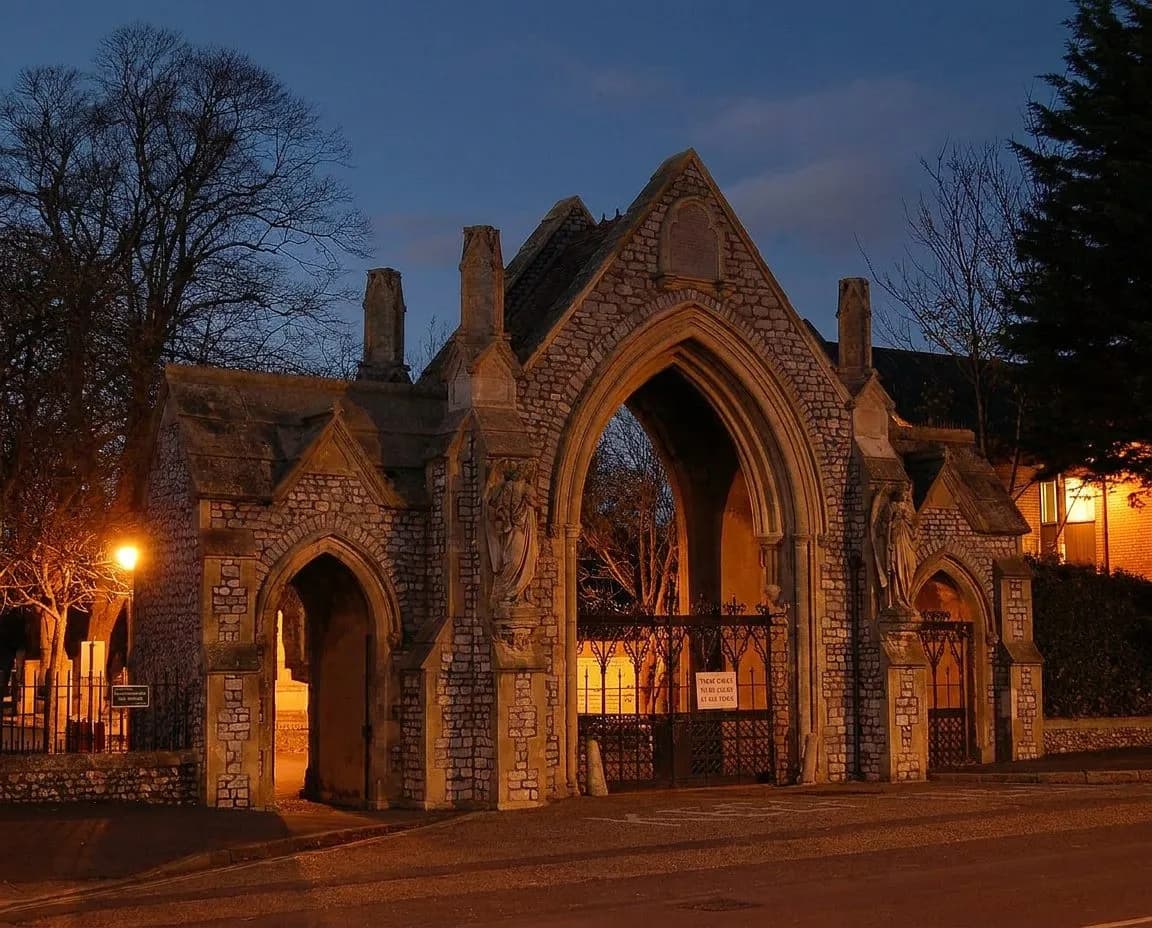
New York's ghost stories tend to cluster in predictable neighborhoods—Greenwich Village brownstones, downtown theaters, the odd hotel lobby in Midtown. But some of the city's most persistent paranormal folklore lives miles from the spotlight, in a sprawling necropolis where weathered stone angels keep watch over generations of New Yorkers. St. Michael's Cemetery in East Elmhurst occupies more than a hundred acres, its grounds a tangle of Gothic Revival chapels, family mausoleums frozen in Victorian grandeur, and unmarked paths that wind past monuments dating back to the 1850s. Come autumn, when the light slants low through ancient oaks and the air turns brittle, the place earns its reputation as one of the most atmospheric stops on any cemetery ghost tour NYC can offer.
A landscape built for eternity
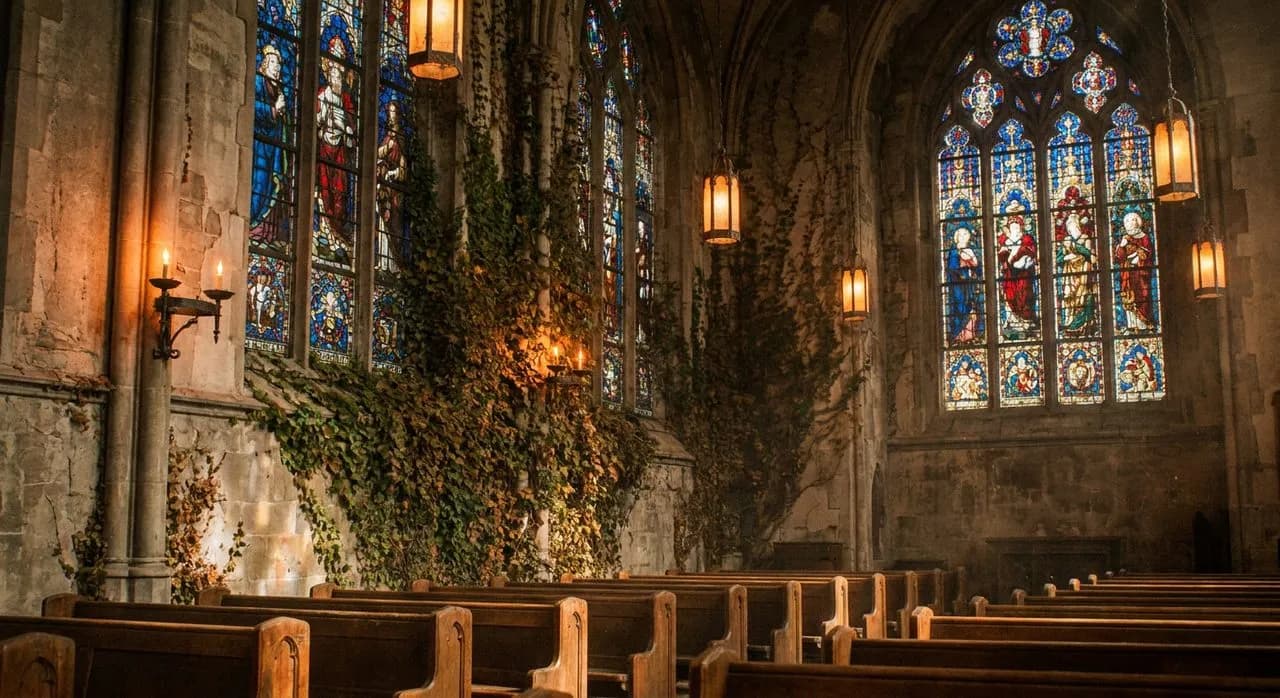
The cemetery's layout reflects the ambitions of its founding era. Broad avenues give way to narrower lanes lined with marble and granite monuments, some still pristine, others softened by more than a century of weather. The chapels—there are two—anchor opposite ends of the grounds, their pointed arches and stained glass windows catching what little daylight filters through the canopy. In late afternoon, especially as 2026 edges toward its final quarter, the place takes on a quality that's hard to name: not quite melancholy, not quite peaceful, but something suspended between the two.
Walk the older sections and you'll find mausoleums that could have been plucked from a European hillside. Iron gates guard doorways no one has opened in decades. Carved wreaths and weeping figures mark the resting places of families whose names once filled society pages. The scale of it all—the acreage, the craftsmanship, the sheer density of memory—makes Central Park feel like a postage stamp.
The woman in white and other apparitions
Every cemetery with any history collects its share of ghost stories, but St. Michael's catalog runs deeper than most. The most frequently reported sighting involves a figure in a pale dress, glimpsed near monuments from the 1920s. Witnesses describe her as translucent, often appearing at dusk before vanishing when approached. Some accounts place her beside a particular family plot; others claim she drifts between rows, pausing at markers as though searching for a name.
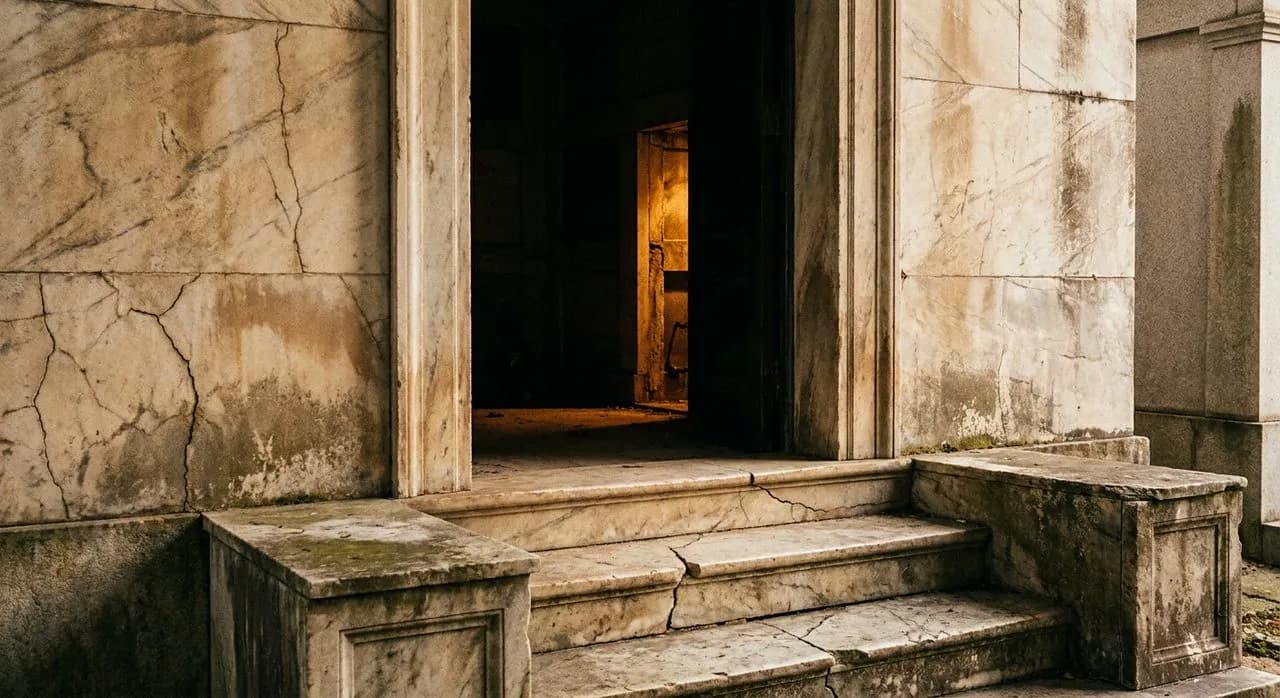
The mausoleum marked 'Donovan 1923' is rumored to be the site of most apparition reports, located in section 12, row G. The structure itself is unremarkable—cream-colored stone, a bronze door gone green with patina—but locals who've walked these grounds after dark insist the air near it feels different. Colder, heavier. The kind of place you notice without meaning to. Whether you chalk it up to suggestion or something less easily explained, the Donovan mausoleum has become a waypoint for anyone tracing the folklore of haunted Queens through its overgrown lanes and forgotten corners.
October walks with a local historian
If you'd rather explore with context than wander solo, October offers a rare opportunity. On select Friday evenings, a local historian may lead walking tours; verify the current schedule, fee, and meeting point before publishing. The walks cover roughly a mile and a half, threading through sections that span the cemetery's history from its founding to the mid-twentieth century. The guide—an adjunct professor who grew up a few blocks away—balances architectural detail with the stranger anecdotes that cling to certain plots and pathways.
These aren't theatrical haunted-house performances. The tone is more seminar than scare, though the setting does most of the atmospheric work. By the time full dark settles in, even skeptics admit the landscape feels different under flashlight beams. Shadows pool in unexpected places. Wind moves through the trees with a sound that could be mistaken for voices, if you're inclined to listen that way. Attendance caps at twenty, and slots fill quickly as Halloween nears.
Eddie's journal of the unexplained
Institutional memory at St. Michael's comes courtesy of a groundskeeper named Eddie, who has worked here since 1989 and keeps a journal of unusual occurrences, viewable by request in the office. The ledger—a series of composition notebooks spanning more than three decades—catalogs everything from inexplicable cold spots to tools that migrate overnight, along with the occasional sighting that matches no living visitor's description. Eddie himself is careful not to oversell the material. He'll tell you what he's seen, what others have reported, and leave the interpretation to you.
The journal entries are tersely written, more logbook than Gothic novel: dates, times, locations, conditions. But read enough of them and patterns emerge. Certain areas of the cemetery appear again and again. Certain times of year—October, unsurprisingly, but also late February—seem to generate more reports. It's the kind of primary-source document that lends weight to what might otherwise feel like urban legend, a record kept by someone with no apparent incentive to embellish.
What to wear, what to expect
Cemeteries are working landscapes, not theme parks, and St. Michael's expects visitors to behave accordingly. Paths are generally well-maintained, but after rain they turn muddy, and fallen leaves in autumn can obscure uneven ground. Wear sturdy shoes—boots if you have them. Bring layers; temperatures drop faster among headstones than on nearby streets, and wind off the water cuts through lighter jackets. A flashlight or headlamp is non-negotiable if you're visiting near dusk, both for safety and because the grounds have limited lighting once the sun sets.
Respect the space. This is an active cemetery, not a set. Families still visit, groundskeepers still tend plots, and the people interred here deserve the dignity of quiet. Photographs are generally permitted, but avoid anything that feels exploitative. The atmosphere is potent enough without staging drama. If you're lucky—or unlucky, depending on your threshold for the uncanny—the place will offer its own moments without prompting.
Why now, why here
New York doesn't lack for Halloween attractions as 2026 winds down, but most trade in manufactured scares and ticket-gated spectacle. St. Michael's offers something harder to quantify: a landscape shaped by genuine history, folklore that predates the current ghost-tour economy, and the particular charge that comes from standing in a place where thousands of stories have ended. It's not for everyone. If you need jump scares and fog machines, look elsewhere. But if you're drawn to spaces where the past feels uncomfortably close, where architecture and atmosphere conspire to make the air feel thicker, this sprawling Queens cemetery delivers.
The experience won't answer whether ghosts are real. It will, however, remind you why humans have always told stories about places like this, and why some corners of the city resist being fully tamed by streetlights and subway lines. That's worth the trip across the borough, flashlight in hand, as October edges toward its inevitable conclusion.
Practical notes
St. Michael's Cemetery is in Astoria/Queens; verify the current address before publishing. The nearest subway stop is Astoria Boulevard on the N/W lines; verify the walking time before publishing. Street parking is available along the perimeter. The cemetery grounds are generally open dawn to dusk; verify current hours directly, as they shift seasonally. Accessibility varies—main paths are paved, but many sections involve uneven terrain. Bring a flashlight for evening visits, sturdy footwear, and layers. The October Friday tours meet at the main entrance; no reservation required, but arrive early. Eddie's journal can be requested at the administrative office during weekday business hours.
Tags: #HauntedQueens #CemeteryGhostTourNYC #StMichaelsCemetery #TheOddEdit #NYCGhostStories #OctoberInNYC #VictorianArchitecture #UrbanExploration #QueensNYC #HalloweenNYC #GothicRevival #EastElmhurst #HiddenNYC #CemeteryWalks #ParanormalNYC
Sources consulted: St. Michael's Cemetery · Woodlawn, Queens · NYC Municipal Archives · NYC Ghost Stories · New York Times - NY Region
All trademarks are the property of their respective owners.