The Ghost Rider films turned night motorcycle rides into cinematic spectacle, and while your evening bike ride through Queens won't involve supernatural flames, the 2026 US Open creates a perfect opportunity to explore after-dark cycling near Flushing Meadows Corona Park. Late matches often finish after sunset, and the energy of thousands of tennis fans dispersing into the night gives familiar bike paths a different character. Whether you're riding home from an evening session or planning a deliberate night route to enjoy cooler temperatures and illuminated landmarks, understanding which paths offer good lighting, how to maximize visibility, and where to find post-match food stops turns a simple commute into a memorable urban adventure. This guide maps practical night cycling strategies for the tournament fortnight, when extended hours and crowd patterns reshape the usual rhythm of Queens streets.
Text Karpo with your US Open session time and Queens starting point, and we’ll turn this night cycling idea into a practical local plan.

Why Night Cycling Works During US Open Weeks
The US Open typically runs from late August into early September, when daytime temperatures can still be warm but evenings cool into more comfortable ranges. Night sessions often extend late, especially during the second week when marquee matches fill Arthur Ashe Stadium. Cycling after dark means avoiding midday heat, encountering lighter car traffic on many residential streets, and experiencing the park and surrounding neighborhoods with a completely different sensory palette—streetlights casting long shadows, the glow of apartment windows, the hum of the 7 train elevated above Roosevelt Avenue. The challenge lies in route selection: not every bike lane feels equally safe or well-lit after sunset, and knowing which paths offer continuous illumination versus stretches of darkness helps you plan confidently.
Flushing Meadows Corona Park After Dark
The park itself transforms at night during the tournament. While the USTA Billie Jean King National Tennis Center blazes with stadium lights and the Unisphere stands illuminated as a landmark visible from blocks away, the park's interior paths vary widely in lighting quality. The main pedestrian and bike routes near the Unisphere and along the Grand Central Parkway side generally have regular lamp posts, but paths deeper into the park's wooded sections or around Meadow Lake can be quite dark. If you're cycling through the park after a match, stick to the perimeter paths and the well-traveled routes between the tennis center and the subway stations. Always carry front and rear lights—New York State law requires a white headlight and red taillight for night riding—and consider a helmet-mounted light to improve your field of vision on unlit stretches. Riding with a partner or group adds safety if you're unfamiliar with the terrain.
Northern Boulevard and the Flushing Waterfront
Heading north from the park, Northern Boulevard offers a direct route toward downtown Flushing, though it's a busy commercial corridor with heavy bus and car traffic even at night. The protected bike lane segments are well-lit near major intersections, but gaps in protection mean you'll share space with turning vehicles. A more scenic alternative for confident night riders is the route along College Point Boulevard toward the Flushing waterfront, where the promenade near the World's Fair Marina provides open views of the East River and the Whitestone Bridge lit against the night sky. The waterfront path itself is quieter after dark, with fewer pedestrians and a cooling breeze off the water. This route works especially well if you're combining your ride with a late dinner in downtown Flushing, where restaurants along Main Street and Roosevelt Avenue serve night-owl crowds with dim sum, Korean barbecue, and hand-pulled noodles. Verify restaurant hours before planning your stop.
The 7 Train Corridor Through Corona and Jackson Heights
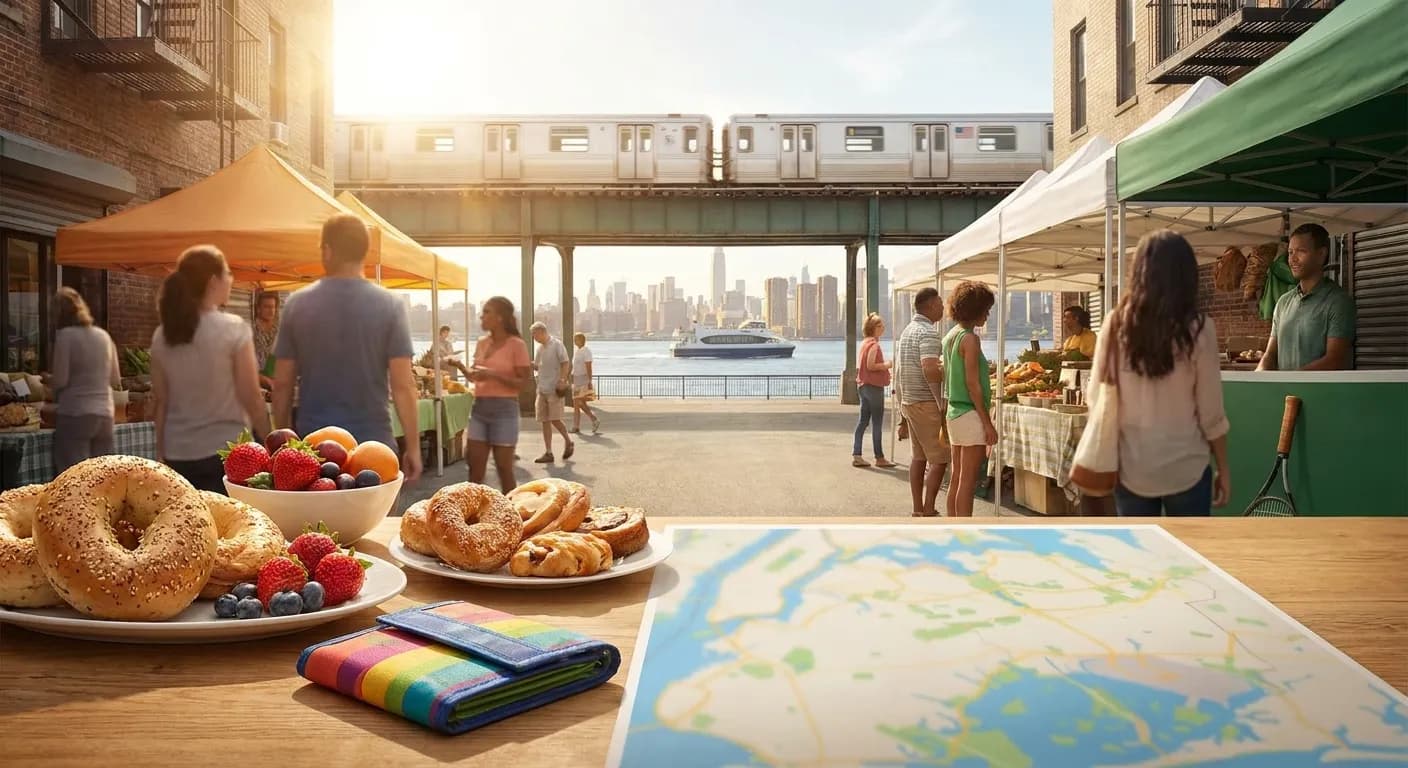
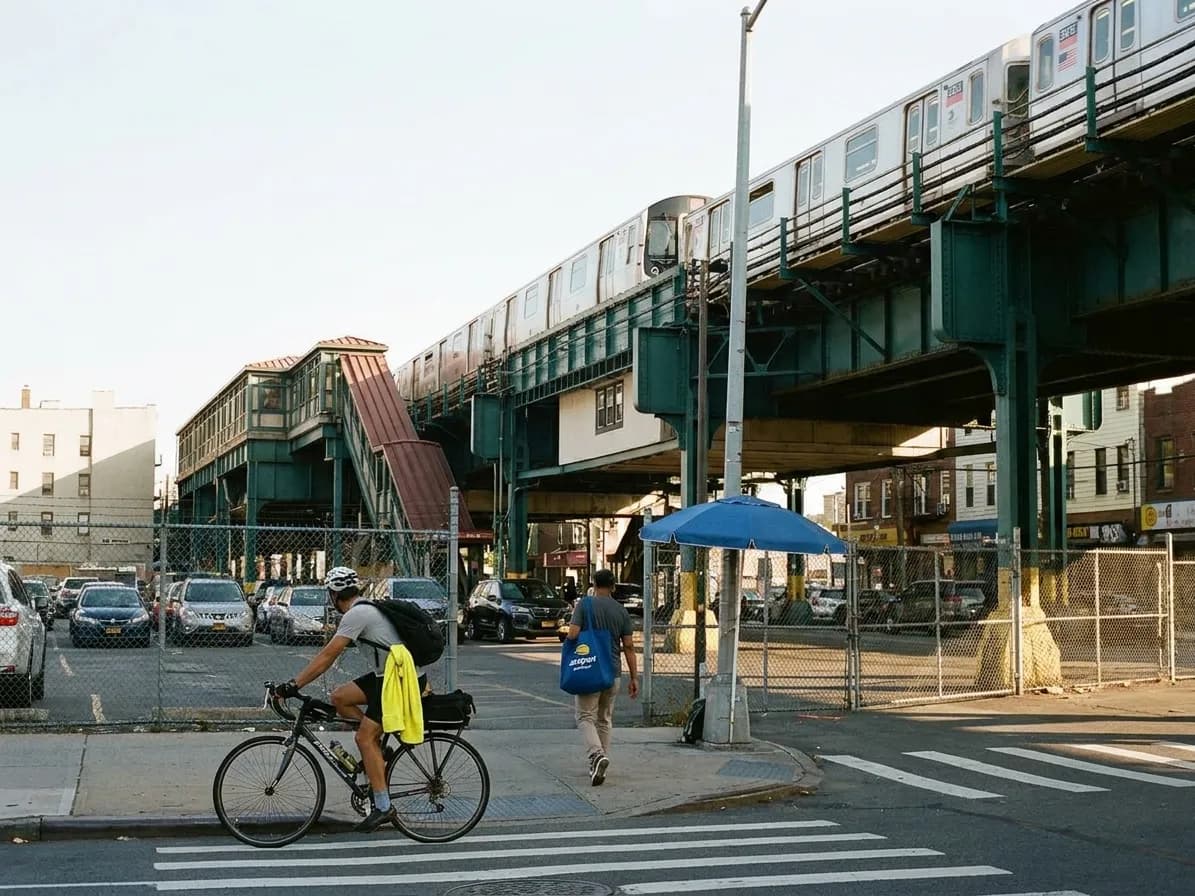
Riding west from Flushing Meadows along Roosevelt Avenue beneath the elevated 7 train creates a uniquely New York night cycling experience. The train's lights and rumble overhead, combined with the neon glow of storefronts and street vendors, give this route an energetic, almost cinematic quality—the urban equivalent of a Ghost Rider's fiery trail, minus the supernatural elements. The bike infrastructure here is inconsistent: some blocks have painted lanes, others require you to claim space in mixed traffic. Visibility is generally good thanks to commercial lighting, but watch for double-parked delivery trucks and passengers exiting ride-share vehicles without checking for cyclists. Jackson Heights offers a logical rest stop, with bakeries and cafés around 82nd Street that may stay open late. If you continue west toward Woodside and Sunnyside, the residential streets grow quieter, and you'll want stronger lights as tree cover and lower building heights reduce ambient light.
Long Island City and the Waterfront Greenway
For riders coming from or heading toward western Queens, the Long Island City waterfront offers some of the borough's best-lit and most protected night cycling infrastructure. The East River waterfront greenway runs continuously from Astoria Park down to Newtown Creek, with regular lighting, smooth pavement, and separation from car traffic. The Manhattan skyline provides a dramatic backdrop, especially striking after dark when office towers and bridges light up. This route connects to the Pulaski Bridge bike path into Greenpoint, Brooklyn, if you're planning a longer night ride. The challenge is getting from Flushing Meadows to Long Island City—the most direct routes involve busy streets like Queens Boulevard or the less-lit industrial stretches near the Brooklyn-Queens Expressway. Consider taking the 7 train with your bike during off-peak hours to Court Square or Vernon Boulevard-Jackson Avenue, then starting your night ride from there. Check MTA policies for current bike-on-train rules.
Visibility and Safety Gear for Night Riding
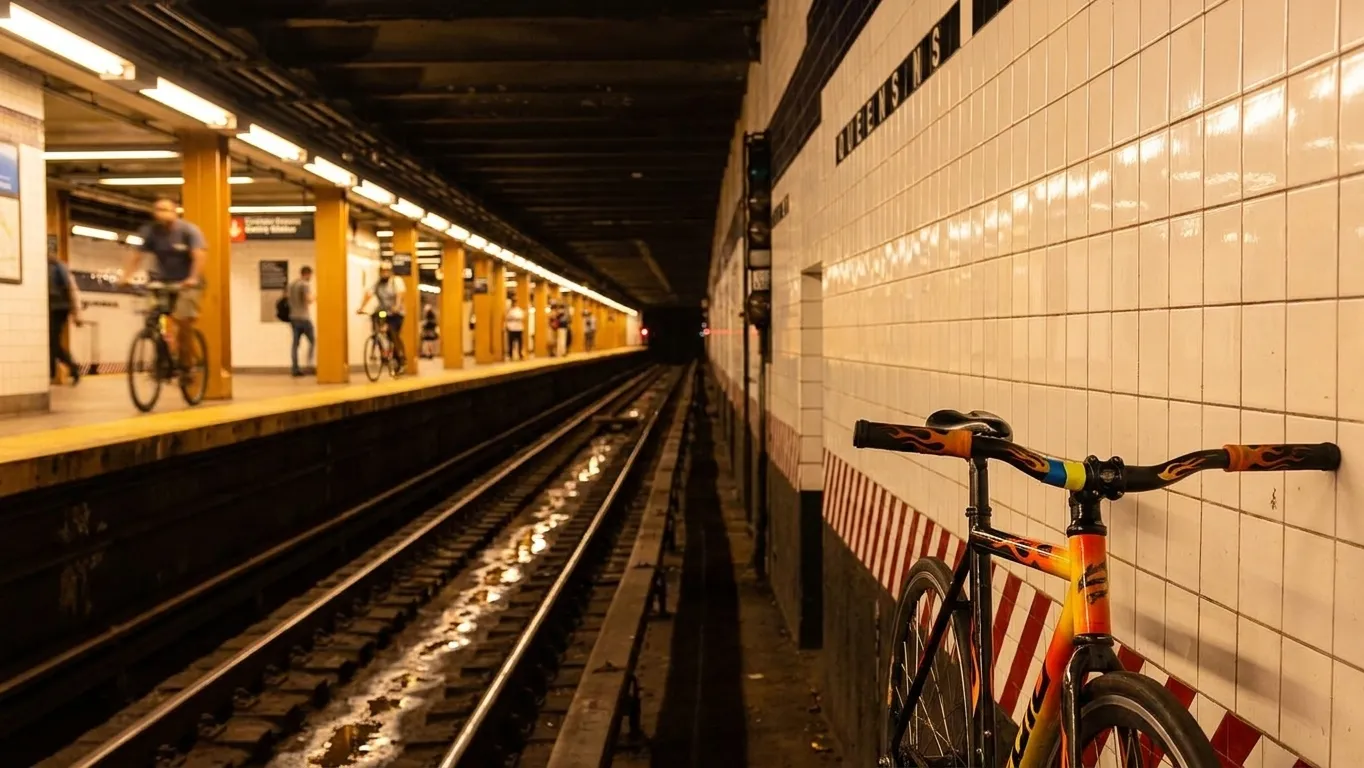
The Ghost Rider comparison is apt in one practical sense: being seen is everything. Beyond the legally required front and rear lights, consider adding spoke lights or wheel reflectors that create a moving circle of visibility, making your bike's width and trajectory clearer to drivers. Reflective ankle bands, vest panels, or backpack covers catch headlights from multiple angles. A bright, flashing rear light is more attention-grabbing than a steady one, and mounting it at seat-post height keeps it in drivers' sight lines. For your front light, higher lumens help on well-lit streets, but if you're riding darker park paths or residential blocks, stronger illumination helps you spot potholes, curb cuts, and pedestrians earlier. Helmet-mounted lights let you aim illumination where you're looking, rather than just straight ahead. Check your lights before each ride—dead batteries are the most common night cycling failure—and carry a backup rear blinker in your bag.
Practical Notes for US Open Night Rides
- Check the official US Open schedule at usopen.org to know when night sessions are planned—final matches can run later than expected, affecting crowd dispersal times and transit frequency
- The MTA increases 7 train service during the tournament; check new.mta.info for current service status and plan your ride timing accordingly if you're combining cycling with subway segments
- Bring a U-lock even for short stops—bike theft increases in high-traffic areas during major events, and well-lit commercial streets don't guarantee security
- Download an offline map of Queens bike routes before you ride, since cell service can be spotty in some park areas and you don't want to navigate by phone screen alone in traffic
- Dress in layers—evening temperatures can drop once the sun sets, and riding generates wind chill
- Carry payment options for late-night food stops; verify that restaurants and vendors in Flushing and Corona are open and check their accepted payment methods
- Recheck weather forecasts close to your ride; summer thunderstorms can develop quickly in the late afternoon and evening, and wet roads reduce visibility and traction significantly
Combining Tennis and Night Cycling Logistics
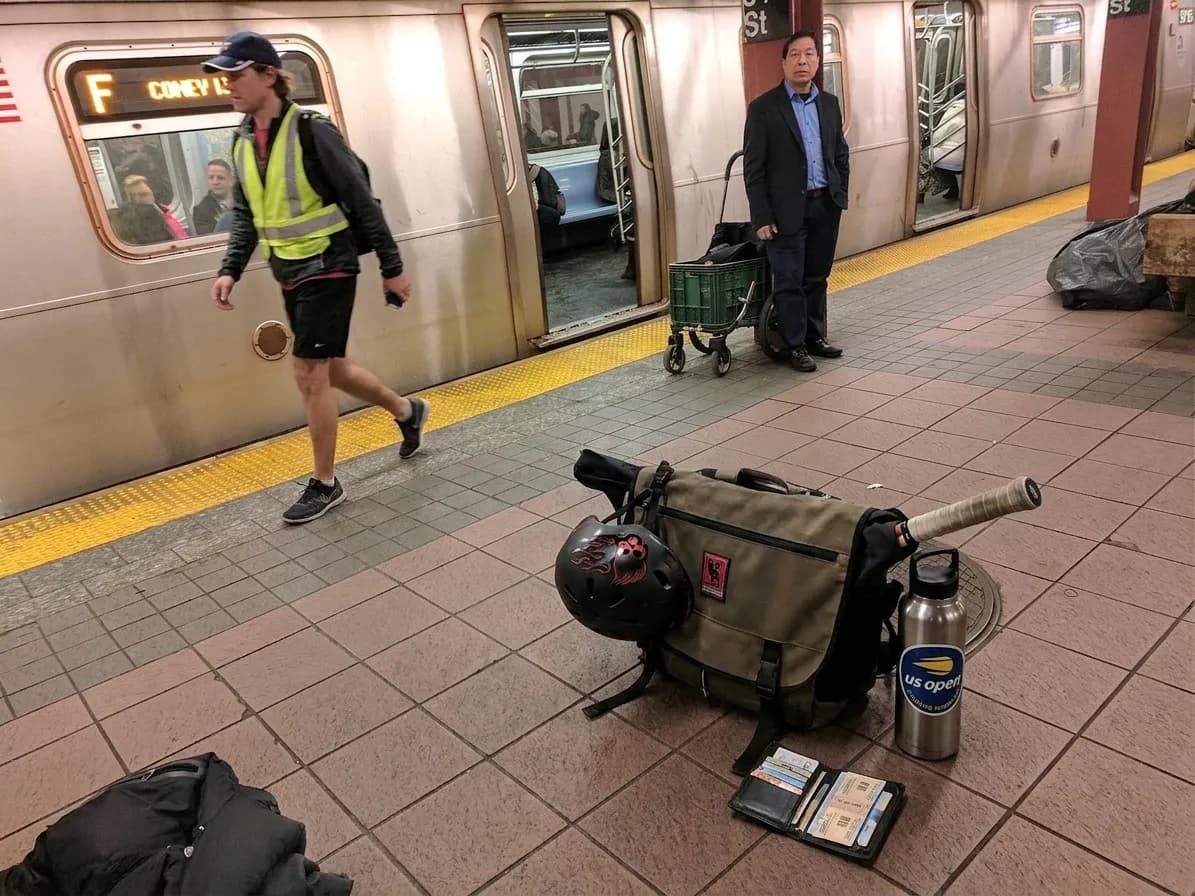
If you're attending a US Open session and planning to ride afterward, note that the USTA Billie Jean King National Tennis Center does not allow bicycles inside the grounds. Check for public bike racks near the Unisphere or Citi Field area before your visit, and verify current policies. The official US Open transportation guide at usopen.org recommends public transit, but cycling is a practical alternative if you live within a reasonable distance and want to avoid crowded trains. Just factor in the walk between any bike parking and the stadium gates, and allow extra time for security lines on your way in. After the match, the post-event crowd disperses in waves—some fans leave early to beat traffic, while others linger—so you'll have company on the paths for a period after a session ends. Always ride defensively and stay visible in mixed pedestrian and vehicle traffic.
Building Your Night Ride Decision Framework
Rather than following a fixed route, build your night cycling plan around these decision points: What is your starting location and destination? Which streets offer protected or painted bike lanes versus shared traffic? Where does street lighting transition from commercial brightness to residential dimness? What is your comfort level riding in mixed traffic after dark? Are you riding solo or with others? What backup plans do you have if weather changes or mechanical issues arise? Map your primary route using online bike maps, then scout alternative segments during daylight if possible. Identify landmarks—subway stations, parks, major intersections—that help you orient at night when street signs can be harder to read. Note where 24-hour businesses or late-night restaurants cluster, giving you rest options and well-lit areas if you need to stop. Check the MTA service status before you leave, so you know whether subway backup is available if your ride plan changes. This framework approach lets you adapt to real conditions—crowd flow, weather, energy level—rather than forcing a rigid itinerary that may not match the night's reality.
Tags: #USOpen2026 #Queens #FlushingMeadows #KarpoFinds #Karpo #ghostrider #NewYorkLocal #TennisTravel
Sources consulted: usopen.org — Official event schedule · usopen.org — Official visitor A-Z guide · usopen.org — Official transportation directions · usopen.org — Official prohibited-items guide · MTA — Official US Open transit guide · MTA — Official service status
All trademarks are the property of their respective owners.