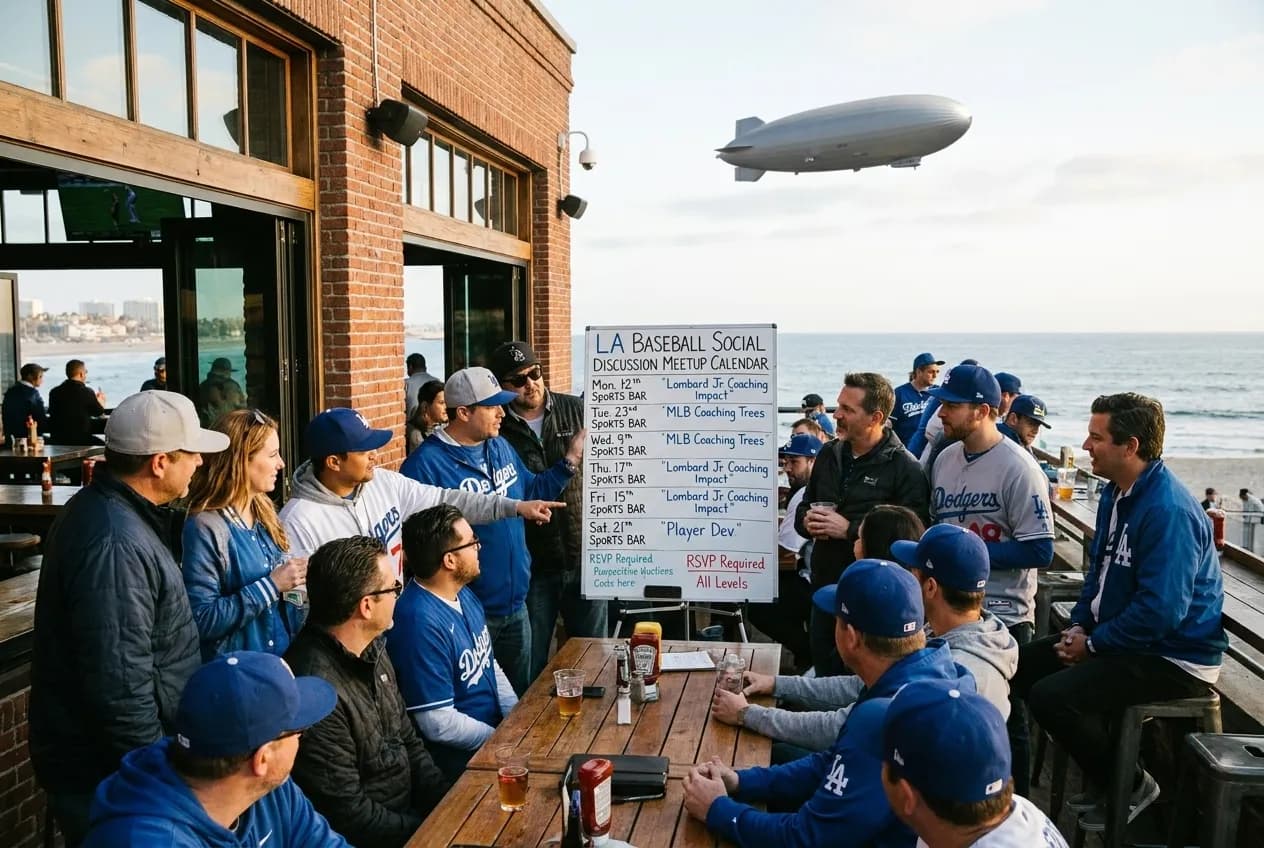
For baseball enthusiasts curious about coaching influence and player development, the name george lombard jr represents a compelling entry point into conversations about modern MLB coaching trees and organizational strategy. Los Angeles hosts a growing network of social discussion meetups where fans gather to dissect coaching philosophies, development pipelines, and the ripple effects individual coaches create across franchises. These gatherings typically unfold in sports bars, community spaces, or public venues during weekend afternoons, welcoming participants with basic baseball knowledge who want to deepen their understanding alongside fellow fans. The calendar of such meetups varies by organizer, format, and expertise level, requiring prospective attendees to verify current schedules, RSVP requirements, and discussion themes before committing their Saturday or Sunday afternoon.
Text Karpo your starting point, timing, group size, and priorities for a Los Angeles plan tailored to this exact situation, with one realistic backup before you leave.

Identifying Active Baseball Discussion Groups in LA
Los Angeles supports multiple baseball social meetup formats, from casual bar conversations to structured discussion panels with rotating topics. Some groups focus exclusively on coaching analysis, examining how assistants transition to managerial roles or how development philosophies differ between organizations. Others blend coaching talk with broader baseball strategy, player performance metrics, and front-office decision-making. The challenge lies in distinguishing groups that maintain consistent schedules from those that convene sporadically or require membership fees. Public event calendars rarely list niche sports discussion meetups with the same visibility as concerts or festivals, so interested fans often rely on social media groups, community bulletin boards, or word-of-mouth referrals to locate active gatherings.
Metro accessibility plays a significant role in choosing which meetup to attend, especially for fans traveling from different parts of the county. Groups meeting near Metro Rail stations—whether in Downtown, Hollywood, or Pasadena—offer easier access than those in car-dependent neighborhoods. The Metro system provides regular fare options at $1.75 per ride with daily and weekly caps, and transfers between buses and trains remain free within two hours when using TAP or credit cards. Fans planning weekend trips should check real-time arrivals and service alerts before departure, as construction or event-related detours occasionally affect schedules. Weighing travel time against discussion start times helps avoid late arrivals that disrupt group dynamics.
RSVP Protocols and Expertise Expectations
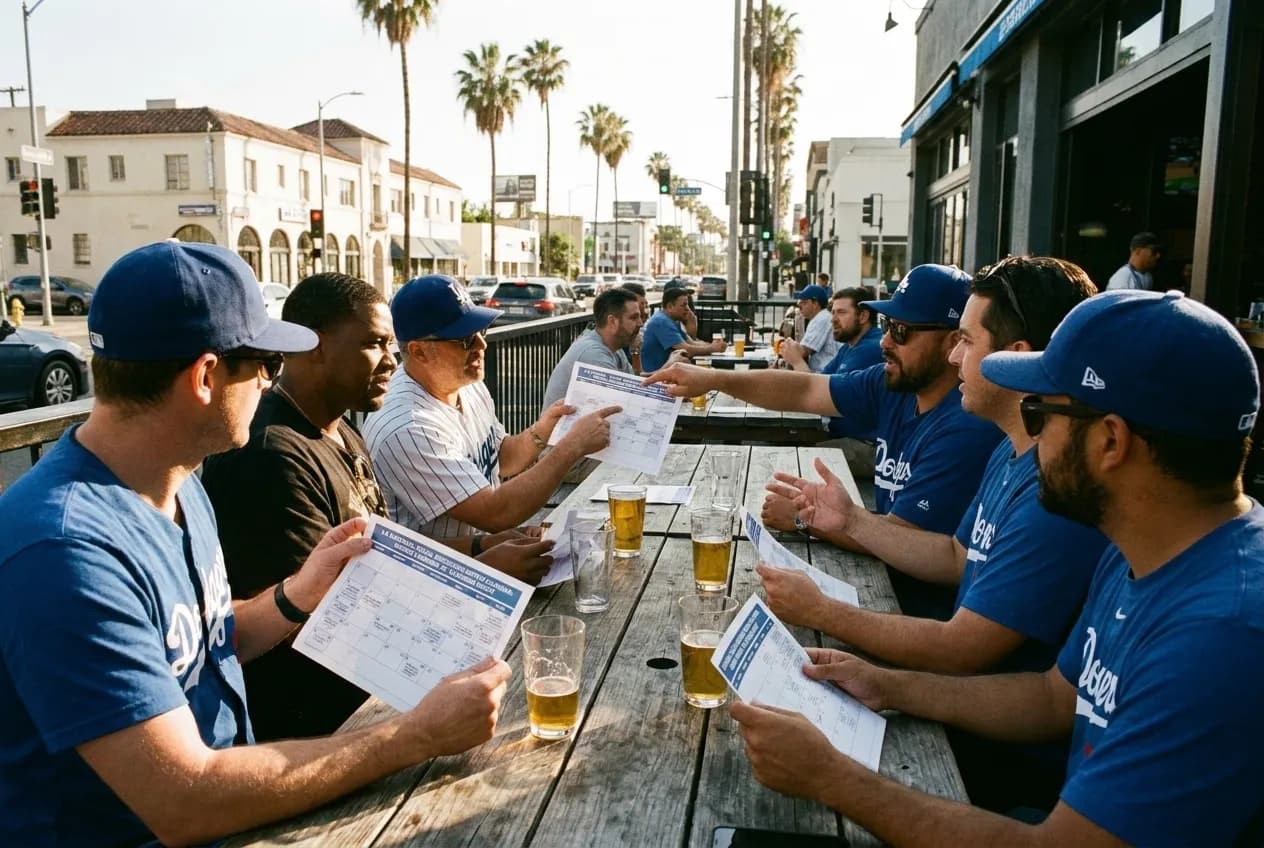
Some baseball discussion meetups operate on open-door policies where anyone can walk in during designated hours, while others require advance RSVPs to manage seating capacity or prepare discussion materials. RSVP systems vary: certain organizers use free event platforms with simple sign-ups, others request email confirmations, and a few employ ticketing services that charge nominal fees to cover venue costs or refreshments. Fans should clarify whether RSVPs guarantee entry or simply help organizers estimate attendance, since popular sessions occasionally reach capacity and turn away walk-ins. Cancellation policies also differ—some groups appreciate courtesy notices if plans change, while others maintain waitlists that benefit from last-minute openings.
Expertise expectations shape the comfort level of newcomers. Beginner-friendly groups welcome fans who follow MLB casually and want to learn more about coaching roles, organizational structures, and player development pathways without feeling intimidated by advanced statistics or insider jargon. Intermediate groups assume familiarity with basic baseball operations and dive deeper into coaching philosophies, minor league systems, and comparative analysis across franchises. Advanced sessions may attract former players, coaches, or analysts who debate nuanced strategic decisions and personnel moves. Reading group descriptions carefully—or reaching out to organizers with questions—prevents mismatches between personal knowledge and group intensity.
Sports Bar Venues Versus Community Spaces
Sports bars offer natural settings for baseball discussions, combining game broadcasts, food and drink options, and ambient energy that keeps conversations lively. Many bars in neighborhoods like Silver Lake, Pasadena, or Santa Monica host regular meetups, sometimes reserving sections or back rooms for organized groups. The tradeoff involves noise levels—crowded bars during peak hours can make focused discussion difficult, and competing game audio occasionally drowns out speakers. Fans who prefer structured dialogue may find quieter community spaces more conducive, though these venues typically lack the casual atmosphere and refreshment convenience of bars. Some groups rotate between both formats, holding introductory sessions in bars to attract newcomers and deeper dives in library meeting rooms or community centers.
Venue selection also affects cost. Sports bars generally expect attendees to order food or drinks, which can add $15 to $30 per visit depending on menu choices and happy hour timing. Community spaces often charge no entry fee but may request donations or require membership in sponsoring organizations. Public libraries and recreation centers sometimes host free discussion groups, though availability depends on room reservations and programming schedules. Fans balancing budget constraints with social preferences should weigh these factors, recognizing that bar settings encourage informal networking while structured spaces support note-taking and presentation materials.

Discussion Topics Beyond Individual Coaches
While specific coaching figures like george lombard jr serve as conversation hooks, robust baseball meetups expand into broader themes that enrich understanding. Coaching trees—the lineage of assistants who learn under influential managers and later shape other organizations—provide fertile ground for tracing philosophical evolution across decades. Player development pipelines, from international scouting to minor league systems to major league integration, reveal how coaching staffs collaborate to maximize talent. Front-office dynamics, including the tension between analytics departments and traditional scouting, offer insight into decision-making processes that affect roster construction and in-game strategy. Groups that explore these interconnected topics deliver more comprehensive learning experiences than those fixated on single personalities.
Seasonal timing influences discussion focus. Early in the baseball season, meetups often emphasize spring training observations, roster decisions, and opening series performance. Mid-season conversations shift toward trade deadline speculation, playoff race implications, and coaching adjustments as teams respond to injuries or slumps. Offseason gatherings dissect managerial hirings, coaching staff changes, and organizational philosophy shifts. Fans attending multiple sessions throughout the year gain longitudinal perspective on how coaching impacts unfold, rather than snapshot impressions from isolated meetings. This rhythm rewards consistent participation while remaining accessible to newcomers who join at any point.
Verifying Current Schedules and Group Continuity
Baseball discussion meetups face continuity challenges that affect long-term planning. Organizers relocate, venues change policies, and group dynamics shift as core members move or lose interest. A meetup thriving in spring may dissolve by fall, or a dormant group may suddenly reactivate under new leadership. Prospective attendees should verify current status before committing travel time, especially for groups discovered through outdated online listings or secondhand recommendations. Contacting organizers directly via email or social media, checking recent activity on event pages, and reading participant reviews help confirm that groups remain active and welcoming. This verification step prevents wasted trips to venues where meetups no longer occur or have changed formats significantly.
Public event calendars provide starting points but rarely capture the full landscape of niche sports discussions. The Discover Los Angeles events calendar lists major concerts, festivals, and cultural happenings but typically omits small-scale meetups. LA Parks events may include recreational sports but not discussion groups. Fans serious about connecting with baseball social circles often join dedicated online communities, follow local sports media personalities who promote meetups, or visit sports bars known for hosting regular gatherings. Building a personal network of fellow enthusiasts yields the most reliable information about which groups maintain quality discussions, which welcome newcomers warmly, and which align with individual schedules and interests. This grassroots approach requires patience but delivers richer social connections than passive calendar browsing.
Tags: #baseballmeetupsLosAngeles #MLBcoachingdiscussiongroups #sportssocialeventsLA #baseballstrategymeetups #weekendbaseballfansgatherings #LAsportsbarsbaseball #coachingphilosophydiscussions #playerdevelopmenttalks #baseballenthusiastsnetworking #Metroaccessiblesportsevents
Sources consulted: Source 1: laparks.org · Source 2: metro.net · Source 3: discoverlosangeles.com · Source 4: lacity.gov
All trademarks are the property of their respective owners.
Ask Karpo first
Ask Karpo to turn this Los Angeles idea into a current plan for your date, budget, companion, transit preference, and energy level. Karpo can narrow the route and flag what to verify before you go.