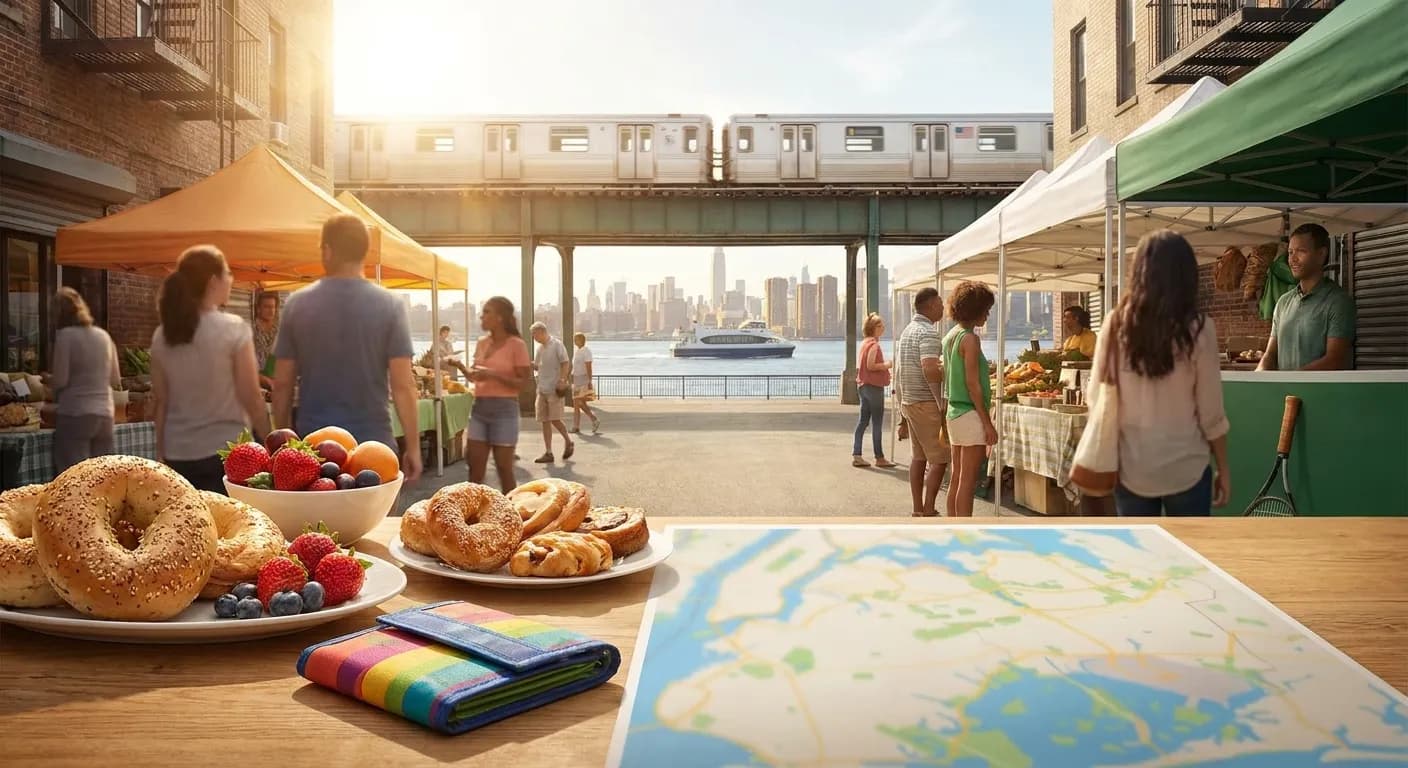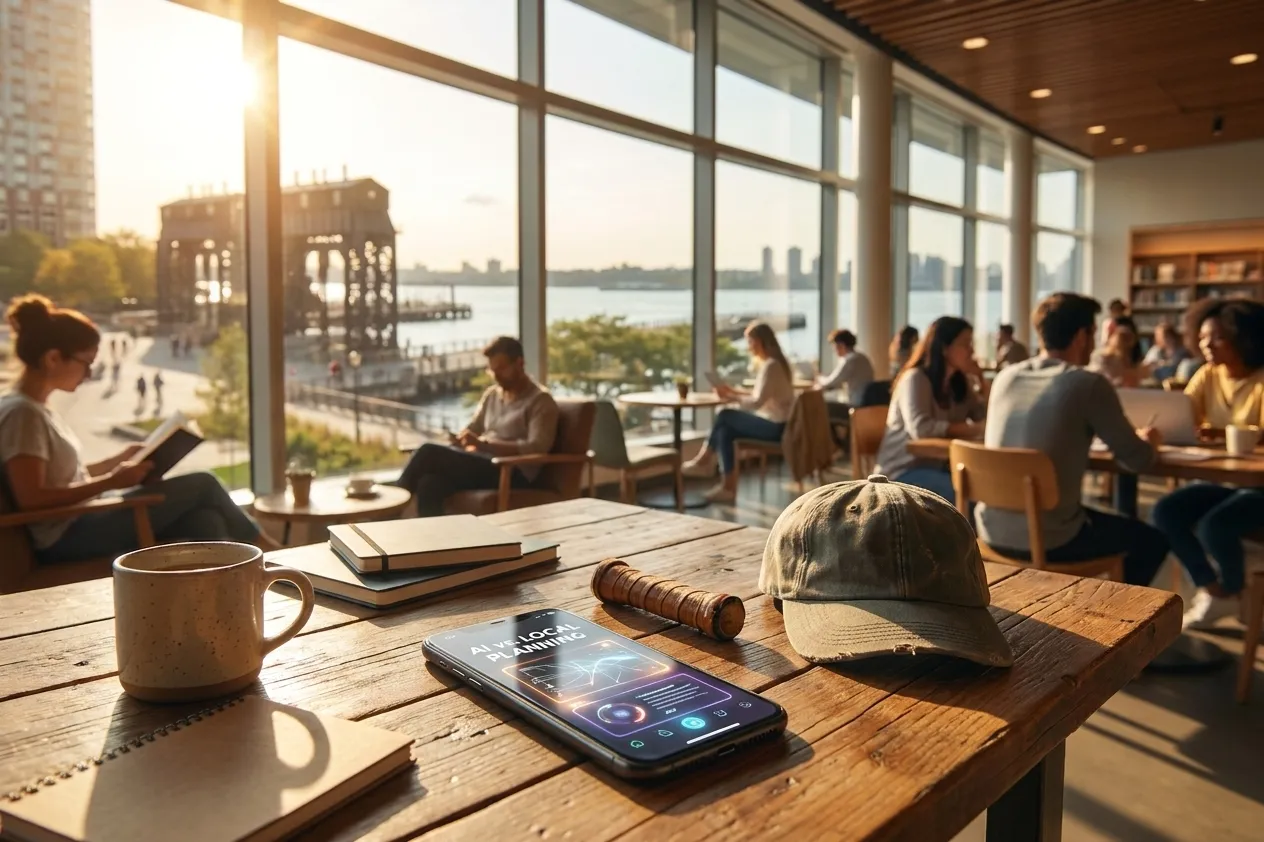
Gemini AI and similar large language models promise instant travel plans: ask for a US Open weekend itinerary and you'll receive a tidy list of landmarks, meal windows, and transit suggestions in seconds. But anyone who has tried to follow a generic algorithm through Flushing Meadows Corona Park on a tournament Saturday knows that real-world Queens moves faster, smells better, and rewards the kind of hyper-local detail that no training dataset fully captures. The 2026 US Open will draw hundreds of thousands of visitors to the Billie Jean King National Tennis Center, and the difference between a smooth, memorable weekend and a frustrating scramble often comes down to whether you layered AI convenience with genuine neighborhood intelligence.
Text Karpo with your US Open session time and Queens starting point, and we’ll turn this local recommendations idea into a practical local plan.

What Gemini AI Gets Right About US Open Logistics
Large language models excel at synthesizing publicly available schedules, transit maps, and venue policies. Ask Gemini AI to outline a day trip to the US Open and it will correctly point you toward the 7 train, remind you to check the official prohibited-items list, and suggest arriving early for popular sessions. It can draft a skeleton timeline—breakfast, travel buffer, match windows, dinner—and flag obvious bottlenecks like evening rush hour on transit. For first-time visitors who need a structural starting point, that kind of instant scaffolding is genuinely useful. The model draws on the same official sources any careful planner would consult: the usopen.org event schedule, the MTA service-status page, and the visitor A-Z guide. It won't invent a gate that doesn't exist or tell you to bring a cooler when outside food rules are strict.
Where Algorithmic Itineraries Fall Short
The trouble begins when you need texture. A language model can tell you that Flushing is close to the tennis center, but it won't know which side streets offer shaded benches on a hot afternoon, which bakery counter moves fastest when you're racing back for an evening session, or how the pedestrian flow shifts once Arthur Ashe Stadium empties. It can't taste the difference between two dumpling shops three blocks apart, and it won't remember that the northwest corner of the park fills with food trucks that may or may not accept card payments depending on the vendor. AI-generated plans tend to cluster recommendations around the same handful of high-visibility landmarks—the Unisphere, the Queens Museum, the New York Hall of Science—without accounting for crowd density or whether a given attraction makes sense when you're carrying a backpack and sunscreen and have only a short window between sessions.
Layering Local Knowledge Into Your Tennis Weekend
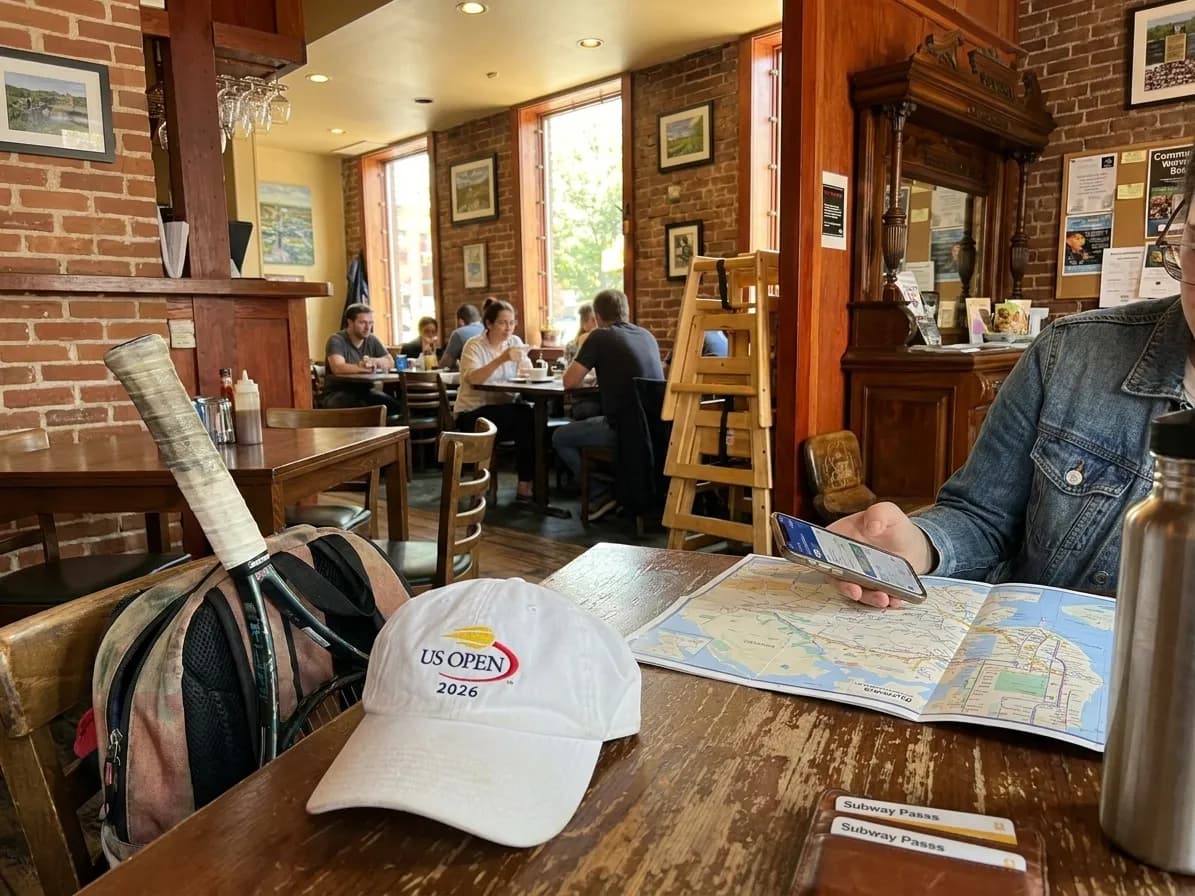
Smart planning starts with the AI skeleton but adds muscle from people who know the neighborhood. If you're staying in Astoria or Long Island City, ask a local friend—or a service that taps local insight—which morning coffee counter has the shortest line, which blocks offer easy access to the N or W train, and whether it's faster to walk to the 7 at Queensboro Plaza or catch a bus down Northern Boulevard. If you're planning a pre-match meal in Jackson Heights, neighborhood regulars can steer you toward the taco truck that parks near the library on weekend mornings or the roti shop that wraps orders quickly enough to keep you on schedule. These details don't appear in training data because they shift with the season, the day of the week, and the tournament calendar itself.
Timing, Crowds, and the 7 Train Reality
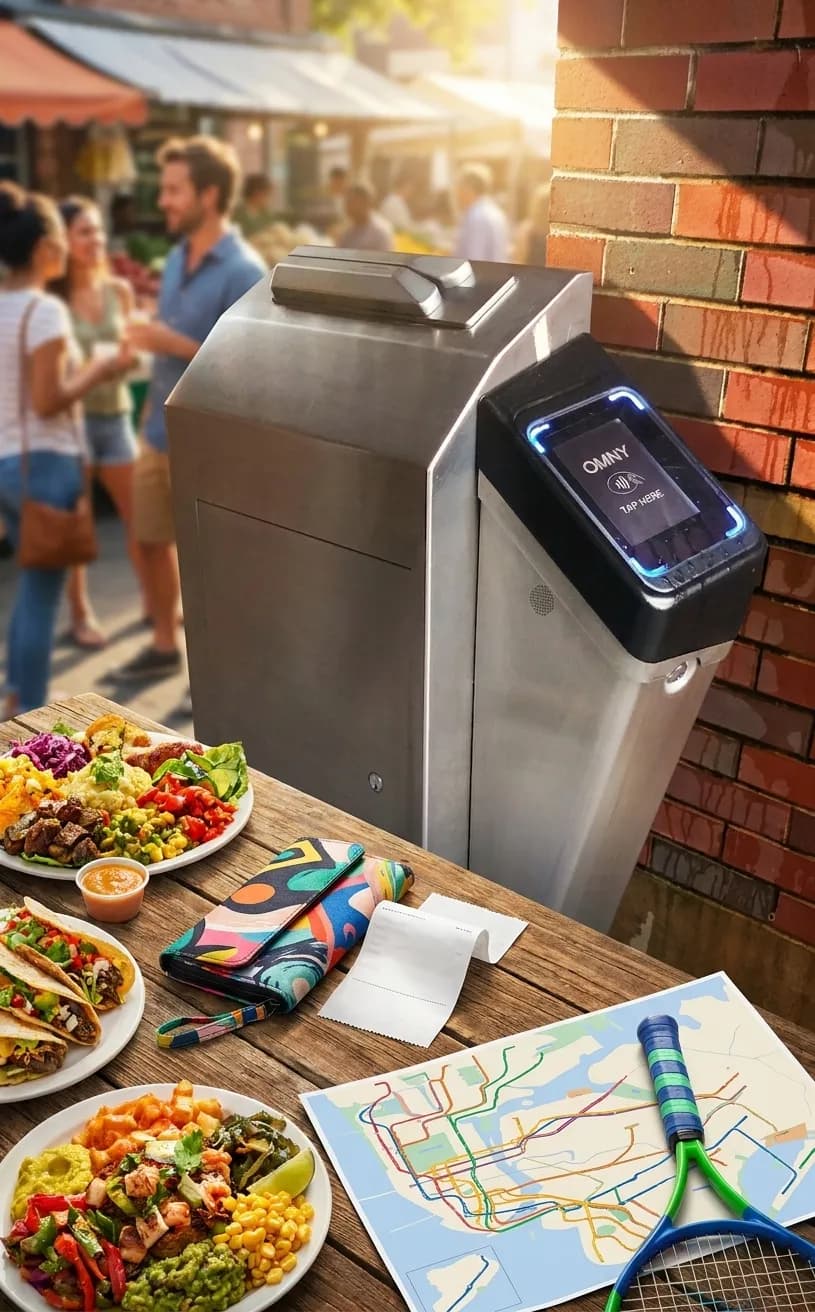
Gemini AI will correctly identify the 7 train as the primary transit artery to the Billie Jean King National Tennis Center, but it can't predict how packed the Mets–Willets Point platform will be after a marquee match ends, or whether track work on a given weekend will add time to your trip from Grand Central. Local knowledge means checking the MTA service-status page the night before, knowing which car positions on the platform put you closest to the exit ramp, and having a backup plan—express bus, rideshare pickup zone, or even a walk to the 111th Street station—when the crowd is three-deep at the turnstiles. It also means understanding that the official transportation-directions page offers the cleanest route but not necessarily the most comfortable one during peak hours.
Food, Hydration, and the Prohibited-Items Puzzle
The official prohibited-items guide is clear about what you cannot bring into the tennis center, but it doesn't tell you where to grab a quick, affordable bite before you pass through security, or which nearby delis stock the kind of snacks that travel well in a small bag. Local recommendations help you identify the grocery on Roosevelt Avenue that opens early, the juice bar in Flushing that pours large cups without a long wait, or the corner store that sells refillable water bottles if you forgot yours. Inside the venue, food and beverage options are available; knowing your pre-entry fueling strategy makes a long day more comfortable and keeps your budget predictable.
Practical Notes for Blending AI Speed and Local Texture
- Use a language model to draft a rough timeline—session start, travel windows, meal breaks—then refine it with neighborhood-specific details from local sources or friends.
- Cross-reference AI-generated transit suggestions with the live MTA service-status page on the morning of your visit; planned work and unplanned delays both happen.
- Check the usopen.org event schedule and visitor A-Z guide directly for gate-opening times, bag policies, and accessibility services; these details update closer to the tournament.
- Ask locals or local-planning tools which blocks near the 7 train offer quick, quality food options that won't add time to your commute.
- Verify any museum, library, or park hours on official sites the day before; summer schedules and special events can shift availability.
- Pack a small, soft-sided bag that meets venue guidelines and leaves room for a water bottle, sunscreen, and a light layer for air-conditioned indoor courts.
Building Your Own Hybrid Planning Workflow
The smartest approach treats AI as a research assistant, not a tour guide. Start by asking Gemini or a similar model to outline the official logistics: gate times, transit options, prohibited items, and a rough schedule. Then overlay that framework with local texture—ask a Queens resident which coffee shop opens earliest, consult the Queens Public Library calendar for weekend programming that might affect parking or foot traffic, and scan neighborhood forums for recent construction or street-fair schedules that could reroute your walk. The result is an itinerary that moves at algorithm speed but feels like it was drawn by someone who actually lives three stops down the 7 line. When you arrive at the tennis center on time, fed, hydrated, and aware of your backup transit options, you'll know the hybrid model worked.
Why Local Recommendations Still Matter in the Age of AI
Large language models will continue to improve, ingesting more data and offering more nuanced suggestions. But the lived experience of a neighborhood—the smell of fresh bread on a Saturday morning, the unwritten rule about which subway car to board, the friendly nod from a vendor who remembers your order—remains outside the reach of any algorithm. Queens during the US Open is a dynamic, sensory, deeply human environment, and the best weekends happen when you combine the efficiency of AI-generated structure with the warmth and specificity of local knowledge. Whether you're a first-time visitor or a returning fan, that blend turns a good trip into a great one, and a generic itinerary into a story you'll want to tell.
Tags: #USOpen2026 #Queens #FlushingMeadows #KarpoFinds #Karpo #geminiai #NewYorkLocal #TennisTravel
Sources consulted: usopen.org — Official event schedule · usopen.org — Official visitor A-Z guide · usopen.org — Official transportation directions · usopen.org — Official prohibited-items guide · Queens Public Library · MTA — Official service status
All trademarks are the property of their respective owners.