New York City kitchens run on shelf-stable ingredients: the garlic powder behind a slice-shop sauce, a halal-cart marinade, a restaurant prep station, or a weeknight pot of beans. On July 15, 2026, Canadian officials posted a recall for Heavenly Spices brand Garlic Powder because of Bacillus cereus, with Dollarama listed as the recalling firm. That notice is Canadian, not an FDA-posted U.S. recall, but it matters in NYC because spices move through luggage, online orders, small import channels, and shared pantries. As of July 22, 2026, the smarter move for households and restaurants is not panic; it is a fast, documented pantry audit that can be reused for any spice recall.
Text Karpo if you want a quick recall-check checklist for your apartment pantry, restaurant dry storage, or shared commissary shelf. Ask Karpo to turn a product photo, UPC, and lot code into a simple yes-or-no audit note.
What the Current Garlic Powder Notice Actually Says
The current garlic powder notice most relevant to this pantry check is from the Canadian Food Inspection Agency and the Canada recalls portal. It identifies Heavenly Spices Garlic Powder, 70 g, UPC 6 67888 50634 7, with the code “BB : 2029 JAN 30 GP 30ZV PIT.” The issue is listed as microbial contamination involving Bacillus cereus, the recall class is Class 2, and the official instruction is not to use, sell, serve, or distribute the affected product.
Dollarama’s own product-recall page also lists the Heavenly Spices garlic powder recall dated July 15, 2026, and tells customers to stop using recalled products and contact customer service with a picture of the product and lot number. For NYC readers, the key distinction is jurisdiction: this notice describes distribution in Canada and online. Do not assume every garlic powder jar in New York is affected; match the brand, size, UPC, and code before taking action.
Why NYC Homes and Restaurants Should Still Check the Spice Shelf
A Canadian recall can still be relevant in New York because pantry items cross borders in ordinary ways. A Queens family may have brought spices back from a trip to Montreal. A Brooklyn pop-up might use ingredients purchased online. A shared commissary kitchen may have donations, staff-bought backups, or unlabeled refill containers. Garlic powder is especially easy to overlook because it is dry, cheap, and often decanted into squeeze shakers or deli containers.
The FDA’s consumer recall guidance explains that recall notices usually include product name, packaging, UPC, product codes, dates, label photos, and distribution information. That is the checklist NYC kitchens should use. If the jar does not match the recall identifiers, do not create a false alarm. If it does match, remove it from use immediately, even if the package looks normal and has not expired.
A 15-Minute Pantry Audit for Apartments, Roommates, and Family Kitchens
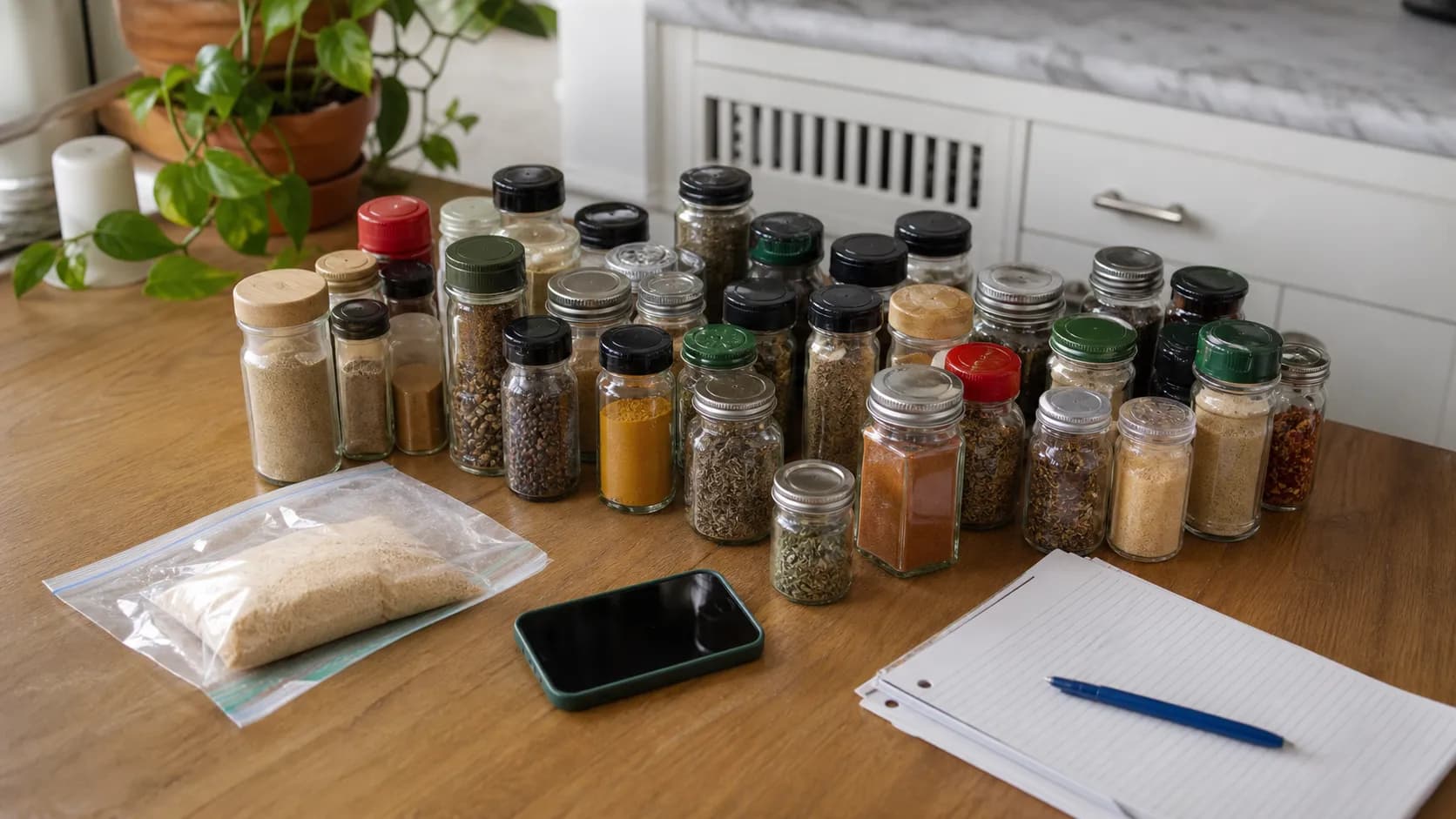
Start with one clean counter, a phone, and a trash bag or sealable bin. Pull every garlic powder container from cabinets, spice racks, backup shelves, tote bags, and delivery overstock. Include blends that may have been refilled from a bulk container, but separate them from sealed retail packages. Photograph front labels, UPCs, best-before dates, lot codes, and any receipt or order history you still have. Then compare each item against the official recall notice, not a social post or cropped screenshot.
If you find a match, do not taste or cook with it “just to be sure.” Put the product in a sealed bag, label it “recalled—do not use,” and keep it away from food-prep surfaces until you return or discard it according to the notice. If powder has spilled, clean the area without spreading dust across utensils or open food. FDA consumer guidance says contaminated recalled food should be securely wrapped before trash disposal when return is not available.
Restaurant Workflow: Stop Use, Isolate, Log, Then Notify
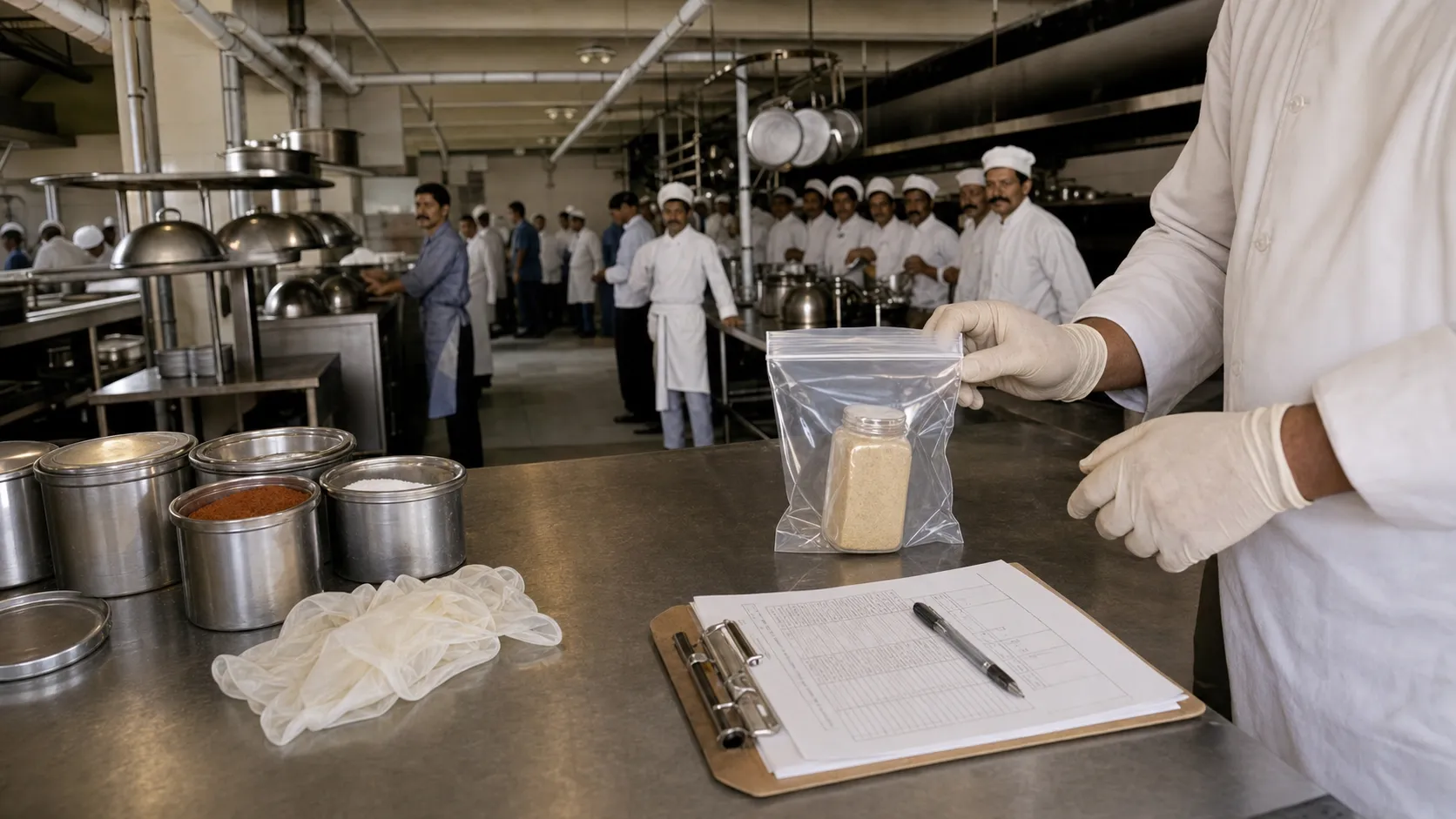
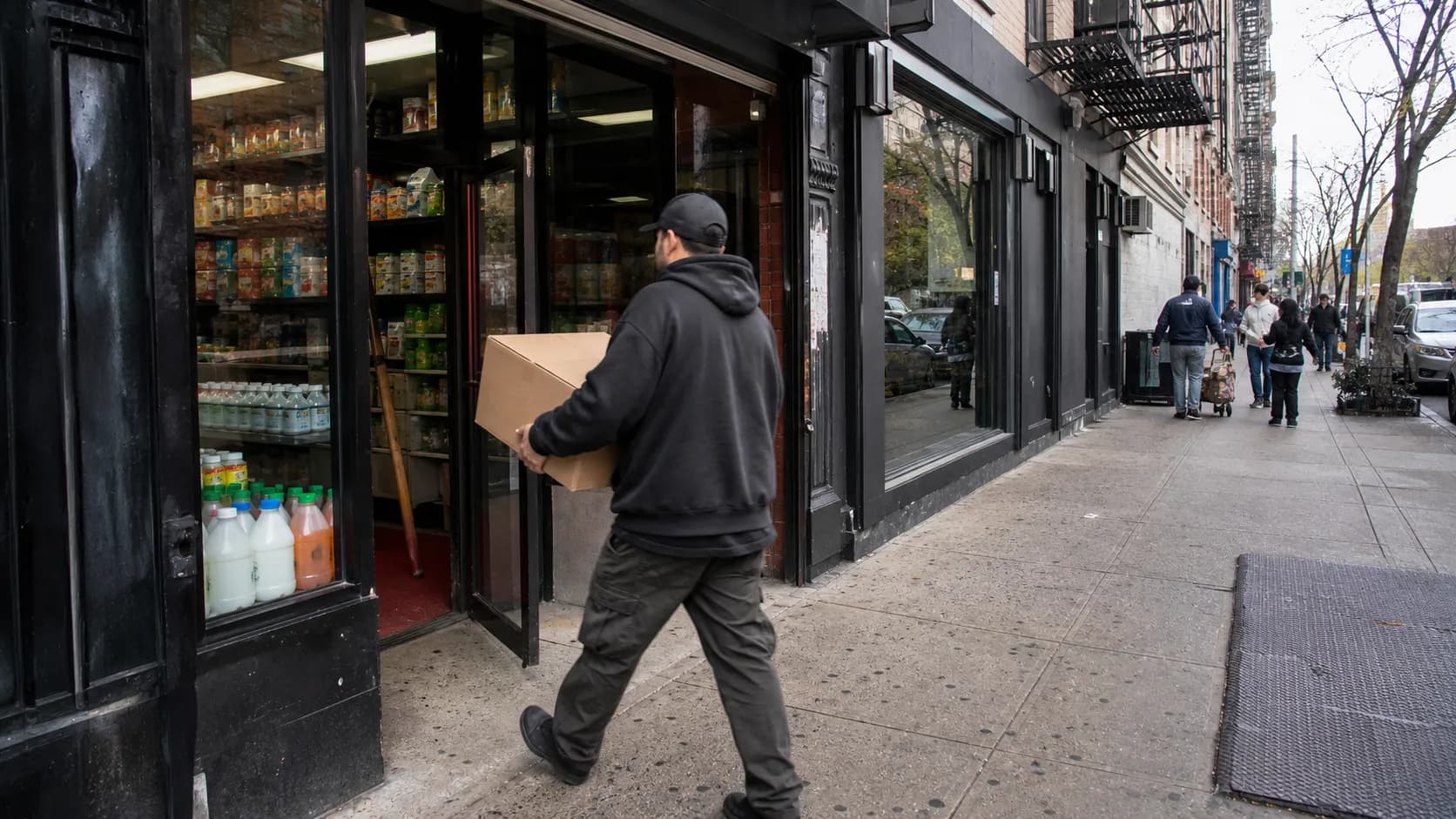
For restaurants, cafés, ghost kitchens, caterers, bars with food programs, bodegas with prepared foods, and commissary users, the first step is a stop-use order that staff can understand during service. Pull any suspected garlic powder from the line, prep room, dry storage, staff meal area, and off-site storage. Put it in a marked quarantine container that cannot be confused with usable product. A manager should record the date and time found, product identifiers, quantity, supplier, invoice number, and where the product had been stored.
Next, contact the supplier or platform that sold the item and ask for written instructions on return, credit, destruction, or pickup. If the product came through a broadline distributor, ask whether they have a lot-level recall notice and whether your account received affected inventory. Keep emails, screenshots, call notes, and disposal photos in a recall folder. This is not just bookkeeping; it helps a small operator prove the product was removed and prevents reordering the same affected stock.
Do Not Let Decanted Spices Hide the Lot Code
The hardest part of a spice recall is often not the recall itself; it is the unlabeled shaker. Many NYC kitchens pour garlic powder into clear containers for speed, then toss the original package. That practice makes lot tracing difficult. Going forward, tape the original label panel or a handwritten lot-code card to the storage bin, or keep a dated “spice receiving sheet” with brand, supplier, UPC, lot code, and opening date.
For home cooks, the same habit can be simple: when you decant a spice into a nicer jar, take a photo of the original package and keep it in a phone album called “pantry labels.” For restaurants, use a first-in, first-out setup and avoid mixing old and new garlic powder in the same container. Combining lots can turn one recall check into a full-bin disposal.
Cleaning After a Dry-Spice Recall Without Overreacting
Dry spices do not splash like raw poultry juice, but powder travels. If an affected product was opened, clean the shelf, scoop, shaker exterior, prep table, and any container that touched the powder. FDA consumer recall guidance recommends washing and sanitizing surfaces and utensils that may have contacted contaminated foods, followed by handwashing. For restaurants, use the sanitizer approved for your operation and follow label concentration and contact-time directions.
Do not donate recalled garlic powder, send it home with staff, use it for animal food, or save it for nonfood experiments in the kitchen. A recall removes a product from circulation. If the item was used in finished food, restaurants should pause service of those batches and contact the supplier, their internal food-safety lead, or the appropriate regulator for next steps. Avoid making public claims about illness unless they are confirmed.
Where NYC Operators Should Watch for Updates
FDA’s recall page is still essential for New York kitchens because many spice, powder, sauce, and shelf-stable food recalls in the U.S. appear there. FDA notes that not every recall is posted on the public recalls page, so supplier notices matter too. New York State Agriculture and Markets says it oversees tens of thousands of food handling establishments and posts food safety alerts for Class I and II recalls. Restaurants should also keep distributor recall emails out of spam folders.
NYC food service establishments with inspection-process questions can use the Health Department’s Food Service Establishment Ombuds Office, while consumers can use 311 for food-related complaints. For illness concerns, follow public-health reporting channels and seek medical care when symptoms are severe or persistent. This article is a workflow guide, not medical advice; the decision to report, seek care, or discard related prepared food depends on facts that only the household, operator, supplier, or regulator may have.
Practical notes
Practical notes: For today, July 22, 2026, check garlic powder by exact identifiers before throwing away unrelated products. The recalled Heavenly Spices item is listed in Canada as a 70 g package with UPC 6 67888 50634 7 and code BB : 2029 JAN 30 GP 30ZV PIT. If you find it in NYC, stop using it, bag it, photograph the label and code, and contact the seller for refund or disposal instructions. Restaurants should keep a short recall log with product, amount, supplier, invoice, staff initials, action taken, and final disposition. Recheck refill bins, catering kits, employee-purchased spices, and online orders. Do not donate, serve, or redistribute recalled food.
Tags: #NYCFoodSafety #GarlicPowderRecall #NYCRestaurants #RestaurantSafety #PantryAudit #FoodRecall #SpiceRecall #BrooklynRestaurants #QueensFood #ManhattanDining #BronxEats #StatenIslandFood #SmallBusinessNYC #FoodService
Sources consulted: Canadian Food Inspection Agency recall notice for Heavenly Spices Garlic Powder · Dollarama product recalls page · FDA consumer guidance on food recalls · FDA recalls, market withdrawals, and safety alerts · FDA product recalls guidance for industry · New York State Agriculture and Markets food safety page · NYC Health Food Service Establishment Ombuds Office · CDC foodborne outbreak symptom timing reference
All trademarks are the property of their respective owners.
Ask Karpo first
Ask Karpo can help NYC cooks and operators organize a recall response without guessing: what to photograph, what to isolate, what to ask a supplier, and how to keep a clean record for the next inspection or internal food-safety review.