 Places To Eat Near Me in Williamsburg: Smorgasburg's Open-Air Vendors
Weekend Plans
From deep dish to dense blocks: things to do in Chicago’s NYC twin
A myth-versus-reality guide tailored for Windy City travelers
If you’re coming from Chicago, it’s easy to assume New York City is just a louder version of what you already know: big skyline, solid pizza, walkable neighborhoods, and a subway that gets you almost anywhere. But once you’re on the ground in NYC, you’ll find that the city’s density, transit, and cultural mix make everyday experiences—grabbing a slice, seeing a show, or crossing boroughs—feel very different from Chicago. This myth-versus-reality guide focuses on distinct, current 2026 NYC experiences that stand apart from home, so you’re not flying out just to recreate a weekend you could have had along the Lakefront Trail.
Planning a NYC weekend from Chicago and not sure what really feels “New York” anymore in 2026? Save this guide before you book anything, then share it with your travel group—use it as a reality check for your itinerary, a shortlist for what to reserve first, and a quick backup plan if the weather, crowds, or subway delays force you to pivot.
Myth: "NYC is just Chicago with more skyscrapers"
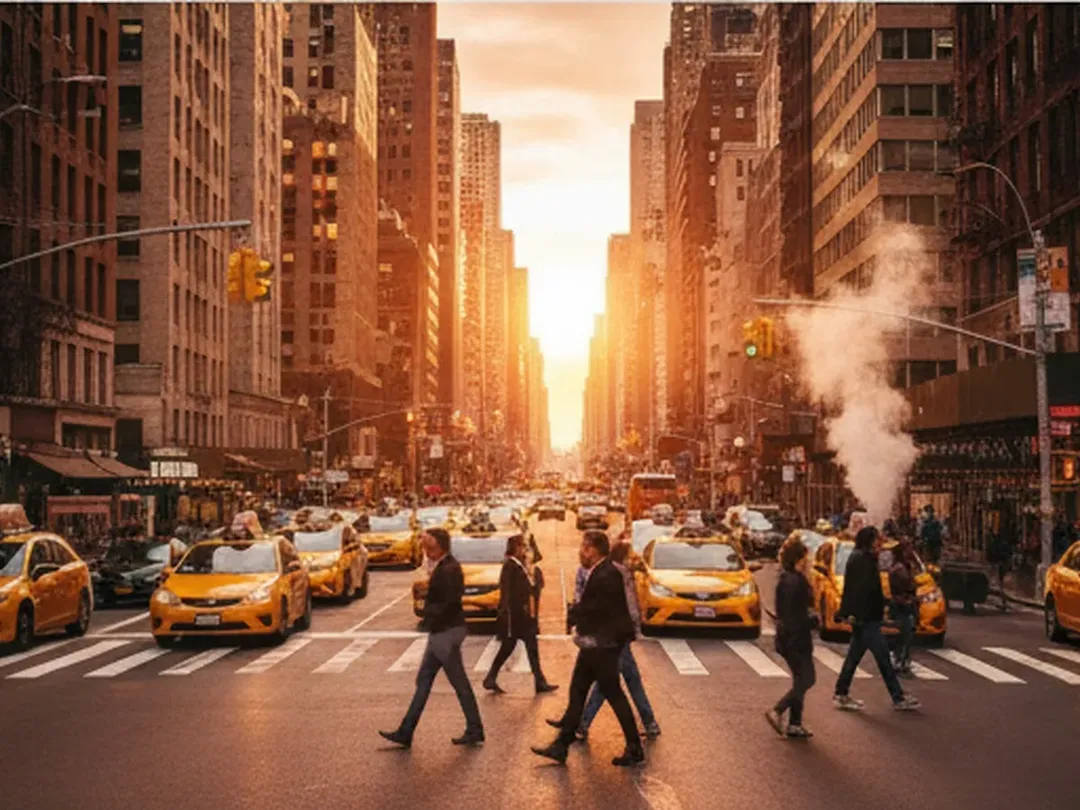
From afar, both cities look like classic American skylines; up close, New York’s sheer density changes how your day feels. Manhattan alone has over 1.6 million residents packed into about 23 square miles, far denser than Chicago’s core, which affects everything from sidewalk flow to how quickly neighborhoods change block by block. This means your NYC day can stack multiple, completely different vibes—historic brownstones, luxury retail, tiny parks, and riverfront views—within a short walk or subway ride in ways Chicago’s more spread-out grid rarely does.
To feel this difference, use one day as a “vertical city” sampler. Start around Midtown’s Bryant Park and Times Square to experience the near-constant foot traffic and bright commercial energy, then ride the subway downtown to the Financial District and walk up through Tribeca and SoHo. You’ll pass from glass office towers to cobblestone streets with cast-iron facades in under 30 minutes, something that would require multiple distinct neighborhood hops in Chicago. Because streets are busier and narrower, give yourself extra time between stops and always check a map for walking distances before assuming two places are “close.”
Backup strategy if the density feels overwhelming: plan a midday escape in a less vertical borough like Brooklyn or Queens. Neighborhoods such as Carroll Gardens or Astoria offer lower-rise streets, local shops, and quieter corners where you can recalibrate before diving back into Manhattan’s pace.
Reality: Neighborhood-hopping here feels like changing cities
While Chicago has strongly defined areas—Loop, River North, Wicker Park—New York’s borough structure and transit network make it easier to string several distinct neighborhoods into one day without driving. You might start in the artsy streets of Chelsea, wander through the West Village’s townhouses, then end in Williamsburg’s converted warehouses, all on foot or via short subway trips. Each neighborhood has its own micro-culture, restaurant scene, and street energy that can feel more like changing cities than crossing neighborhoods.
For an itinerary that highlights contrasts you won’t get back home, consider a three-stop day: morning in the Lower East Side’s cafes and galleries, afternoon in Queens for a food hall or waterfront park, and evening in Brooklyn for a rooftop bar or performance. The variety of languages you hear, architectural styles you see, and transit lines you use in a single day will underscore how different NYC’s patchwork feels from Chicago’s more unified grid. Because subway lines can be under repair or rerouted, always confirm current service on the MTA’s official website and leave room between reservations for possible delays.
If you prefer a slower pace, choose one borough and move smaller: spend the whole day in Brooklyn between neighborhoods like Dumbo, Fort Greene, and Park Slope, or stay in Queens between Long Island City, Astoria, and Jackson Heights. This keeps your day manageable while still delivering the feeling of hopping between distinct worlds—something that’s harder to do relying on cars or limited train lines back in Chicago.
Myth: "I can just swap Chicago attractions for NYC equivalents"
It’s tempting to treat New York as a checklist of equivalents: one major art museum instead of another, one observation deck instead of a Midwestern skyline view, one riverfront park instead of Chicago’s lakefront. But NYC’s cultural institutions are woven tightly into daily urban life, and many experiences—like catching emerging artists alongside world-famous names or seeing experimental theater in tiny venues—don’t have clean analogues in Chicago. Even if you’ve done big-ticket attractions at home, the way New York layers them into crowded streets and transit commutes creates a different feel.
Instead of mapping every Chicago favorite to a direct NYC counterpart, focus on what’s distinct about New York’s scene in 2026. That might mean prioritizing a museum wing featuring local contemporary artists, booking a show in an off-Broadway theater rather than only the biggest Broadway productions, or visiting a public art installation in a transit hub like Grand Central Terminal. Because schedules, exhibits, and show lineups change frequently, it’s important to check official museum and theater websites in advance for current hours, ticket availability, and any timed-entry requirements.
If something sells out or a venue feels too crowded for your taste, keep a shortlist of backup experiences that stay “New York” without duplicating home. For example, if your first-choice observatory is booked, consider walking one of the city’s bridges for skyline views or visiting a smaller rooftop overlook attached to a public space. Always re-confirm access policies on the official site or with on-site staff, as public spaces can close temporarily for maintenance or events.
Reality: NYC’s food scene goes far beyond pizza and bagels
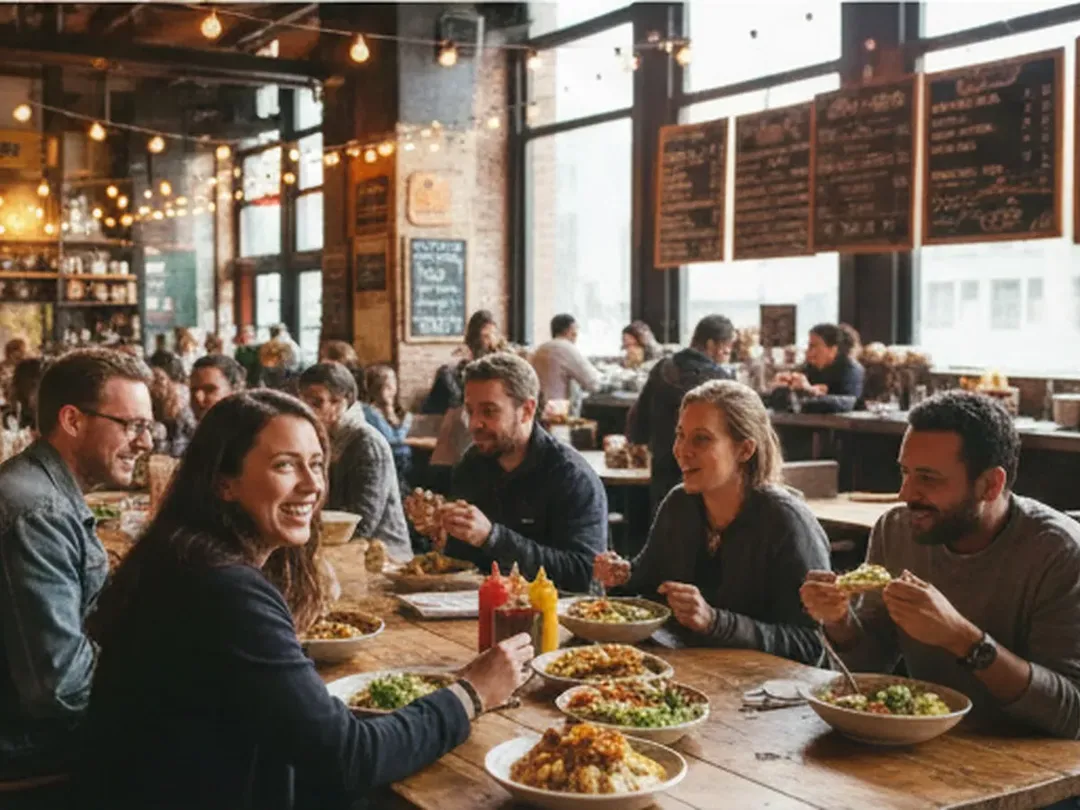
Chicago’s reputation for deep-dish and neighborhood staples is strong, but New York’s food scene is built on overlapping immigrant communities and rapid trends, which makes eating here a key way to experience the city’s distinct character. In Queens, for example, you’ll find dense clusters of cuisines from South Asia, Latin America, East Asia, and the Middle East within walking distance of each other, often at casual spots and food courts near transit stops. This everyday accessibility—stepping off a subway line and having dozens of regional options within a few blocks—is harder to replicate in most Chicago neighborhoods.
For a distinctly New York food day, plan around transit rather than reservations. Take the subway to a major hub in Queens or Brooklyn and explore nearby streets and food halls, many of which highlight local vendors with rotating menus. Because smaller operators can change hours, menus, or locations, verify the latest information on the venue’s official page or social accounts before you go. Where Chicago may lean more heavily on car trips or dedicated restaurant outings, New York often turns casual food exploration into part of your commute or neighborhood wandering.
To keep things flexible, build one “anchored” reservation—like a sit-down dinner or a special tasting—then leave the rest of your meals open for discovery. This way, if a place is unexpectedly closed or the line is longer than you’re willing to wait, you can pivot easily to another nearby option without losing the feel of exploring a food-rich city. Save locations as you go so you can share and revisit your personal favorites later.

Myth: "The subway works like the L, just bigger"
If you’re comfortable with Chicago’s L, the idea of New York’s subway might sound like a simple scale-up. In reality, NYC’s system is larger, older, and more complex, with express and local trains, overlapping lines, and frequent service changes due to construction or events. You’ll also find more extensive late-night service than in many cities, but not every line runs as often or to every stop around the clock, which can catch visitors off guard if they assume universal 24/7 coverage.
Treat the MTA as a living system you need to check frequently, not a static map you memorize once. Before heading out, confirm current service status on the MTA’s official site or app, paying special attention to planned maintenance that might skip your station or reroute trains. Unlike many parts of Chicago, walking between nearby subway stations to adapt to a change is common practice here and can save your day if a line is suddenly delayed. Because platforms and trains can be crowded, especially during rush hours and major events, allow extra time when traveling to reservations or ticketed experiences.
For late nights or cross-borough trips where transit feels confusing, consider combining subway rides with short taxi or rideshare hops to simplify the last mile. This hybrid approach can be more efficient than trying to force one direct route. Always double-check fare information, payment methods, and any current transit promotions on the official MTA site, as policies and pricing can change over time.
Reality: Even short trips can feel like a full New York story
Chicago visitors sometimes assume they need a long stay to “justify” the travel time to NYC, but the city’s density and transit options mean even a two- or three-day trip can feel full without being frantic. You can wake up in one borough, start your morning in a completely different neighborhood, and see art, eat well, and catch a view in between—all with public transit doing most of the work. This compactness is one of the biggest differences you’ll feel compared with Chicago, where spacing can make it harder to stack diverse experiences in a single day.
When building your schedule, think in half-day blocks instead of hour-by-hour plans. For example, dedicate a morning to one neighborhood cluster, like SoHo and the Lower East Side, and an afternoon to a completely different borough, like Queens or Brooklyn. Within each block, choose one anchor activity (a museum, a show, a major park) and leave room for unscripted browsing, coffee stops, or side streets that catch your eye. This approach respects the reality of crowding and possible transit adjustments while still giving you a strong sense of place.
Keep one weather-proof option in every half-day block—such as an indoor market, library, or gallery—so your plans don’t collapse if rain, heat, or cold intensify. Since events and pop-ups change frequently, verify dates, hours, and ticket rules on official event calendars or venue sites in advance, especially for limited-run installations or seasonal activities. Treat what you read from 2025 or earlier as historical context only; always rely on the most current 2026 details before you lock anything in.
Ask Karpo first
Tags: #weekendplans #nyctravel #chicagovisitors #thingstodoinchicago #nycneighborhoods #nycsubway #nycfood #tripplanning #NYC #KarpoFinds #AskKarpo
All trademarks are the property of their respective owners.
Ask Karpo first
Traveling in from Chicago doesn’t have to mean sticking to the same old checklist everyone else uses. Tell Karpo where you’re staying, when you’re in town, and whether you’re more “deep-dish night owl” or “early-riser museum hopper.” Karpo will turn that into a live, customized NYC plan: up-to-date transit options, neighborhood-specific food swaps, timed tickets links, and one realistic backup for every major stop—so your New York weekend doesn’t stall if one idea sells out or the weather flips.
Ask Karpo for more information.
Keep reading
- Places To Eat Near Me in Williamsburg: Smorgasburg's Open-Air Vendors
 Dinner Near Me in the West Village: Buvette's Tiny French Plates
 Best Restaurants Near Me in Midtown: Le Bernardin Holds Three Stars