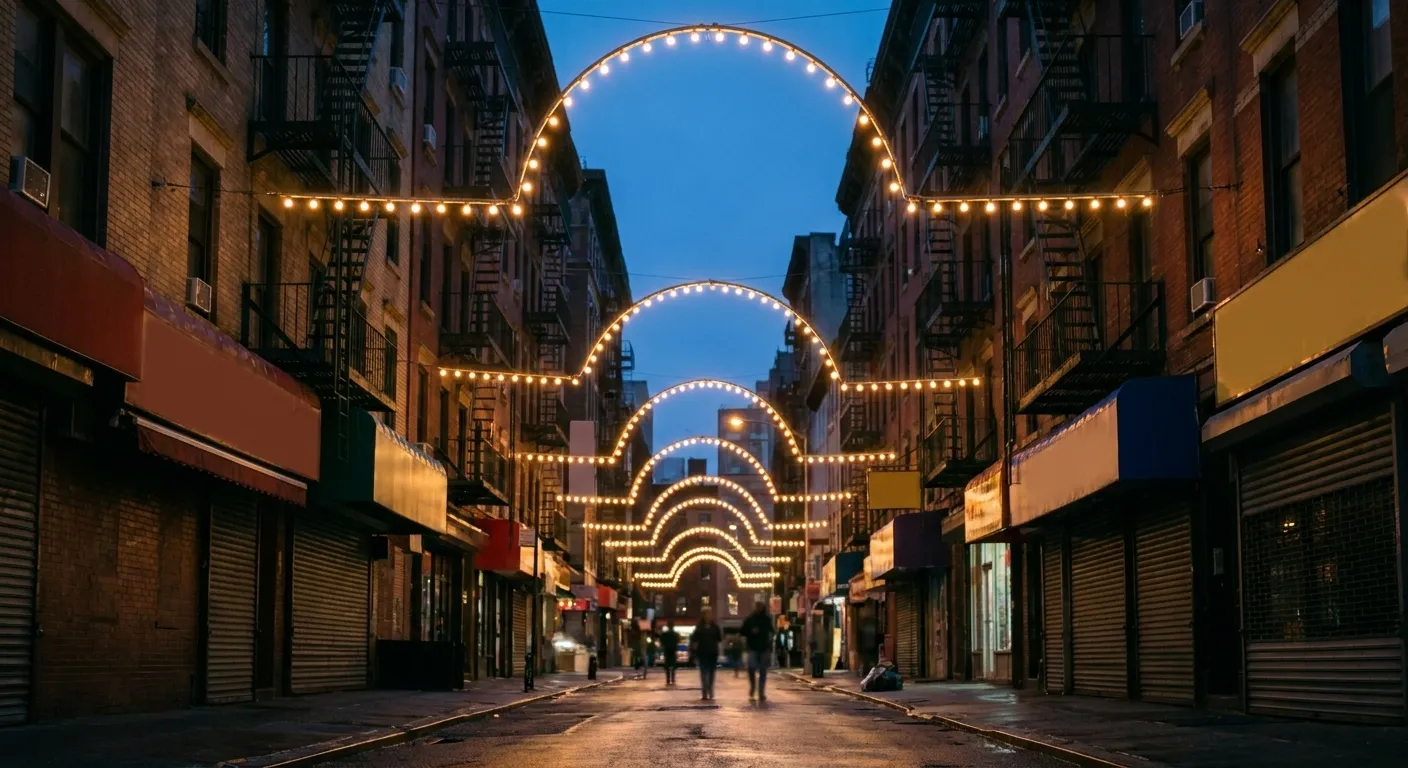
The Feast of San Gennaro runs September 17 through 27 this year, eleven days on Mulberry Street between Canal and Houston, spilling onto Hester and Grand, from half past eleven in the morning until half past eleven at night and later on Friday and Saturday. 2026 is the hundredth. There is no ticket and no gate: the entire thing is a street you can walk down, which makes it one of the largest free events in the city and one of the easiest to do badly.
A hundred-year-old street feast is worth an evening, but the difference between a good one and two hours of shuffling behind strollers is entirely about when you go and which end you start from. Tell Karpo which night you are free and whether you want the procession, the food or the quiet version, and it will time it for you.
What the hundredth year actually means
The feast began in 1926, started by immigrants from Naples who brought the devotion to their patron saint with them to Mulberry Street. It has run, with interruptions, ever since, and it is one of the few things in Lower Manhattan that has outlasted the neighborhood that created it. Little Italy today is a handful of blocks; the feast still fills them.
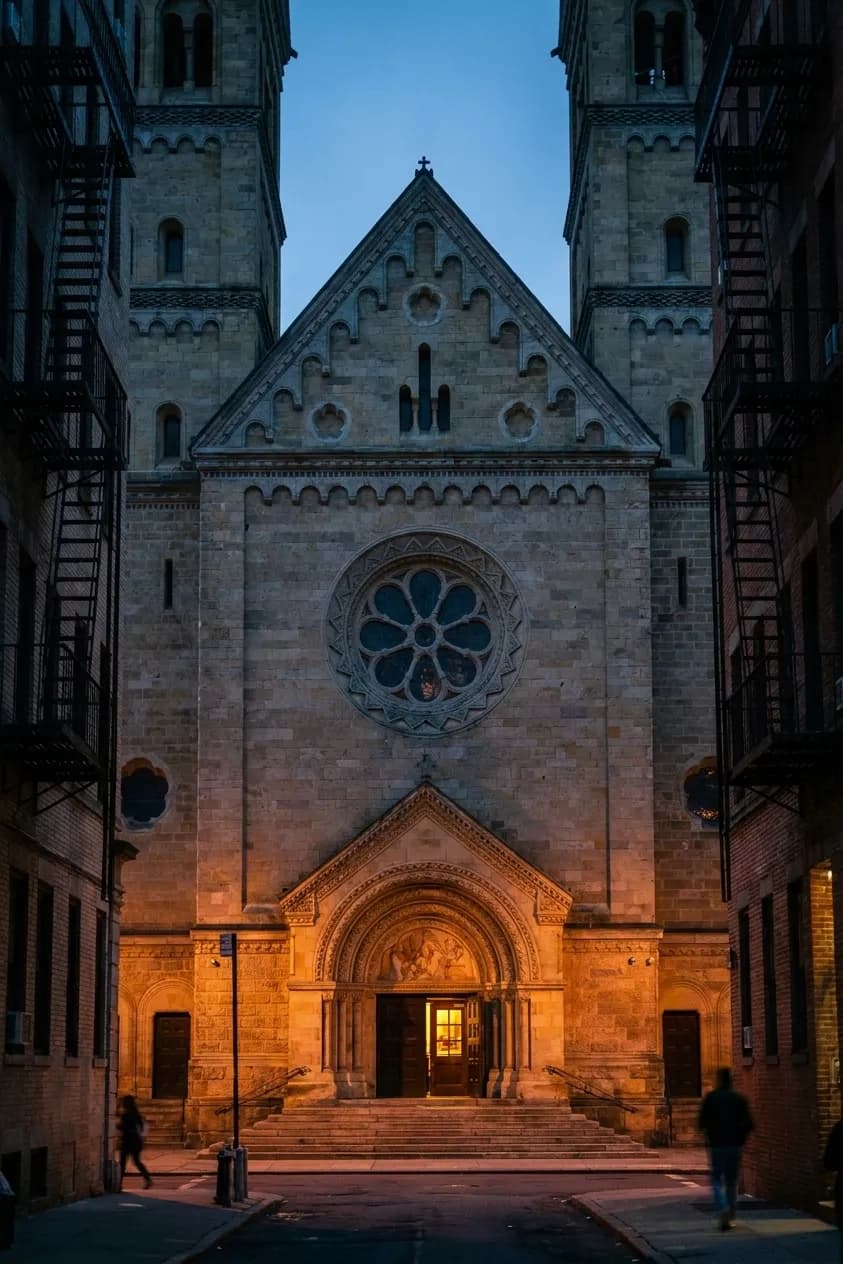
The centenary is a real anniversary rather than a marketing one, and the religious core of it is still there underneath the fried dough. Knowing that changes what you look at. The lights and the sausage stands are the surface. The church at the bottom of the street is the reason.
The two dates that are different from the other nine
The Solemn High Mass is on September 19 at two in the afternoon, and the Grand Procession is on September 26 at two, starting from the Shrine Church of the Most Precious Blood. These are the days when the feast is a feast rather than a fair.
The procession is the thing to see if you are only going once. A statue carried through streets by people who have carried it before, a brass band, and a crowd that includes families who have come every year for decades. It costs nothing, it takes about an hour, and it is a completely different event from the same street at nine at night.
Both are afternoon events, which also makes them the easiest to fit into a normal day.
Weeknights are the whole secret
The feast is open eleven days and the crowd is not evenly distributed across them. Friday and Saturday nights on Mulberry are shoulder-to-shoulder, moving at the pace of the slowest person in front of you, and largely not enjoyable unless being in a crowd is the thing you came for.
A Tuesday or Wednesday evening is the same street with room to stand in. The lights are the same, the stands are the same, the neighborhood is the same, and you can actually stop and look at something without being pushed along. If you have any flexibility at all, use it here - it is the single highest-value decision about this event.
Early evening on a weeknight, around six, is the sweet spot: lit up, running, not yet full.
Eating on Mulberry, honestly
The food on the street is festival food and should be judged as festival food. Sausage and peppers, zeppole, fried things on sticks, all cooked in volume at a stand that has been doing exactly this for years. Some of it is very good. None of it is a meal in the sense of sitting down.
The honest advice about the restaurants on Mulberry during the feast is that they are running at maximum capacity for eleven days with a queue outside, and that is not when any kitchen does its best work. If you want a proper Italian dinner in Lower Manhattan in September, book it for a night when the feast is not on, or walk a few blocks out of the footprint where the pressure drops off sharply.
The zeppole, though, are the point and they are meant to be eaten standing on the street out of a paper bag with too much sugar on them. Do not try to improve that.
Walk it from the wrong end
Most people enter from Canal Street because that is where the subway spills them out, and the first three blocks are consequently the most congested part of the entire feast. Coming down from Houston at the north end reverses that - thinner crowds, and you finish rather than start at the busiest point.
It also puts the Lower East Side at your back rather than in front of you, which matters because that is where you are going afterwards. The blocks east of Bowery are five minutes away and are having an ordinary evening, and a bar there at ten is the natural end of a feast night.
What is free and what is not
Walking the street, the lights, the bands, the mass and the procession are all free. The food and the games are not, and the games in particular are priced the way carnival games have always been priced.
The genuinely free version of this event is a good one: an hour walking a hundred-year-old street under lights, in a neighborhood that has been shrinking for fifty years and refuses to disappear. You can spend nothing and still have gotten the point of it. Eat afterwards, a few blocks east, sitting down.
Tags: San Gennaro, Little Italy, Mulberry Street, Lower East Side, free events, September, New York City
All trademarks are the property of their respective owners.
Ask Karpo first
Free does not mean unplanned. The difference between a great night at a street feast and a crowded slog is a couple of decisions about timing and direction that nobody tells you. Karpo knows which nights are calm, when the processions run and where to go once you have walked the length of it.