A free NYC planetarium plan usually starts with a catch: the dome show you picture may not be the free part. As of July 27, 2026, the better strategy is to separate indoor space learning, outdoor telescope viewing, and flexible museum admission before you promise a family an afternoon under the stars. The nasa connection is real in the subject matter, but local access depends on venue calendars, weather calls, ticket rules, and whether a program is a drop-in event or a timed reservation. Use this guide to build a low-cost astronomy day that can survive clouds, sold-out shows, tired kids, and transit delays.
Want a space plan that matches today’s weather, budget, and kid energy? Text Karpo before you leave, and ask for free astronomy options near your route.

Hayden Planetarium at AMNH: Treat the Dome as the Paid Upgrade
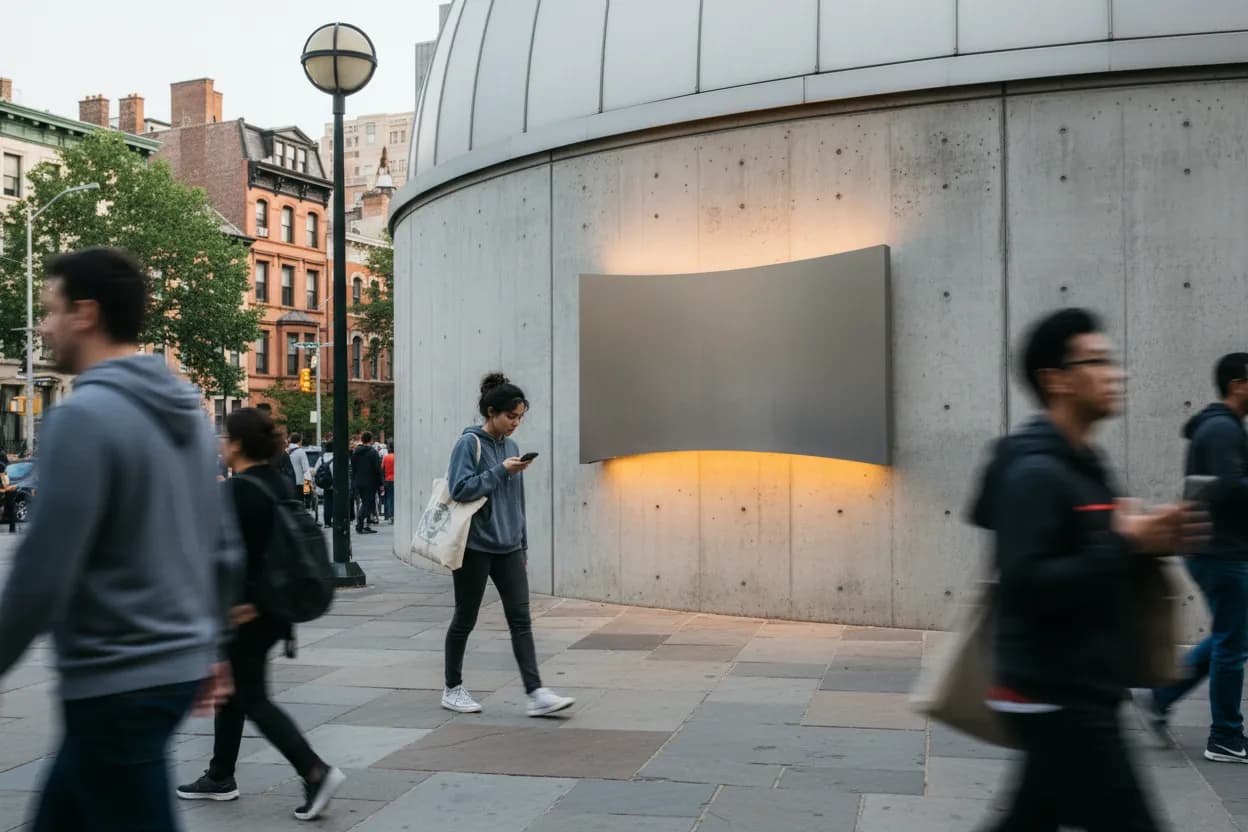
The Hayden Planetarium inside the American Museum of Natural History is the city’s flagship planetarium option, but visitors should not assume the space show is free. AMNH’s New York, New Jersey, and Connecticut resident admission policy can reduce the base museum cost through pay-what-you-wish admission, while special exhibitions, giant-screen films, and Space Show tickets are handled separately. That distinction matters for families comparing a museum afternoon with a truly free astronomy event.
The practical play is to use AMNH as the reliable indoor anchor, then decide at checkout whether the planetarium add-on is worth the cost that day. It fits kids, visiting relatives, and weather-sensitive plans because the Rose Center is accessible, central, and open in normal museum conditions. The failure mode is arriving with a “free planetarium” expectation; verify ticket categories, showtimes, and resident eligibility on AMNH’s site before leaving.
Rose Center for Earth and Space: Build a Free-Feeling Museum Route
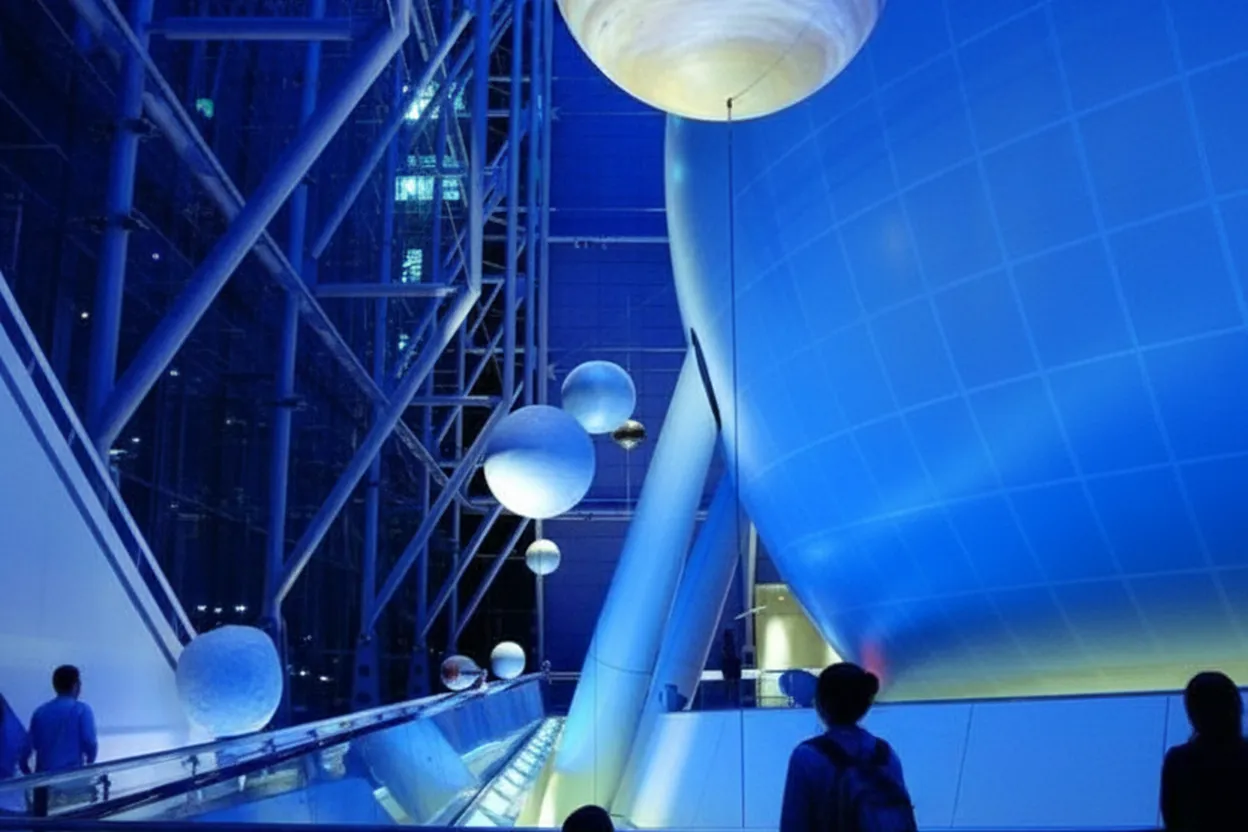
Even without a dome ticket, the Rose Center for Earth and Space can still carry a strong astronomy outing. The exhibitions around the Hayden Sphere give families a place to talk about planets, scale, galaxies, and the universe without depending on an outdoor sky. For a daytime plan, pair it with general museum admission rules and keep the visit short enough that younger kids do not burn out before the space exhibits.
This is the best choice when the weather is hot, rainy, smoky, or uncertain, and when someone in the group needs elevators, restrooms, seating breaks, and predictable indoor conditions. The tradeoff is crowding: school groups, weekend families, and timed-show traffic can make the area feel compressed. Check AMNH hours, accessibility guidance, current galleries, and ticketing language the same morning, because museum operations and add-on availability can change.

NYC Parks Astronomy Events: Use the Calendar, Not Memory
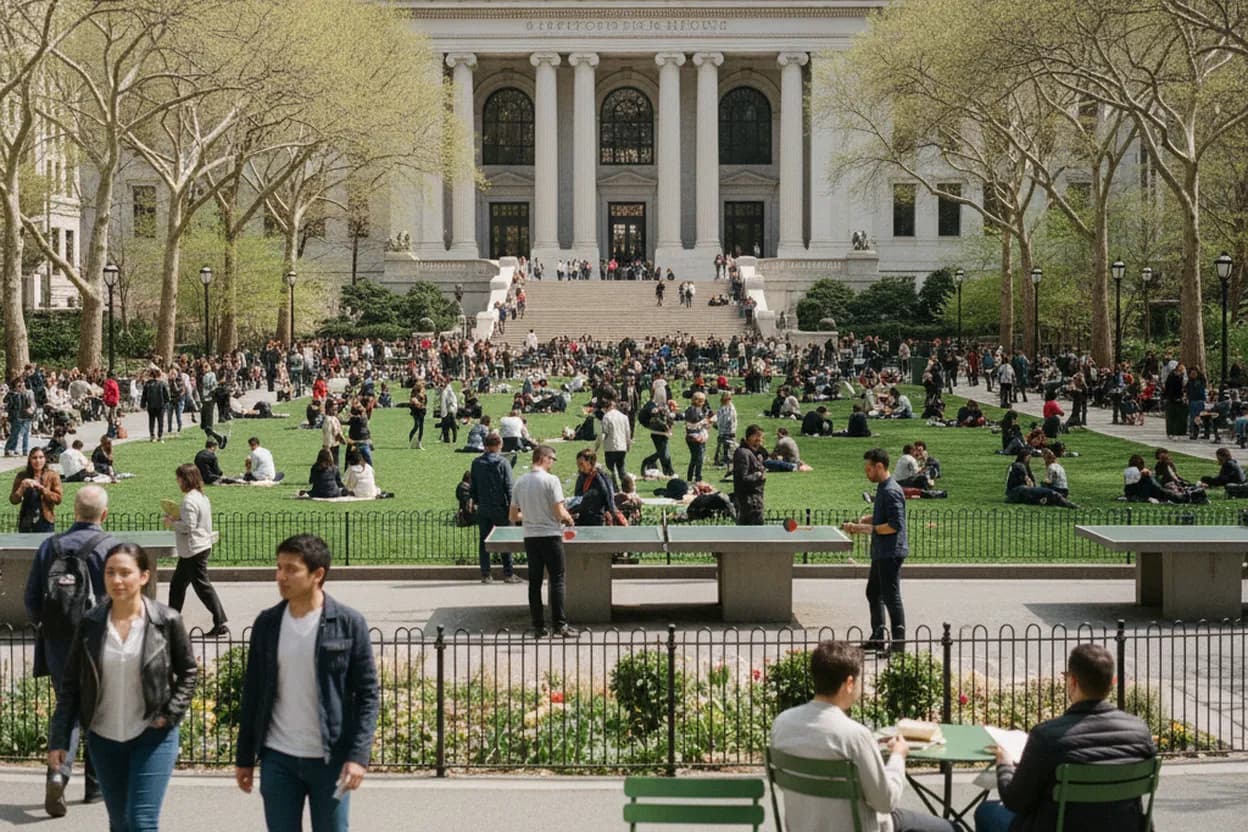
NYC Parks runs and lists astronomy programs through its events calendar, often tied to Urban Park Rangers or park-based partners. These are the closest thing to a classic free public stargazing plan: you show up at a park location, learn from staff or volunteers, and look through telescopes if conditions cooperate. The exact borough, meeting point, start time, and age fit are event-specific, so a saved old listing is not enough.
The strongest use case is a flexible evening plan for families who can tolerate a weather-dependent outcome. Clouds, rain, smoke, heavy haze, or a last-minute cancellation can turn a telescope night into a short walk home, so choose a park with bathrooms, transit nearby, and a backup food or indoor stop. Before leaving, open the live NYC Parks event page and confirm the date, location, free status, accessibility notes, and whether registration is required.
Amateur Astronomers Association: Pick Volunteer Telescope Nights Carefully
The Amateur Astronomers Association of New York is one of the city’s most useful sources for public observing, including sessions in parks, plazas, and waterfront locations when conditions allow. Volunteer-led events can be excellent because the people operating telescopes usually know how to explain what you are seeing in plain language. They are also not a substitute for a timed museum show; clouds and visibility decide whether the main event happens.
These outings are best for patient adults, older kids, and families who can arrive early, wait in a line, and accept a variable pace. Bring fewer expectations than you would to a ticketed attraction: the visible target might be the Moon, a planet, a bright star, or nothing if weather turns. Check the AAA calendar and the host site before departure, then recheck social or event updates close to start time.
Brooklyn Bridge Park Stargazing: Choose It for Views and Transit
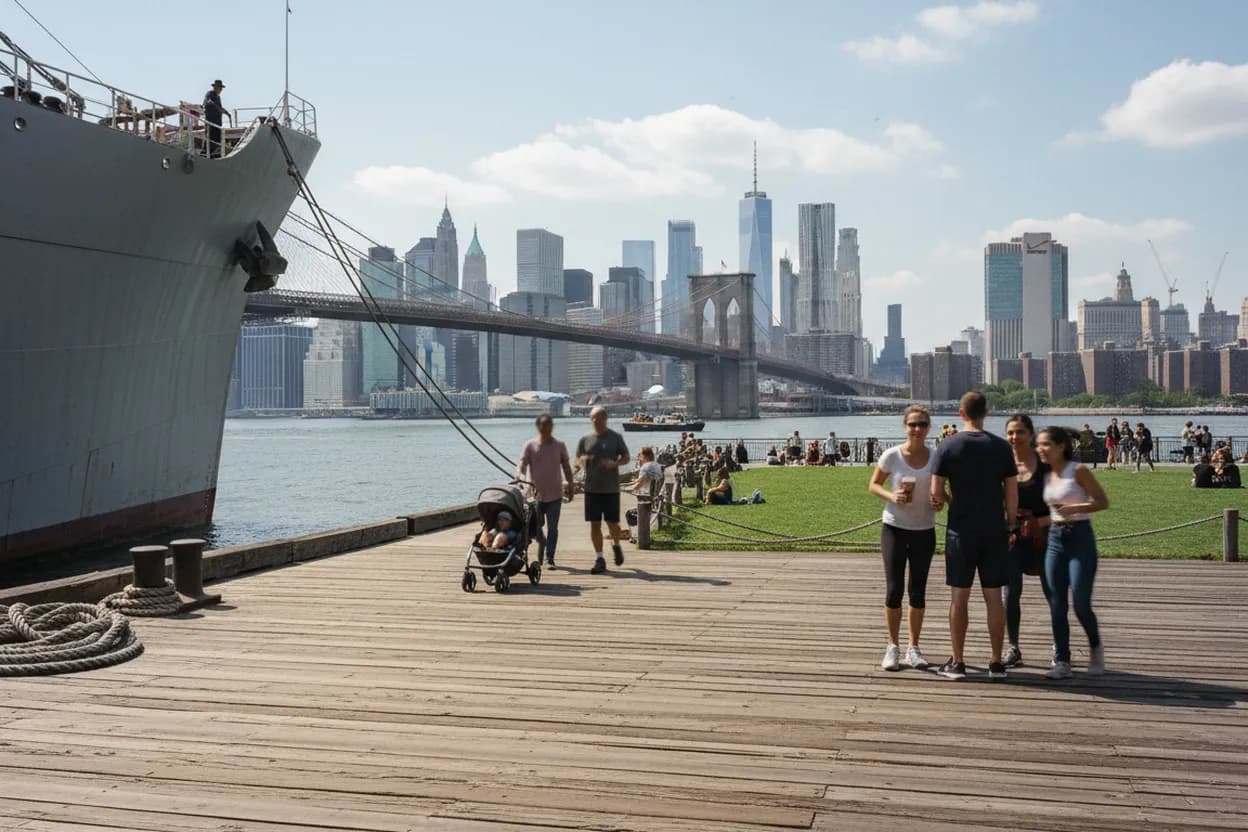
Brooklyn Bridge Park is a strong free astronomy candidate because its public programs can combine sky viewing with a waterfront setting, clear meeting geography, and easy access from multiple neighborhoods. When stargazing is scheduled, the park setting helps families make a fuller evening of it, even if telescope viewing is limited. It is also easier to salvage than many remote park plans because nearby transit, food, and indoor options are realistic.
The tradeoff is that waterfront comfort depends on wind, temperature, crowds, and event-specific setup. A clear sky does not guarantee short lines, and a beautiful sunset can still leave poor astronomical viewing if haze or clouds roll in. Verify the park’s live event page for the exact pier or lawn, start time, cancellation language, restroom expectations, and accessibility route, then decide whether the outing still works without telescope time.
Columbia Astronomy Outreach: Save It for Curious Learners
University astronomy outreach can be a better fit than a planetarium for people who want a deeper explanation, but it requires more calendar discipline. Columbia’s astronomy public programs and related observatory events are typically date-specific and may depend on academic schedules, registration rules, or weather. This is not the option to improvise after dinner; it is the option to bookmark when someone in the family is genuinely curious.
The audience fit is strongest for teens, adults, and kids who like questions more than spectacle. The pacing can involve talks, campus logistics, waiting, or a weather-based change of plan, so younger children may need a shorter backup nearby. Confirm the current public-outreach page, reservation requirements, location instructions, ID or campus access rules, and cancellation policy before you commit the trip.
Same-Day Decision: Free, Low-Cost, or Skip
Use a three-part decision before you leave: indoor certainty, outdoor sky quality, and total friction. If you need a daytime, accessible, weather-proof outing, AMNH and the Rose Center are the safer base, with the Hayden show treated as an optional paid layer. If the goal is genuinely free astronomy, choose a current park or volunteer telescope event and accept that the sky controls the outcome.
Your final verification step should happen within a few hours of departure. Reopen the venue page, confirm today’s date, admission language, event status, address or meeting point, transit route, and accessibility notes. If any key fact is missing, make that uncertainty part of the plan: do not promise a planetarium show, do not promise telescope viewing, and keep a nearby backup that still makes the outing worthwhile.
Tags: #AskKarpo #BeforeYouGo #FreeNYC #NYCEvents #NYCKids #Planetarium #Astronomy #Stargazing #HaydenPlanetarium #AMNH #NYCParks #BrooklynBridgePark #SpaceScience #FamilyNYC
Sources consulted: Source 1: amnh.org · Source 2: amnh.org · Source 3: nycgovparks.org · Source 4: brooklynbridgepark.org · Source 5: aaa.org · Source 6: astro.columbia.edu
All trademarks are the property of their respective owners.
Ask Karpo first
Tell Karpo your date, group size, budget, and starting neighborhood. We’ll check current access, timing, transit, and the cleanest plan for planetarium before you head out.