The weekend free-event economy collapsed sometime around 2023. What used to be a casual drop-in became a reservation system, a waitlist, or a line that forms two hours early. The crowds found the same twelve listings everyone else found. The shift left a gap that most people haven't noticed yet: midweek programming that runs year-round, rarely fills up, and never makes it onto the aggregator sites because it's too consistent to be news. Tuesday, Wednesday and Thursday nights in New York are when institutions run their public-facing programming for people who actually live here.
Need to know what's open tonight in your neighborhood and what time the doors actually open? Ask Karpo which branch libraries, gallery openings and university talks are happening within twenty minutes of where you are right now.
Why weeknight calendars stay open longer
Weeknight events are planned eight to twelve weeks out, which means they're locked in before anyone knows what else is happening that week. A gallery opening on a Thursday in March was scheduled in December. A library talk on a Wednesday in May went on the books in February. That advance planning creates a structural advantage: by the time you're looking at this week's options, the event has been listed long enough that the initial surge of RSVPs is over and the hosts have a realistic picture of attendance.
The other factor is workplace rhythm. Most people treat Tuesday through Thursday as the work-focused stretch of the week. That perception keeps crowds smaller even when the programming is identical to what would draw a line on Saturday. A museum lecture at six-thirty on a Wednesday pulls a different crowd than the same lecture at two on a Sunday—smaller, more likely to live within three subway stops, more likely to leave by eight-fifteen.
Institutions know this and program accordingly. Weeknight slots get the talks, panels, workshops and screenings that require a room with seats and a predictable end time. Weekend slots get the all-day events, the family programming, and the things that turn into social hangs. If you want a chair and a clear start time, midweek is structurally better.
Which institutional calendars to check directly
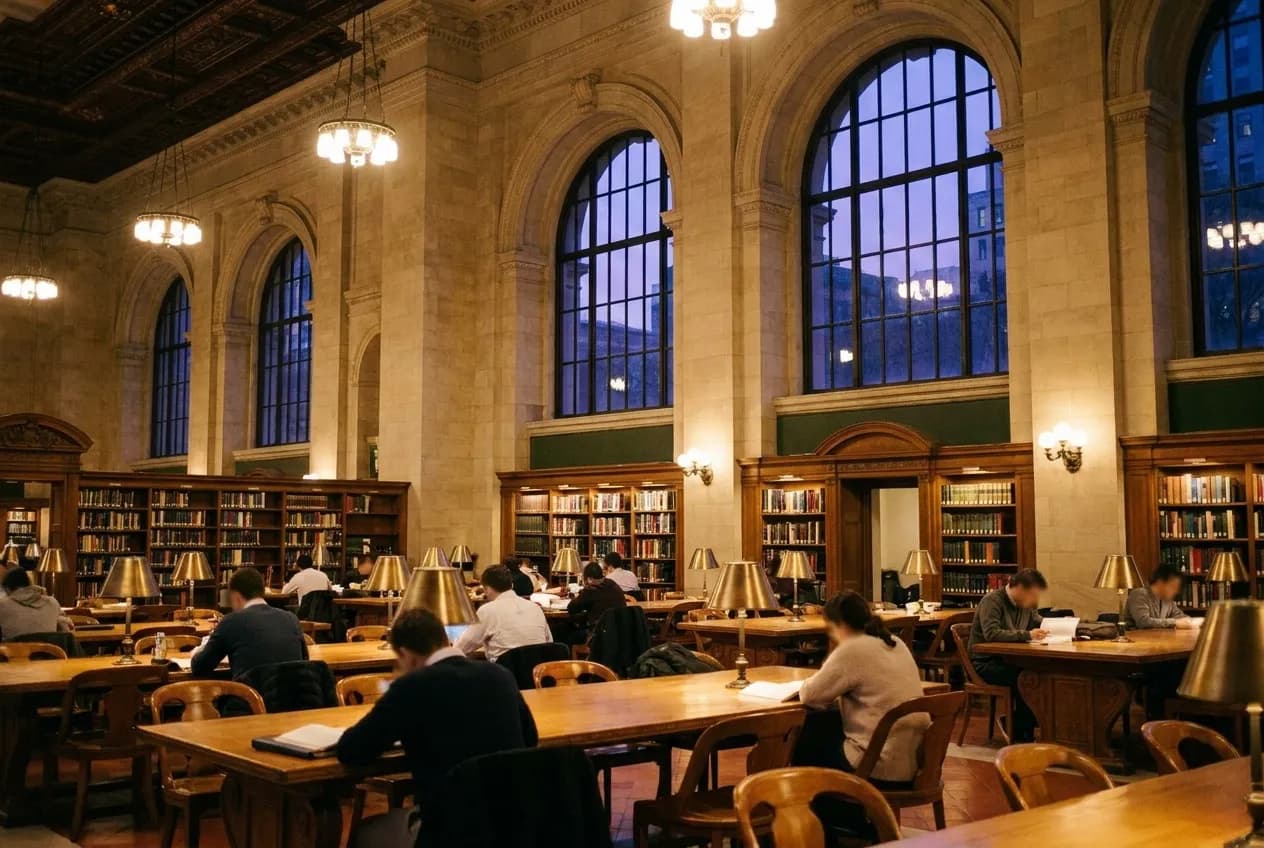
The New York Public Library system runs evening programs at more than sixty branches, and the weeknight schedule is where the subject-matter depth lives. Branch libraries in neighborhoods with high residential density—Yorkville, Park Slope, Astoria, Washington Heights—run author talks, skill-building workshops and lecture series that would cost thirty dollars at a bookstore. The programs are listed on each branch's individual page, not aggregated anywhere, so you check the branch closest to where you'll be that evening. Most events are sixty to ninety minutes, most start between six and seven, and most have room for walk-ins.
University programming is the other major category that doesn't surface in general listings. Columbia, NYU, The New School, Pratt, Cooper Union and CUNY's senior colleges all run public lecture series, and the weeknight slots are when visiting scholars, visiting artists and thesis defenses happen. These events are open to the public but marketed to academic communities first, which means the general audience finds out late and attendance stays manageable. Check the events page for each school's department that matches your interest—urban planning at Hunter, design at Pratt, film studies at NYU, architecture at Columbia. Programs typically run from six-thirty or seven to eight-thirty, and seating is first-come.
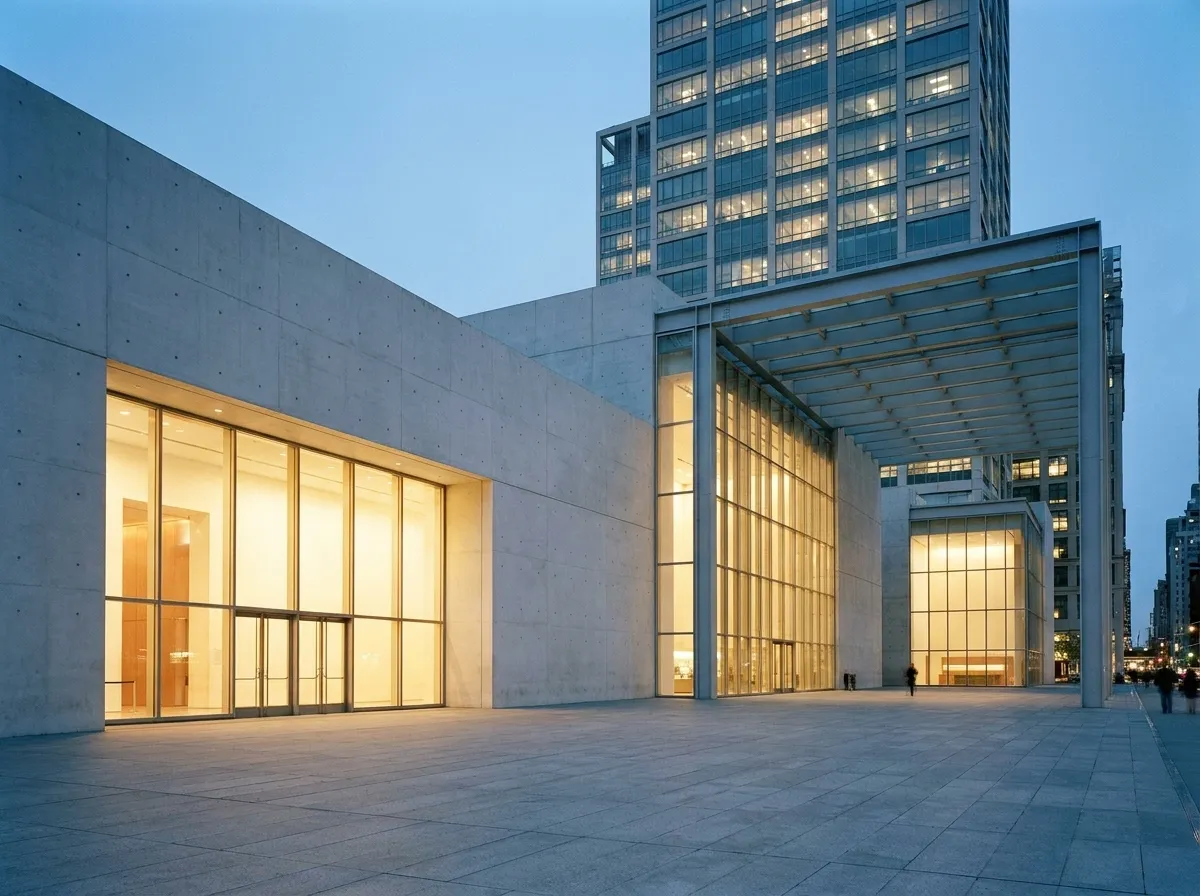
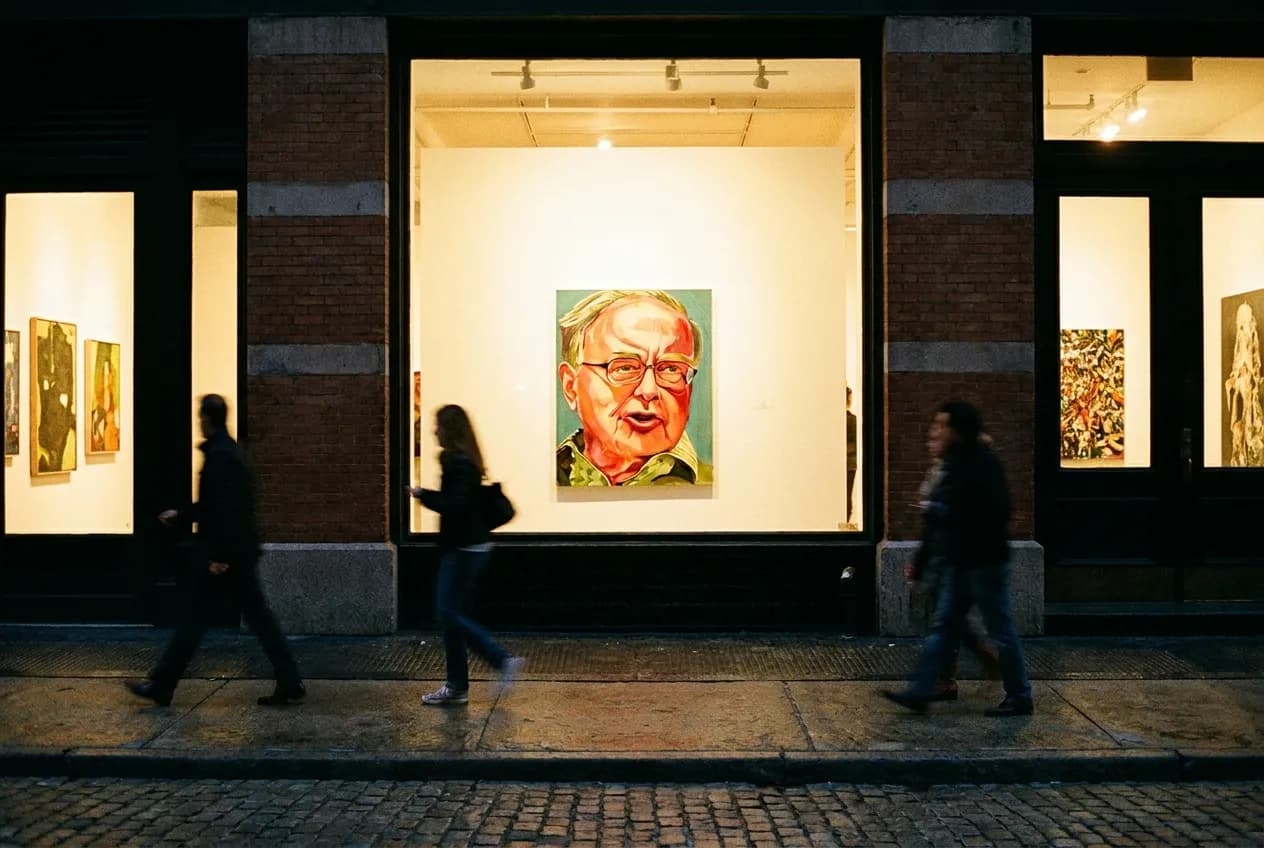
Gallery openings in Chelsea, the Lower East Side, Tribeca and Bushwick cluster on Thursday evenings from six to eight. This is the art world's weekly reset, when new shows open and the previous week's work comes down. Galleries are free and open to anyone who walks in. The density is high enough that you can see four or five shows in ninety minutes if you stay on one or two blocks. Openings provide wine or beer, but the real value is the work on the walls and the fact that gallerists are present and willing to talk. Go between six-thirty and seven-thirty, before the crowd thickens, and you'll have space to look.
Community board meetings are open to the public and happen on weeknight evenings, usually once a month. They're not entertainment, but if you want to understand what's actually being discussed in your neighborhood—new liquor licenses, street redesigns, development proposals—this is where it happens in real time. Meetings run long, typically two to three hours, but you can attend for thirty minutes and leave. The schedule for all fifty-nine community boards is on the city's site, organized by borough and district.
Parks Department programming runs year-round in larger parks—Prospect Park, Central Park, Fort Tryon, Flushing Meadows—and the weeknight schedule includes nature walks, stargazing events, fitness classes and seasonal programs that change every six weeks. These events are outdoors, weather-dependent, and almost never crowded because they require you to meet at a specific location inside the park at a specific time. Check the Parks event calendar by borough and filter for evening hours. Most programs are sixty minutes or less.
How far ahead to look and what happens when you arrive
The best window for weeknight planning is five to eight days out. Closer than five days and you're competing with people who plan the night before. Further than eight days and you're looking at preliminary listings that may still change. Institutions post their monthly calendars at the start of each month, so the first week of the month is when you can scan the full four-week view and mark anything that requires registration or has limited capacity.
Most weeknight events do not require advance registration, but some do, especially university talks and library programs with visiting authors. If the listing includes a registration link, assume the event might fill and register the day you decide to go. If there's no registration system, it's first-come seating. Arriving fifteen minutes early gets you a seat in the middle of the room. Arriving right at start time usually still works, but you'll sit in the back or stand.
The rhythm of a weeknight event is different from weekend programming. Doors open fifteen to twenty minutes before start time. The event begins on time or within five minutes of the posted start. There's rarely a long introduction. The program runs for the stated duration—if it says sixty minutes, it will be fifty-five to seventy minutes—and then it ends. People leave quickly because it's a work night. If you want to talk to a speaker or ask a question, stay near the front as the crowd clears. Organizers expect this and make time for it.
For gallery openings, the unofficial schedule is that the crowd peaks between seven and seven-thirty and clears out by eight-fifteen. If you want to see the work without navigating a packed room, arrive at six or six-fifteen when the doors open. If you want the social density, arrive at seven. Most galleries serve wine or beer until eight, and you're welcome to take a glass while you look at the show.
What to do with an evening that ends early
Weeknight events end between eight and nine, which leaves the question of what comes next. The advantage of this timing is that restaurants and bars are past their early rush but not yet at capacity. If you're in a neighborhood with sit-down dining, eight-thirty is often easier to get a table than seven. If you're near a bar with food, nine o'clock on a Wednesday is wide open.
The other option is to treat the event as the anchor and build a two-part evening. Go to an early dinner before a seven o'clock talk, or get a drink after a six-thirty gallery walk. Weeknight events are short enough that they fit into the gaps of a normal evening rather than consuming the entire night. This is the structural advantage over weekend programming, which tends to run long and assume you have nowhere else to be.
If you're planning around transit, check the last express train or bus that gets you home at a reasonable hour. Most weeknight events are scheduled with this in mind—a seven o'clock start means an eight-thirty end, which gets you on a train by eight-forty-five. But some university talks and community board meetings run later than advertised, so if you're traveling from another borough, confirm the end time or plan to leave early.
The transferable habit is this: pick one institutional calendar that aligns with where you live or work, check it on the first of every month, and put one event per week on your own calendar as a standing option. You won't go to all of them, but knowing there's a public lecture in your neighborhood on Tuesday or a gallery opening on Thursday creates a default plan that beats scrolling for ideas on the day itself. Weeknight culture in New York is less about discovering the one perfect event and more about having a reliable system that produces options when you need them.
Tags: #FreeLocalEventsNYC #NYCWeeknight #FreeNYC #NYCLibraries #GalleryOpenings #NYCCulture #WeekdayNYC #FreeThingsNYC #NYCEvents #LocalNYC #NYCNeighborhoods #CheapNYC #NYCAfterWork #MidweekNYC #PublicProgramming
Please drink responsibly. Must be of legal drinking age.
All trademarks are the property of their respective owners.
Ask Karpo first
Ask Karpo which branch libraries, galleries and public programs are open tonight within your part of the city. The app pulls current hours and door times so you know whether to leave now or in thirty minutes, and it maps the walk from your nearest subway stop.