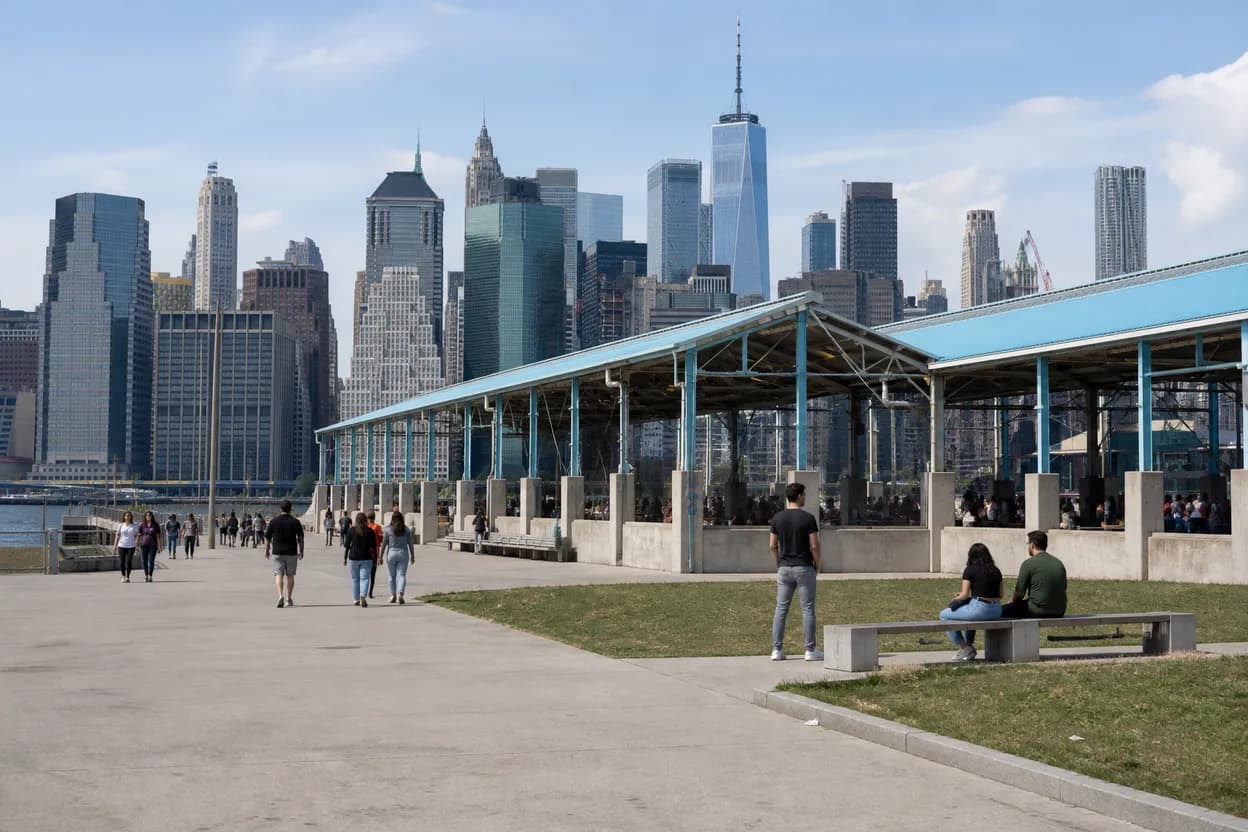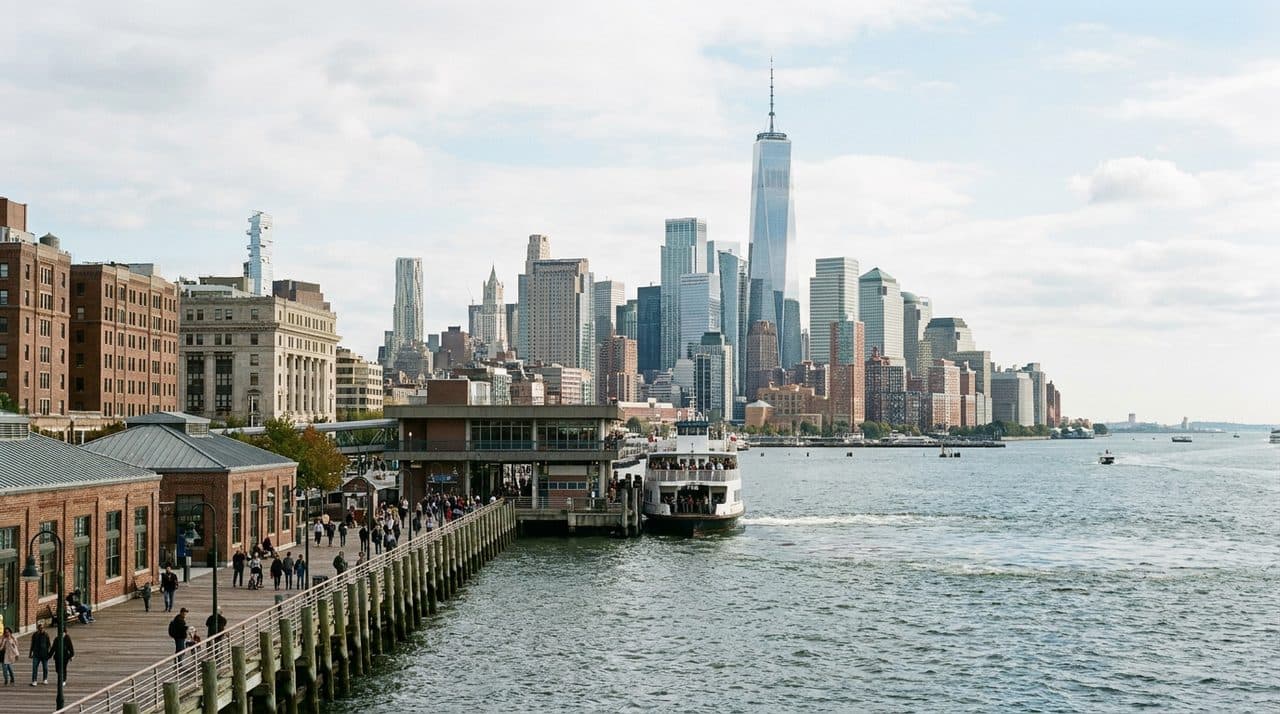
The Staten Island Ferry pulls into the St. George Terminal after a 25-minute crossing, and the crowd that spills onto the gangway splits into two streams. Most head for the buses and the parking garage. A smaller group turns left toward the waterfront plaza, where a row of cultural institutions faces the harbor and Manhattan rises across the water like a postcard that never quite prepared anyone for the real skyline at this distance.
The Terminal Plaza as Cultural District
The ferry terminal itself is a Beaux-Arts shell renovated into something between transit hub and civic monument, its clock tower visible from the water. But the real surprise sits just outside: a compact strip of museums and performance spaces that line the waterfront promenade, all within a three-minute walk of the ferry gates. The National Lighthouse Museum occupies a former Coast Guard depot, its collection heavy on Fresnel lenses and navigation charts that make sense only after someone has spent time on the water. Next door, the Staten Island Museum runs deeper than its facade suggests—natural history specimens from the island's pre-suburban days, fine art rotations that skew local, and a permanent collection of Tibetan art that draws a quiet, repeat crowd on Saturday mornings. The St. George Theatre, a 1920s movie palace restored to full gilt-and-velvet glory, anchors the southern end of the plaza with a marquee that advertises tribute bands, comedy nights, and the occasional opera company residency.
The Promenade Rhythm
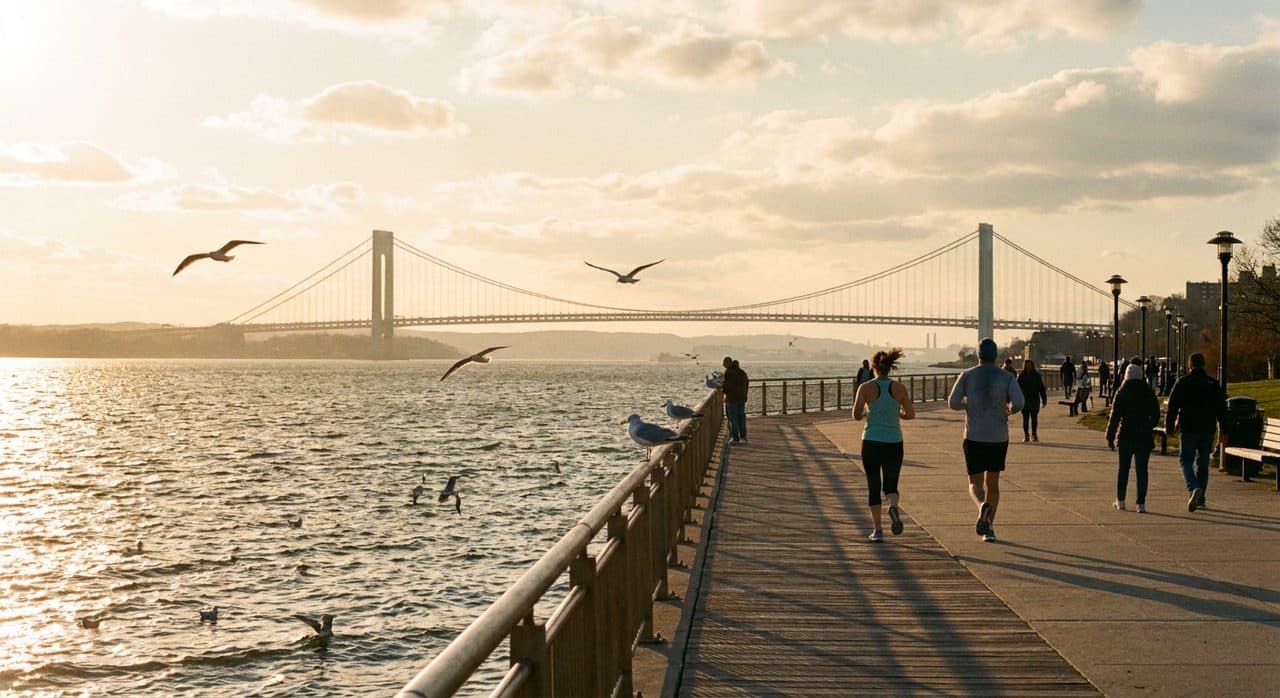
The waterfront walkway stretches north from the terminal, wide enough that joggers and stroller-pushers never bottleneck, narrow enough that everyone moving along it shares the same sight line toward the Statue of Liberty and the container ships sliding past Governors Island. Benches face the water at regular intervals, and by late morning on a Saturday they fill with people who have brought coffee from the terminal's upper concourse or picked up something from the food vendors that set up near the museum entrance. The rhythm is slower than anything in Manhattan—no one is performing leisure, no one is checking a list. Whoever walks this stretch has already made the decision to spend time on Staten Island, and that fact alone changes the tenor of the crowd. First-timers linger at the railing, recalibrating their mental map of the harbor. Regulars claim the same benches, the kind of territorial claim that comes from months of Saturday mornings in the same spot.
The Museum Circuit Without the Fatigue
The concentration of venues means a visitor can hit two or three institutions without retracing steps or losing momentum. The Lighthouse Museum is smallest and most niche—worth 45 minutes for anyone interested in maritime infrastructure, skippable for those who aren't. The Staten Island Museum demands more time, especially in the natural history wing, where dioramas of the island's salt marshes and tidal zones offer a version of New York ecology that rarely makes it into the popular narrative. The Tibetan art collection occupies two quiet galleries on the upper floor, and the Saturday crowd here trends older, more contemplative, the kind of people who read every placard. Admission prices hover in the single digits, and the museums share a low-key operational style—no timed entry, no crowd control, no sense that anyone is being processed through an experience.
The St. George Theatre and the Diaspora Calendar
The theatre's programming calendar reveals a pattern: tribute acts and classic rock revivals dominate the weekends, but midweek slots often go to cultural programming tied to Staten Island's South Asian, West African, and Caribbean communities. Bollywood film screenings draw multi-generational crowds that fill the orchestra section and spill into the balcony. Concerts featuring Punjabi folk singers or Afrobeat bands turn the lobby into a social hub, with families greeting each other in the marble-floored entryway and teenagers clustering near the snack bar. The theatre itself is a time capsule—original plasterwork, a Wurlitzer organ that still rises from the pit before select screenings, and a ceiling painted to resemble a twilight sky. Whoever books the space understands that the venue itself is half the draw, and the programming leans into that, mixing nostalgia acts with community events that treat the theatre as a living room with 2,800 seats.
The Food Landscape Beyond the Ferry
The blocks radiating out from the terminal don't offer much in the way of destination dining, but they do provide the kind of functional, immigrant-run spots that define outer-borough eating. A Sri Lankan lunch counter two blocks inland serves hoppers and kottu roti to a lunchtime crowd of cab drivers and hospital workers. A Mexican bakery near the bus depot turns out conchas and tres leches cake that disappear by mid-afternoon. The pizza places are old-school, red-sauce heavy, the kind where the guy behind the counter remembers regulars by their order. No one is crossing the harbor for the food alone, but the options reward those who treat the neighborhood as more than a ferry turnaround. The real insider move: the snack bar on the ferry's upper deck during the return trip, where soft-serve ice cream and a view of the receding skyline cost less than a subway fare.
The Crowd That Stays
The people who linger in St. George on a Saturday tend to fall into a few categories. There are the cultural tourists, often European or Australian, who have read that the ferry is free and decide to see where it goes. There are the outer-borough explorers, usually Brooklynites or Queensites, who treat the trip as a low-stakes adventure. And there are the Staten Islanders themselves, reclaiming the waterfront on weekends, using the plaza and the promenade as a kind of collective front yard. The mix creates a scene that feels less curated than most New York public spaces—no one demographic dominates, no one aesthetic wins out. By early afternoon, the benches near the terminal hold a cross-section of the city that rarely shares the same ten square feet: retirees reading newspapers, college kids sprawled on the concrete ledges, families letting toddlers chase pigeons while the adults watch the ferries come and go.
Practical Notes
The Staten Island Ferry runs 24 hours, departing from the Whitehall Terminal in Lower Manhattan. Service is frequent—every 15 to 30 minutes depending on time of day, more frequent during rush hours. The ride is free, and the upper deck offers the best views. Most cultural venues in St. George operate Tuesday through Sunday, with weekend hours extending into early evening. The museums typically open by 10 or 11 a.m., and the promenade is accessible at all hours. No reservations needed for the ferry or most museum visits. The St. George Theatre sells tickets online for performances, and popular shows can sell out. The neighborhood is walkable from the terminal—everything mentioned here sits within a ten-minute walk. Return ferries depart from the same terminal, and the schedule is posted near the gates.
---
Tags: #NiceBut Free #StatenIslandFerry #StGeorgeNYC #StatenIsland #OuterBoroughNYC #FreeNYC #NYCWaterfront #NewYorkHarbor #CulturalDistrict #HiddenNewYork #StatenIslandMuseum #StGeorgeTheatre #FerryViews #NYCOnABudget #KarposFinds
Sources consulted: timeout.com · ny.curbed.com · nycgovparks.org
All trademarks are the property of their respective owners.
Ask Karpo first
Want to know what to do in St. George after the ferry and how to get to Snug Harbor?
Ask Karpo for Staten Island itinerary suggestions and ferry timing before you head out.