Free in New York is not one thing. It covers admissions that are genuinely free to anyone who walks in, admissions that are free only to residents of a particular state, admissions where you name your own price against a suggested figure, and admissions that are free but require booking a ticket that runs out. These are meaningfully different, and confusing them is how people end up paying thirty dollars at a desk where the person next to them paid a dollar entirely legitimately. The rules are public, they are not complicated, and knowing them properly is worth several hundred dollars a year to anyone who lives here.
Karpo can tell you which New York institutions are free or pay-what-you-wish today, what ID you need, and which free slots still have tickets.
Pay-what-you-wish for New York residents
The largest category is residency-based. The Metropolitan Museum of Art operates pay-what-you-wish admission for New York State residents, and students from New York, New Jersey and Connecticut are included. The American Museum of Natural History runs the same policy for New York State residents. In both cases you can genuinely set the price yourself, from a cent upward.
The mechanism matters. At the desk you say you are a New York resident and show identification with a state address. The Met also allows residents to do this online where the billing address matches. What is not true, and is widely believed, is that the policy applies to everyone — for out-of-state visitors these are full-price museums, and the pay-what-you-wish line is not available to them.
Pay-what-you-wish for everybody
A smaller set of institutions extends the same flexibility to all visitors regardless of where they live. The Brooklyn Museum offers pay-what-you-wish general admission to everyone at all times, with a suggested donation of around sixteen dollars — and the suggestion is exactly that. You may pay a dollar.
This category is the most useful to visitors and the least publicised, because a museum that needs the revenue is not going to advertise that the number is optional. Pay what you can genuinely afford: these are the institutions doing the most to stay accessible, and the suggested figure exists because most people paying it is what makes the policy survivable.
The free Friday evenings, and the booking catch
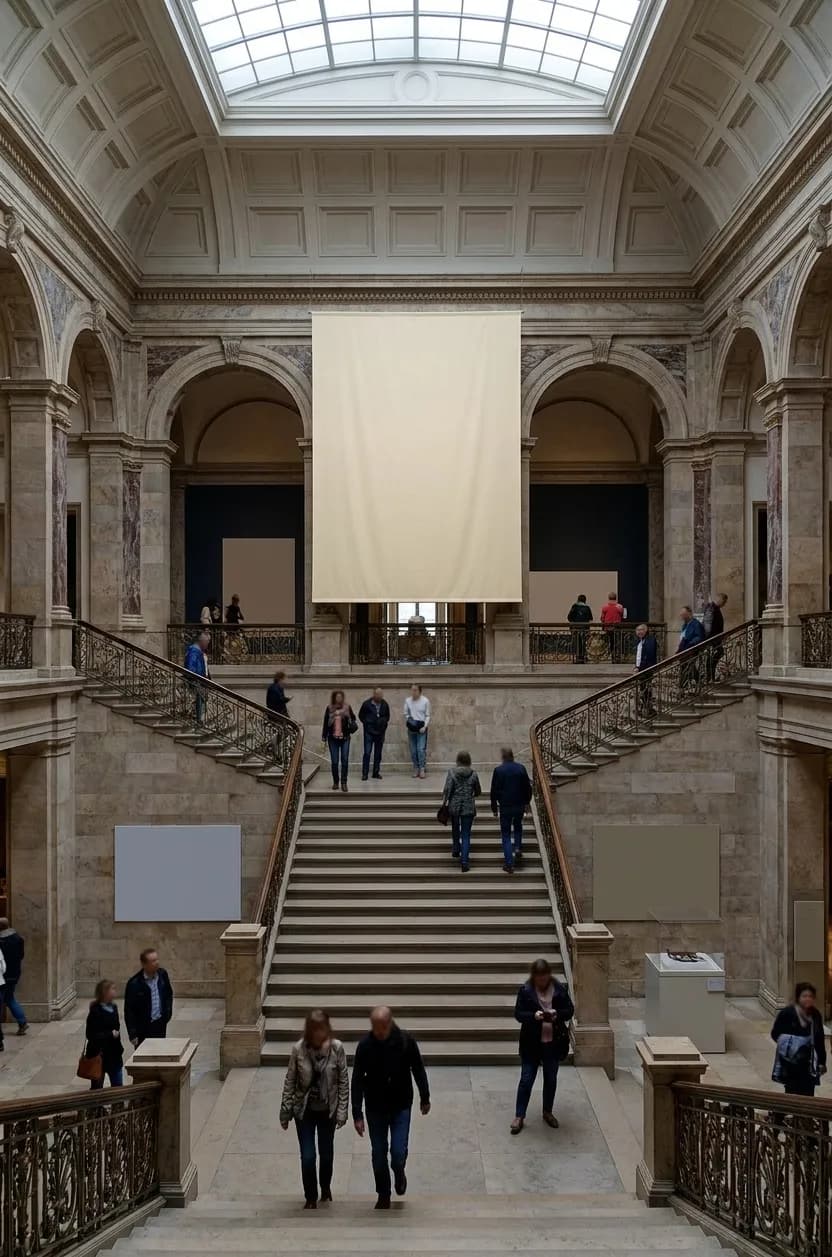
Several institutions go free on Friday evenings, and this is the single best-value recurring slot in the New York cultural week. MoMA is free to New York State residents on Fridays from 5:30pm to 8:30pm. The Whitney is free to everyone on Fridays from 5pm to 10pm. The Morgan Library is free on Fridays from 5pm to 8pm, with reservations required. The New-York Historical is pay-what-you-wish on Fridays from 5pm to 8pm.
The catch is that free does not mean walk-in. Most of these require a timed ticket booked in advance, they are released earlier in the week, and they go. A free Friday evening at a major museum is something you plan on Monday, not something you decide on Friday afternoon.
It is worth checking whether a free evening includes the special exhibitions or only the permanent collection, because at several institutions it is the latter. The permanent collections in New York are extraordinary and nobody should feel short-changed by that, but if you came specifically for a ticketed show, the free night may not cover it.
Outdoor programming: the genuinely free tier
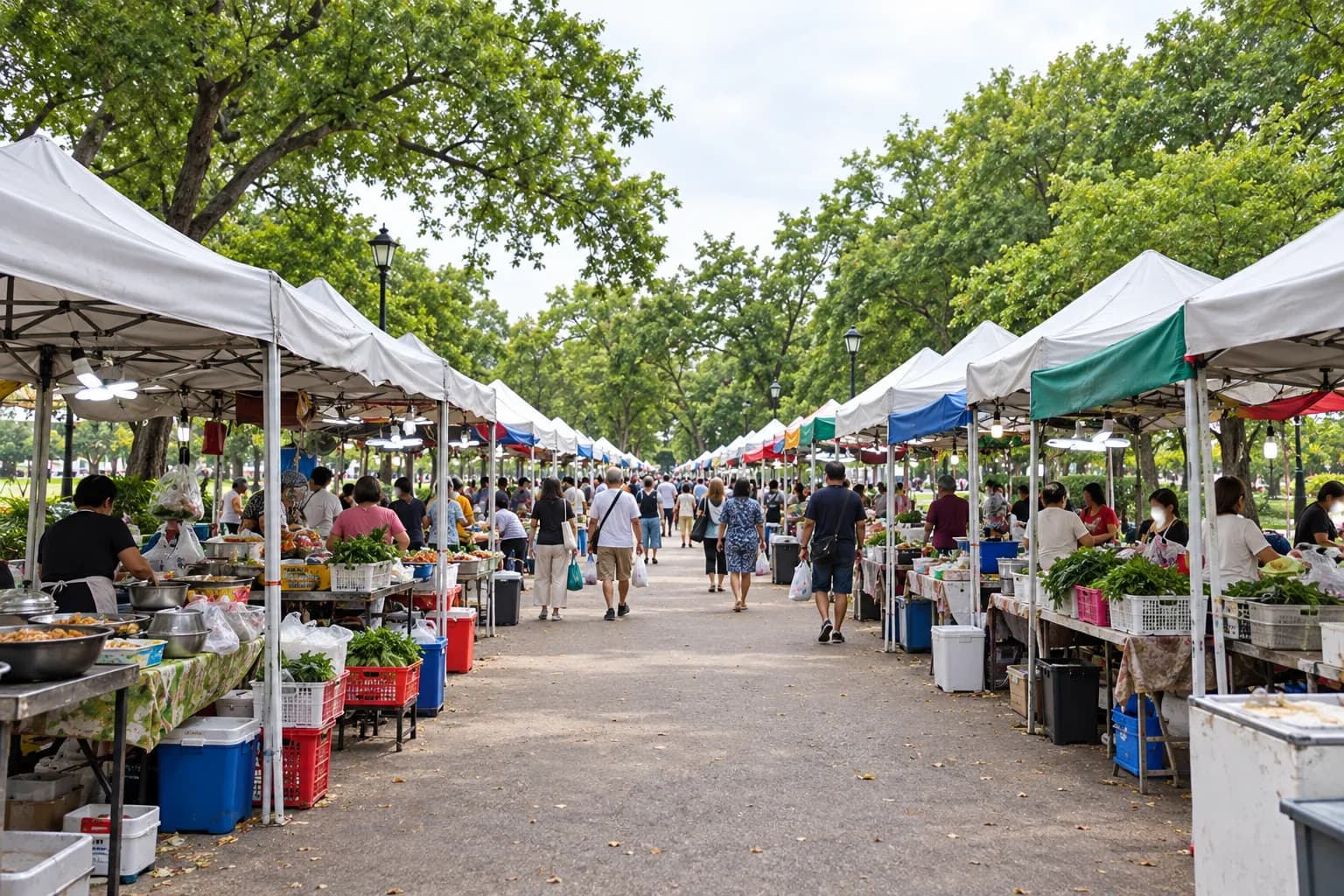
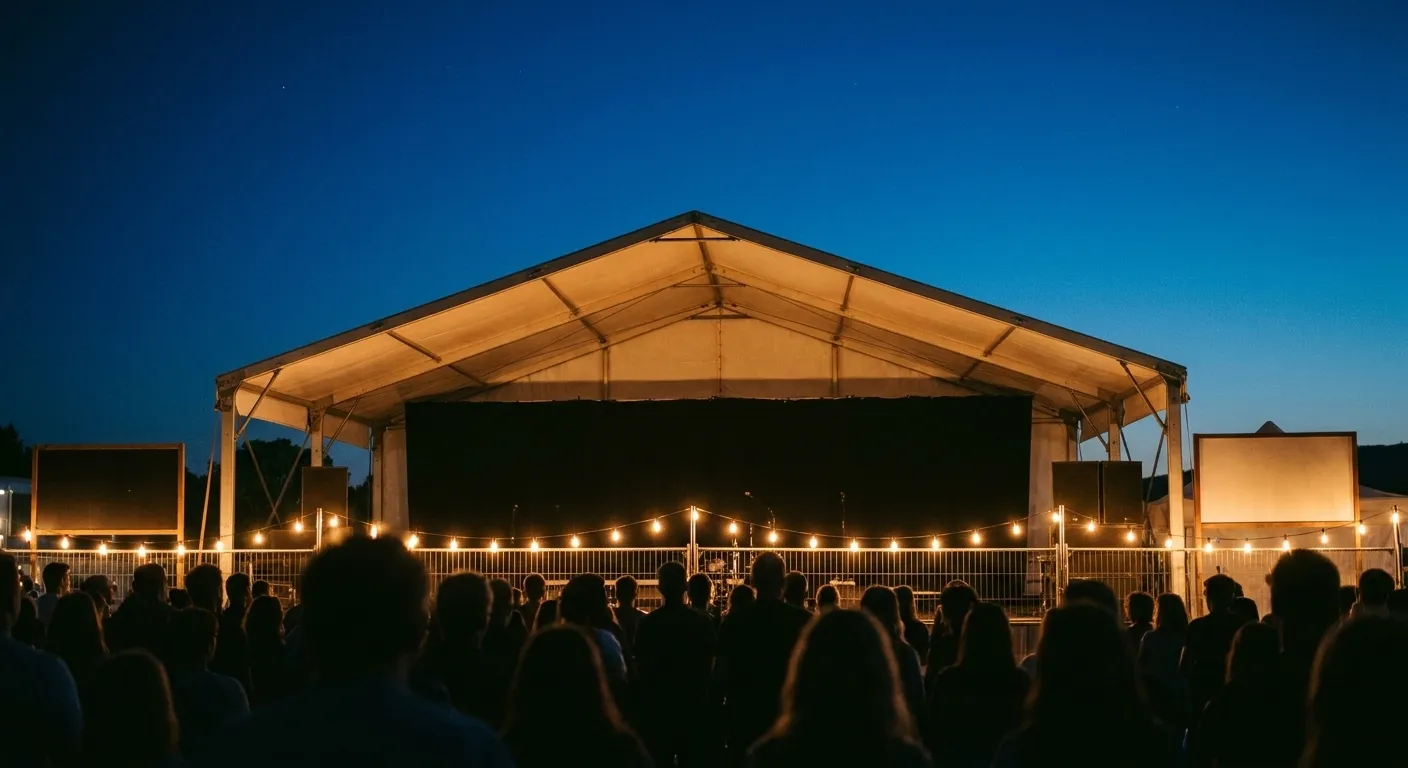
The parks and public spaces carry the largest volume of properly free events in New York, particularly between late spring and early autumn — concerts, screenings, dance, readings, festivals, and a very large amount of programming aimed at children. No ticket, no residency test, no suggested donation.
The two things to know: some free outdoor events still issue free tickets to manage capacity, so check whether yours does; and weather cancellations are decided on the day and announced on the organiser's own channels rather than on listing sites. Beyond that, this tier is exactly what it appears to be, and it is the reason New York summers are cheaper than they look.
Libraries, campuses and the overlooked layer
The public library systems run a continuous programme of free talks, film screenings, language classes, workshops and children's events across dozens of branches, and it is close to invisible unless you look. University campuses across the city host public lectures and concerts, many free and open to anyone who walks in. Cultural institutes attached to consulates run free film and music programmes.
This layer is where the genuinely interesting free events in New York live, and it is under-attended precisely because it does not advertise. Following two or three branch or department calendars is a much higher-yield habit than scrolling a general events site.
What to actually pay
A closing point on etiquette, because it matters. Pay-what-you-wish exists so that money is not the barrier to entry, and it is chronically abused by people for whom money is not the barrier. If you can afford the suggested amount, pay it. If you cannot, pay what you can without embarrassment — that is precisely the policy's purpose, and nobody at the desk will think anything of it.
The same logic applies to free outdoor events, most of which are funded by a mix of public money and donations and many of which pass a bucket. These programmes continue because enough people who can support them do. That is the whole mechanism.
A final practical note on timing. Free and pay-what-you-wish admissions concentrate demand into specific hours, which means the galleries are at their fullest exactly when they cost the least. If the point is to see the work rather than to save money, a paid weekday morning is a better experience than a free Friday evening. If the point is the atmosphere — a museum full of people at eight at night, which is genuinely enjoyable — then the free evening is exactly right. Decide which you are after before you choose the slot.
Tags: #FreeNYC #EventsNearMe #PayWhatYouWish #NYCMuseums #FreeThingsToDo #BrooklynMuseum #TheMet #FreeFriday #NYCGuide #NewYorkCity #Libraries #BudgetNYC #ThingsToDo #CityLiving
Please drink responsibly. Must be of legal drinking age.
All trademarks are the property of their respective owners.
Ask Karpo first
Want to know which New York institutions are free or pay-what-you-wish today, what ID you need at the desk, and which free tickets are left? Ask Karpo before you set out.