San Francisco produces an unusual amount of free public programming for its size, and the quality is far higher than free normally implies. But free events are not one category — they come from four distinct funding sources, and knowing which one you are looking at tells you when it happens, how good it will be, and crucially where it was announced. Most people only ever see the events from one of the four.
Free in this city usually means funded by someone with a reason, and that reason tells you a lot about what the event will actually be like. Tell Karpo what you enjoy and it will find the ones worth your afternoon.
Source one: the city itself
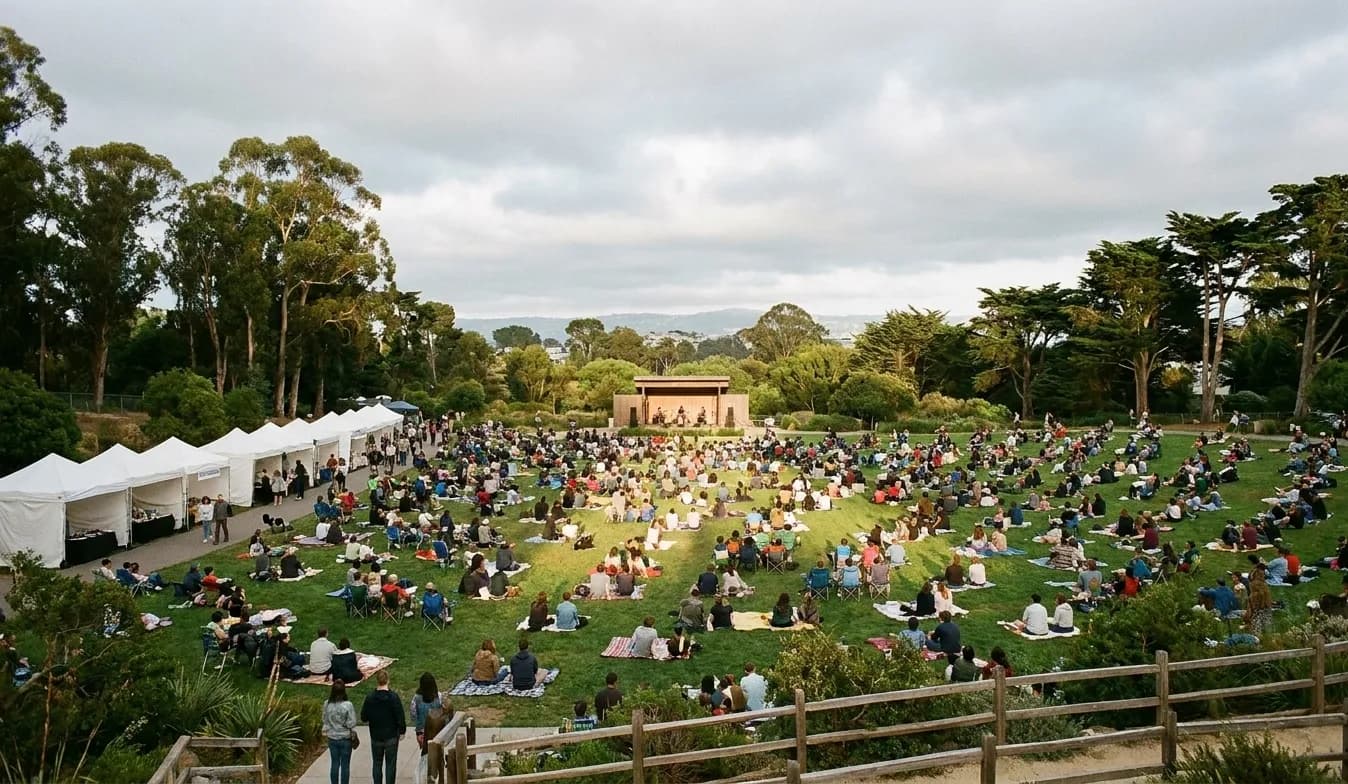
Parks and recreation programming, library events, civic celebrations and public space activations are funded by the city and announced through city channels. They are reliably scheduled, family-oriented, well distributed across neighbourhoods, and genuinely free with no upsell. They are also almost invisible on commercial listing sites, because there is no ticket to sell.
The city's own calendars are the only place to see these properly, and they are worth checking monthly rather than weekly. Library programming in particular is consistently underrated — talks, screenings, workshops and performances in every neighbourhood, all free, all announced in one place.
Source two: cultural institutions
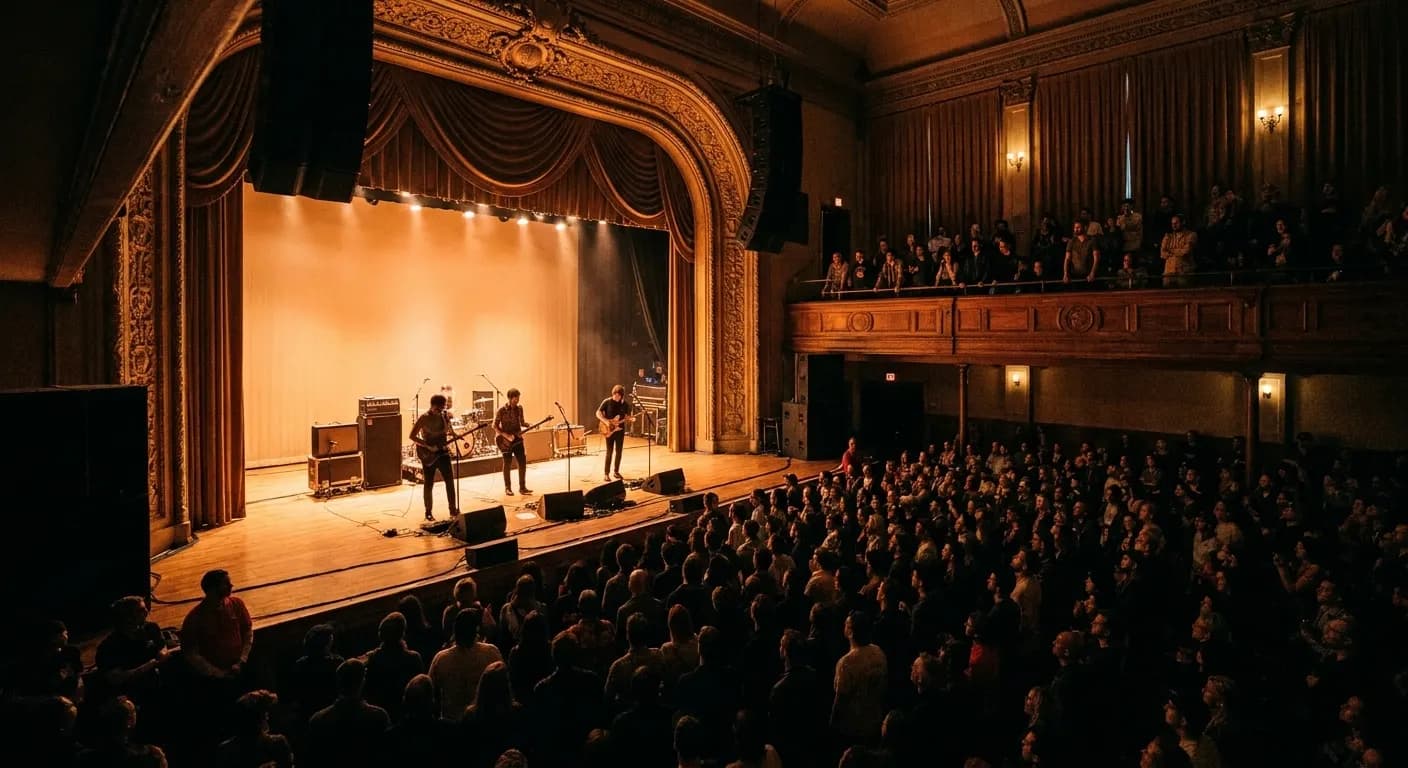
Museums, galleries and cultural organisations run free admission days, opening nights, outdoor performances and lecture series, funded out of their own programming budgets and by donors. The quality here is high because it is the same programming they charge for on other days.
Free days are the well-known version and they are busy; the better-value option is usually the evening programme — a talk, a screening, a performance in the space after hours — which is free, uncrowded and announced only to people on the institution's own list. Signing up to three or four of those lists changes what your calendar looks like.
Source three: neighbourhood and merchant associations
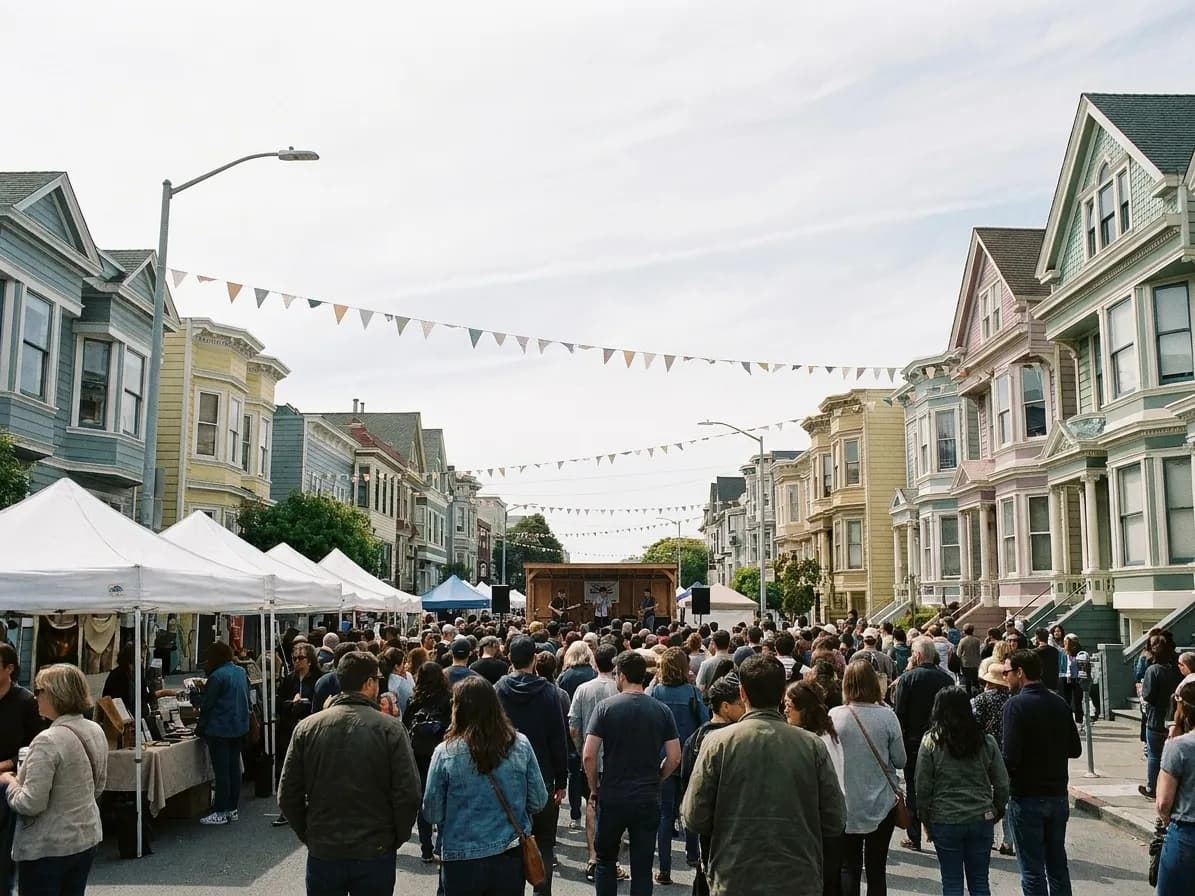
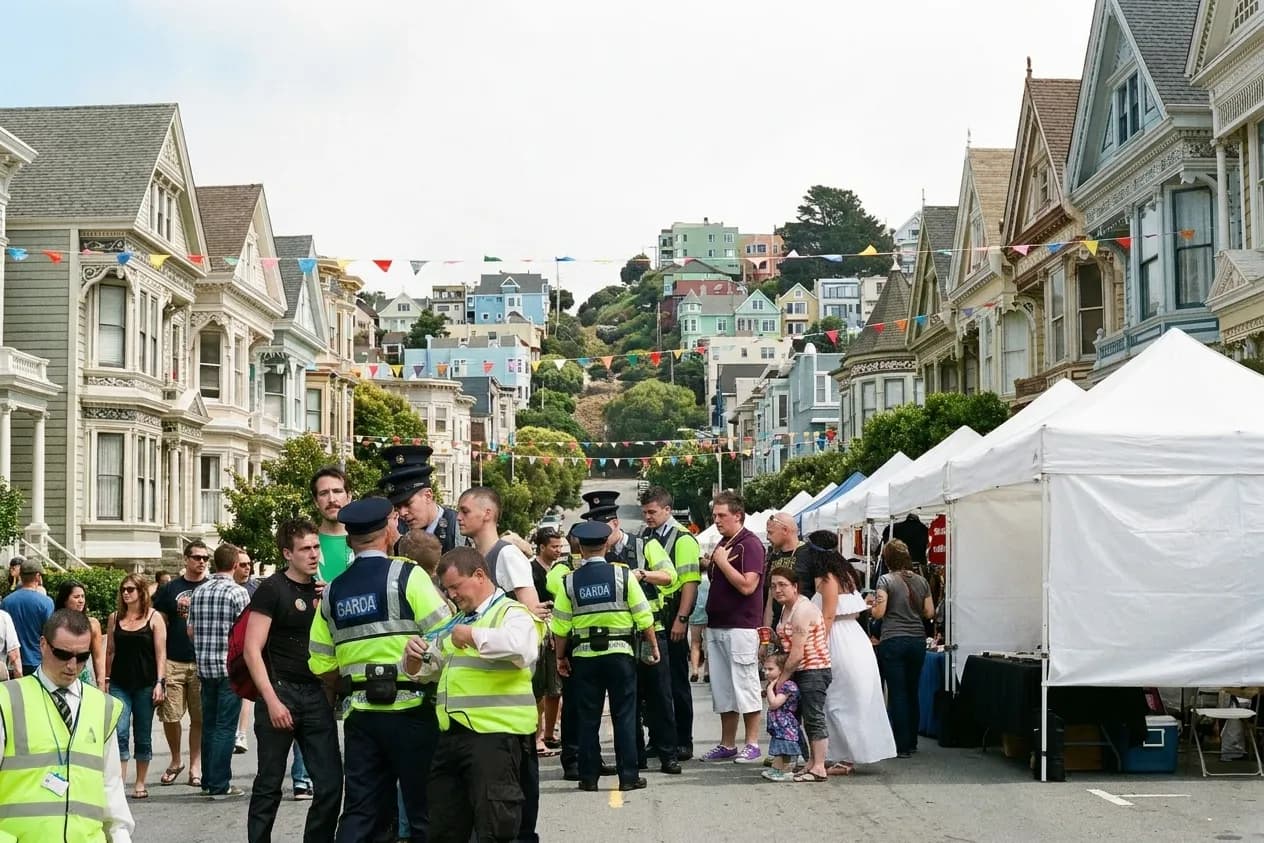
Street fairs, block parties, night markets and seasonal celebrations are funded by merchant associations and neighbourhood groups, which is why they cluster on commercial corridors and why they are concentrated in the warmer months. These are the largest free events in the city by attendance and the most characteristic.
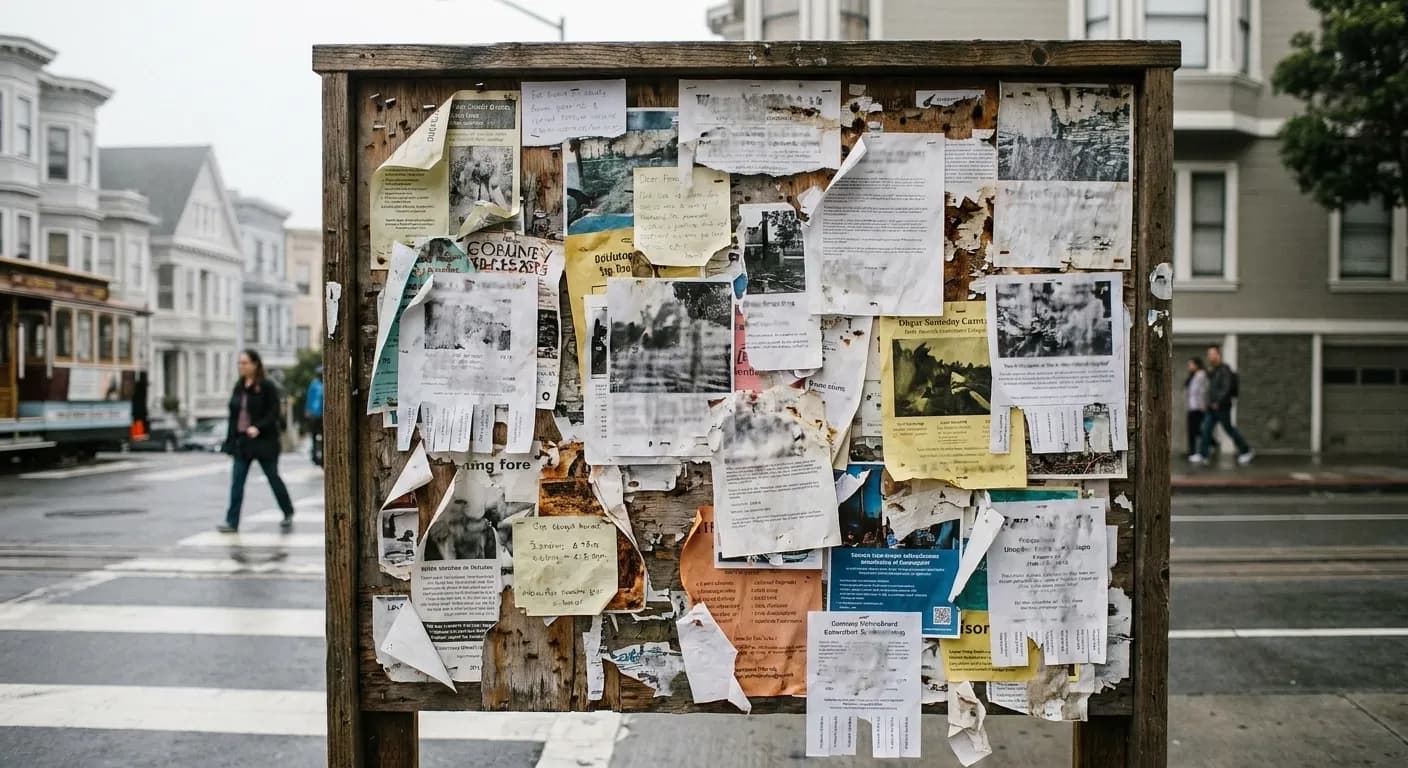
They are announced locally — in shop windows on the corridor, on the association's own channels, on lamp posts — and they turn up on general listings only inconsistently. If you have a neighbourhood you like, following its merchant association is the single highest-yield subscription available.
Source four: commercial and promotional
The fourth category is free because someone is marketing something: a brand activation, an opening, a sponsored performance. These are the most heavily promoted free events and generally the least rewarding, because the event exists to deliver an audience rather than an experience.
They are not worthless — a free concert is a free concert — but calibrate expectations and expect to be marketed to. If a free event is easy to find, well designed and everywhere in your feed, this is usually the category it belongs to.
The seasonal shape, and the weather
Outdoor free programming in San Francisco concentrates between late spring and early autumn, with a real peak in September and October when the city's weather is genuinely at its best. Summer is fogging and cold in much of the city, which catches out anyone planning around a calendar rather than a microclimate.
Always bring a layer to an outdoor event here, and check which side of the city it is on — the temperature difference across a few miles is substantial. Schedules, locations and cancellations change; confirm with the organising body on the day.
Where to look, in practice
Four subscriptions cover most of it: the city's own events calendar, the public library system's programme, two or three cultural institutions whose work you like, and the merchant association for a neighbourhood you spend time in. That is a ten-minute setup and it will surface more than any amount of searching each weekend.
Add to that the habit of reading noticeboards — in libraries, cafes, community centres and shop windows — which still carries a meaningful number of events that never go online. Neighbourhood-scale programming in this city remains substantially a paper phenomenon, and that is not changing quickly.
Going with children, or alone
City and library programming is the strongest option for families, because it is designed for mixed ages, genuinely free with no upsell, and distributed into neighbourhoods rather than concentrated downtown. Street fairs are good for the same reason but get crowded by mid-afternoon, so go early.
For going alone, the institutional evening programmes are the easiest — a talk or a screening has a built-in structure, nobody is paired off, and leaving afterwards requires no explanation. Outdoor concerts are the hardest to do alone and the easiest to do with a group, which is worth matching to who you are going with.
Tags: #SanFrancisco #SF #BayArea #Events #WhatsOn #LiveShows #SFEats #SFGuide #ExploreSF #SFLocal #SFWeekend #SFNights #SFFood #SFLife
Sources consulted: sf.gov · sfrecpark.org · sfstandard.com
All trademarks are the property of their respective owners.
Ask Karpo first
Karpo is a proactive AI assistant that lives in iMessage. Ask what is on and free before you pay for something.