There is a version of free in New York that means standing on a hot pavement watching something you could have skipped. There is another version that means a world-class orchestra, a full Broadway cast, or a Shakespeare production with actors you have seen in films — for nothing, because the city decided that culture should not be exclusively a paid product. The second category is small enough to list and specific enough to plan around. The trick is knowing which mechanism gets you in, because almost all of them have one.
Free programming in New York is not one calendar, it is thirty of them — a parks department listing, a theatre lottery that opens at a fixed hour, a festival that publishes its schedule two weeks out and nowhere else. Text Karpo what kind of night you want and get the free things running this week that are genuinely worth the trip, plus how you actually claim a place at each one.
SummerStage: the largest free programme in the city
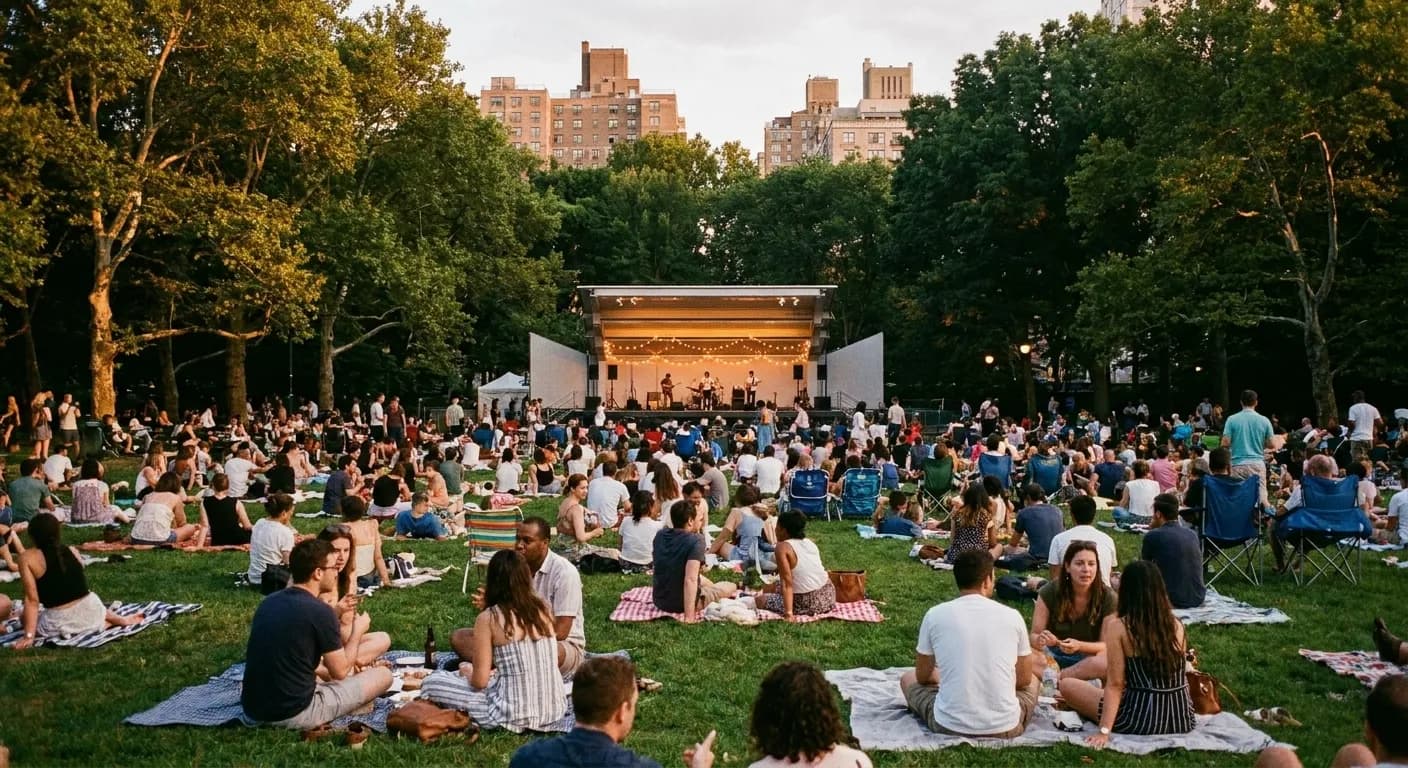
SummerStage marked its 40th anniversary season with more than sixty free and benefit concerts, in Central Park and in neighbourhood parks across all five boroughs. The Central Park shows get the attention, but the neighbourhood dates are the better experience: smaller crowds, shorter queues, and line-ups programmed for the specific community the park sits in rather than for a citywide audience.
The practical approach is to filter by borough rather than by artist. A free show twenty minutes from your flat that you attend is worth more than a marquee name in Central Park that you talk yourself out of at 6pm. Check the entry policy for each date, because benefit shows within the same series are ticketed while the rest are open.
Free Shakespeare in the Park: a lottery, not a queue
Free Shakespeare in the Park returned to the renovated Delacorte Theater in Central Park, running Romeo & Juliet from 22 May to 28 June and The Winter's Tale from 25 July to 23 August. Entry is by daily digital lottery through the TodayTix app, which replaced the old ritual of queueing in the park from dawn with something considerably more civilised and considerably easier to forget to enter.
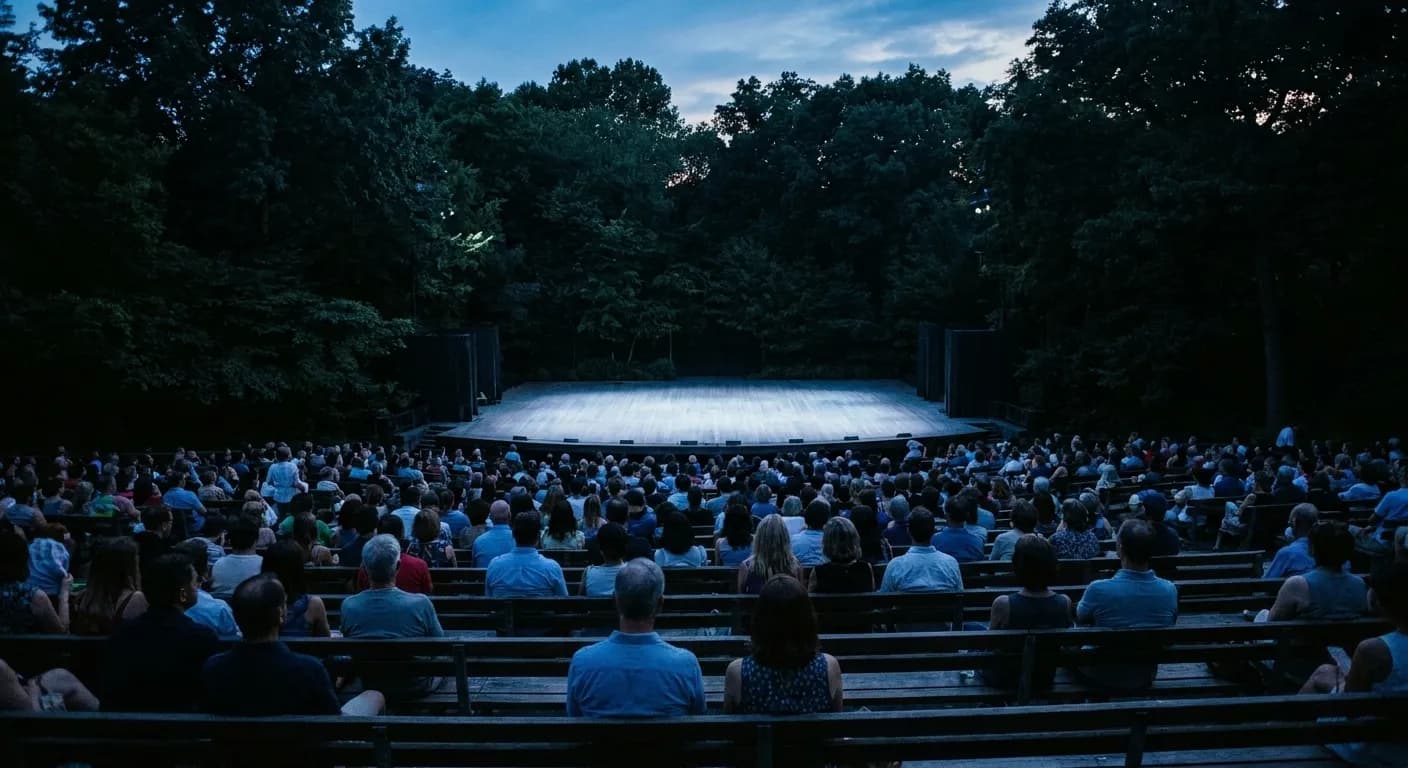
Treat it as a habit rather than a plan. Enter the lottery every day of a run you care about, from wherever you happen to be, and accept that you will lose most days. People who win are not lucky; they are the ones who entered twenty times. Set a recurring reminder for the hour the lottery opens and let volume do the work.
Broadway in Bryant Park: the lunchtime one
Broadway in Bryant Park returns for six consecutive Thursdays on the park stage between 40th and 42nd Streets on Sixth Avenue, with casts from current shows performing free. It is the single best value proposition in Midtown: performers from productions with three-figure ticket prices doing numbers on a public lawn, and the only cost is standing.
Arrive early enough to get grass rather than pavement — the lawn fills well before the first number, and the sightlines from the back of the standing area are poor because the stage is low. If you work anywhere near Midtown, this is the rare free event that fits inside a long lunch instead of consuming an evening.
The street festivals worth the crowd
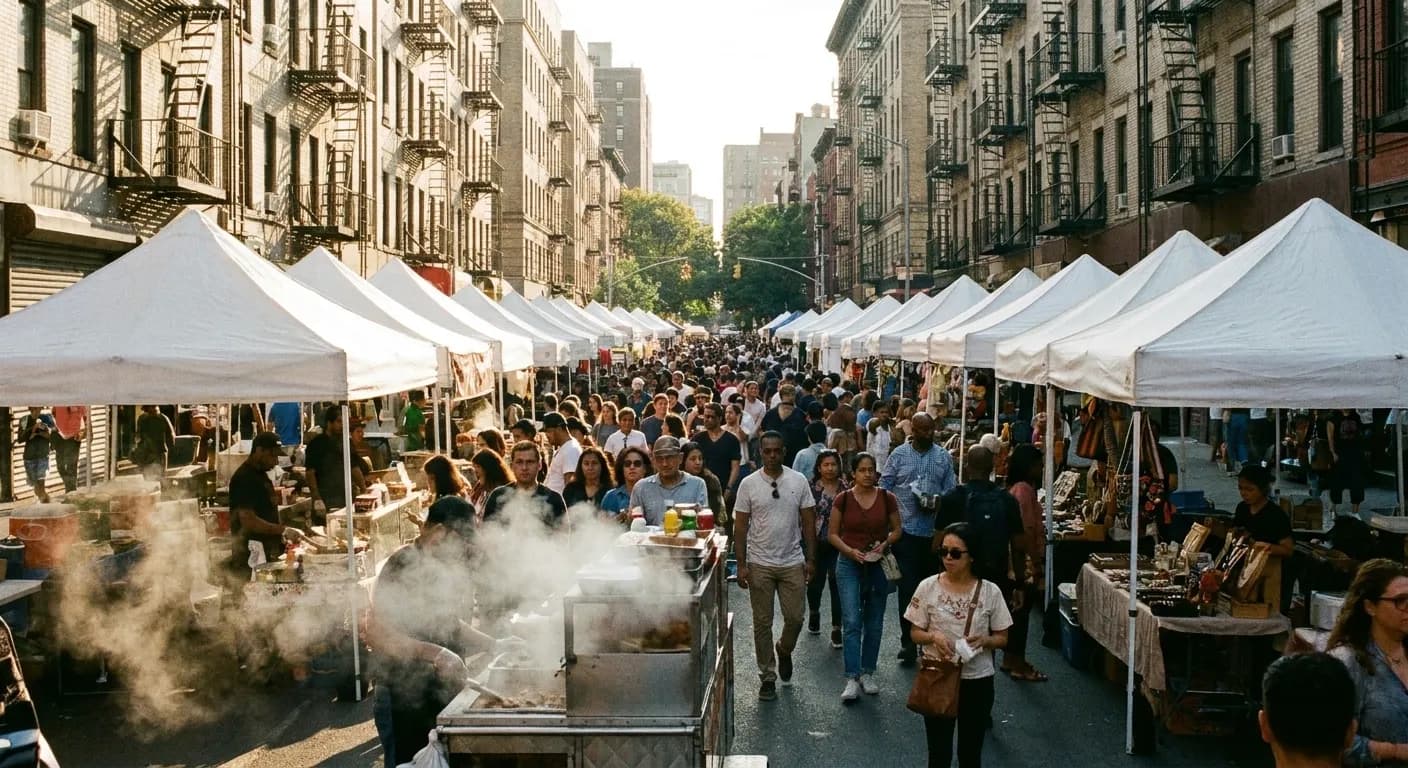
Two annual events justify the crush. The Feast of San Gennaro takes over Little Italy from 17 to 27 September with free admission, food from the neighbourhood's restaurants, free concerts, a cannoli-eating competition and a grand procession with bands and floats. And the West Indian Day Parade — running for the 56th time — moves through Crown Heights on Labor Day and is the largest and loudest free event on the city's calendar.
For San Gennaro, go on a weekday evening rather than a Saturday; the same stalls, a third of the density. For the parade, arrive early and plan an exit route rather than a viewing spot, because leaving is harder than arriving and the subway stations nearest the route become impassable by mid-afternoon.
The free hours nobody counts as events
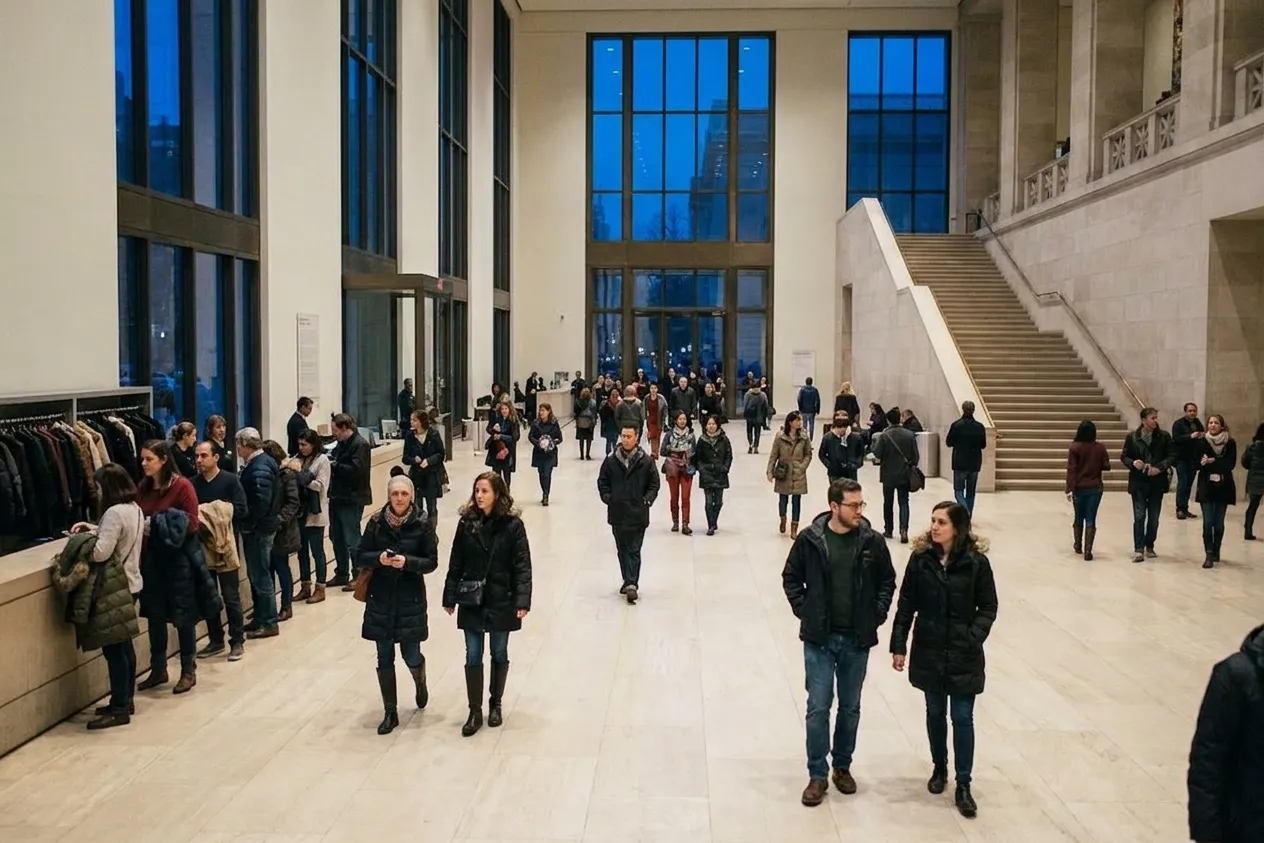
The most underused free programming in New York is not billed as an event at all: it is the museums' own access hours. MoMA is free every Friday evening from 5:30 to 8:30 for New York State residents, with tickets reserved in advance and proof of residency at the door. The Whitney is free every Friday from 5pm to 10pm and on the second Sunday of each month. The Guggenheim runs pay-what-you-wish on Saturday evenings from 5 to 8. None of these appear on an events calendar, and all of them are better than most things that do.
The catch is capacity. Free museum hours are the busiest hours those buildings have, so the strategy is to arrive at the start rather than the middle and to go straight to the exhibition you actually came for before working backwards. Two focused rooms in a full museum beat a distracted lap of six.
How to tell the good free ones from the rest
Three signals, all reliable. There is a named programmer or institution behind it — a parks department series, a theatre, a museum — rather than a sponsor's activation. There is an access mechanism such as a lottery, a reservation or a published arrival time, because anything genuinely in demand has to ration entry somehow. And the schedule is published more than a week out. Anything free that is announced two days ahead with no host attached is a promotion, and it will feel like one when you get there.
Tags: #eventsinnyc #freeeventsnyc #summerstage #shakespeareinthepark #bryantpark #centralpark #sangennaro #labordayparade #nycparks #freethingstodonyc #nycculture #nycsummer #brooklynevents #manhattanevents
All trademarks are the property of their respective owners.
Ask Karpo first
Most free events in New York are worth exactly what you pay for them, and a handful are better than things people queue for tickets to. Ask Karpo which of this week's free events have real programming behind them, what time you need to arrive or enter a lottery, and whether the thing you were going to travel an hour for is worth the journey.