Filtering Eventbrite to free in San Francisco produces a genuinely large list, and the quality range within it is wider than in any paid category. Some of the best programming in this city is free and listed there: institutional talks, gallery openings, community classes, taster sessions from studios that charge properly for their courses. Some of it is a sales presentation with a sign-in sheet. The two look almost identical on a results page and are easy to tell apart once you know what to read.
A free listing still costs you a Saturday afternoon, which is the expensive part. Ask Karpo what is genuinely worth the RSVP near you this weekend.
Four types, and what each actually is
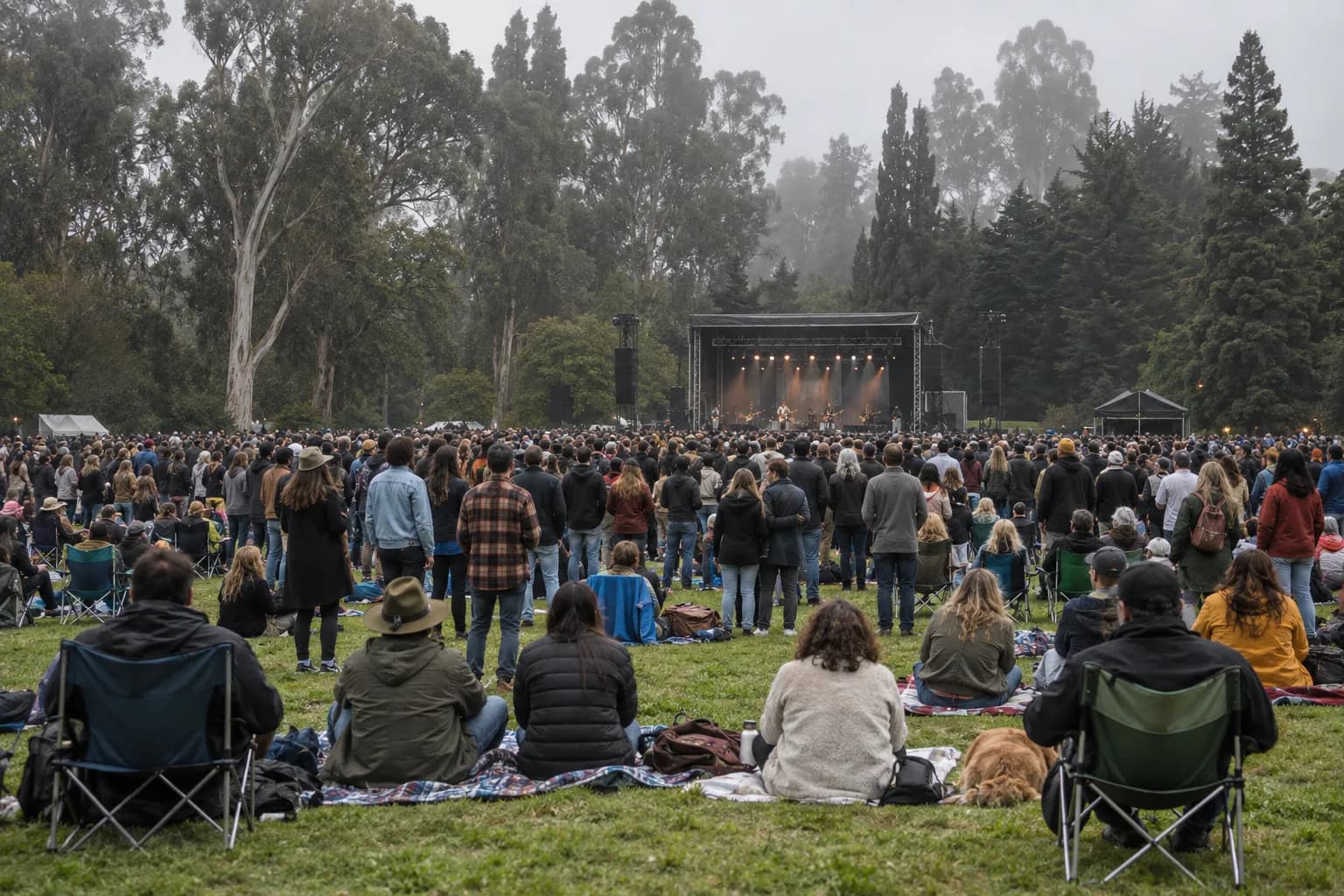
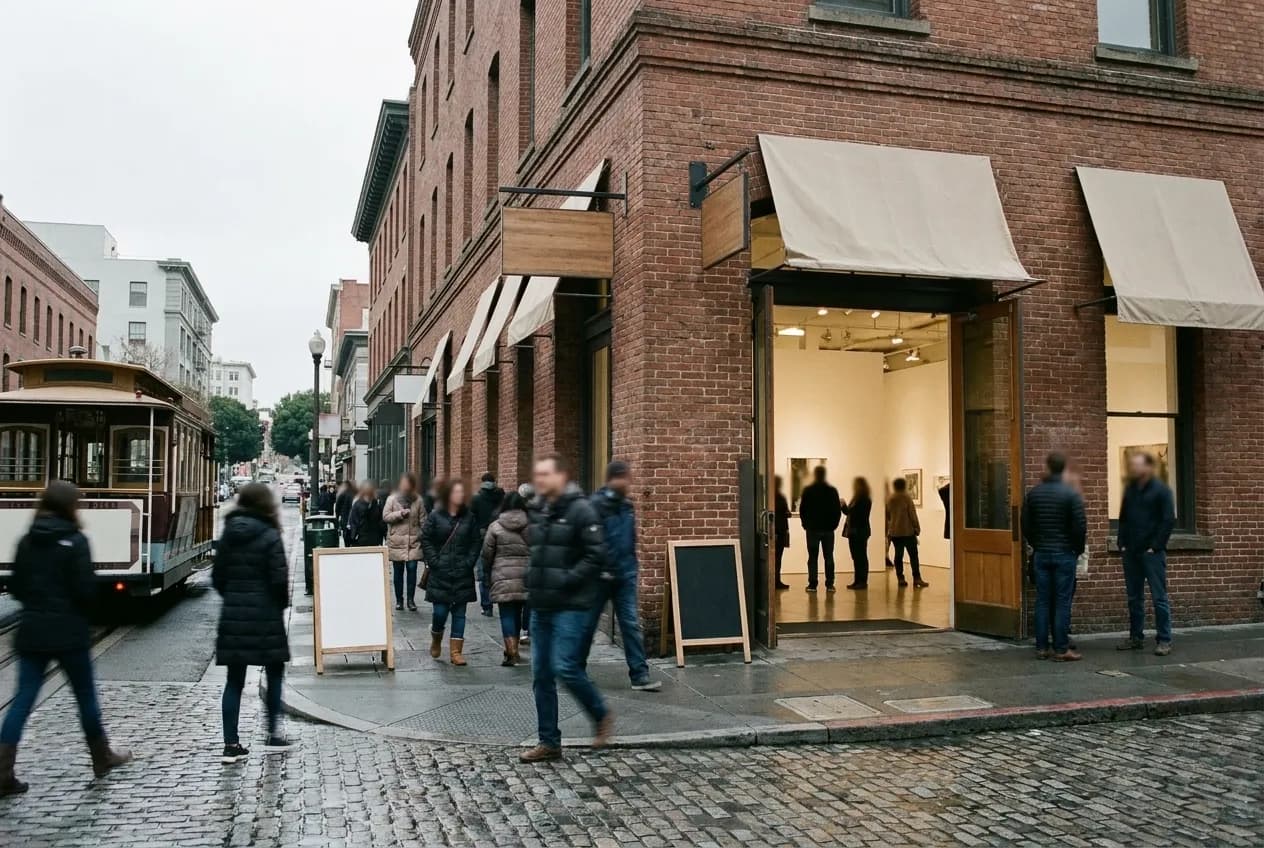
The first is institutional programming: a museum, library, university, foundation or civic body running a talk, screening or tour as part of a public mandate. San Francisco has an unusually high density of these because so many cultural organisations here have public-programming obligations attached to their funding. They are reliably good, they are free because they were always going to be free, and they book out.
The second is the taster session. A studio, school or instructor offering a free introductory class as the front end of a paid course. This is a completely fair trade and it is the single cheapest way to test whether you like a teacher before spending several hundred dollars on a term. Expect a soft pitch at the end and do not resent it.
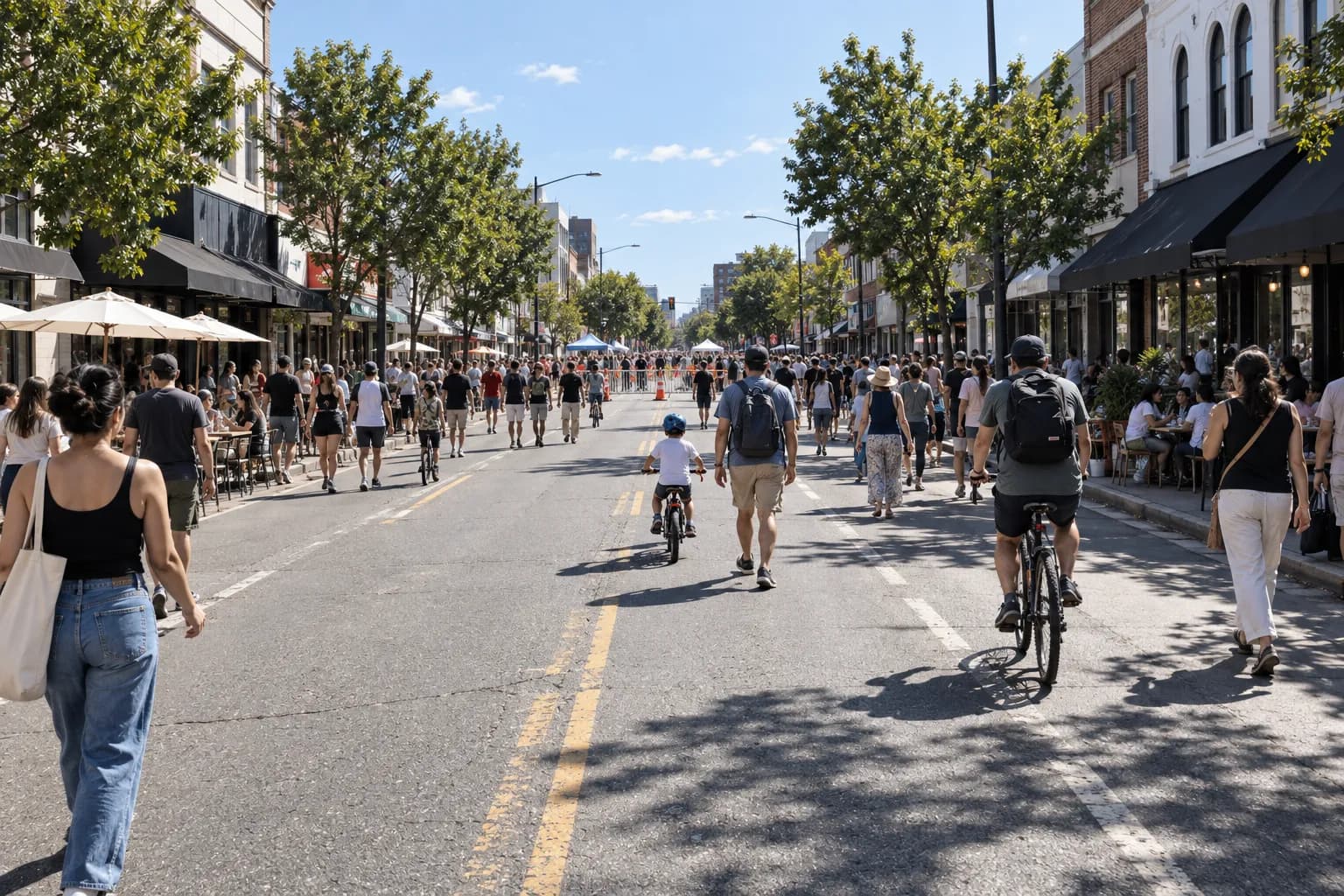
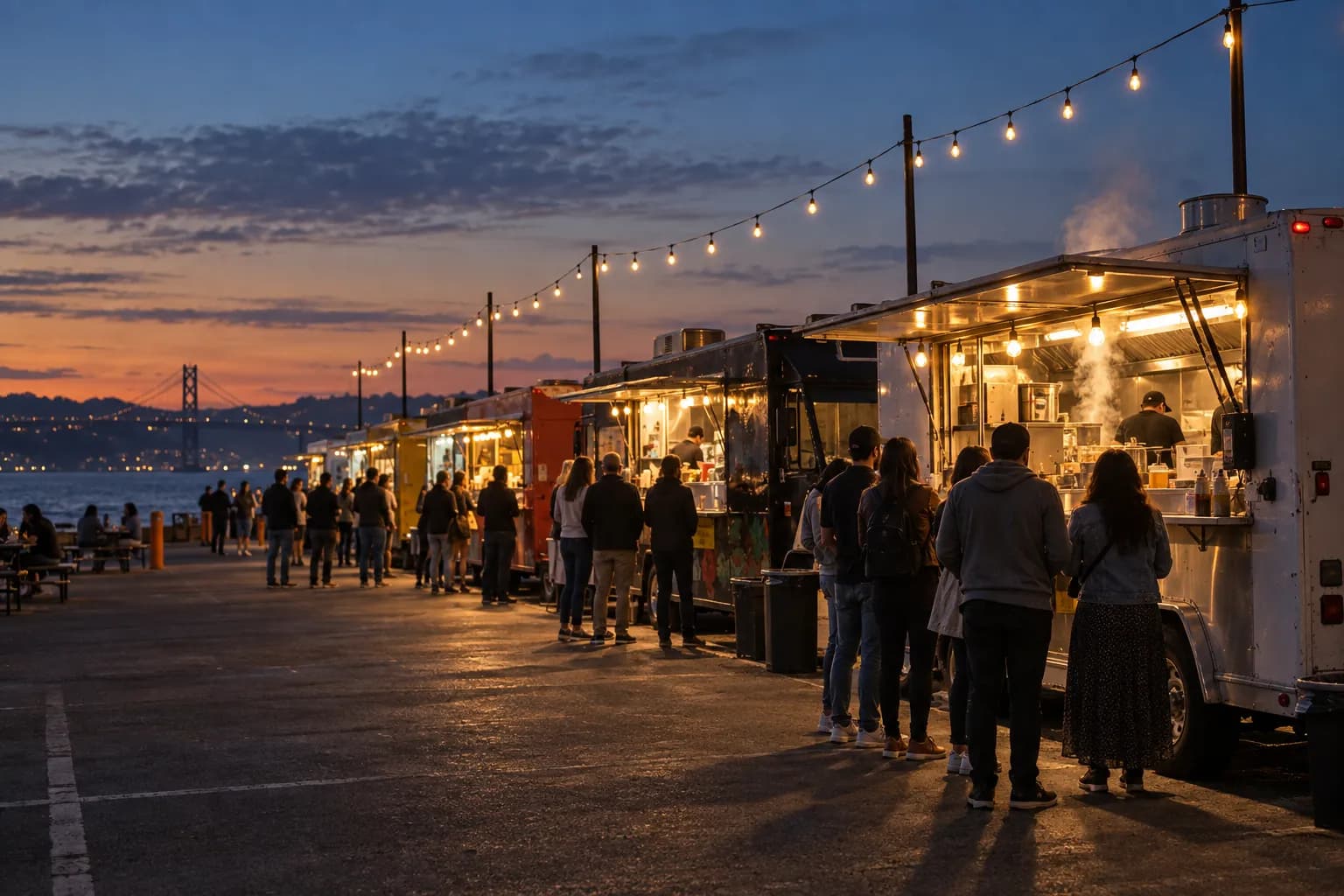
The third is the community event: a meetup, a market, a group run, a volunteer session, a language exchange. Free because there is no product, run by people who want more people there.
The fourth is lead generation dressed as education. A free seminar on property, investing, coaching or careers, where the content is an hour of context followed by an offer. The tell is a listing that promises transformation without naming a speaker, a venue that is a hotel conference room, and a description that repeats the word secret.
How to read a free listing in ten seconds
Look at the organiser first. Click the name and check their history: an institution or a studio will have dozens of past events at the same address. A lead-generation operation will have a handful of events across several cities with the same title.
Then look at whether a speaker or instructor is named. Genuine events name the person, because the person is the draw. Funnel events describe a role — a leading expert, a top producer — because the name would let you research them.
Then look at the venue. A named address at a studio, gallery, library or campus is a real place with a real programme. A hotel conference room for a free educational seminar on a Saturday morning is the single most reliable signal in the entire category.
Free still means turn up or release it
The etiquette matters more for free events than paid ones, because free RSVPs have a no-show rate that regularly runs above half and organisers plan capacity around it. If you cannot go, cancel the RSVP — it takes ten seconds and it releases a place to someone on a waitlist. Institutions that run free programming watch attendance rates closely, and a series with chronic no-shows is a series that gets its funding questioned.
The corollary is useful: because no-show rates are high, a free event that shows sold out is often worth turning up to anyway. Many organisations release unclaimed places at the door ten or fifteen minutes before start time, and arriving early with the expectation of a standby queue works surprisingly often in this city.
The categories San Francisco does particularly well
Two free categories are unusually strong in this city and both are underused. The first is institutional public programming: San Francisco's museums, libraries, universities and foundations run a heavy calendar of free talks, screenings and performances, much of it attached to funding obligations, and much of it genuinely excellent. The second is the community and volunteer layer — beach and park clean-ups, group runs, language exchanges, repair cafes, community gardens — which is free because there is no product and which is the fastest way to meet people in a city where that is famously hard. Neither category advertises, both fill up quietly, and both are far better uses of a free Saturday than a seminar in a hotel conference room.
Waitlists and the door
One last mechanic worth knowing. Because free RSVPs no-show heavily, most organisations over-issue tickets and then release unclaimed places at the door. If an event you want shows sold out, joining the waitlist costs nothing and turning up ten or fifteen minutes early with the expectation of a standby queue works more often than people assume — particularly at institutional events, where the venue has a fixed capacity it would rather fill than protect. The reverse etiquette applies to you: hold a free ticket only if you intend to use it, and release it the moment you know you will not.
Practical notes
Four types of free listing: institutional programming from museums, libraries, universities and foundations; taster sessions fronting a paid course; community events with no product attached; and lead-generation seminars. Check the organiser profile for a history of events at a consistent address. Genuine listings name the speaker or instructor; funnel listings describe a role instead. A hotel conference room hosting a free educational seminar is the strongest warning sign in the category. Free RSVPs frequently no-show at over 50 percent, so cancel if you cannot attend — it releases a waitlist place and protects the organisation's programme. Because of that no-show rate, sold-out free events often release unclaimed places at the door ten to fifteen minutes before the start, so a standby queue is worth trying.
Tags: #Eventbrite #SanFrancisco #FreeEvents #FreeThingsToDo #RSVP #WeekendPlans #Workshops #CommunityEvents #ThingsToDoSF #SFCulture #Talks #Museums #Libraries #Waitlist
All trademarks are the property of their respective owners.
Ask Karpo first
Free events cost nothing and still take an afternoon, which is the part worth protecting. Ask Karpo which free listings near you this weekend are run by organisations with a real track record, which have waitlists worth joining, and what is worth turning up to on standby.