The Counter Seat Advantage
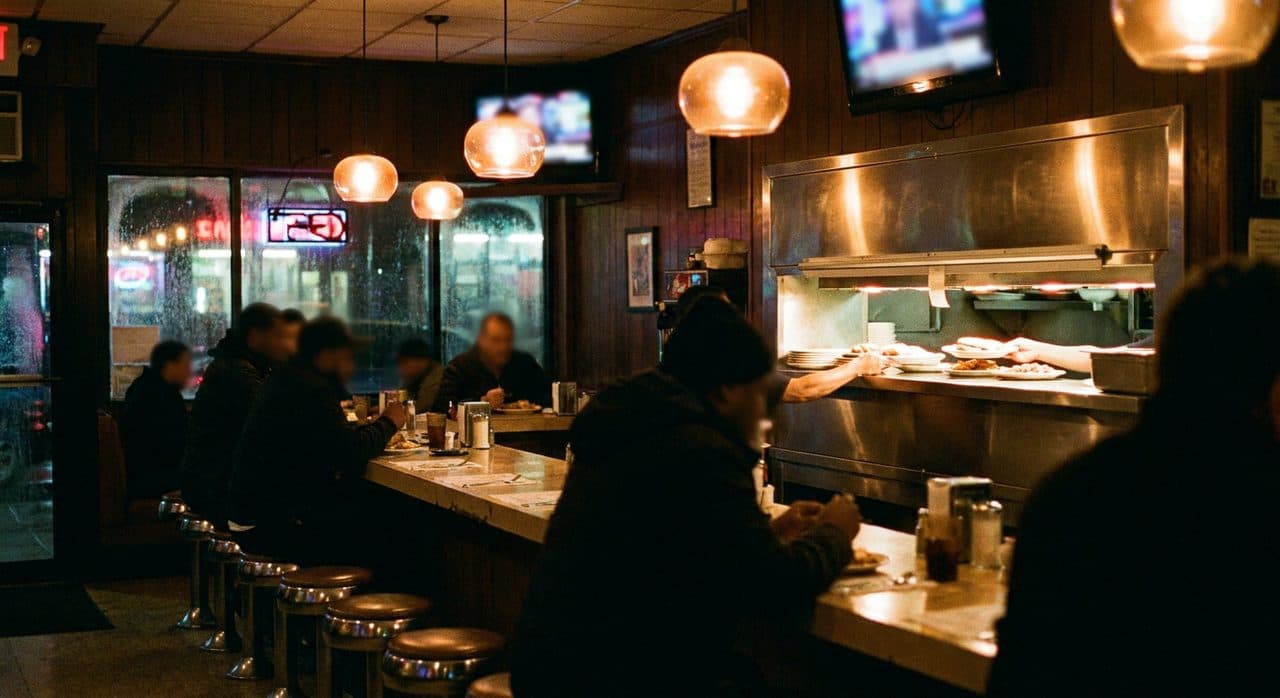
You slide onto a stool at a Harlem counter spot just as the pregame commentary starts flickering across the mounted screen, and immediately you know you made the right call. No jostling for sightlines, no shouting over a packed room, no $18 cocktails you didn't really want. Just you, a plate of something that arrived faster than it should have, and a dozen neighborhood faces who've claimed these same seats for years. When France and Northern Ireland kick off, you're close enough to the kitchen to smell the sear on whatever's coming out next, close enough to the bartender to catch the score updates murmured between pours, and far enough from the chaos to actually enjoy the match.
The Geography of a Good Seat
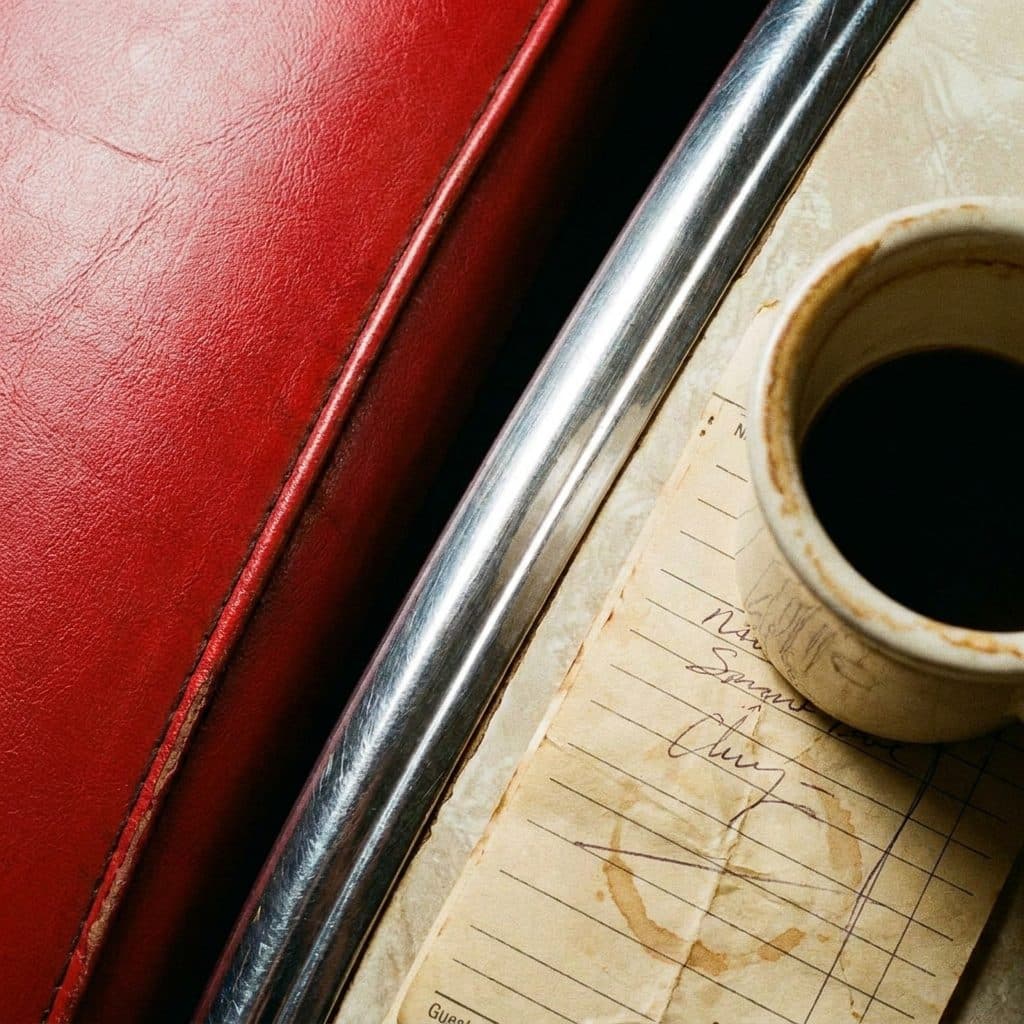
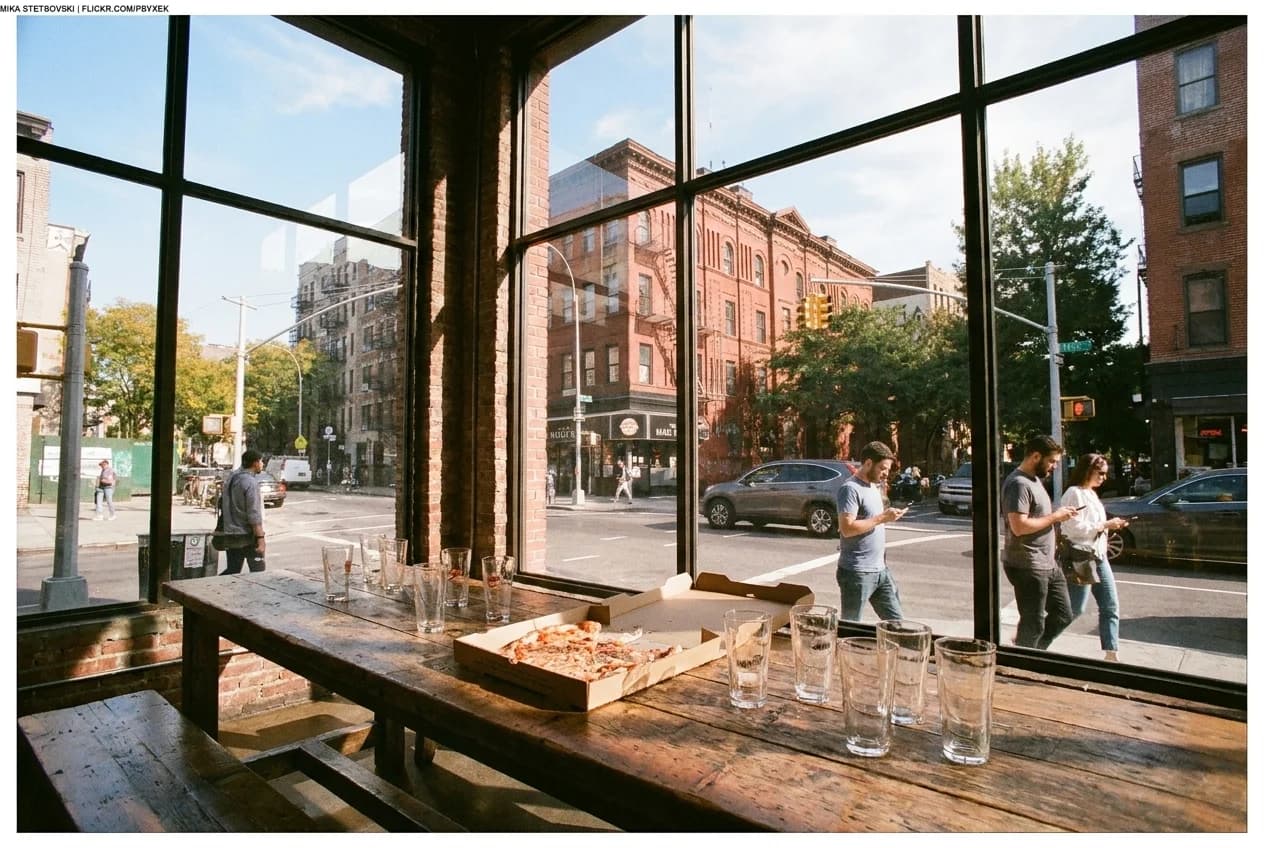
Harlem's counter culture runs deep, a holdover from decades when sitting elbow-to-elbow meant you were part of the conversation whether you planned to be or not. The spots that get it right keep their counters facing the action—kitchen on one side, screen angled just right on the other, front windows letting in that slanted afternoon light that makes everything look like a film still. You're not trapped in a booth. You're not standing with a drink getting warm in your hand. You're perched, mobile, able to lean left to catch a replay or right to ask what someone just ordered. The woman two seats down has her scorecard app open, tracking her fantasy lineup. The guy at the end nurses a ginger beer and provides running commentary in a Belfast accent thick enough to cut. Nobody asked him to, but nobody's complaining either.
What Lands in Front of You
The kitchen doesn't stop because there's a match on. If anything, it moves faster, plates emerging in that narrow window between the national anthems and the first whistle. You order something that makes sense for two hours of sitting—wings with a pepper glaze that sticks to your fingers, a jerk chicken plate with rice and peas that's gone lukewarm by halftime but tastes better that way, a catfish sandwich on bread soft enough to compress under your thumb. The portions aren't dainty. They're calibrated for people who came to stay. Between the kitchen and the counter there's maybe four feet of space, and every time the cook pivots to plate something you catch the smell of browning butter, scotch bonnet, thyme hitting hot oil. It's a better soundtrack than whatever the commentators are saying.
The Regulars and Their Rhythms
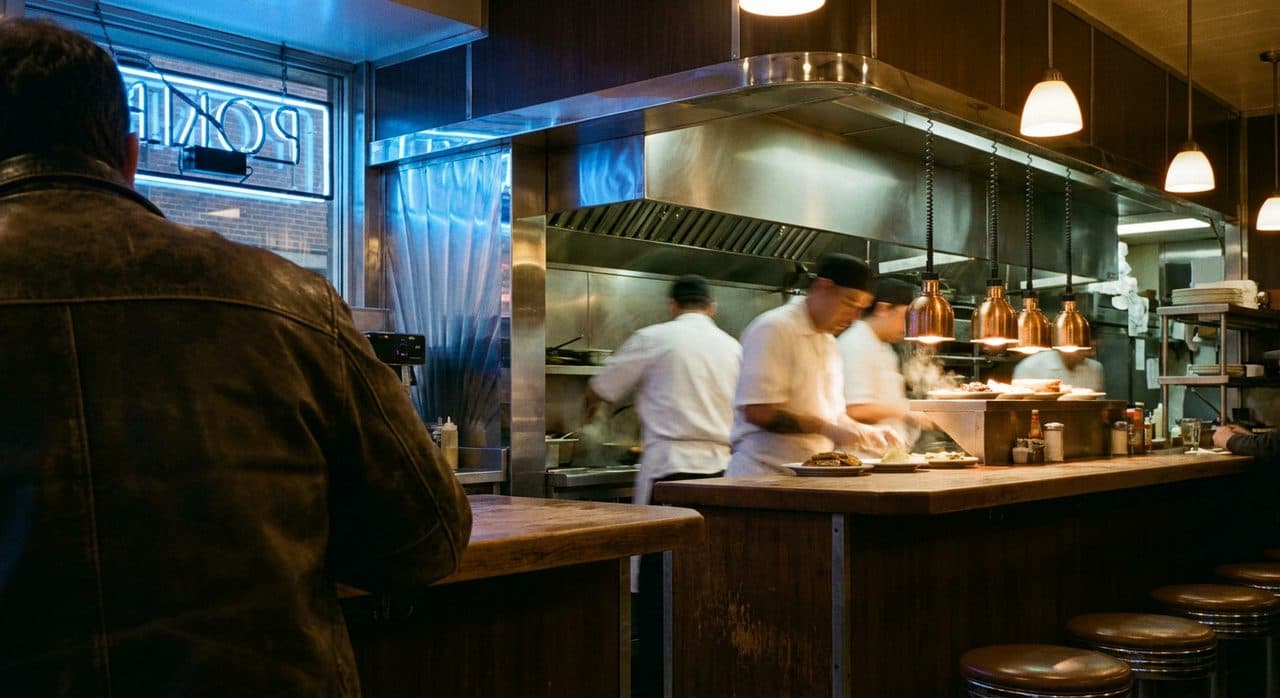
You learn the patterns fast. The older man in the Knicks cap who arrives twenty minutes early and leaves at halftime, every time, no exceptions. The trio of women who rotate seats depending on who's ordering food and who's just here for the company. The bartender who knows without asking that one guy takes his drink with a splash of soda, that another wants the check before the final whistle so he can beat the rush that never really comes. There's a rhythm to how people claim space here, a practiced choreography that makes room for newcomers without making a fuss about it. Someone's nephew is visiting from Atlanta and gets the full explanation of why this spot beats the big sports bars downtown—better sight lines, no cover, and you can actually hear yourself think during a corner kick.
When the Match Delivers
France goes up early and the room shifts. Not loud, not raucous, just a collective exhale and a few muttered reactions in three different languages. The guy with the Belfast accent orders another round, shaking his head. Someone's phone buzzes with a text and they hold it up to show their neighbor—a friend watching from a bar in Dublin, jealous of the food situation. The screen above the counter is big enough to catch the footwork, small enough that you're not craning your neck. During a VAR review everyone goes quiet, forks suspended, and you can hear the hiss of something hitting the griddle in back. Then play resumes and the conversations pick up right where they left off, layered over each other like a good jazz track. You realize you've been here an hour and haven't checked your phone once.
The Halftime Scramble
When the whistle blows, the kitchen kicks into another gear. Orders that were held fire all at once. The bartender moves down the line refreshing drinks, clearing empties, dropping checks for the people who have somewhere to be. You order another plate because the first one disappeared faster than you meant it to, and because the guy next to you just got his and it looks too good to ignore. The bathroom line forms and dissolves. Someone props the front door open and the street noise rushes in—car horns, a passing conversation, a dog barking at nothing. For five minutes the place breathes differently, louder and looser, before everyone settles back in for the second half. The light through the windows has changed, gone amber and low, and you understand why people build their weekends around these two-hour windows.
The Long Goodbye
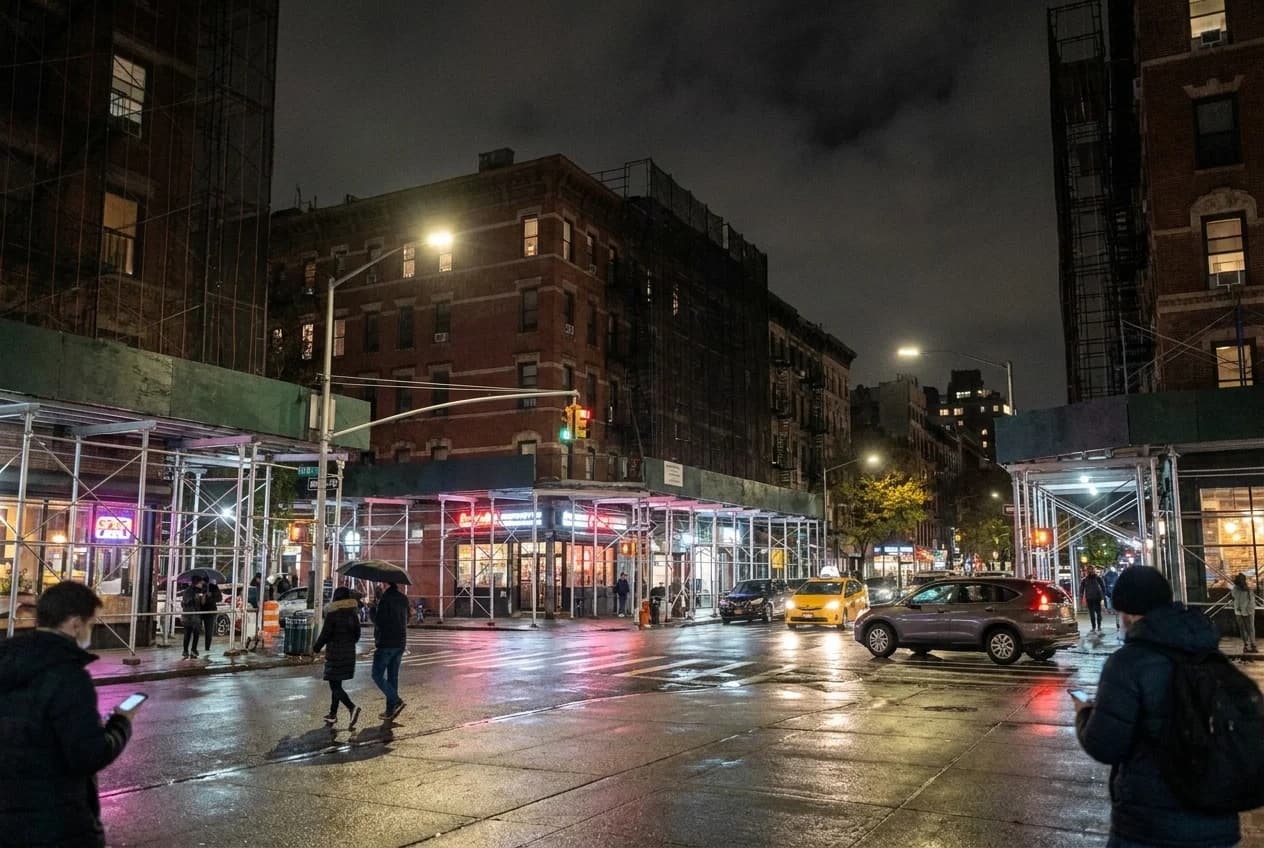
The match ends and nobody bolts. The Belfast guy stays for one more, talking to the bartender about a match from three years ago that apparently went to penalties. The fantasy league woman closes her app and orders dessert, something involving sweet plantains that the kitchen shouldn't still be making at this hour but is. You pay your check and it's less than you expected, the kind of number that makes you think you could do this every weekend without wrecking your budget. Outside, Harlem is doing its evening thing, people moving between errands and obligations, the subway entrance half a block down swallowing and releasing crowds in steady rhythm. You walk past two sports bars with lines out front and feel smug about your choice. Sometimes the best seat isn't the biggest room. Sometimes it's just a counter, a plate, and a screen at the right angle.
Practical Notes
Most Harlem counter spots serving food during match hours open late morning and run until the kitchen closes, usually well into the evening. Getting there thirty minutes before kickoff guarantees you a counter seat without a wait. Weekday matches draw smaller crowds than weekend fixtures, but the energy stays consistent. The subway drops you within a few blocks of most spots—look for the 2, 3, A, B, C, or D trains depending on where you're headed. Reservations aren't a thing at counters, and that's the point. Cash is useful but cards work fine. If you're planning to stay for a double-header, pace yourself and tip like you mean it.
Tags: #PullUpAChair #HarlemEats #CounterCulture #SoccerInNYC #MatchDayEats #HarlemLife #NeighborhoodSpots #NYCFood #FootballNotFootball #LocalBarsNYC #UpperManhattan #HarlemHangouts #SportsBarAlternative #NYCSoccer #CounterSeats
Sources consulted: eater.com · timeout.com · infatuation.com
All trademarks are the property of their respective owners.